
Last updated November 25, 2026
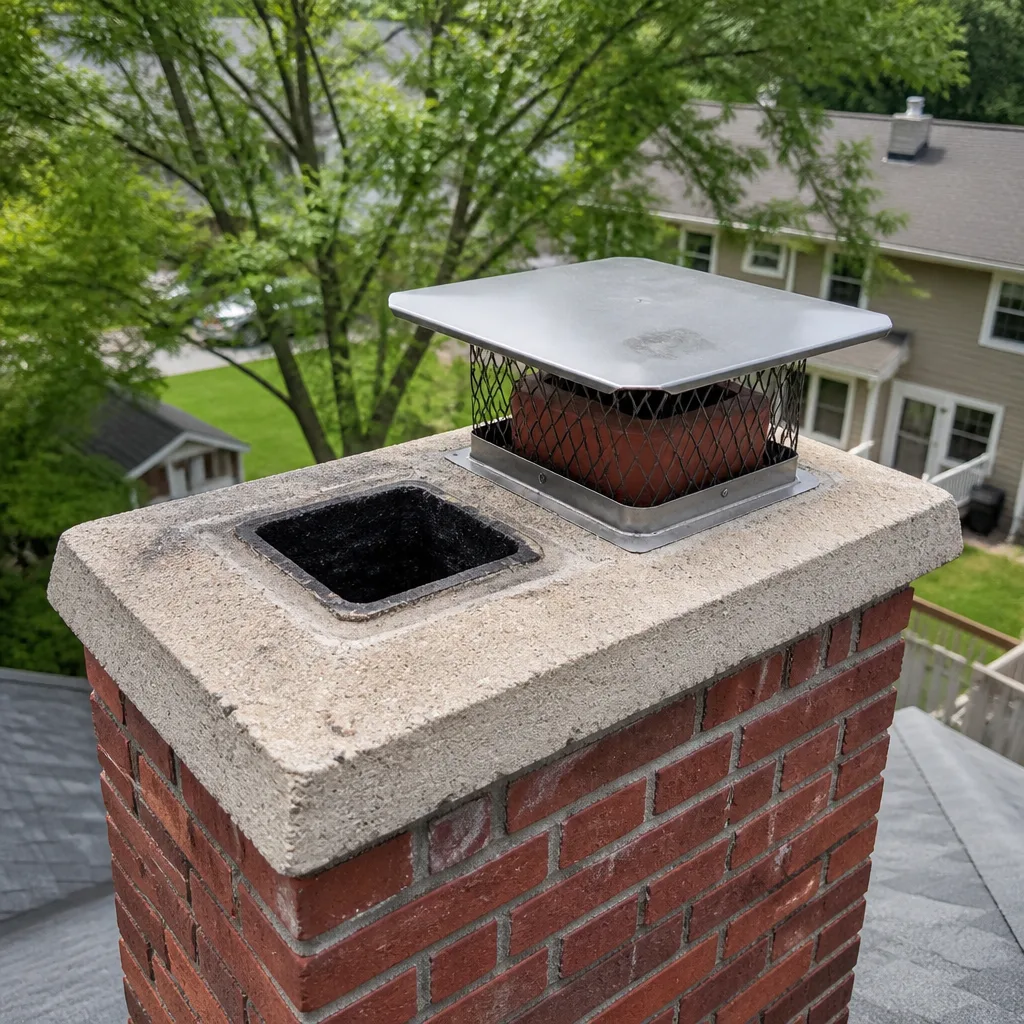 Sweep & inspection
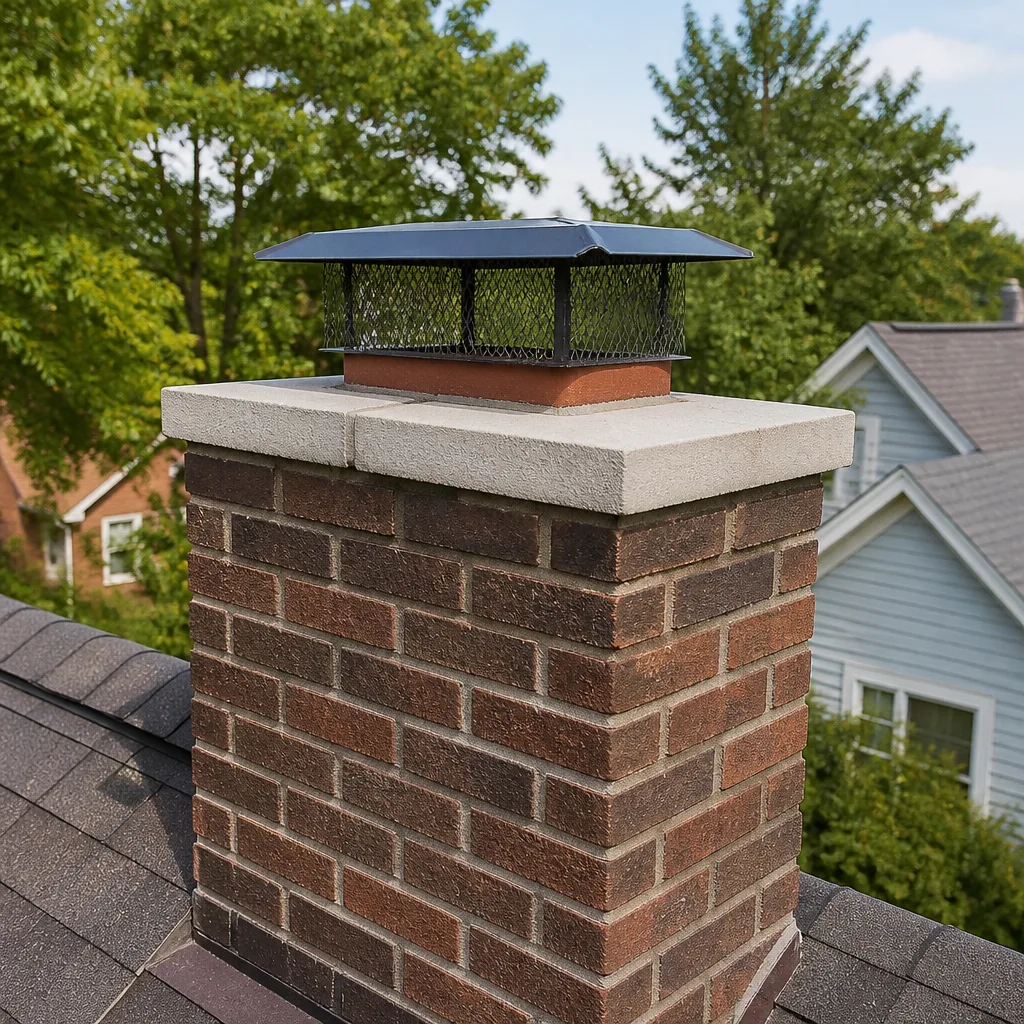 Caps & crowns
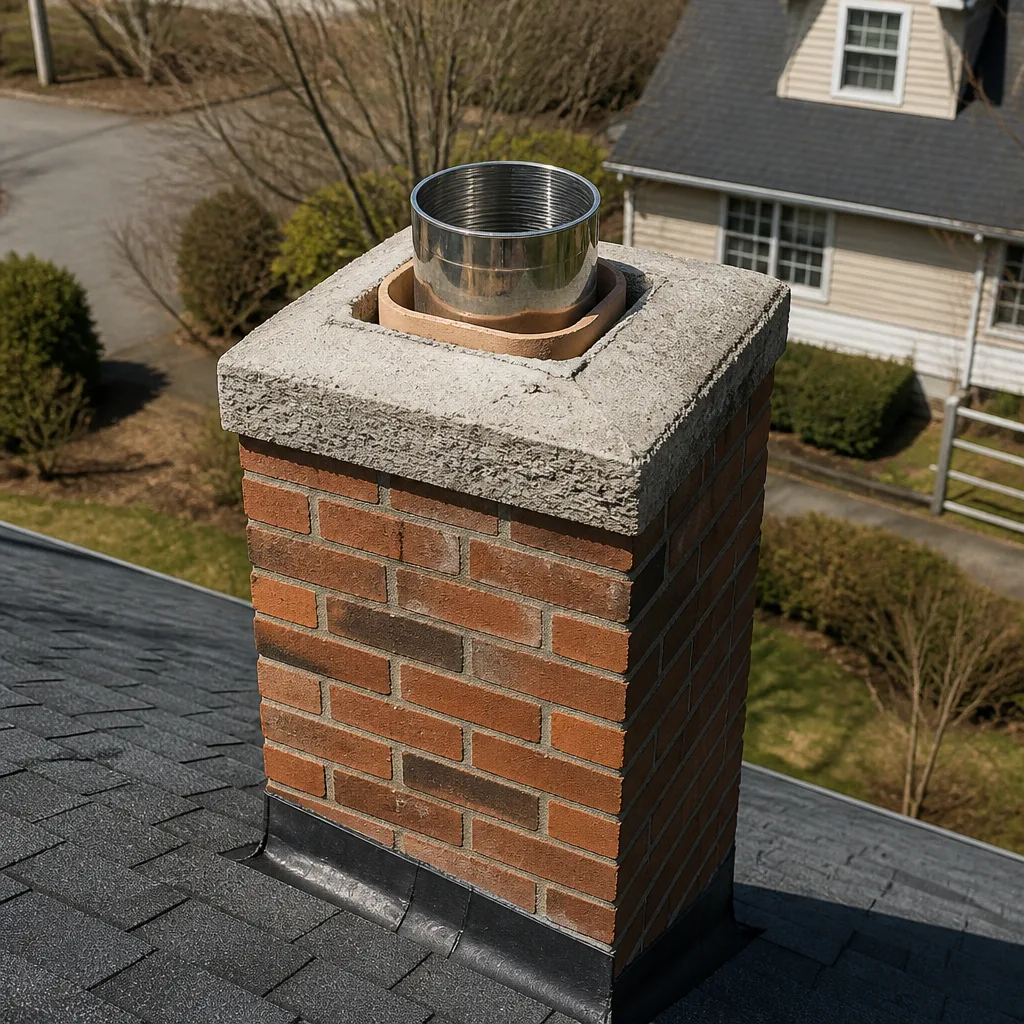 Flue relining
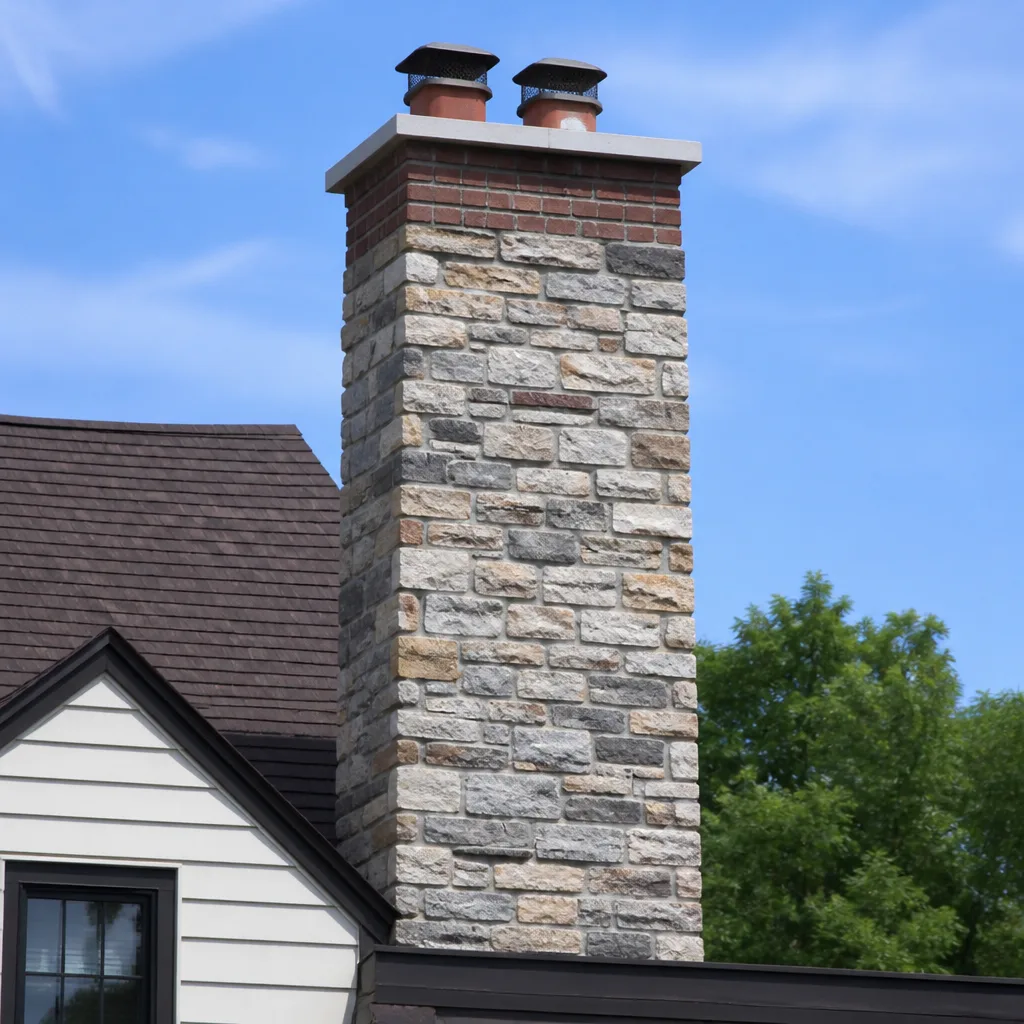 Masonry repair
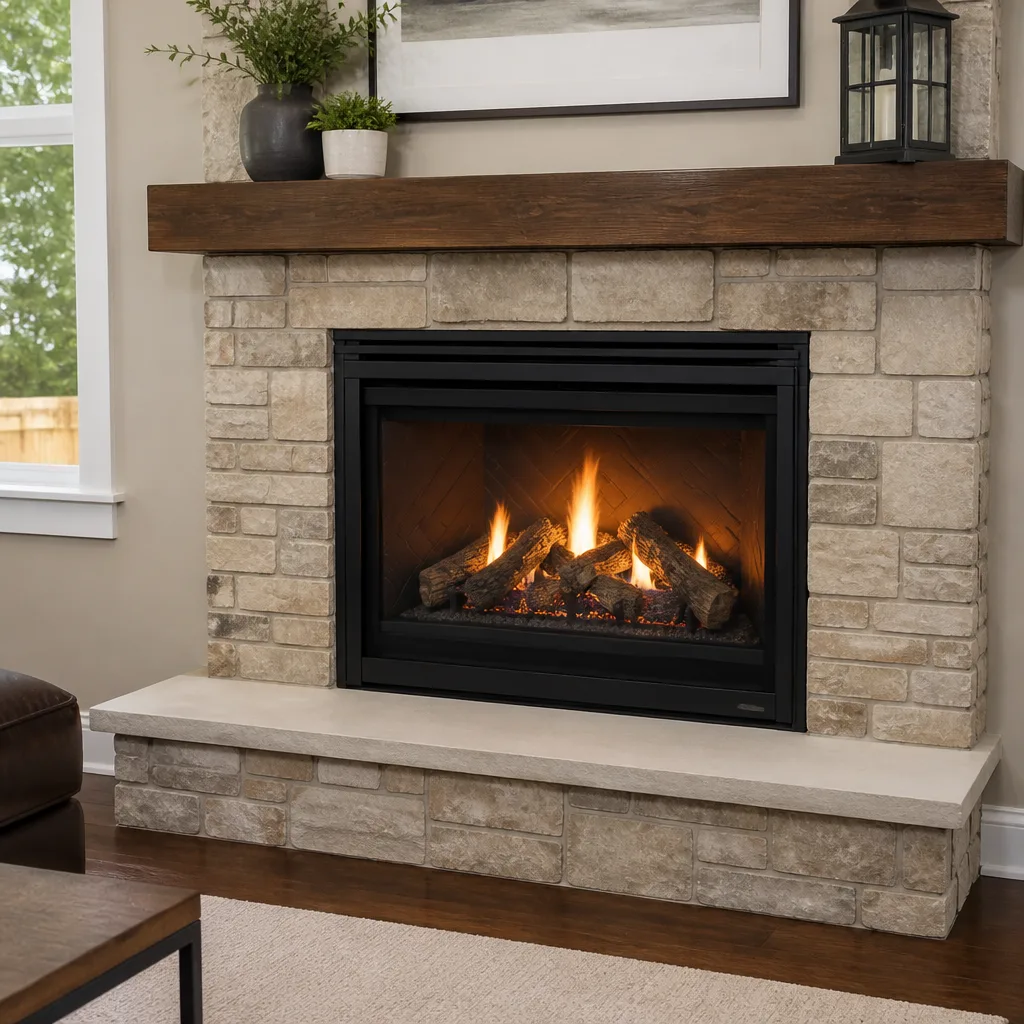 Gas fireplace service
Level 1 sweep and inspection to the NFPA 211 annual standard - flue, crown, cap, and flashing checked and photographed
Chimney sweep logs do not sweep chimneys. They loosen some creosote - which then falls where a brush and vacuum still have to collect it.
Chimney Cleaning Permits, Codes & Inspections in San Juan Capistrano, CA: What You Need to Know
A chimney cleaning doesn’t need a permit. A new stainless liner installed without one is a problem you’ll discover at escrow, not before. That’s the line most homeowners in San Juan Capistrano don’t know exists, and it’s the line this guide is built around. Routine sweeping and inspection sit on one side. Alteration, relining, firebox rebuilding, and appliance changes sit on the other, where California Building Code, Orange County amendments, and Title 24 all apply. We’ll walk through where cleaning ends and permitted work begins, how the City of San Juan Capistrano’s building department handles chimney permits, what a code inspection actually looks at, and how unpermitted work surfaces during a sale.
Quick Answer
In San Juan Capistrano, routine chimney cleaning and a visual inspection do not require a building permit. Permits become necessary once work crosses into alteration or repair of the chimney’s structure or venting, such as installing a new liner, rebuilding a firebox, or replacing a wood-burning appliance, because that work touches California Building Code requirements and local Orange County amendments. Title 24 energy rules also apply to fireplace dampers and throat seals whenever a fireplace is altered. Always confirm permit scope with the City of San Juan Capistrano building department before work starts.
Styles & brands we work with
- Sweep & inspection
- Caps & crowns
- Flue relining
- Masonry repair
- Gas fireplace service
Table of Contents
- Does chimney cleaning require a permit in San Juan Capistrano?
- Where cleaning ends and alteration begins
- How San Juan Capistrano handles chimney permits
- What “code compliant” means for older San Juan Capistrano chimneys
- Title 24 and your fireplace damper
- What a proper chimney inspection covers
- How unpermitted work surfaces at a real estate sale
- Common mistakes to avoid
- When to call a professional
- Frequently asked questions
Does chimney cleaning require a permit in San Juan Capistrano?
No. Chimney sweeping is maintenance, not construction, and the City of San Juan Capistrano doesn’t require a permit for it. A sweep removes creosote, soot, and debris from the flue and firebox, and nothing about that changes the structure of the chimney or its venting. You can book a cleaning without any paperwork or municipal approval.
An inspection is the same story. Whether it’s a basic visual check or a more detailed camera inspection, no permit is involved. That distinction matters because it’s where a lot of confusion starts. In our experience, homeowners often assume anything chimney-related must be permitted, then get suspicious when a sweep says it isn’t. The reverse is more common and more costly: homeowners assume a liner install or firebox rebuild is just “part of the cleaning” and never ask about permits at all.
Here’s how we think about it in plain terms:
- No permit: sweeping, visual inspection, camera inspection, cap replacement, crown coating, minor mortar touch-ups at the crown.
- Permit likely required: new liner installation, flue relining, firebox rebuild, masonry repair that changes structure, appliance replacement, damper replacement tied to an appliance change.
- Permit required: any new chimney construction, major structural repair, or adding a new appliance category such as converting from wood to gas with a new venting configuration.
The safest move before any work beyond a sweep is a quick call to the City of San Juan Capistrano building department. Ask them whether your specific scope needs a permit. They’ll tell you, and it takes a few minutes. If you want to understand what a cleaning actually involves, our page on chimney sweep work explains it in detail.
Where cleaning ends and alteration begins
The threshold is structural or venting change. If the work affects how the chimney is built, how it vents, or how it performs as a system, it’s alteration, and California Building Code treats alteration differently from maintenance. If the work only removes deposits from an unchanged system, it’s cleaning.
We use a simple three-part test when we’re scoping a job for a homeowner:
- Does the work remove anything? Soot, creosote, and debris come out during a sweep. That’s maintenance. If we’re cutting, grinding, or removing tiles, that’s alteration.
- Does the work add anything permanent? A new liner, a new damper assembly, a new firebox, a new cap anchored to the crown. Anything installed rather than cleaned is alteration.
- Does the work change how the chimney vents? Relining to a different diameter, changing the appliance category, or altering the flue’s cross-section is a venting change and usually pulls in both building code and Title 24.
If all three answers are “no,” you’re looking at maintenance. If any answer is “yes,” plan on a permit conversation with the city. The most common case where homeowners get this wrong is liner work. A stainless liner is a permanent installed component, and it changes how the flue vents. That’s alteration, and the City of San Juan Capistrano treats it that way. Our chimney repair service regularly handles relining work, and we start every one of those conversations with the permit question.
One more wrinkle worth knowing about: minor repair sometimes stays minor. Small hairline cracks in a crown, or a cap that’s been knocked askew by a tree branch, often don’t require permits because they don’t affect structure or venting. Larger masonry repair does. When in doubt, it’s the scope that decides, not the label.
How San Juan Capistrano handles chimney permits
The City of San Juan Capistrano’s building department issues permits, performs inspections, and signs off on permitted work, just like every other California jurisdiction. The process for a chimney permit is the same shape as it is for any residential alteration: apply, submit scope and plans where required, receive the permit, do the work, and call for inspection before the system is put back into service.
What the process looks like in practice:
- Scope the work. Decide exactly what’s being done. A liner install, a firebox rebuild, and a damper replacement are different permit scopes.
- Check with the city. Call the building department and confirm whether your scope requires a permit and what documentation they need. Ask about the inspection sequence.
- Submit the application. Depending on the scope, you may need a description of work, product specifications, and sometimes drawings. Liner systems such as DuraFlex come with manufacturer documentation that supports the permit application.
- Receive the permit. Don’t let anyone start work before the permit is issued. That’s the whole point.
- Do the work. The install happens under the permit, with the inspection sequence in mind.
- Call for inspection. The city inspects the system before it goes into service. Finish and sign-off follow.
One local detail worth mentioning: San Juan Capistrano has a significant historic core, and work on properties in or near historic districts can bring additional review. If your home is in one of these areas, mention it to the building department when you call. They can tell you whether historic review applies to your chimney scope.
Ask your contractor for the permit before work starts. A chimney professional who’s comfortable with the process will have the permit in hand. If a contractor suggests skipping it “because it’s just a liner,” that’s a signal to slow down.
What “code compliant” means for older San Juan Capistrano chimneys
Code compliant means the chimney as it exists today meets the requirements of the code in force now, not the code that applied when it was built. That’s the part that catches homeowners off guard. Many San Juan Capistrano homes have chimneys that were built decades ago, before current clearance requirements, liner requirements, and damper requirements took their present form. Those chimneys aren’t automatically illegal, but they may not meet today’s standards for new work, and repairing them can trigger the newer requirements.
Clearance is the biggest issue. Wood framing needs to maintain a set distance from the chimney and flue, and pre-1980s construction sometimes sits closer than current code allows. When a permitted alteration touches that area, the inspection typically looks at clearances as part of the review. In some cases, making the new work compliant means correcting an existing clearance problem.
Liner requirements are the second big one. Older chimneys may have clay tile flues with gaps, spalling, or misaligned joints that don’t meet current venting standards. A liner install brings the flue into compliance by creating a continuous, rated vent passage. If we’re installing a liner, we use a rated solution like DuraFlex to meet that standard. There are also repair approaches that don’t require full relining, such as HeatShield ceramic resurfacing, which restores a compromised flue to a rated condition. In either case, the goal is a flue that meets current code.
Damper requirements matter too, and we’ll cover those in the Title 24 section below. The practical takeaway: if you’re buying or renovating a San Juan Capistrano home with an older chimney, get a proper inspection before you commit to a repair scope. You need to know what already meets code and what doesn’t before you sign anything. Our Chimney Sweep San Juan Capistrano team can walk you through the condition of the flue and what falls under current code versus what’s grandfathered.
Title 24 and your fireplace damper
California’s Title 24 energy code requires that a fireplace be equipped with a closable damper or an approved equivalent when the fireplace is altered. It’s one of the most overlooked compliance items in chimney work, because it’s not about fire safety or structure. It’s about heat loss. An open fireplace flue is a permanent hole in the building envelope, and Title 24 treats it that way.
Here’s when Title 24 comes into play:
- Fireplace alterations. If a permitted fireplace repair touches the firebox, damper assembly, or the throat of the fireplace, the closing requirements under Title 24 apply.
- Appliance changes. Swapping a wood-burning insert or installing a new gas appliance usually brings damper and sealing requirements into the scope.
- New construction and additions. New fireplaces have to meet current Title 24 damper and sealing requirements out of the gate.
What this looks like in practice: when we open up a fireplace for repair, we check whether the existing damper closes fully and whether the throat seal is intact. A fireplace with a damper that doesn’t seat properly leaks conditioned air up the flue year-round, and if the repair is permitted, the damper is part of the inspection. If the damper mechanism is worn or the throat seal is compromised, it’s part of the repair scope.
Most homeowners have never heard of this rule, and it’s genuinely a case where code is doing the homeowner a favor. A leaking damper costs money every heating season. If we’re already in the firebox doing fireplace repair, correcting the damper and throat seal at the same time is efficient, and it’s often what brings the fireplace into compliance. Mention it when you ask for an estimate, and ask your contractor to explain how the damper work fits into the permit.
What a proper chimney inspection covers
A proper chimney inspection evaluates the flue, firebox, damper, cap, crown, and accessible structural elements, and it documents the condition of each so a repair scope can be written against real evidence. The three-tier inspection framework is common in the trade: a basic visual inspection for routine maintenance, a more detailed inspection when a repair or appliance change is planned, and a full inspection after a chimney fire or structural event. Each tier has its own scope, and the level you need depends on what you’re doing.
Regardless of level, a thorough inspection looks at:
- Flue interior. Creosote levels, tile condition, gaps, spalling, and whether the flue is properly sized for the appliance. A camera is the standard tool here, and the images should be part of the report.
- Firebox. Masonry joints, cracks, and the integrity of the firebox floor and walls.
- Damper and throat. Operation, seal, and Title 24 compliance where relevant.
- Cap and crown. Whether the cap is intact and properly sized, and whether the crown is shedding water or cracking.
- Exterior and clearances. Visible masonry condition, clearances to combustibles, and any signs of moisture intrusion.
The inspection has to actually mean something. A one-page checklist with generic notes doesn’t tell you what’s going on in your chimney. When we inspect a San Juan Capistrano home, we photograph the flue and include the images in the report, so the homeowner can see the condition rather than take it on faith. That same inspection forms the basis of a repair scope, and the contractor writing the scope is also the contractor doing the repair. That single-relationship structure is how diagnosis and repair stay honest. If you’re getting an inspection ahead of a real estate transaction, tell the inspector, because the deliverable and the documentation requirements scale up accordingly.
How unpermitted work surfaces at a real estate sale
Unpermitted chimney work surfaces during a real estate transaction through the inspection process, through disclosure obligations, and through permit history searches. California transfers require a Transfer Disclosure Statement, and sellers are obligated to disclose known material facts about the property, including whether permitted work was performed. Buyers’ inspectors look at the chimney, and a liner that wasn’t permitted is visible to the eye of someone who knows what a permitted liner install looks like.
Here’s what actually happens in escrow:
- Buyer’s inspection. The buyer’s home inspector looks at the chimney and calls out visible issues. An unpermitted liner sometimes doesn’t show up here, but a good inspector knows to ask for documentation.
- Permit history check. Buyers and their agents pull permit history from the city. If there’s no record of the liner, it’s a flag.
- Seller’s disclosure. The seller goes on record about what they know. Misrepresenting whether a liner was permitted is a disclosure issue, not just a paperwork issue.
- Negotiation. The buyer either asks for the work to be brought into compliance or asks for a credit against the repair cost. Either way, the seller eats the cost, and it’s usually higher than it would have been at the time of the original install.
- Close and re-key. Even at closing, unpermitted work can carry forward as a future liability, and the buyer inherits it.
The pattern in San Juan Capistrano real estate is the same one we see across Orange County. The liner gets installed by whoever offered the lowest bid, and the permit gets skipped. Years later, the sale runs into it. The fix isn’t complicated or unusual, but it adds time to the transaction and expensive rework. If you’re a seller with an unpermitted liner, get ahead of it. Have the work inspected, photograph it, and get the permit history sorted if you can. If you’re a buyer, ask for the permit documentation before you sign the disclosure package.
Our guidance here is the same as it is for any other permitted work: get the permit the first time. If you want the work done properly and want it to hold up at escrow, the permit isn’t a hurdle. It’s the documentation. When we install a liner using a system like DuraFlex, we’re happy to help with the paperwork. If you’re already in an escrow situation and need a documented assessment, that’s a good time to call.
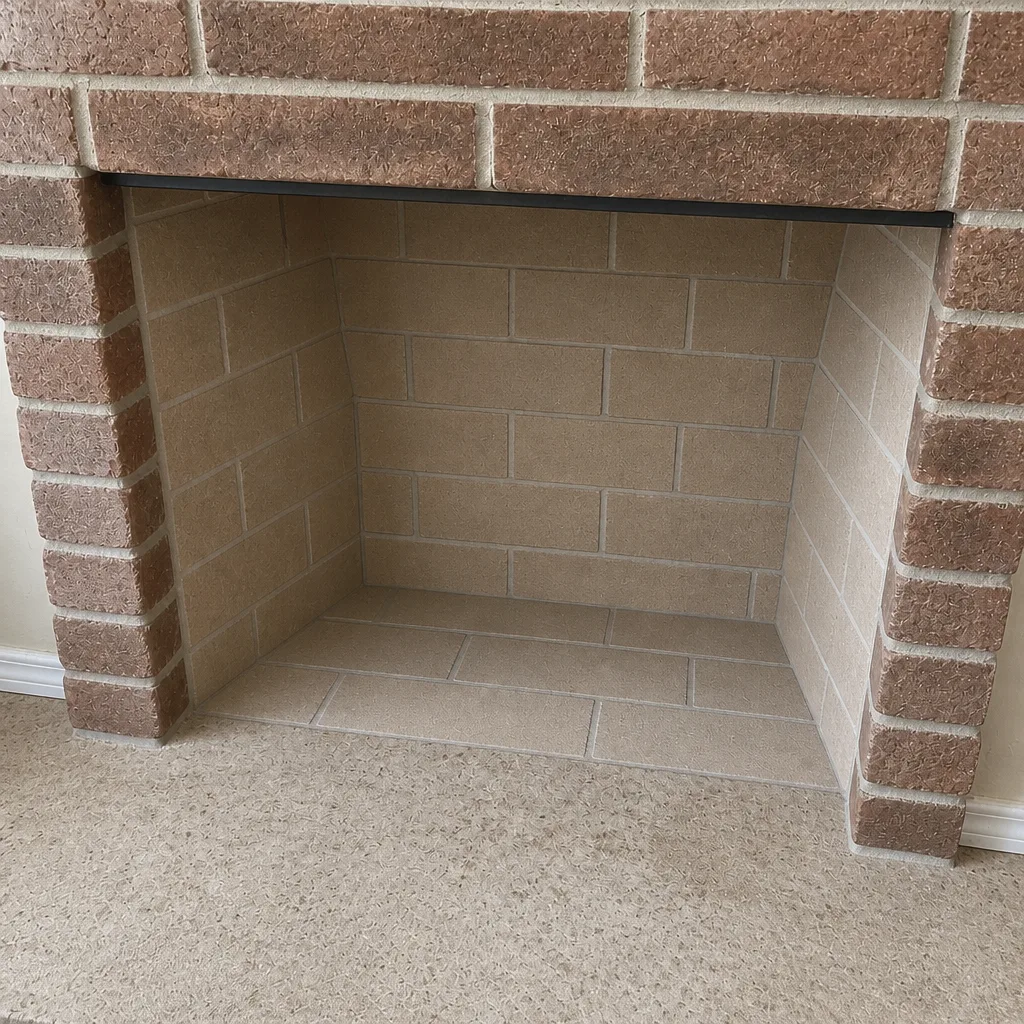
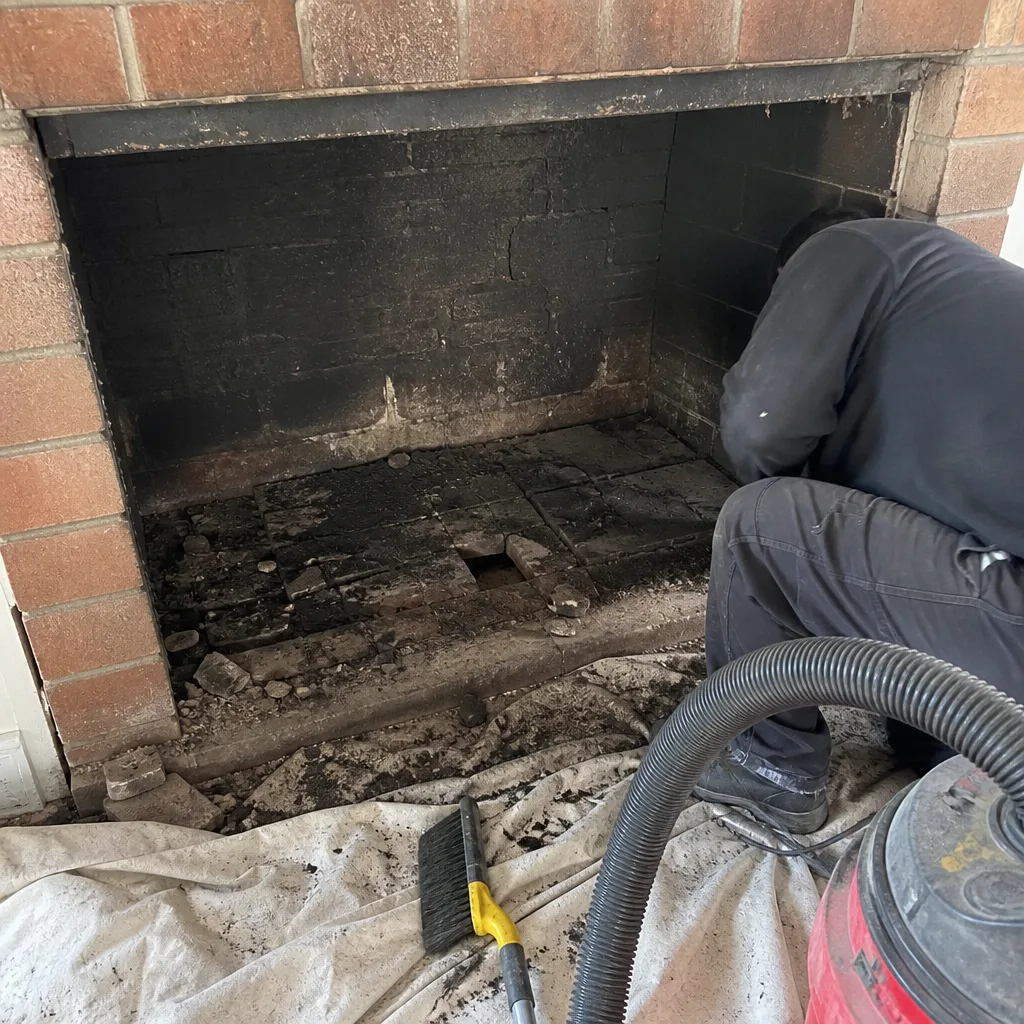
See the difference
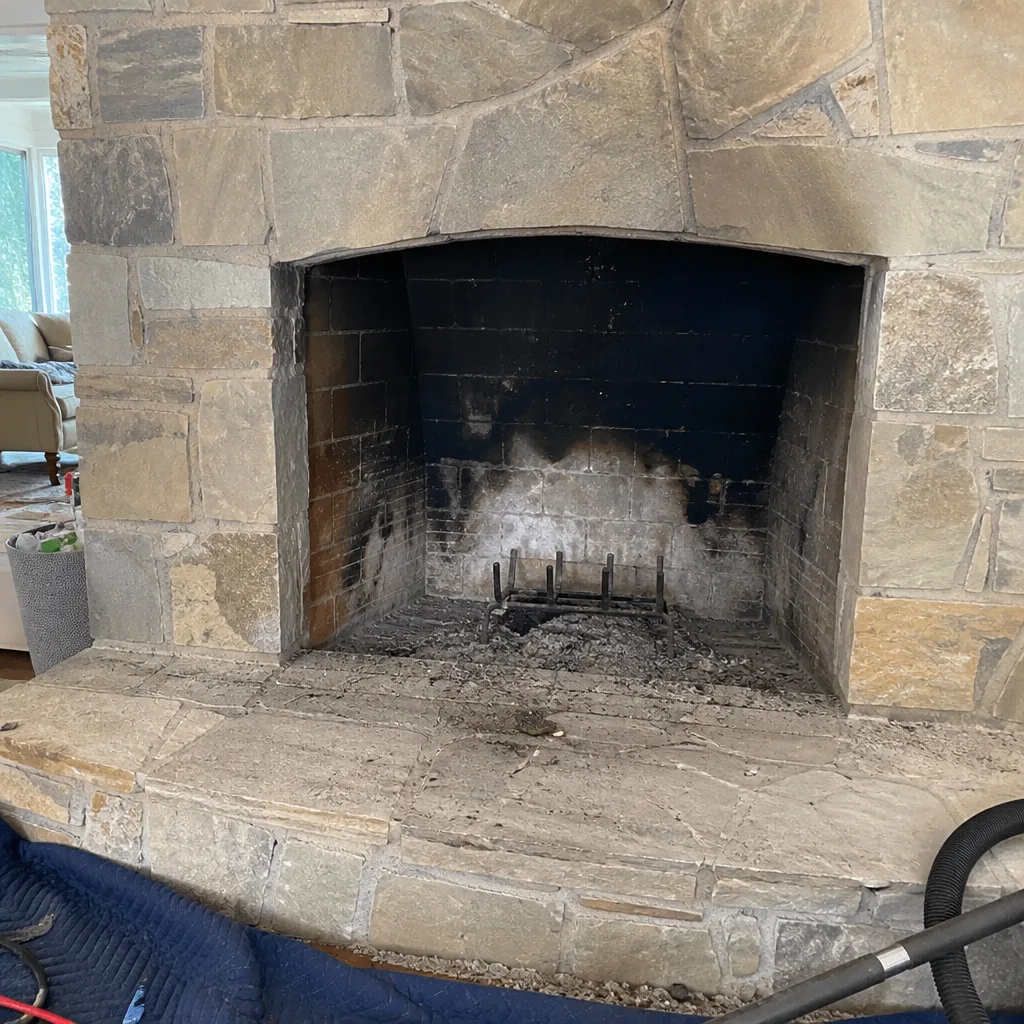 Before
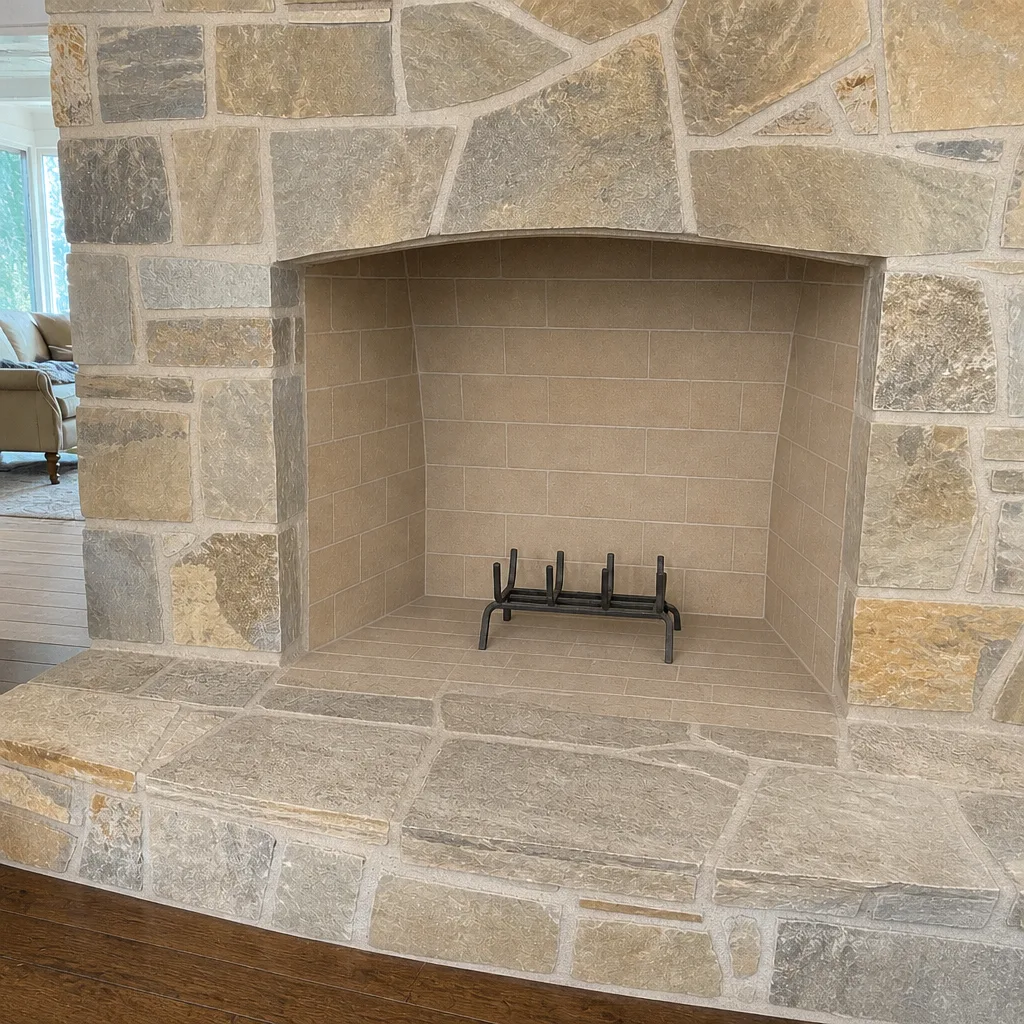 After
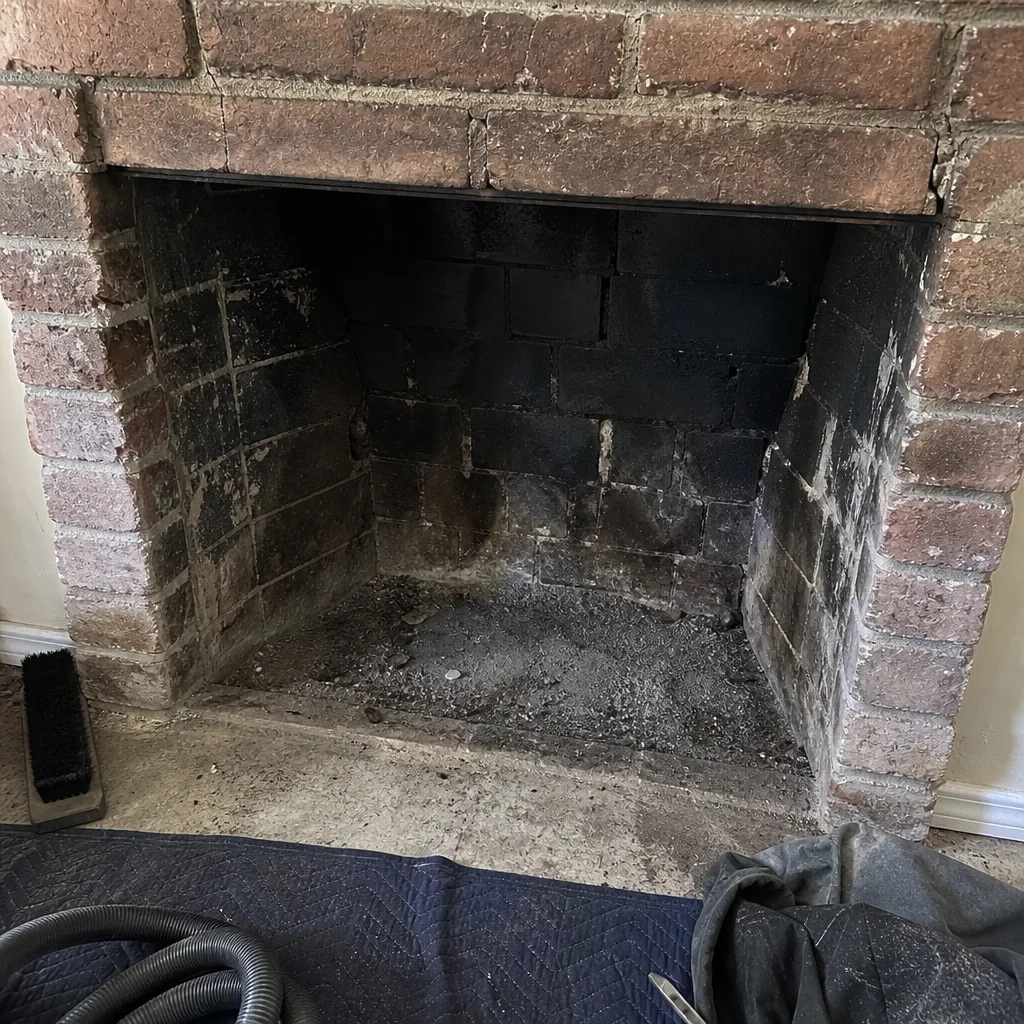 Before
 After
 Before
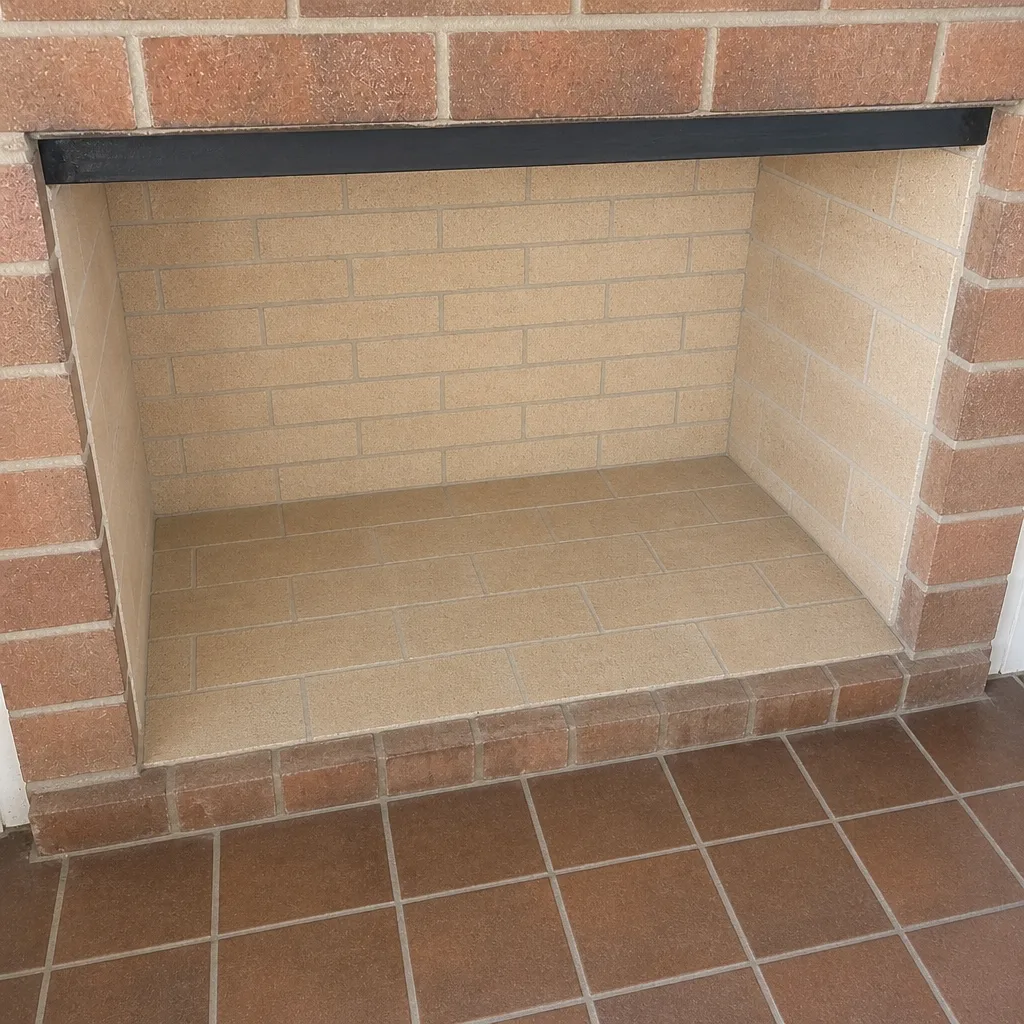 After
Common Mistakes to Avoid
- Treating a relining job as “just part of the cleaning.” A liner install is alteration, not maintenance, and skipping the permit is what ends up costing money at escrow. Ask about permits up front, before any work starts.
- Skipping the inspection when buying a home with a fireplace. A general home inspection usually doesn’t open up the flue to check tile condition. Get a proper chimney inspection before you commit, because the repair scope is easier to negotiate before the sale closes.
- Assuming a grandfathered chimney is code compliant. Older San Juan Capistrano chimneys with tight clearances or failing tiles aren’t automatically illegal, but repairing them can trigger current code requirements. Confirm the scope with the city before work begins.
- Ignoring Title 24 during a fireplace repair. Damper and throat seal compliance is part of the permitted scope, and skipping it is a common reason an inspection gets red-tagged.
- Hiring a sweep who doesn’t work with the permit process. A contractor uncomfortable with permits is a contractor who’s going to cut corners. Ask before you book.
- Selling a home with an unpermitted liner and hoping it doesn’t come up. Sellers must disclose, and buyers’ inspectors and permit history checks find these. Bringing it into compliance before the sale is cheaper than negotiating a credit after.
- Opting for the lowest bid on liner work. Liner material, flue sizing, and installation method matter, and a cheap install on a system like HeatShield or DuraFlex is often a cheap install for a reason. Choose professional-grade materials and a contractor who knows the code.
When to Call a Professional
Call a chimney professional when you’re facing any of the following: any work beyond routine sweeping, a repair scope that involves liner or firebox work, a fireplace you’ve never had inspected, a home purchase involving a fireplace, a drafting problem you can’t explain, visible deterioration in the firebox or the crown, or a permit question you can’t answer confidently. Testing a flue by lighting a small fire is one thing. Diagnosing a flue is another, and someone with the right tools and experience should do it. This is also a case where the local code matters, and a contractor familiar with San Juan Capistrano’s building department process will save you time. We’ve seen this go wrong when the contractor isn’t comfortable with permits, and it’s not a corner worth cutting.
Chimney Sweep San Juan Capistrano offers free estimates in San Juan Capistrano. Call (844) 451-2583. We answer 24/7, and fast dispatch runs from 7am to 7pm, Sunday through Friday. The estimate is free, and the written estimate sets the price.
Frequently Asked Questions
No. Routine chimney sweeping and inspection in San Juan Capistrano do not require a permit because they’re maintenance, not alteration. Permits become relevant when the work changes the structure or venting of the chimney, such as installing a new liner or rebuilding a firebox. If you’re unsure whether your scope needs a permit, call the City of San Juan Capistrano building department and ask. For an exact quote on cleaning, call (844) 451-2583. Estimates are free.
Yes, most likely. A new liner is a permanent install that changes how the chimney vents, which makes it alteration under California Building Code and subject to local permit requirements. In San Juan Capistrano, confirm with the building department before work begins, and ask your contractor for the permit before they start. A contractor who’s comfortable with permits won’t hesitate to provide documentation. Call (844) 451-2583 for a free estimate on liner work.
Title 24 requires a closable damper or an approved equivalent on a fireplace when it’s altered, and the requirement ties to energy efficiency rather than fire safety. An open flue leaks conditioned air year-round, and Title 24 treats that as a matter worth regulating. If you’re having fireplace work permitted, ask your contractor how the damper and throat seal fit into the scope. Call (844) 451-2583 for a free assessment of your fireplace and damper.
Probably, but with conditions. A chimney built before current code took effect isn’t automatically illegal, but repairing or altering it can bring current requirements into the picture, especially on clearances to combustibles and liner condition. If you’re planning any work beyond a cleaning, get an inspection and ask the city what current code requires for the scope. Call (844) 451-2583 to schedule an inspection with photographic documentation.
It usually surfaces during escrow. Buyers’ inspectors look at the chimney, permit history is pulled from the city, and sellers have a legal obligation to disclose known material facts about the property. Unpermitted work often stalls the transaction or forces a price credit, and sometimes both. If you have unpermitted work, bring it into compliance before the sale. Call (844) 451-2583 for a documented assessment you can share with your agent.
An inspection once a year is a reasonable baseline for a home with a regularly used wood-burning fireplace, and more often if you’ve had a chimney fire or a significant structural change. Gas fireplace owners can often go longer, but the schedule depends on use and the condition found at the last inspection. Don’t skip the inspection after a chimney fire, even if everything looks fine from the outside. Call (844) 451-2583 to schedule.
Yes, when the work was permitted. The building department performs the inspection on permitted work as part of the process, and the sign-off happens before the chimney goes back into service. Schedule the inspection with the city when the work is complete, and don’t put the fireplace into use until it’s been signed off. If you’re having work done and want it done right, call (844) 451-2583 for a free estimate.
Yes. A proper inspection produces photos of the flue, the firebox, and the cap, and the report should include them. You shouldn’t have to take a contractor’s word for what’s wrong. Ask for photographic documentation as part of the inspection deliverable, and walk through it with the contractor before you agree to any repair scope. Call (844) 451-2583 to schedule a documented inspection.
The Bottom Line
Cleaning your chimney in San Juan Capistrano doesn’t need a permit, but relining, firebox repair, and appliance work do, and the difference is worth knowing before you hire anyone. California Building Code and Orange County amendments govern the alteration side, Title 24 adds the damper and throat seal requirements, and pre-1980s San Juan Capistrano homes can have grandfathered conditions that fall short of current code. Unpermitted work surfaces at escrow, so get it right the first time. Verify the permit scope with the City of San Juan Capistrano, get an inspection you can actually see, and choose professional-grade materials like DuraFlex, HeatShield, Gelco, or Copperfield from a contractor who’s comfortable with the paperwork. Our technicians have up to 11 years of experience. Call (844) 451-2583 for a free estimate. We answer 24/7, and fast dispatch runs from 7am to 7pm, Sunday through Friday.
Written by the team at Chimney Sweep San Juan Capistrano.