
Last updated November 25, 2026
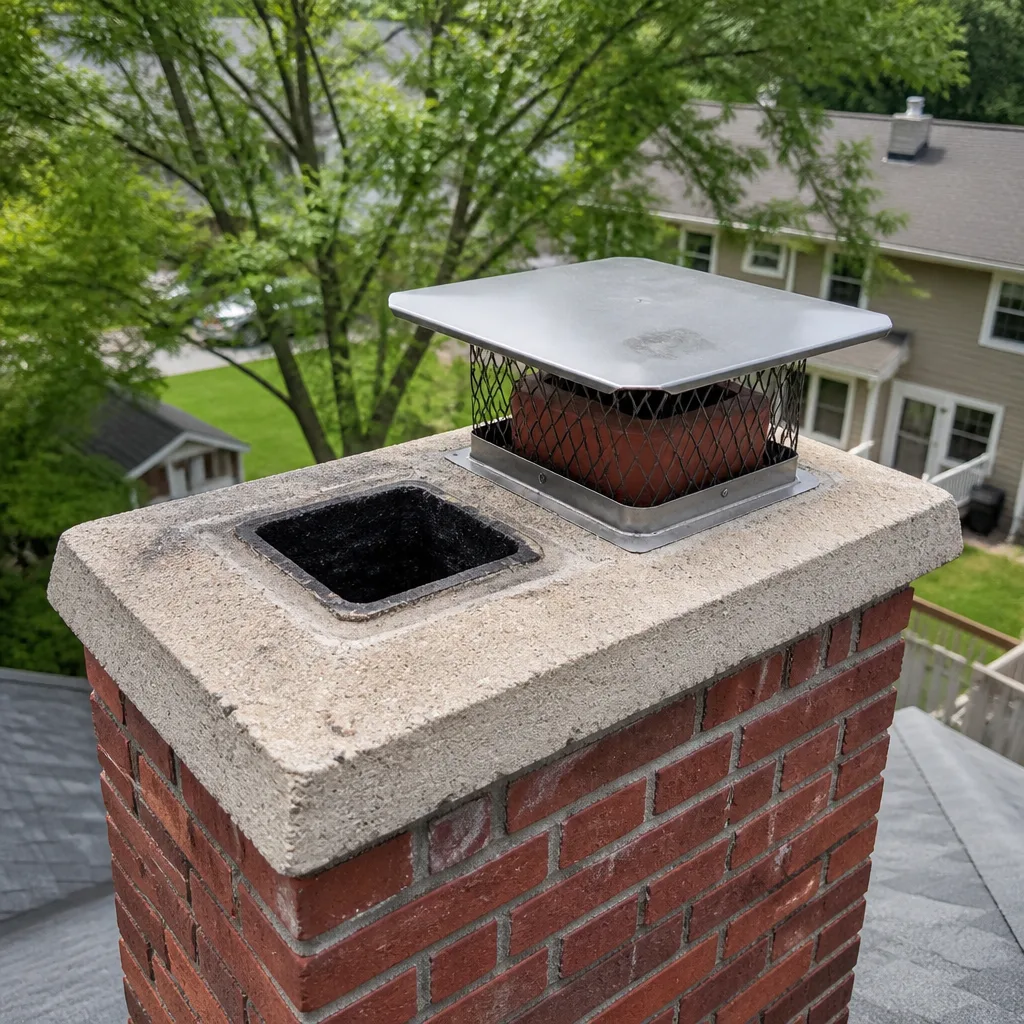 Sweep & inspection
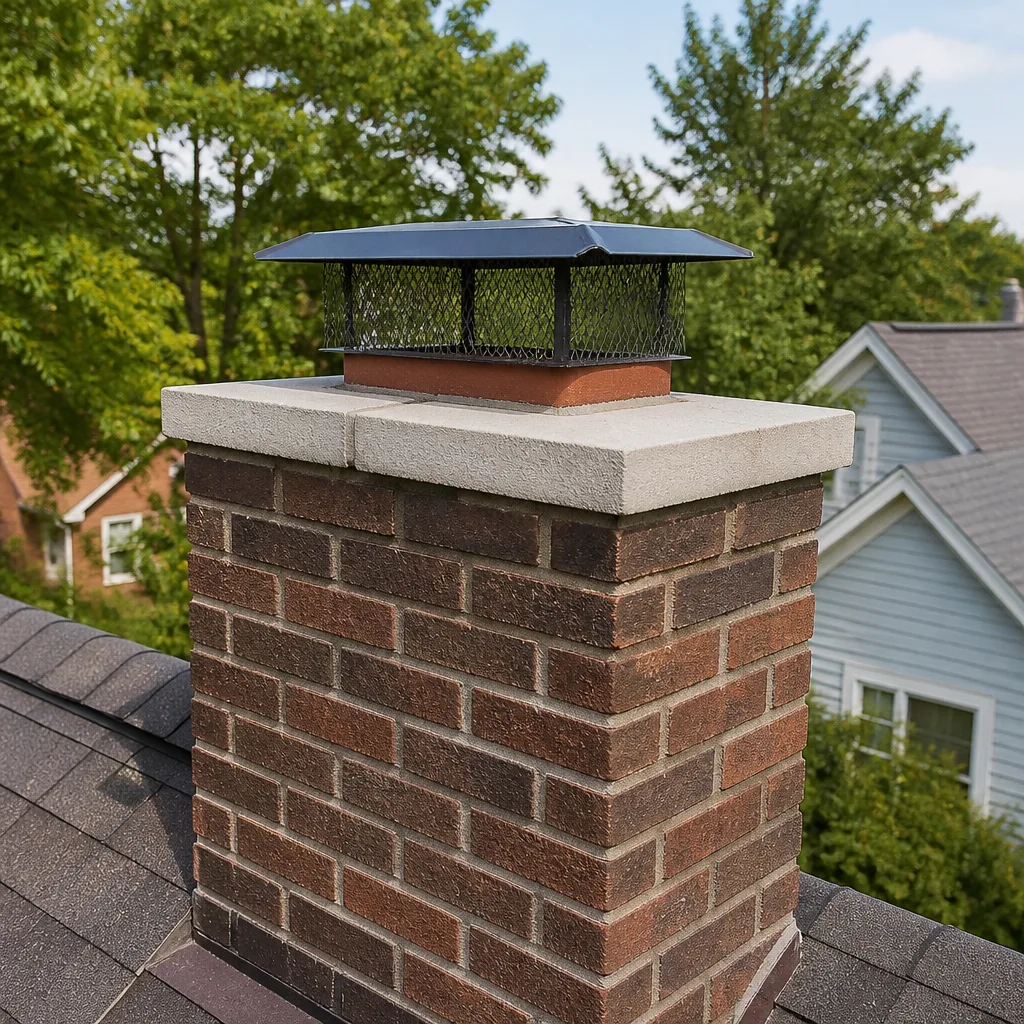 Caps & crowns
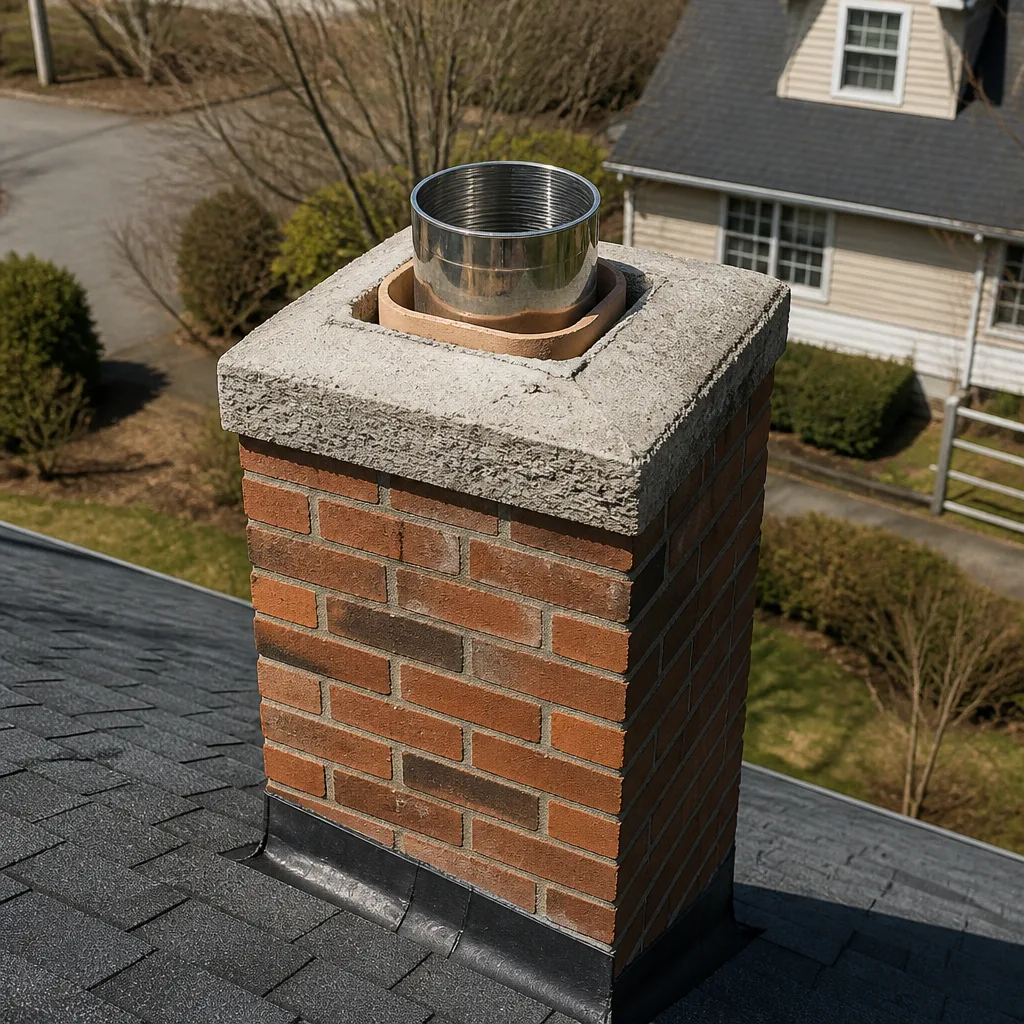 Flue relining
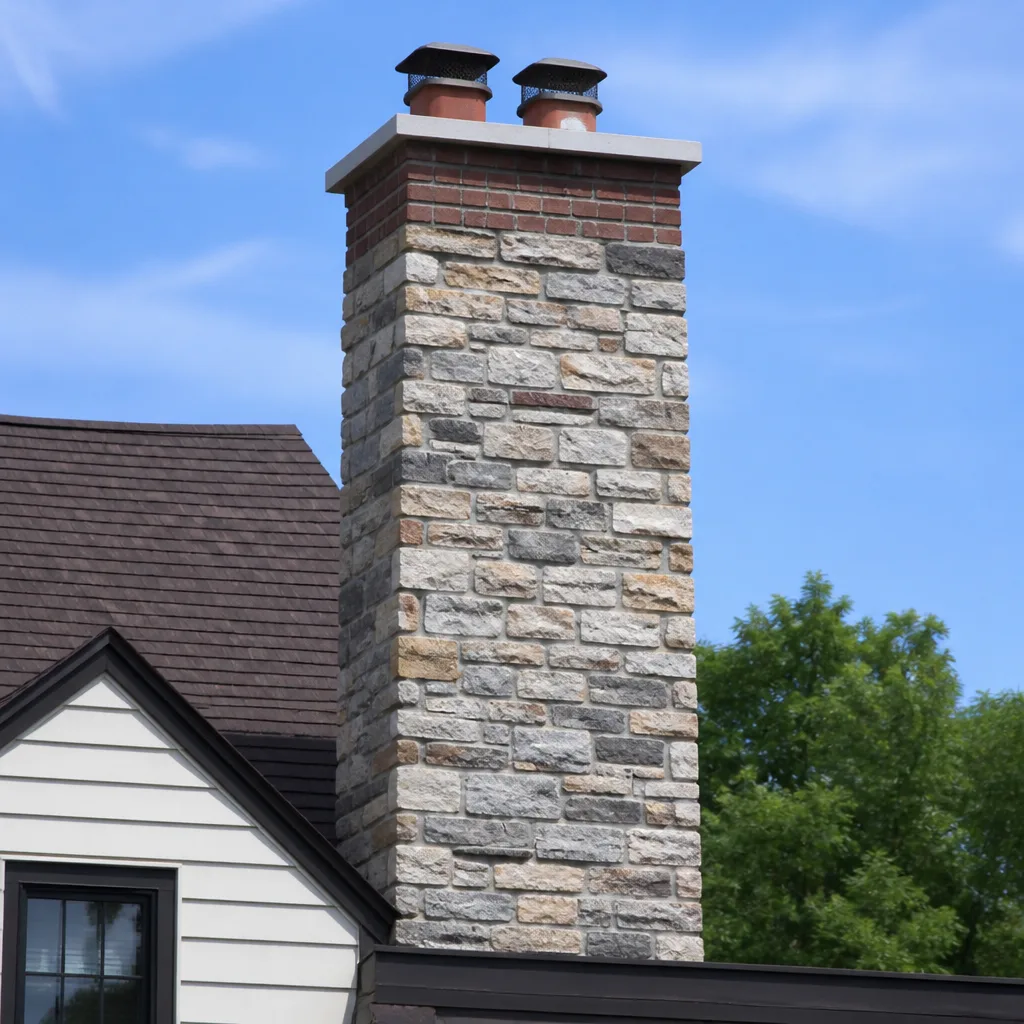 Masonry repair
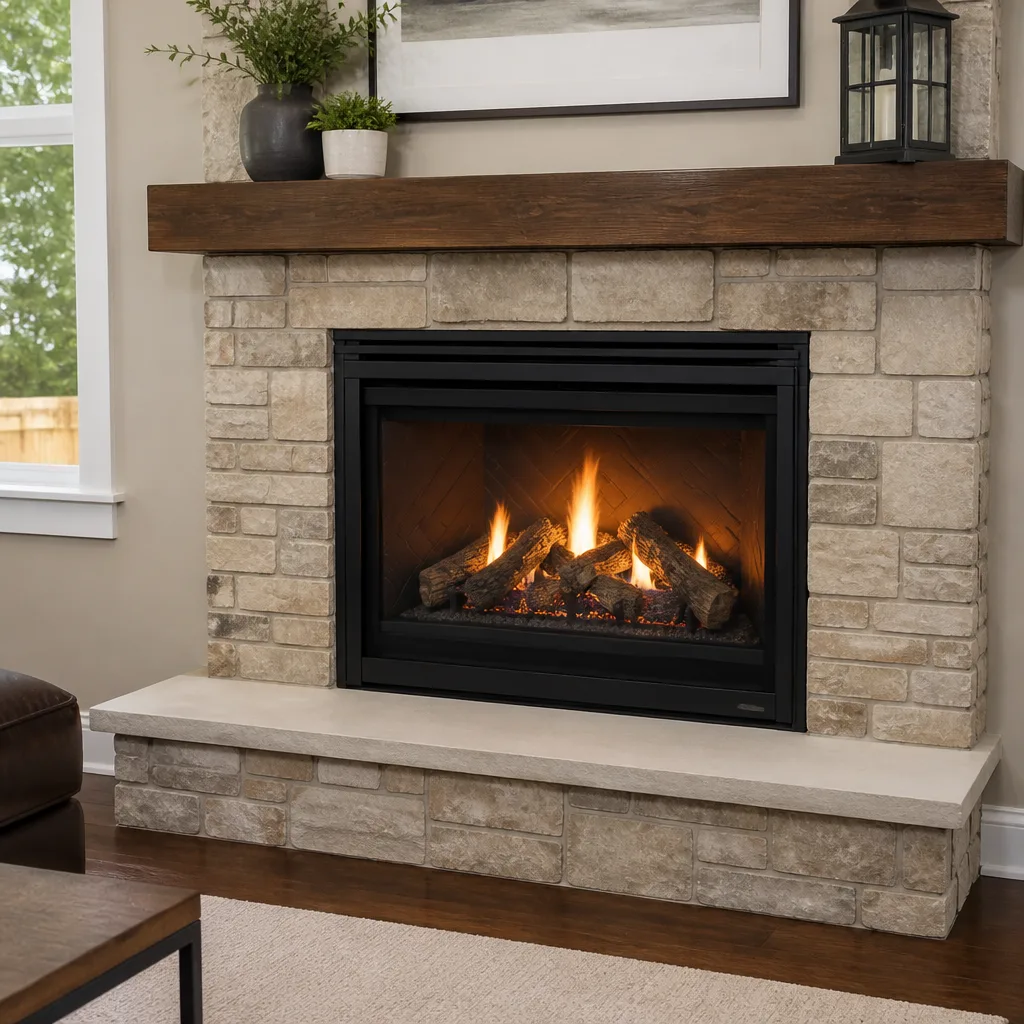 Gas fireplace service
Level 1 sweep and inspection to the NFPA 211 annual standard - flue, crown, cap, and flashing checked and photographed
Chimney sweep logs do not sweep chimneys. They loosen some creosote - which then falls where a brush and vacuum still have to collect it.
Chimney Cleaning Emergency Preparedness Guide for San Juan Capistrano Homes
A chimney fire sounds like a freight train running through your house. You will know it is happening. Carbon monoxide from a cracked flue or a blocked passage gives you no warning at all, which is why the emergency most San Juan Capistrano homeowners prepare for is almost never the one that actually finds them. This guide separates those two scenarios, walks through the exact sequence for each, and shows what a current cleaning record is worth when a fire department or an insurer asks questions later. You will learn how to tell a chimney fire from ordinary aggressive draft noise, where a carbon monoxide detector actually earns its place, and what has to happen before the fireplace is safe to light again.
Quick Answer
If you suspect a chimney fire, call 911 first, then close the damper and the firebox door to starve the fire of air, get everyone outside, and do not reopen the firebox until the fire department clears the chimney. Before you ever use the fireplace again, a Level 2 inspection is required to check for cracked flue tiles, warped components, and heat damage that the fire itself may have hidden. Carbon monoxide risk from a gas insert or an older prefab system is quieter and more likely than a chimney fire, and it is caught with a detector placed near the sleeping area, not in the room with the fireplace.
Styles & brands we work with
- Sweep & inspection
- Caps & crowns
- Flue relining
- Masonry repair
- Gas fireplace service
Table of Contents
- Chimney Fire or Carbon Monoxide: Two Different Emergencies
- How to Identify a Chimney Fire in Progress
- The Step-by-Step Sequence for a Chimney Fire
- Carbon Monoxide Risk in San Juan Capistrano Homes
- Where Carbon Monoxide Detectors Actually Belong
- What to Do After a Chimney Fire
- Why Your Cleaning Record Matters for Insurance
- Building a Year-Round Preparedness Plan
Chimney Fire or Carbon Monoxide: Two Different Emergencies
Most homeowners in San Juan Capistrano picture a single scenario when they think about chimney emergencies, and it is the loud one. That is a useful instinct to correct. A chimney fire and a carbon monoxide event come from the same underlying failure, a flue that is no longer passing combustion gases the way it should, but they announce themselves in opposite ways.
A chimney fire is a combustion event inside the flue. Creosote, the tarry deposit that builds up when wood burns incompletely, ignites once enough of it has accumulated. The resulting fire burns hot, sounds loud, and produces visible and audible signals you cannot miss. It is a high-heat event that damages the flue lining fast.
A carbon monoxide problem is the reverse. It is a slow, silent accumulation of combustion gases that are not venting out the top of the chimney. The furnace, the water heater, a gas fireplace insert, or a gas log set can all become the source. Because carbon monoxide is colorless and odorless, the human senses never register it. It is quite simply more likely than a chimney fire in a home where a fireplace has gone dormant or a flue has developed an obstruction.
The distinction matters for preparedness because the actions are different. A chimney fire demands urgent, physical intervention: call 911, shut off the air, evacuate. A carbon monoxide event demands something you can only install in advance: a working detector in the right place. You cannot prepare for a carbon monoxide emergency at the moment it begins. You prepare for it months before, when you place and test the detector and maintain the flue.
Which of these two risks is more pressing in your household depends partly on what you burn. A wood-burning fireplace in regular winter use carries a real creosote signal. A gas insert or an older prefab unit carries a different set of concerns entirely, and we will cover those below. If you have never had the flue inspected and you do not know which category your fireplace falls into, that is the first thing worth finding out. Our Chimney Sweep San Juan Capistrano guidance covers the basics of a thorough initial inspection.
How to Identify a Chimney Fire in Progress
The single most common false alarm we hear about is ordinary aggressive draft noise. A cold start, a fast-burning fire, or a flue that is drawing hard can produce a rumble or a low roar that sounds alarming. A chimney fire is louder and constant in a way a robust draft usually is not. Here is how to tell them apart.
Sound
A chimney fire produces a rumble that sounds like a freight train, a low-flying plane, or distant thunder rolling in the flue. It does not stop when the fire burns down normally; it intensifies. A roaring draft rises and settles with the fire. If the noise keeps climbing even after you stop adding wood, treat it as a chimney fire.
Smell
Creosote burning smells like a hot, sharp, tarry smoke, distinctly different from the smell of a normal wood fire. If you smell something like burning tires or a hot metal or chemical edge on top of the wood smoke, that is a strong signal.
Visual indicators
- Flames or sparks visible at the top of the chimney
- Dense, dark smoke that keeps pouring out even after the fire has died down
- Smoke or heat coming back into the room from the firebox or through cracks
- Popping or cracking sounds from the flue itself, distinct from the normal crack of burning wood
- A hot chimney exterior, or the pipe near the top of the chimney getting warmer than usual
Heat and pressure
A chimney fire can draw so hard it actually produces a vacuum effect, pulling air down the flue rather than up. If you feel a sudden downdraft or the fireplace starts to suck rather than draft, that is an indicator. The glass front of a prefab or insert getting dramatically hotter than normal, or the metal warping, is a signal to act.
What to do the moment you think you have one is the sequence below. If you are not sure whether it is a chimney fire or hard draft and you cannot settle the question in a few seconds, treat it as a chimney fire. The cost of treating a normal drafting surge as an emergency is nothing. The cost of the reverse is not.
The Step-by-Step Sequence for a Chimney Fire
This is the part that matters most. What you do in the first sixty seconds of a chimney fire determines whether the damage stays confined to the flue or spreads into the structure of the house. Follow these steps in order.
- Call 911 first. Before you do anything else, call. A chimney fire can extend into the framing or the roof, and the fire department needs to be on its way while you take the steps below. If you are on the fence about whether it is a real fire, call anyway.
- Close the damper. Shutting the damper cuts down the airflow the fire is feeding on. It is the single most effective action available to you.
- Close the firebox door. If your fireplace has glass doors or a front, close them and latch them. This restricts oxygen and helps contain the fire inside the firebox and flue. Never open the firebox door once you believe there is a chimney fire in progress.
- Get everyone outside. Not to the far end of the living room, outside the house. Move the family to a point where you can see the top of the chimney and count heads.
- Do not open the firebox door. The reason deserves a full sentence: opening the door feeds a fresh rush of oxygen into a fire that is already inside the flue, and it can produce a flare-up that spreads the fire into the room. A closed firebox is a safer firebox.
- Wait for the fire department and stay outside. Do not re-enter to check on the fireplace. Once the department is on scene, they will confirm whether the fire is out and whether the chimney is safe to leave. Do not resume use until you have an inspection.
Notice what is not on the list: no water, no chemical suppressants down the flue, no climbing onto the roof to cap the chimney. A chimney fire burns hot enough that a decorative cap can warp; a chimney cap is not a fire-suppression device. The correct response is to shut off the air and let the professionals handle the flue. Our technicians have up to 11 years of experience and can walk you through what to expect once the fire is out.
After the fire, you will need a thorough inspection before you light anything again. That inspection is not the same as a routine check. It is a diagnostic look specifically for heat damage, and it is covered below.
Carbon Monoxide Risk in San Juan Capistrano Homes
Carbon monoxide exposure comes from combustion gases that cannot escape the flue and instead back up into the living space. In a San Juan Capistrano home, there are three configurations that matter most.
Gas fireplace inserts
A gas insert vents combustion gases up the flue just like a wood fire does. A blocked flue, a disconnected vent connection, or a flue that has deteriorated to the point of leakage all allow those gases into the room. Inserts are sometimes installed into flues that were originally built for wood and never retested, which is a connection point worth checking. If your gas insert has not been serviced, or if you do not know when the vent was last inspected, that is a place to start.
Older prefab and prefabricated fireplace systems
Prefab fireplaces have a manufactured flue system behind the face, and that system is more sensitive to age and heat cycling than a masonry chimney. A prefab system that has seen years of use, or one that has had a chimney fire, can develop cracks or separated joints in the vent that are invisible from the room. The gas then has a path into the wall cavity or the living space.
The blocked or partially blocked flue
Nesting material, a collapsed flue tile, or accumulated creosote can narrow the passage enough that a normal draft turns into a partial backdraft. On the day the fire is running, that produces smoke in the room. On a day the furnace or water heater is running, it produces carbon monoxide. This is why an obstruction matters for more than the fireplace.
In our experience, the homes most at risk are the ones where the fireplace has been dormant for years and then gets used on the first cold night without an inspection. A flue that has sat unused may have nesting material, a collapsed tile, or a cap that has failed and let debris in. If your chimney has been dormant, whether you have just bought the house or simply never used it, that is a strong reason to book a chimney sweep and inspection before the first fire.
Smoke backdraft is related but not the same
Smoke coming back into the room is a visible warning that a carbon monoxide problem may exist. If you see smoke rolling out of the firebox rather than going up the flue, stop using the fireplace and have the flue checked. The invisible version of the same problem is what makes carbon monoxide so dangerous, and it is why the detector placement section matters as much as the cleaning.
Where Carbon Monoxide Detectors Actually Belong
Most homeowners install a carbon monoxide detector somewhere near the fireplace, on the theory that the fireplace is the source. That placement catches the smoke-and-backdraft scenario but is not the placement that protects a sleeping household. The detector that matters is the one that wakes you up.
Placement principles
- Near every sleeping area. One detector in the hallway outside the bedrooms, and on each level of the home that has a sleeping area. If you have set bedrooms on the second floor, that floor needs its own.
- On each level that has any fuel-burning appliance. A furnace in the garage, a water heater in a closet, a gas fireplace in the living room, each level of a multi-level San Juan Capistrano home is a separate plane where carbon monoxide can accumulate.
- At the source, too. A detector in the same room as the gas insert or furnace is worth having, not as a replacement for the sleeping-area detector but in addition. Source detectors catch a leak early.
- Follow the manufacturer’s mounting instructions. Ceiling versus wall, near or away from the appliance, the detector’s manual is the authority. Some detectors should not be mounted in a corner because dead air can hide a gas buildup there.
What to check on an existing detector
- Look at the date on the back. If the detector is past the age the manufacturer specifies for replacement, replace it.
- Test the alarm using the test button. Do this periodically, not once at install.
- Replace the battery on the manufacturer’s schedule, and never remove a battery because the alarm is annoying. If the alarm goes off, that is a reason to ventilate, evacuate, and call, not to disable it.
- If your home has a gas insert and you have no detector, install one. This is the single most effective preparedness action available.
Detectors are only as good as the flue they back up. A working detector signals that a carbon monoxide problem is in progress; it does not prevent the flue from blocking or cracking in the first place. The prevention side is a regular sweep and inspection, and the detector is the last line that catches a problem the maintenance did not anticipate.
One more note on newer construction: some newer homes have combination smoke and carbon monoxide detectors hard-wired through the house. Those are useful, but verify that the carbon monoxide coverage actually reaches each sleeping area, and that the sensors are still within their service life.
What to Do After a Chimney Fire
The fire department has extinguished the fire and left. The house smells of smoke. Now what? The single most important thing to understand is that a chimney fire is a structural event, not just an incident you clean up after. The heat inside the flue can crack flue tiles, warp a prefab vent, damage the crown, and break the seal between the flue and the rest of the chimney. Much of that damage is invisible from the room.
A Level 2 inspection is not optional after a chimney fire. It is the inspection that actually looks at the flue, the liner, the connections, and the surrounding structure, and it is what tells you whether the chimney is safe to use again. Here is what it is looking for.
What a post-fire Level 2 inspection checks
- Cracked or spalled flue tiles. The heat can fracture the tiles that line a masonry flue. A cracked tile is a path for combustion gases into the brickwork.
- Warped or damaged prefab vent components. A manufactured vent that has seen a fire can separate or distort, creating a gap. Prefab systems often cannot simply be patched.
- Creosote condition in the rest of the flue. The fire may not have consumed all of the deposit. There can be a further buildup above or below the fire zone.
- Crown and cap damage. Heat rises through the crown and cap at the top of the chimney, and a warped cap is common after a fire. That is a section of the inspection we pay particular attention to because the cap and crown protect the flue from water after the heat event.
- Structural cracks in the masonry. A fire can crack the chimney itself, and that is the kind of finding that determines what the repair path looks like.
If the inspection finds that the flue liner is compromised, the repair may involve relining with DuraFlex, a flexible stainless steel liner system rated for wood, gas, and oil appliances. If the flue tiles are compromised but structurally sound enough to resurface, HeatShield ceramic resurfacing can restore the flue integrity without a full reline. Both are professional-grade solutions, and the relevant point for a homeowner is that the inspection should lead directly to the repair path rather than to a referral to someone else.
What you should not do after a chimney fire is light it again to “see if it is okay.” That test is exactly the one that turns a contained fire into a structural fire. Wait for the Level 2 inspection. Our chimney repair service handles the structural side of what the inspection finds, and we will tell you plainly when work can safely wait.
Why Your Cleaning Record Matters for Insurance
The plainest way to put it: a documented chimney cleaning record is the difference between an insurer seeing a maintained home and an insurer seeing an unmaintained one. After a chimney fire or a carbon monoxide incident, the fire department and your insurer will want to know when the chimney was last serviced and what was found.
What the fire department documentation depends on
When the fire department responds to a chimney fire, their report describes the condition of the chimney and the apparent cause. A current, documented cleaning record supports the picture of a maintained system. A record that shows no service for years changes the questions that get asked. If you have a report from a recent sweep and inspection that showed the flue in good condition, that report is evidence of the system’s condition at a point in time, and it is worth keeping.
What your insurer will ask for
After a loss, insurers commonly ask for proof of maintenance. That means a receipt or report showing the chimney was swept and inspected, with the date and the findings. A homeowner who has that record is in a materially better position than one who has nothing. The answer is not complicated: keep the record. File it with your home documents, alongside the inspection report that came with it.
How to build a record worth having
- Keep the written report from each sweep, not just the receipt.
- Note the findings, especially anything flagged as needing attention.
- Keep the Level 2 inspection report if a fire or an event led to one.
- Keep the record of any repair, so the maintenance history is continuous.
This is one of the reasons we pair inspection with repair under one company. The report and the work that follows from it stay connected, and the homeowner has one continuous record rather than a stack of disconnected paperwork.
Building a Year-Round Preparedness Plan
Preparedness is not a single appointment. It is a small set of habits that keep the chimney and the household ready, and most of it fits into a short annual routine.
Annual schedule
- Book the sweep before the burning season, not during it. The season for most San Juan Capistrano homes is the cool months, and the flue should be clean and inspected before the first fire. Book the sweep a few weeks ahead so you are not waiting.
- Test the carbon monoxide detectors and the smoke detectors. Check the dates on the back of each unit and replace any that are past their service life.
- Walk the chimney from the ground. Look at the cap and the crown for visible damage. A failed cap lets water and debris into the flue, which is the beginning of the next problem.
- Note the draft. If smoke comes back into the room on the first fire of the season, or the fireplace sounds different from last year, treat that as a reason for an inspection.
Household rules worth writing down
- Know where the damper is and how it operates before the first fire, not during a problem.
- Keep the firebox door closed while the fire is burning if you have a front.
- Never burn unseasoned wood; it produces more creosote than dry wood does.
- Never burn trash, cardboard, or wrapping paper in the fireplace.
- Have one household member designated to call 911 while another closes the damper; everyone should know the sequence.
The gas insert corner
If your fireplace is a gas insert rather than a wood-burning one, the preparedness plan shifts slightly. The creosote concern is smaller, but the vent connection and the flue condition are not. A gas insert still depends on a clear flue, and the connection between the insert and the vent is worth checking. Include it in the annual inspection rather than treating it as a set-and-forget appliance.
Common Mistakes to Avoid
- Treating a hard draft as proof of no problem. A strong draw is normal, and a hard draft sounds nothing like a chimney fire to a trained ear, but a new homeowner can misread either direction. If the sound does not settle when the fire does, call.
- Opening the firebox door during a chimney fire. This is the mistake that turns a contained flue fire into a room fire. It feeds oxygen to a fire that is already hot, and it should be the one rule everyone in the house knows.
- Installing only one carbon monoxide detector, near the fireplace. The detector near the fireplace does not wake a sleeping family. Put one outside the bedrooms and on each level with a sleeping area, in addition to a source detector.
- Never testing the detectors or checking their service life. A detector with a dead sensor still has a test button, and a test button only tests the alarm, not the sensor. Check the date on the back and follow the manufacturer’s replacement interval.
- Lighting the fireplace after a fire without a Level 2 inspection. The fire may have cracked a flue tile or warped the vent, and neither shows from the room. The inspection is what confirms the chimney is safe to use, and skipping it is the risk that repeats the fire.
- Letting the cleaning record lapse or discarding the report. The report from a recent sweep is evidence of the chimney’s condition, and it is the document an insurer will ask for after a loss. Keep it.
- Using a gas insert without knowing its vent condition. A gas insert that has never been inspected is a carbon monoxide source until proven otherwise. Include it in the annual sweep and inspection.
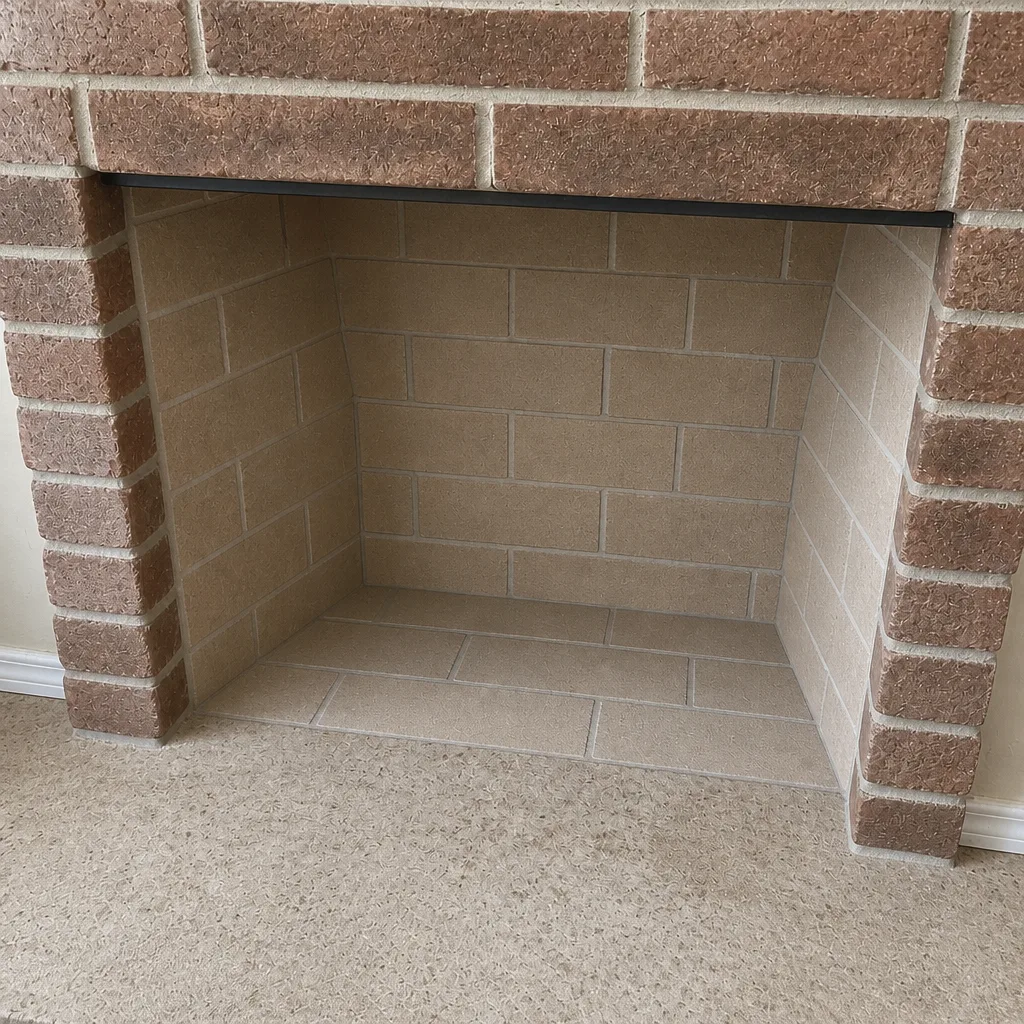
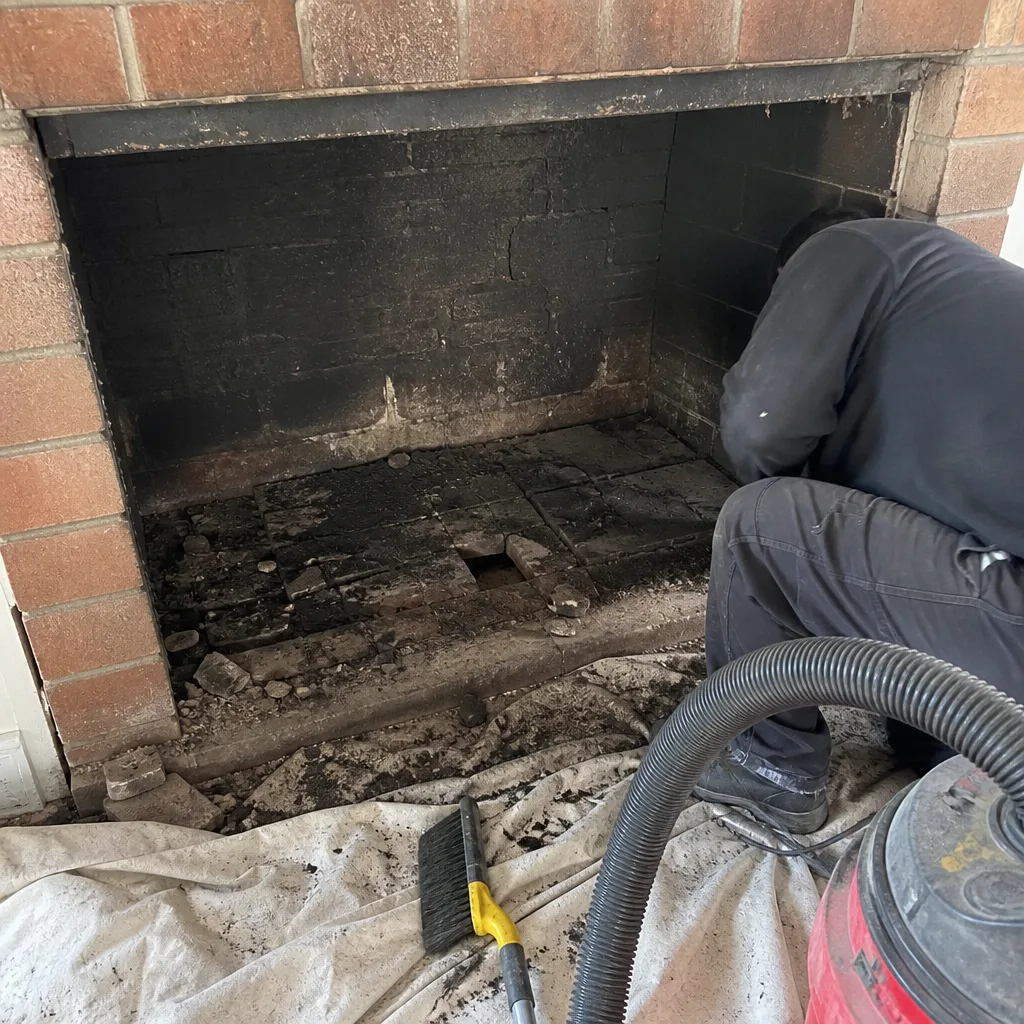
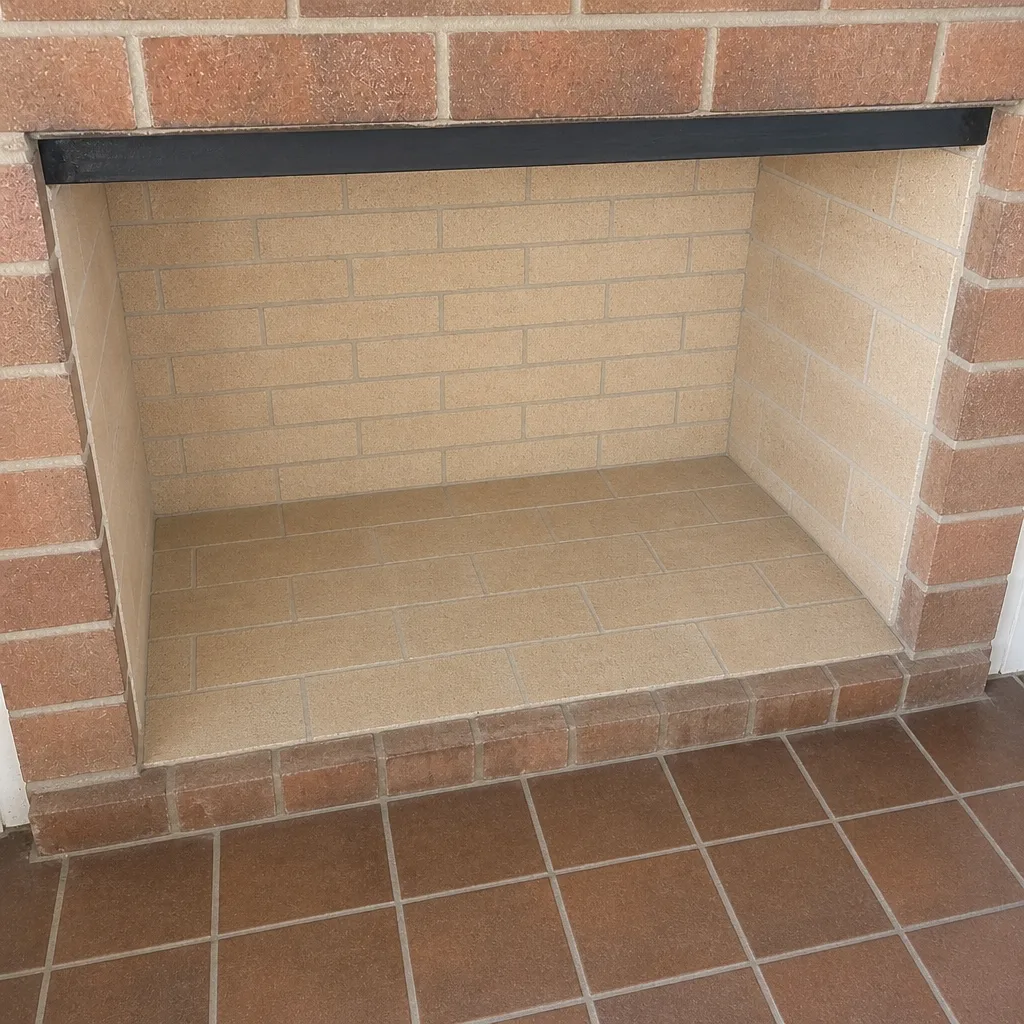
See the difference
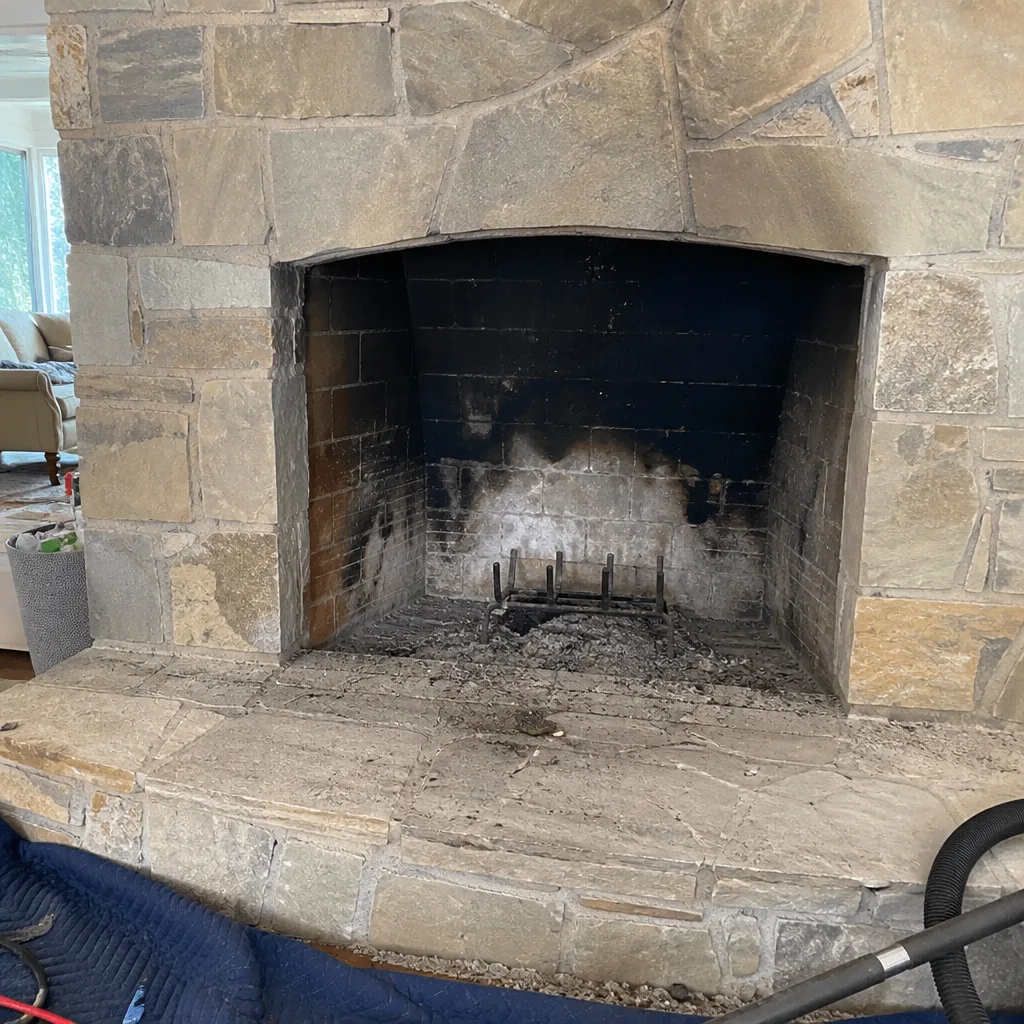 Before
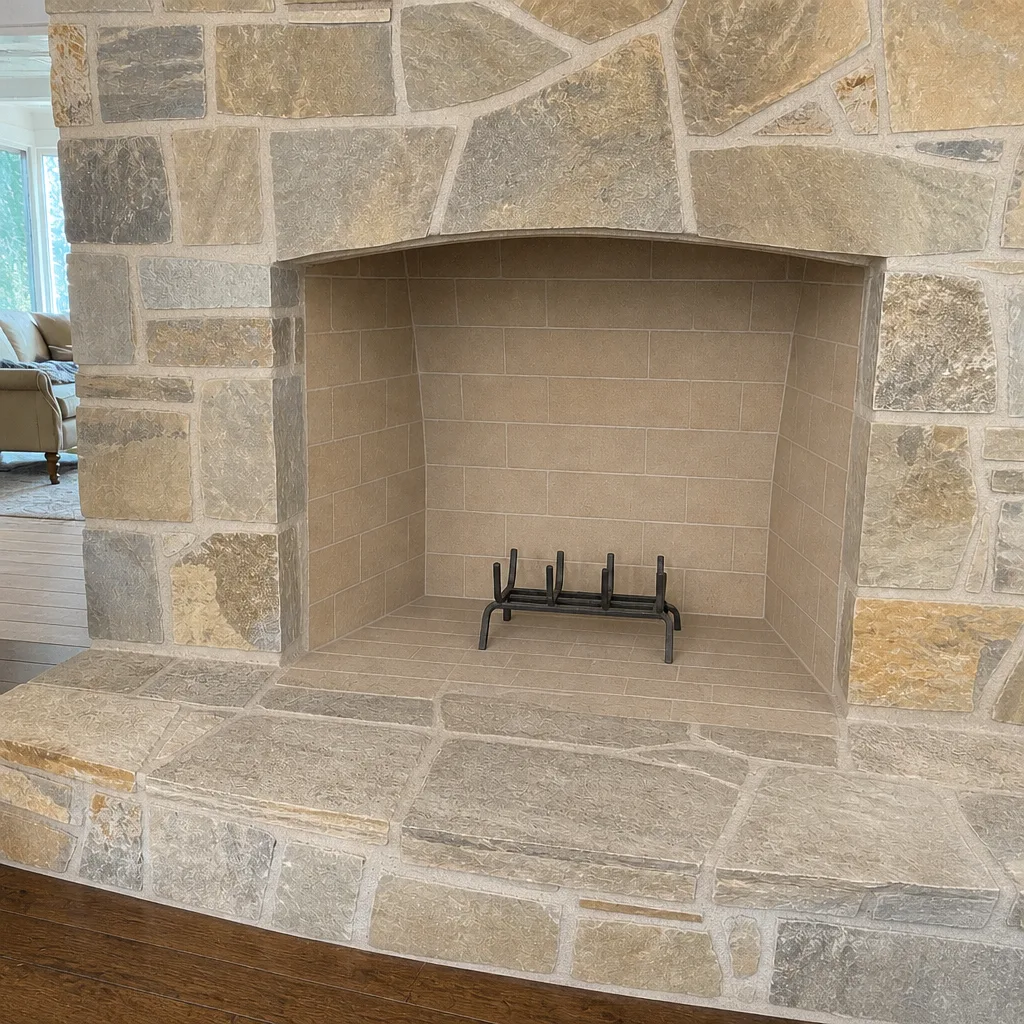 After
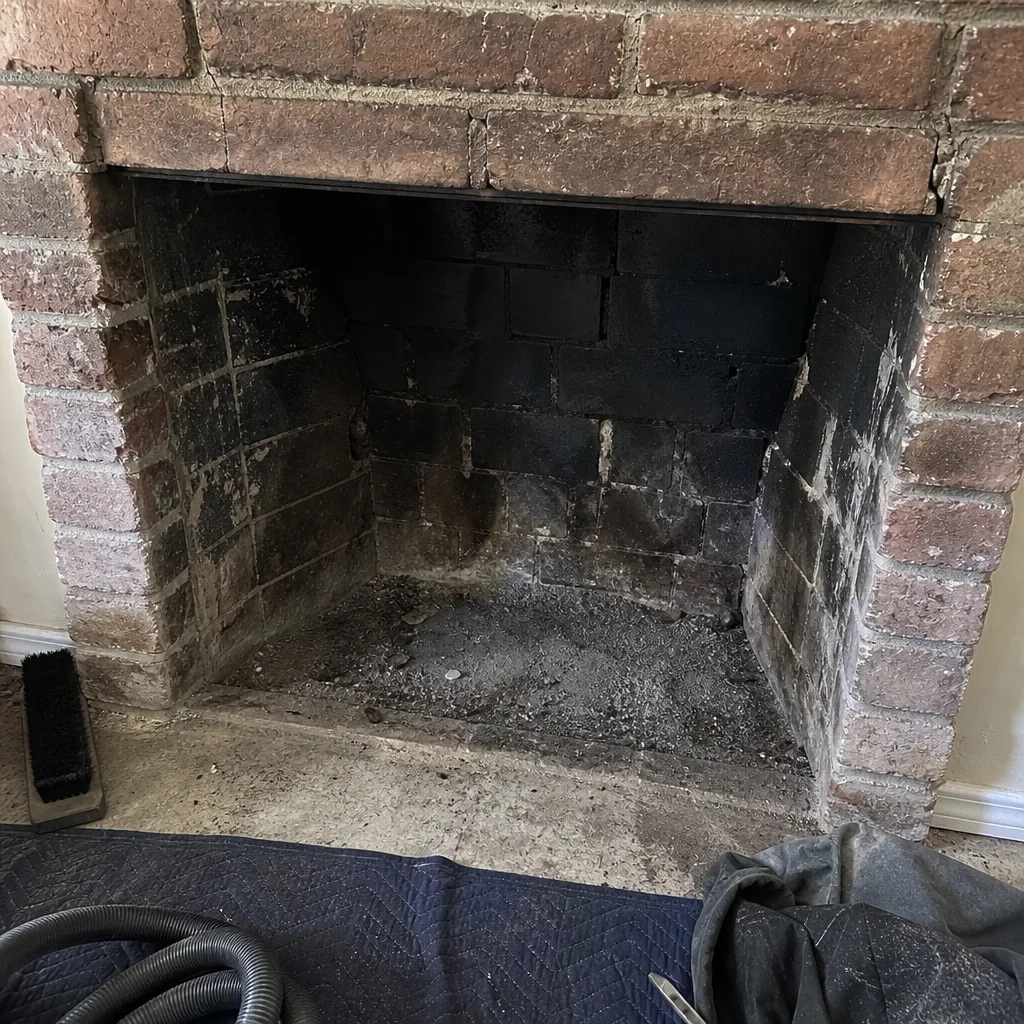 Before
 After
 Before
 After
When to Call a Professional
Call a professional after any suspected chimney fire, obviously. The less obvious triggers are the ones homeowners tend to put off. Smoke that rolls back into the room when you light a fire, a draft that has changed from one season to the next, a smell of smoke in the house when the fireplace is not lit, a cap that has come loose, and a fireplace that has been dormant for a year or more all warrant a sweep and inspection. A gas insert with no service history is another reason. And the annual sweep itself is the appointment that keeps the rest of the list from becoming a problem. Chimney Sweep San Juan Capistrano offers free estimates in San Juan Capistrano – call (844) 451-2583. We answer 24/7. Fast dispatch from 7am to 7pm, Sunday through Friday.
Frequently Asked Questions
A chimney fire sounds like a freight train, a low-flying plane, or rolling thunder in the flue, and it keeps getting louder after you stop adding wood. A strong draft rises and settles with the fire. If the noise does not settle, treat it as a chimney fire, call 911, close the damper, and get everyone out. Call (844) 451-2583 for an inspection once the fire department clears the chimney.
Yes. A Level 2 inspection is the inspection that looks at the flue, liner, connections, and surrounding structure for heat damage, and it is what confirms the chimney is safe to use again. It is not optional after a fire. Call (844) 451-2583 to book one; the estimate is free.
Put one near every sleeping area and on each level that has a fuel-burning appliance or a sleeping area, plus a source detector in the room with the gas insert or furnace. Follow the manufacturer’s mounting instructions and check the service date on the back. If your detectors are past their service life, replace them; call (844) 451-2583 if you also want an inspection of the gas insert’s vent.
Carbon monoxide comes from combustion gases that cannot vent, and it can come from a dormant, blocked, or cracked flue just as a chimney fire can, but with no noise or visible signal. The risk is compounded in homes where a gas insert or older prefab system has no service history. A working detector near the sleeping area plus an annual sweep and inspection covers both. Call (844) 451-2583 to book the inspection.
Yes. After a loss, an insurer will ask for proof that the chimney was maintained, and a written sweep and inspection report with a date and findings is that proof. Keep the report, not just the receipt. If you have no record, start one with an inspection; call (844) 451-2583 for a free estimate.
Call 911 first, close the damper, close the firebox door, get everyone outside, and do not open the firebox door again until the fire department has cleared the chimney. Treat it as a fire even if you are unsure. Call (844) 451-2583 afterward to book the Level 2 inspection before you use the fireplace again.
The Bottom Line
The emergency most San Juan Capistrano homeowners prepare for is a chimney fire. The emergency more likely to find them is carbon monoxide, and it is the one you cannot react to in the moment. That is the whole point of this guide: the loud high-heat event has a clear sequence you can learn in two minutes, and the silent one is prevented months ahead by a working detector near the sleeping area, a clear flue, and a fireplace that has been swept and inspected. Keep the record of every sweep and inspection. Use the gas insert and the older prefab system with the same attention as the wood fire. If you are not sure where your chimney stands, a free estimate and an inspection are the place to start.
Contact
Chimney Sweep San Juan Capistrano handles the full chimney lifecycle in San Juan Capistrano, from the sweep and inspection through cap and crown work and structural repair, with professional-grade brands like HeatShield, Gelco, Olympia Chimney, and Famco on the jobs that call for them. We answer 24/7. Fast dispatch from 7am to 7pm, Sunday through Friday. Call (844) 451-2583 for a free estimate, and we will get your chimney checked, documented, and ready for the season.
Written by the team at Chimney Sweep San Juan Capistrano.