
Last updated November 25, 2026
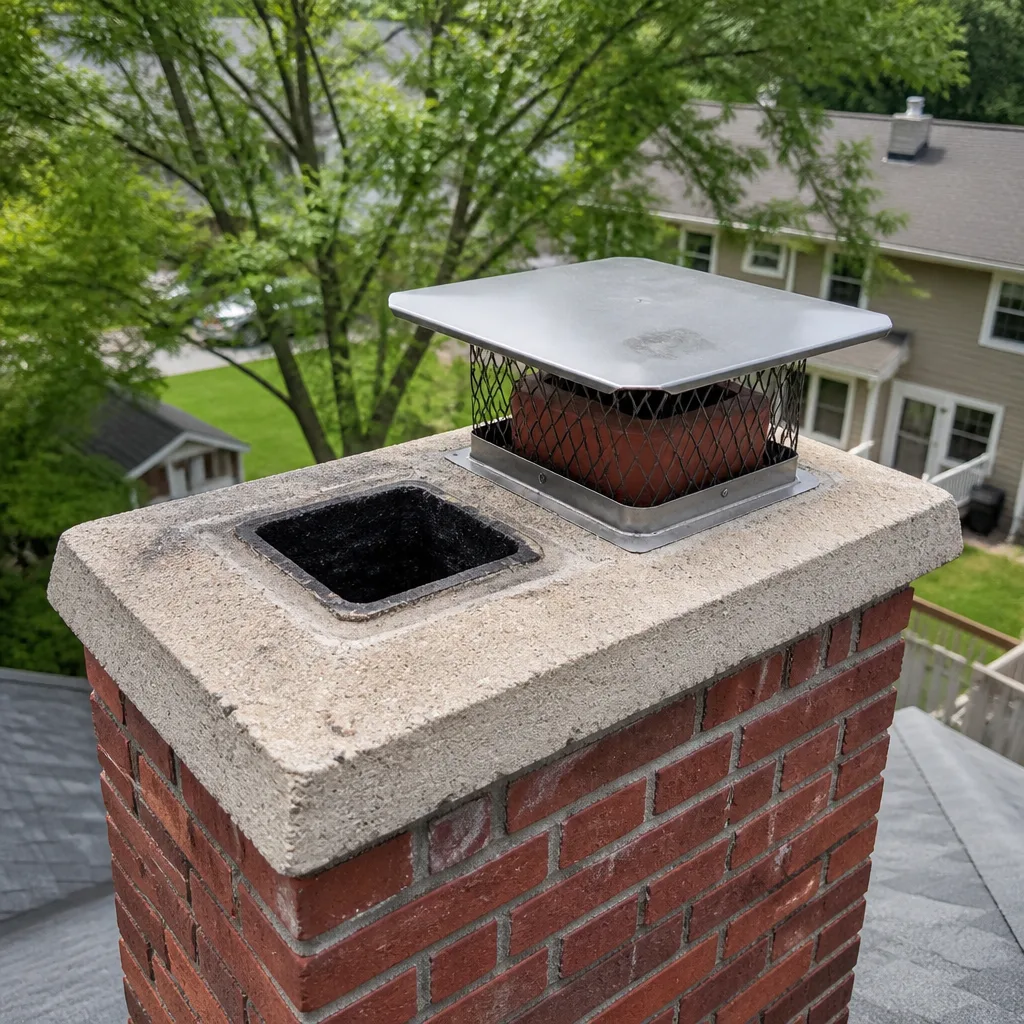 Sweep & inspection
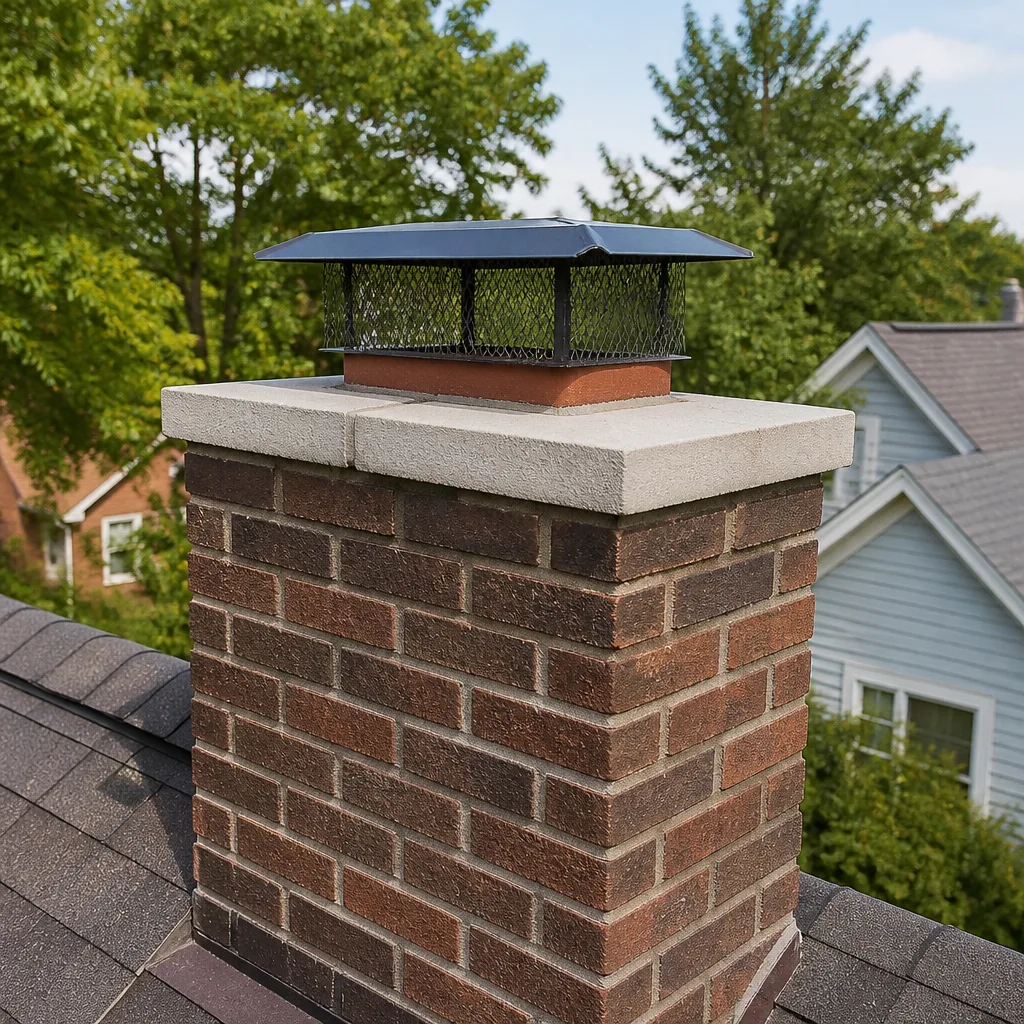 Caps & crowns
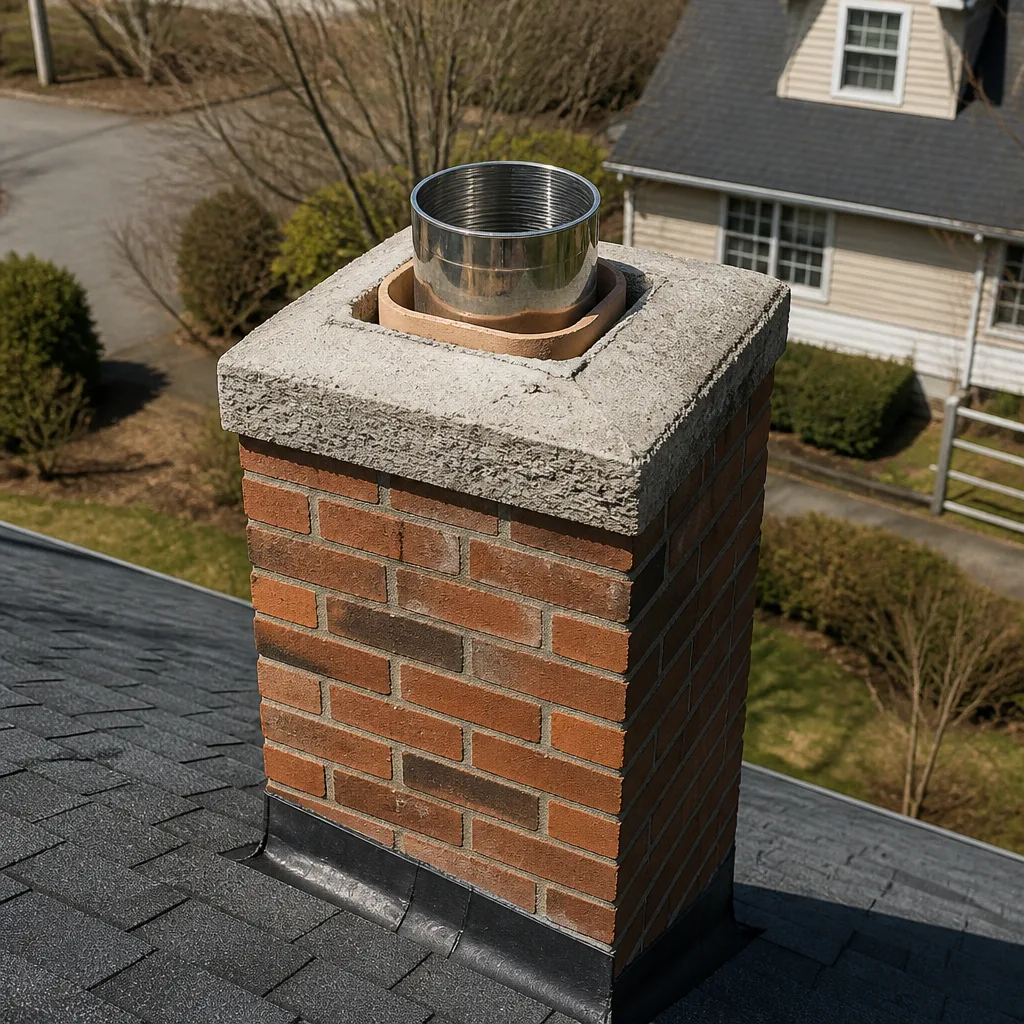 Flue relining
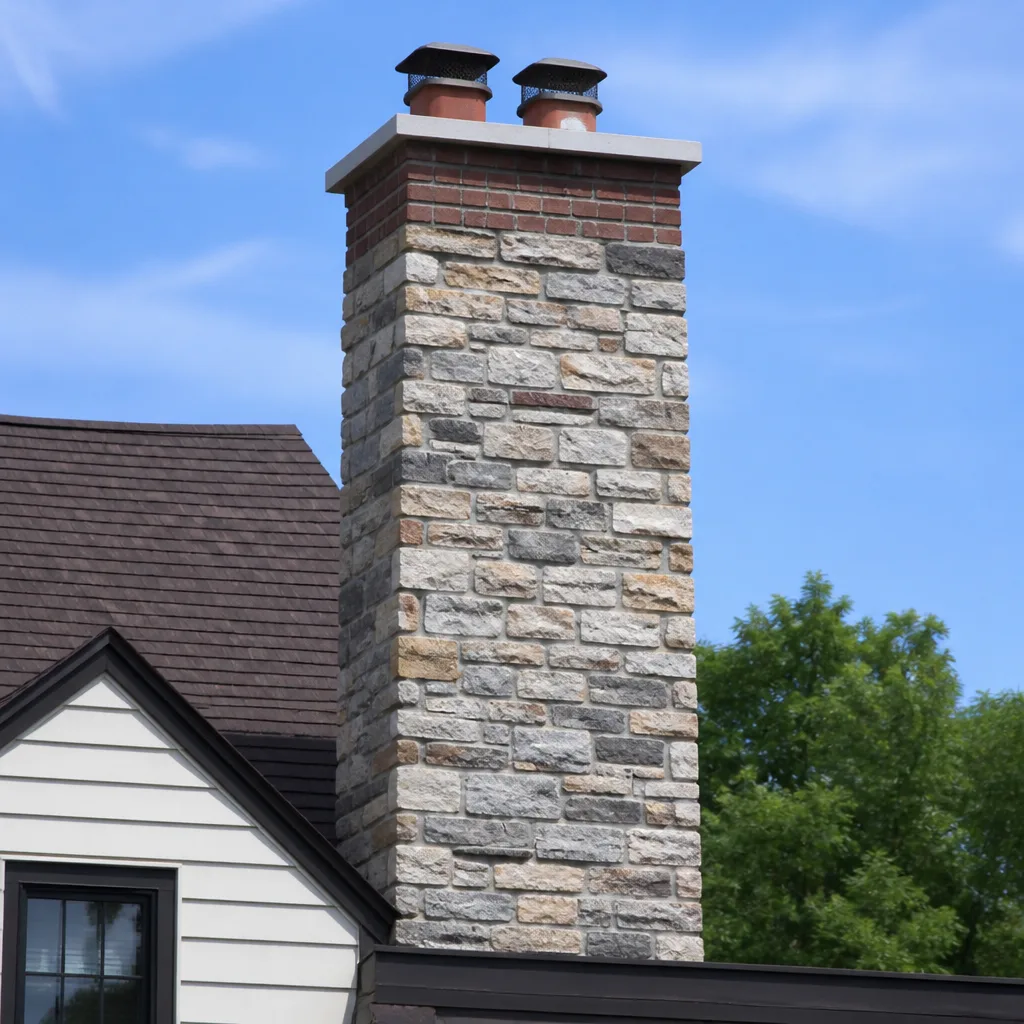 Masonry repair
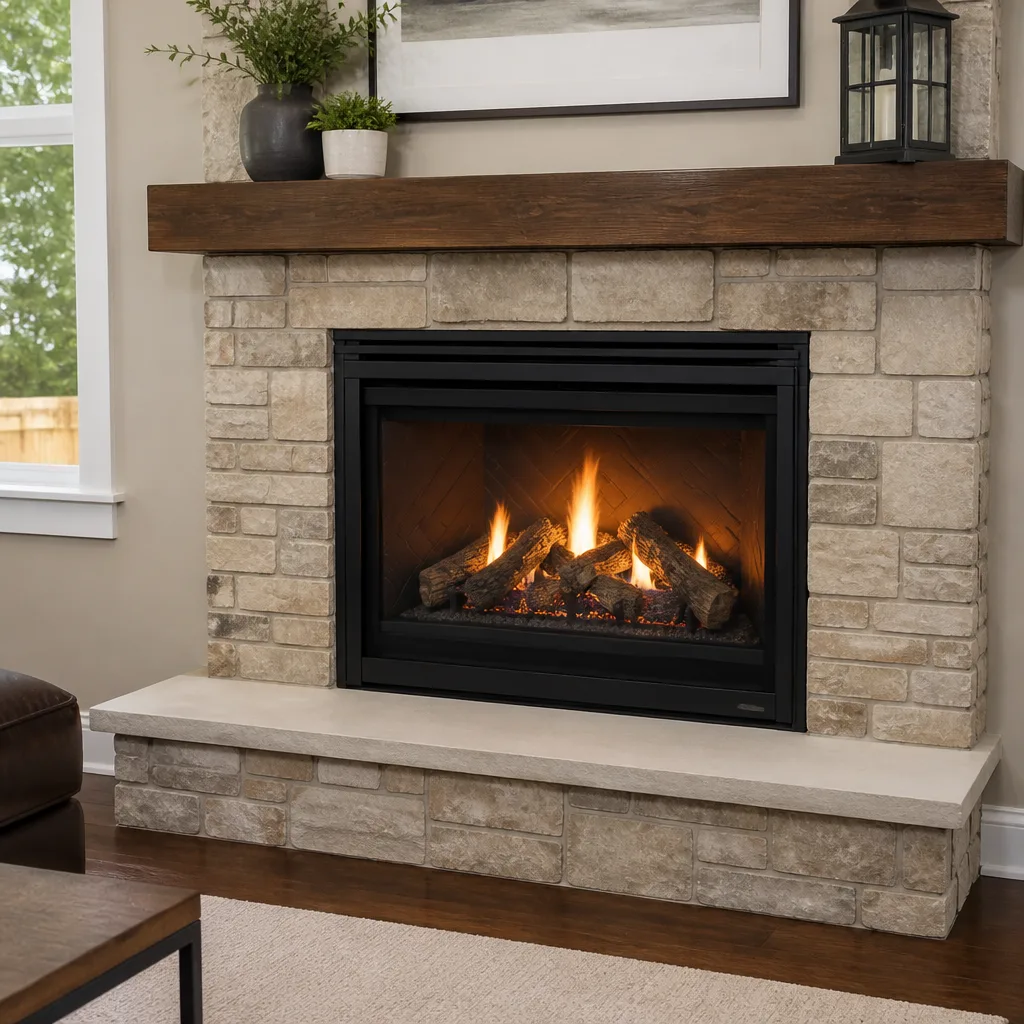 Gas fireplace service
Level 1 sweep and inspection to the NFPA 211 annual standard - flue, crown, cap, and flashing checked and photographed
Chimney sweep logs do not sweep chimneys. They loosen some creosote - which then falls where a brush and vacuum still have to collect it.
Chimney Sweep Troubleshooting in San Juan Capistrano: Common Problems and How to Fix Them
Smoke rolling back into a living room is usually blamed on a dirty flue. Often it isn’t. In a tightly built modern home, a fireplace can be perfectly clean and still backdraft, because the house is sealed so well that the chimney can’t pull air up and out. Cleaning changes nothing; the pressure balance does. That gap between what a symptom looks like and what’s actually causing it is where most chimney guessing goes wrong, and it’s exactly what this guide closes. You’ll learn to tell a blockage from a draft failure, read creosote as a diagnostic signal, spot humidity-driven deterioration unique to this part of San Juan Capistrano, and know which problems are one-time fixes versus warnings of a structural fault. By the end you’ll walk into any service call already understanding what’s likely happening and what a real fix should involve.
Quick Answer
Most chimney problems in San Juan Capistrano come down to one of five root causes: a blockage, a draft or pressure failure, moisture-driven masonry deterioration, a failing flue liner, or a worn cap and crown. The symptom tells you which one you’re dealing with, and matching the symptom to the cause is what separates a cleaning from a repair. A blocked flue needs a sweep, a backdrafting flue often needs ventilation work, spalling masonry needs moisture correction and resurfacing, and a cracked liner needs relining or ceramic resurfacing before it’s used again.
Styles & brands we work with
- Sweep & inspection
- Caps & crowns
- Flue relining
- Masonry repair
- Gas fireplace service
Table of Contents
- How Do You Tell a Draft Problem From a Blockage Problem?
- Why San Juan Capistrano Humidity Causes Spalling and Efflorescence
- Reading Creosote Type as a Diagnostic Tool
- What Negative Pressure Means in a Tightly Sealed San Juan Capistrano Home
- One-Time Fix or Recurring Structural Problem?
- Cap and Crown Failures and What Actually Fixes Them
- Liner Problems: When Resurfacing Beats Full Relining
- Building a Realistic Maintenance Schedule for a San Juan Capistrano Home
How Do You Tell a Draft Problem From a Blockage Problem?
You can separate the two before you call anyone, and knowing which you have saves a wasted service visit. A blockage means airflow is physically interrupted: something is sitting in the flue. A draft problem means the flue is clear but air isn’t moving the way it should, usually because pressure, temperature, or geometry is working against it. The two produce different smoke patterns and respond to different fixes.
Here’s a simple at-home test sequence that tells you which one you’re facing:
- The smoke-pattern test. Light a small bundle of newspaper or a smoke test candle near the open damper and watch where the smoke goes. If it drifts up and out steadily, the flue is pulling. If it hovers, curls back into the room, or puffs out in bursts, you’re looking at a draft issue, not necessarily a blockage.
- The cold-flue check. A cold chimney has no upward draft until it warms up, which is why the first few minutes of a fire often smoke. Hold a lit match near the damper. Steady pull upward suggests a clear but cold flue; no pull at all suggests a blockage or a pressure problem above.
- The room-pressure check. Crack a window a couple of inches in the same room and relight your test smoke. If the smoke suddenly starts rising, you’ve confirmed a negative-pressure (draft) problem, covered further down.
- The look-up test. With a flashlight and the damper open, look up the flue. You won’t see far, but a visible nest, leaves, or a dark, glossy buildup at the smoke shelf points toward a blockage or heavy creosote.
If the window test fixes the draft, you have a ventilation issue, not a dirty chimney, and a sweep alone won’t solve it. If smoke still backs up with a window open, suspect a genuine obstruction: a bird or squirrel nest, a collapsed liner tile, or a cap that’s clogged. That’s when a professional inspection earns its keep. When you’re ready to have it looked at, this is the point to book a chimney sweep so the technician can camera the flue and confirm what the smoke is telling you.
Why San Juan Capistrano Humidity Causes Spalling and Efflorescence
Chimney deterioration in San Juan Capistrano doesn’t look like the freeze-thaw damage described in most national chimney guides, because that’s not what happens here. Our winters are mild; the enemy isn’t ice, it’s moisture that never fully leaves. Inland guides warn about frost splitting brick. Here, the process is slower and driven by humidity and the marine layer that settles over the valley, working on masonry that stays damp longer than it should.
Two failure patterns show up again and again on chimneys here:
- Efflorescence is the white, powdery staining that appears on brick and mortar as moisture migrates through the masonry and evaporates at the surface, leaving mineral salts behind. It’s cosmetic in its early stage but it’s a reliable indicator that water is entering somewhere it shouldn’t.
- Spalling is when the face of a brick flakes, peels, or pops off entirely. That happens when water gets inside the brick, expands as it warms, and breaks the surface apart from within. Spalling isn’t cosmetic. Once brick faces are shedding, the masonry is losing structural mass, and mortar joints around those bricks are usually next.
The distinction matters for treatment. Efflorescence usually points to a moisture source you can stop: a failed crown, a missing or undersized cap, cracked mortar joints letting rain in, or a chimney that’s simply shedding water into its own brick because it was never sealed properly at the top. Spalling means the damage has already started inside the brick, and the fix is structural: repointing mortar, replacing spalled units, correcting the crown, and resurfacing where the flue is affected.
This is where the cap and crown become more than trim. A properly fitted cap keeps rain and animals out while letting exhaust escape; a sound crown sheds water away from the chimney top instead of letting it pool and soak down into the masonry. On San Juan Capistrano homes we see caps that were sized for a different flue, or crowns that cracked years ago and were never repaired. Both funnel water into the exact spots that cause efflorescence and spalling. Correcting them is the difference between a cosmetic cleanup and stopping the decay at its source. For the repair side of that work, see our chimney repair service.
Reading Creosote Type as a Diagnostic Tool
Most homeowners hear “creosote” and think only of cleaning. It’s actually one of the most useful diagnostic signals a chimney gives you, because the type and stage of creosote tells you how the fireplace has been burning and how urgent the situation is. There are three stages, and they mean very different things.
- Stage 1 creosote is a light, sooty, flaky dust. It brushes off easily during a routine sweep and is the normal byproduct of regular burning. Seeing Stage 1 tells you the fire is burning reasonably well, and a standard cleaning is all that’s needed.
- Stage 2 creosote is a crusty, flaky, or tar-like deposit that clings to the flue walls and doesn’t brush away cleanly. It suggests cooler, smoldering fires, wet or unseasoned wood, or restricted airflow. Stage 2 is where a routine sweep turns into a more deliberate cleaning, and where you start asking why the fire isn’t burning hot enough.
- Stage 3 creosote is a thick, glossy, hardened glaze, often called glazed creosote. It’s the most combustible form and the hardest to remove, typically requiring specialized cleaning or, in severe cases, chemical treatment before it can be addressed. Stage 3 is a red flag that the fireplace has been running inefficiently for a long time, and it’s a genuine safety concern.
Read as a diagnostic, Stage 2 and 3 creosote are telling you something beyond “clean me.” They’re pointing at the burn itself: too much smoke, not enough heat, poorly seasoned wood, a damper that’s not opening fully, or a flue that’s undersized for the firebox. Fixing the cleaning without fixing the burn means the glaze comes back. In our experience across San Juan Capistrano, homes with long-dormant fireplaces that get fired up again after years often show advanced creosote right away, because the flue was never cleaned and the first fires burned cold and smoky.
This is also where a camera inspection pays off. The technician can show you exactly what stage of creosote is lining the flue, how far up it goes, and whether it’s paired with cracked tiles or a failing liner. Nothing gets recommended that you can’t see for yourself on the camera. If the buildup is years old, our chimney sweep San Juan Capistrano service starts with that inspection and photo report before any cleaning begins.
What Negative Pressure Means in a Tightly Sealed San Juan Capistrano Home
This is the most misunderstood chimney problem we encounter, and it’s the one the opening of this guide flagged. Negative pressure simply means the air pressure inside your home is lower than outside, so instead of the chimney pulling smoke up and out, the house pulls air (and smoke) back in through the fireplace. In a tightly sealed, well-insulated home, this happens more often than people expect, and it has nothing to do with how clean the chimney is.
Several common household conditions create it:
- Exhaust fans running – kitchen range hoods and bathroom fans pull air out of the house, and if the house is sealed tight, that air has to come from somewhere. Often it comes down the chimney.
- Clothes dryers venting indoors-bound air create the same imbalance while they run.
- Modern weatherization – new windows, added insulation, and sealed doors reduce the natural air leakage that older homes relied on to feed a fire.
- Stack effect in multi-story homes – warm air rising through the house and escaping at the top can depressurize the lower floors where the fireplace sits.
- A cold flue with no established draft – a chimney that hasn’t warmed up can’t pull, so a sealed house wins the pressure battle until the fire is hot.
Here’s the key insight: negative pressure is a ventilation issue, not a chimney issue. Cleaning the flue won’t fix it, and replacing the cap won’t fix it. The fix is usually a small outside-air source or a pressure-relief measure that lets the fireplace draw properly. A chimney professional can confirm the diagnosis and rule out a genuine blockage, but the solution often involves the home’s air balance as much as the chimney itself. Getting that distinction right prevents the frustrating cycle of cleaning a chimney that was never the problem. If you suspect negative pressure, have it diagnosed before spending money on anything else.
One-Time Fix or Recurring Structural Problem?
A chimney problem that returns after a repair is telling you the repair treated a symptom, not a fault. Learning to tell the difference is the single most useful troubleshooting skill a homeowner can develop, because it stops you from paying twice for the same issue. The pattern to watch is recurrence: the same symptom in the same location, coming back within a season or two, almost always points to structure underneath.
Use these markers to sort a one-time fix from a structural problem:
- One-time: a single creosote cleaning after years of neglected burning; a bird nest removed from the flue; a cap replaced because it was the wrong size; a cracked crown repaired after a storm.
- Structural: efflorescence or spalling that returns after cleaning and resealing; mortar joints that keep crumbling despite repointing; a draft problem that comes back every heating season; smoke that backs up no matter how clean the flue is; a liner that shows new cracks after a previous repair.
A recurring symptom signals that the underlying cause, whether moisture intrusion, liner failure, or pressure imbalance, is still active. Resealing brick that keeps efflorescing is the classic example: if the crown is still funneling water into the masonry, the salts will return. Repointing mortar joints that keep spalling is another: if the brick faces are failing, new mortar around failing brick doesn’t hold.
The reason this distinction is worth understanding before you call is that it changes the conversation. A structural problem needs diagnosis first, which is why an inspection that leads to repair under one company matters. Splitting diagnosis and repair between two contractors is how recurring symptoms get missed; the company that cameras the flue should be the one that fixes what the camera found. That’s the model we work from: from the first sweep to structural repair, handled by one specialist. Our technicians have up to 11 years of experience reading these patterns, and the camera evidence is always shown to you before any work is recommended.
Cap and Crown Failures and What Actually Fixes Them
The cap and crown are where most chimney water damage starts and where most of it can be stopped. They sit at the very top of the chimney, fully exposed to weather, and they fail slowly in ways homeowners rarely see from the ground. A failing cap or crown is one of the most common root causes behind the spalling and efflorescence described earlier in this guide.
What each component does and how each typically fails:
- The chimney cap sits on top of the flue and serves three jobs: it keeps rain from pouring straight down the flue, it keeps animals and debris out, and it channels the flue’s geometry so exhaust escapes cleanly. Caps fail when they’re undersized, rusted, loose, or simply missing. A missing or wrong-sized cap is often the origin of a network of downstream problems.
- The chimney crown is the sloped concrete or masonry surface at the very top of the chimney structure. Its job is to shed water off the top and away from the sides. Crowns fail by cracking, which is common as the material ages, and once cracked, water runs into the crack, down through the masonry, and shows up as efflorescence or spalling months later.
The fix for a failed cap isn’t a generic hardware-store substitute. Caps need to be engineered for the specific flue size and venting geometry, which is why we use Gelco and Famco components on cap and crown work, purpose-built for weather sealing and proper draft performance. A cap that fits wrong can actually worsen a draft problem. A crown that’s patched instead of properly rebuilt will crack again in the same place. And a cap that’s the right size but the wrong material can rust out within a few seasons.
The troubleshooting logic is simple: if you see water damage on the masonry, look up first. Before anyone reseals brick or repoints mortar, confirm the cap and crown are sound. Repairing the masonry without fixing what’s funneling water into it is the definition of treating a symptom. Cap and crown work is where the moisture problem stops, and it’s worth getting right the first time.
Liner Problems: When Resurfacing Beats Full Relining
A flue liner is the barrier between the fire and the structure of the chimney. When it fails, it’s a genuine safety matter, because a cracked or deteriorated liner allows heat and combustion gases to reach the chimney’s masonry and the house beyond. Liner problems are also among the most misdiagnosed, because not every compromised liner needs to be replaced outright.
The symptoms of a failing liner are worth knowing:
- Cracked, spalling, or missing clay flue tiles visible on camera
- Creosote or moisture stains on the outside of the chimney where gases are escaping
- A draft problem that won’t resolve with cleaning or ventilation correction
- A strong or persistent odor from the fireplace area
- Pieces of tile or mortar found at the bottom of the firebox
The most important troubleshooting call here is deciding between resurfacing and full relining. A liner that’s lost its smooth interior surface or has isolated gaps, but is structurally intact, can often be restored with the HeatShield ceramic resurfacing system, which rebuilds the flue’s interior integrity without a full reline. Many generalist companies don’t offer this because it requires the specialized system and the training to apply it correctly. When the liner damage is more extensive, or where the flue needs a new continuous barrier, a DuraFlex stainless liner rated for wood, gas, and oil appliances is the professional-grade answer.
This is a decision that should be made on camera evidence, not guesswork. The technician should show you the flue interior and explain what they see: whether the tile is intact and resurfaceable, or whether it’s failed and needs replacement. Full relining is sometimes genuinely necessary. But it’s also sometimes recommended when resurfacing would have done the job, and homeowners deserve to see the evidence that separates those two cases. Liner work is one of the five core services we handle, so the same specialist who diagnoses the problem resolves it. You can read more about the structural side on our chimney repair page.
Building a Realistic Maintenance Schedule for a San Juan Capistrano Home
A realistic schedule here isn’t about rigid calendar dates; it’s about matching the schedule to how you actually use the fireplace and how the chimney responds to this climate. A San Juan Capistrano home that burns often needs different attention than one with a gas insert that’s used a few times a year. Building the schedule around use, with the humidity factor built in, is what prevents the recurring problems covered above.
A workable approach for most homes here:
- Base the sweep on burn volume, not a fixed date. Heavy use warrants a cleaning at the start of burning season. Light use can stretch further, but the flue should still be inspected at least once a year, even if it looks fine from the firebox.
- Inspect before the first burn of the season. Sitting dormant through the damp months is when moisture does its work, so the inspection catches efflorescence, spalling, or a cracked crown before you light a fire.
- Check the cap and crown every season. This is the moisture entry point. A visual check from the ground and a proper look from the top catch most failures early, before they spread into the masonry.
- Watch for the symptom pattern between visits. Efflorescence returning, spalling on the brick face, smoke that backs up despite a clean flue, or a draft that gets worse after weatherization work all warrant an inspection before the season, not after.
- Handle liner concerns promptly. A cracked liner isn’t a “next year” problem. If you’ve noticed stains, odors, or tile fragments, get it looked at before the next fire.
For gas fireplaces, the schedule is lighter on creosote but no less important on inspection, because gas units don’t produce creosote but do produce condensation and can suffer from hidden blockages. For wood-burning fireplaces, the creosote stage you see on camera is your best guide to how often a cleaning is due.
Common mistakes homeowners make on maintenance:
- Waiting until smoke backs up before scheduling anything, when efflorescence or spalling was already warning months earlier.
- Resealing brick that keeps efflorescing without first fixing the cap or crown funneling water into it.
- Assuming a clean flue means a healthy chimney; the liner and crown can fail whether or not the flue is clean.
- Mixing gas and wood fireplaces in the same mental bucket; they need different inspection attention.
- Skipping the annual inspection because the fireplace “doesn’t get much use.” Low use is exactly when moisture sits unnoticed.
- Treating a recurring draft problem as a cleaning problem, which is the negative-pressure trap described earlier.
Common Mistakes to Avoid
- Blaming every backdraft on a dirty flue. A clean chimney can still backdraft, and cleaning won’t fix negative pressure. Test with a cracked window before you book a sweep for what may be a ventilation problem.
- Resealing masonry without finding the moisture source. Efflorescence and spalling return when the underlying cause, usually a failed cap or crown, is still active. Fix the cause, then repair the surface.
- Assuming a crack in a clay flue tile is cosmetic. It isn’t. A cracked liner lets heat and gases reach the structure of the chimney and should be addressed before the next fire, not patched over.
- Installing a generic hardware-store cap. A cap sized for the wrong flue can worsen drafting or fail within a few seasons. Caps are engineered for venting geometry, not bought by guess.
- Skipping the annual inspection because the fireplace gets light use. In San Juan Capistrano’s humidity, a dormant chimney is where moisture damage does its quiet work. Low use is not low risk.
- Splitting inspection and repair between two contractors. When the company that cameras the flue isn’t the company that fixes it, recurring symptoms get lost in the handoff and you pay for the same diagnosis twice.
- Ignoring a persistent odor or stains on the exterior. Both can signal gases escaping a compromised liner, which is a safety concern, not a cosmetic one.
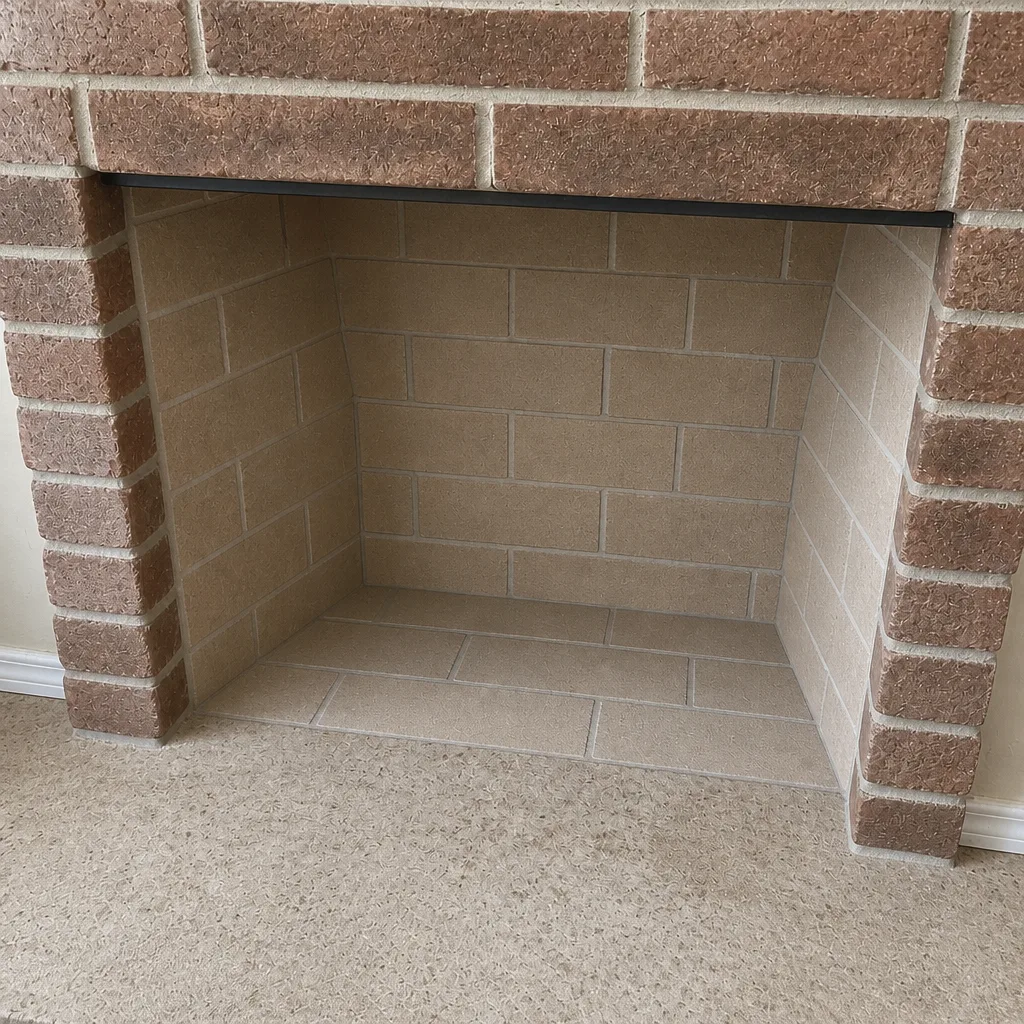
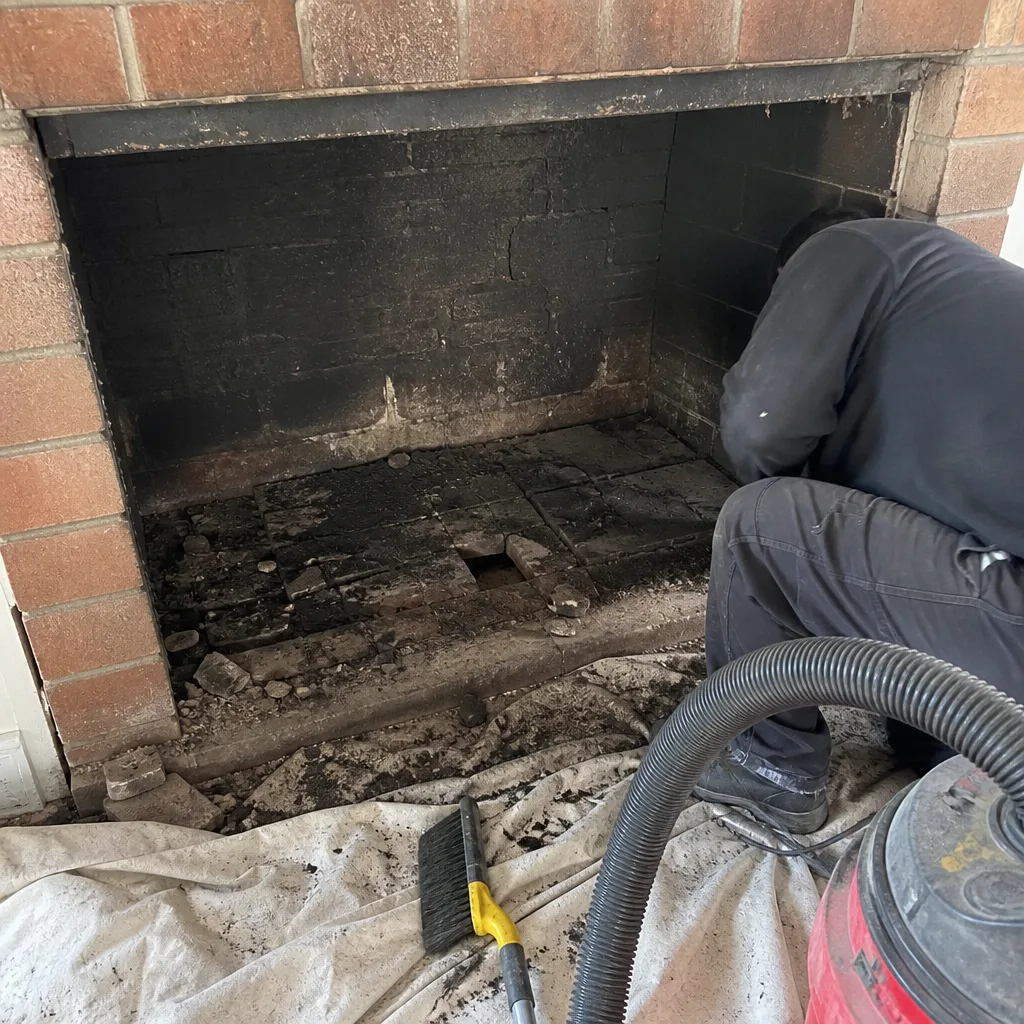
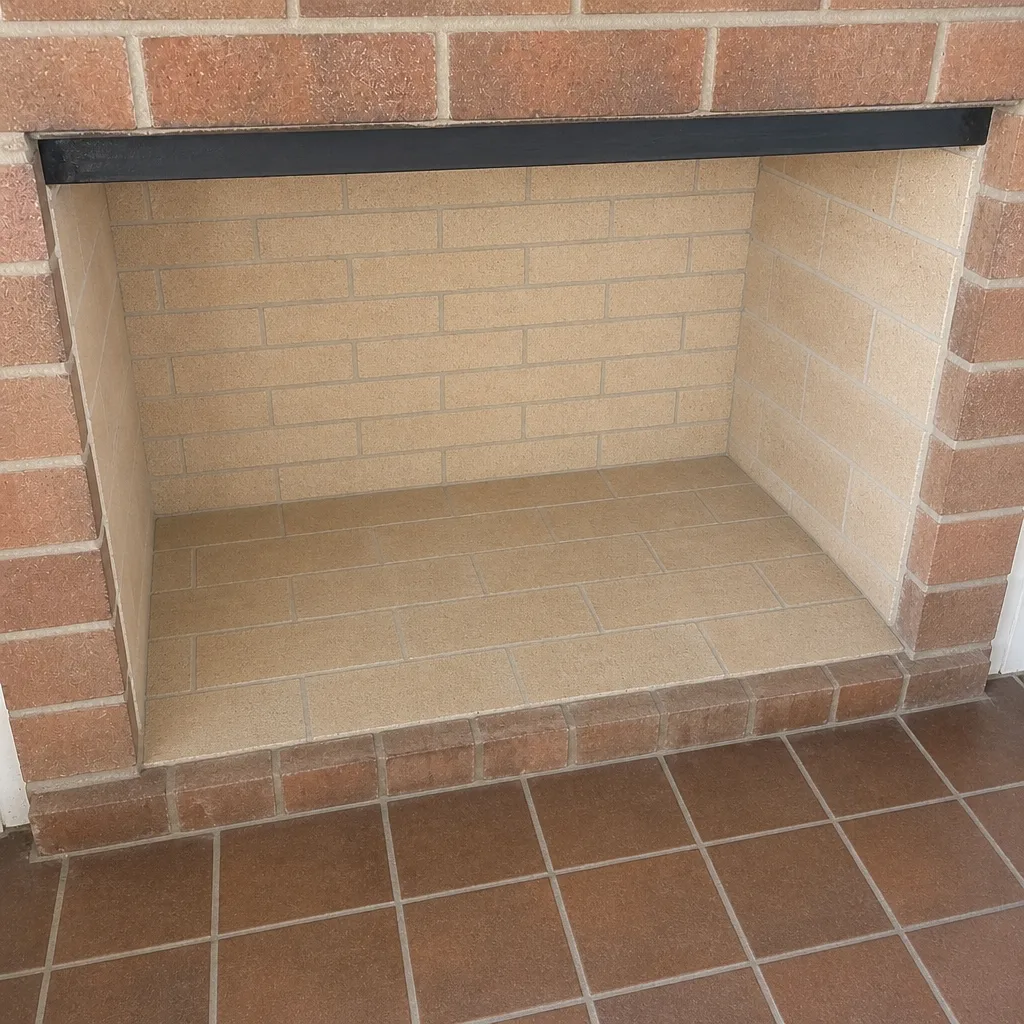
See the difference
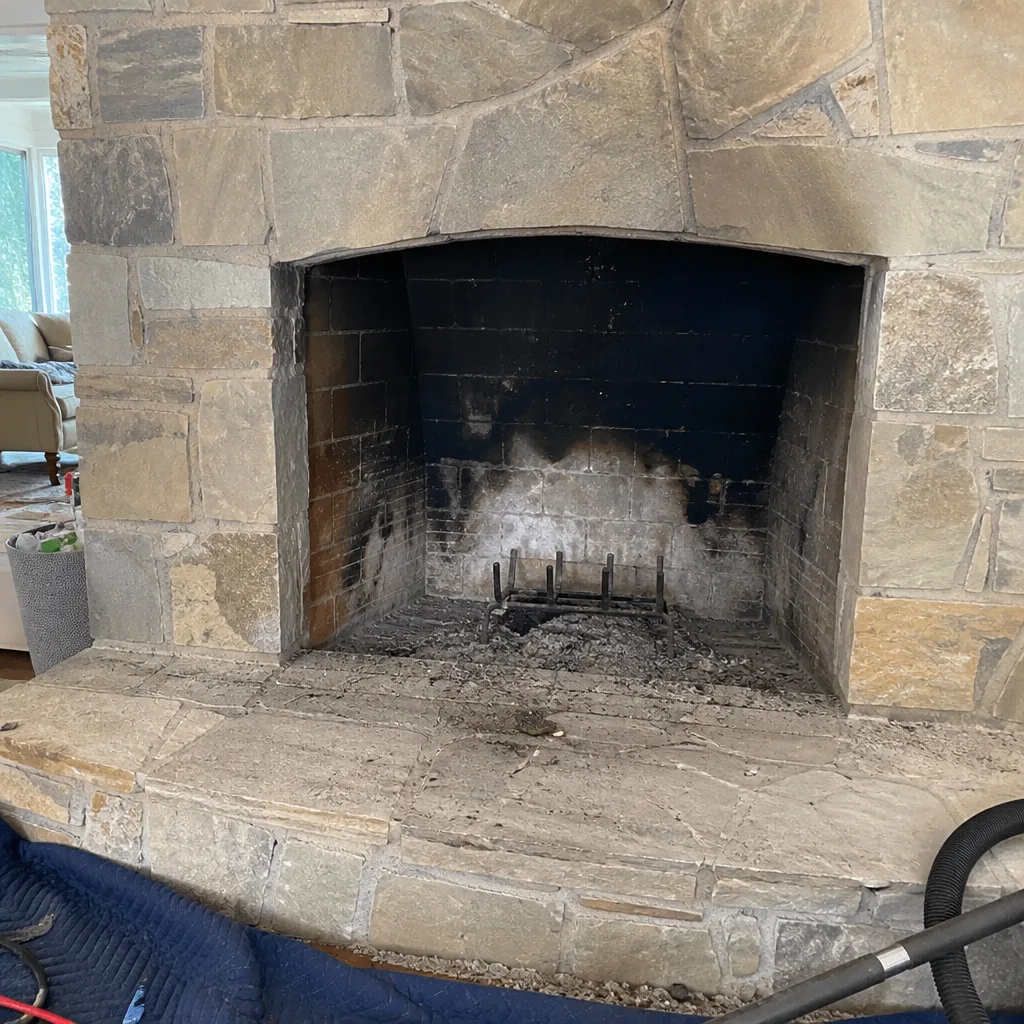 Before
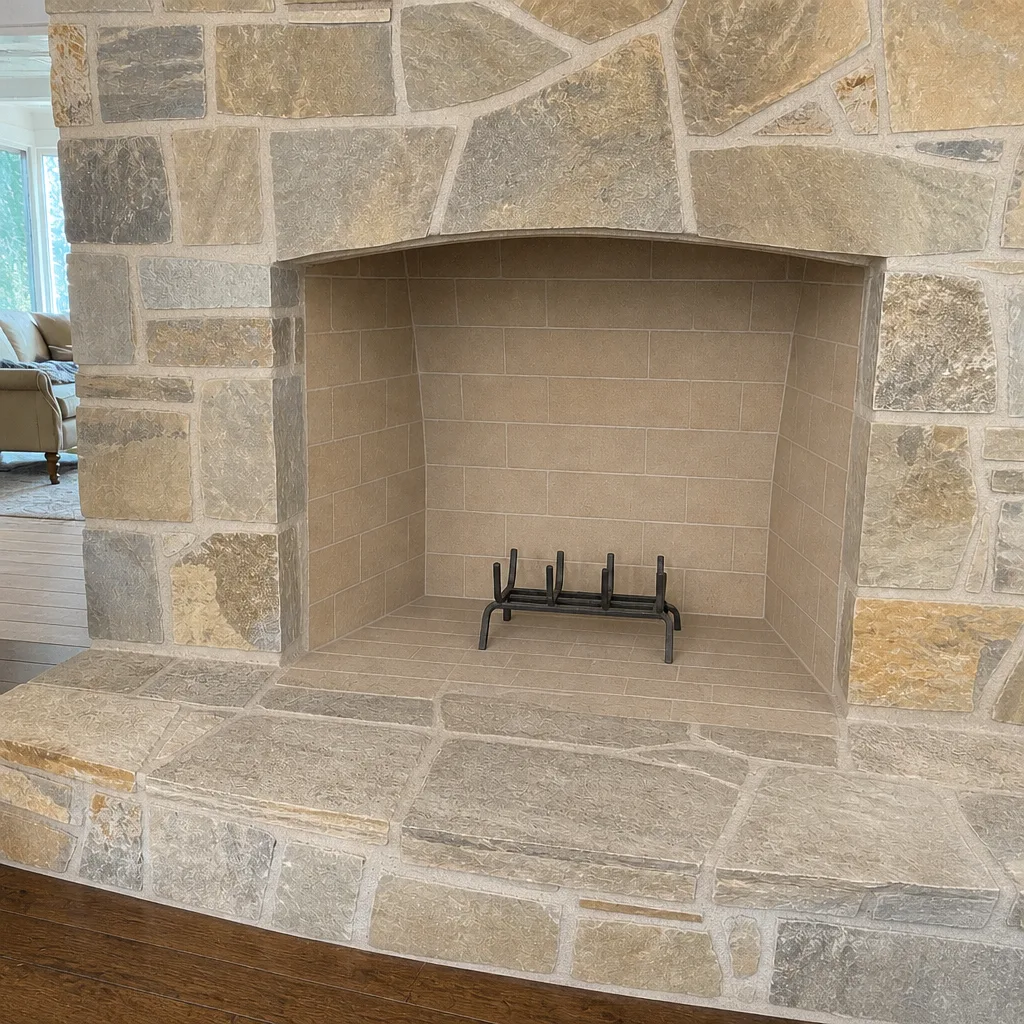 After
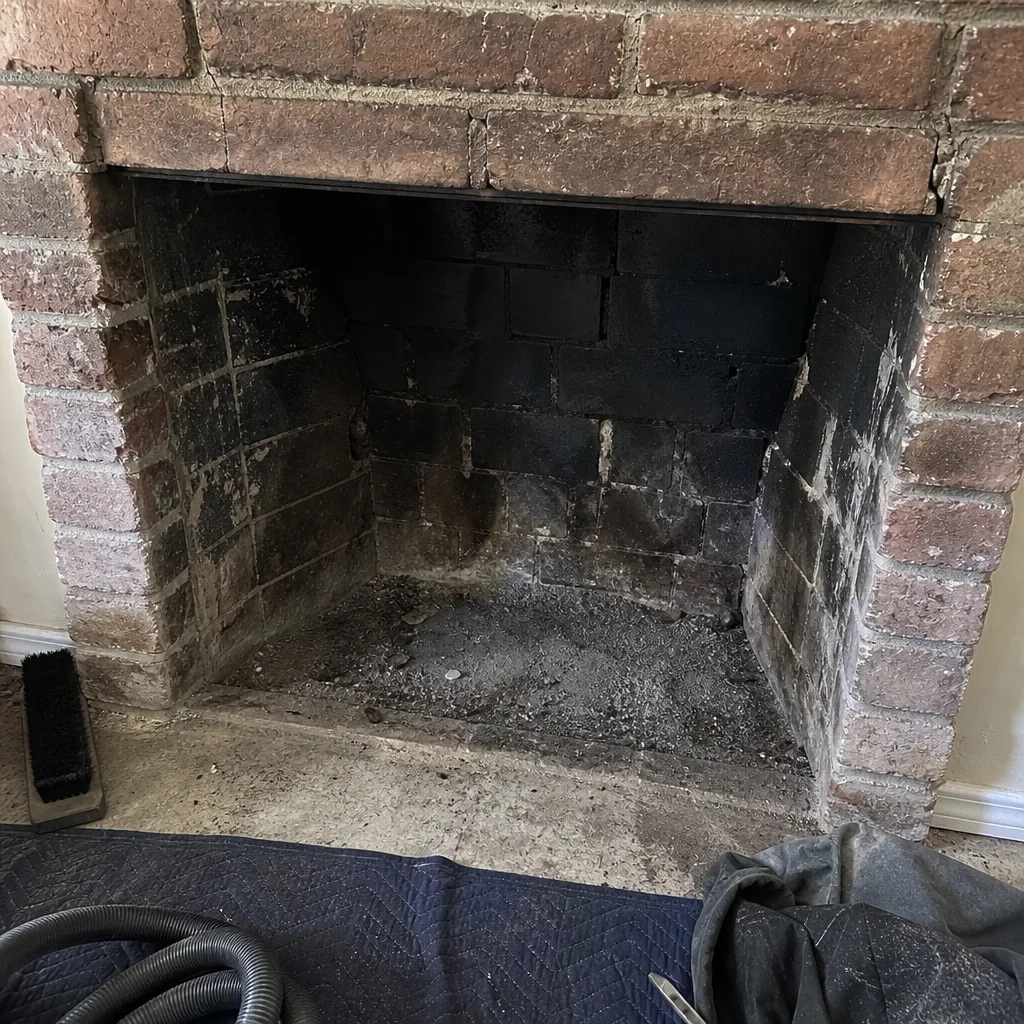 Before
 After
 Before
 After
When to Call a Professional
Some chimney troubleshooting you can do yourself. Some you shouldn’t. If you’ve run the draft-versus-blockage test and a cracked window doesn’t fix the smoke, if you’ve seen efflorescence or spalling return after a previous repair, if there’s a strong odor or exterior staining that suggests gases escaping, or if you’ve found pieces of tile or mortar at the bottom of the firebox, those are calls for a professional. A gas fireplace that won’t light cleanly or shows soot is another. And any recurring symptom, whether draft, smoke, or masonry decay, belongs with someone who can camera the flue and see the interior rather than guess from the firebox. Chimney Sweep San Juan Capistrano offers free estimates in San Juan Capistrano – call (844) 451-2583. A sweep is booked around the season, not the hour, so the priority is getting it done before burning season starts and moisture has its say.
Frequently Asked Questions
The flue should be inspected at least once a year, and swept based on how much you burn and what creosote stage the inspection reveals. A heavily used wood fireplace may need cleaning at the start of each burning season, while light use can go longer between sweeps. What matters most is the annual inspection, which catches moisture damage, liner problems, and cap failures before they become expensive. Call (844) 451-2583 to book a sweep and inspection before the season starts.
Skipping maintenance lets two things progress unnoticed: creosote buildup and moisture damage. Creosote advances from Stage 1 (easily brushed) toward Stage 2 and Stage 3 glazed creosote, which is combustible and much harder to remove. Moisture advances from efflorescence into spalling, and from a cracked crown into saturated masonry. Neither stops on its own. The cost of fixing a structural problem is always more than the cost of catching it early, and the safety margin against a chimney fire is worth protecting. Call (844) 451-2583 for a free estimate.
Because a clean flue is only half the equation. If your home is tightly sealed, negative pressure can pull smoke back into the room regardless of how clean the flue is. The window test is the quickest confirmation: crack a window in the same room and relight; if the smoke starts rising, you have a pressure problem, not a blockage. That’s a ventilation issue, and a sweep won’t fix it. Call (844) 451-2583 to have it diagnosed properly.
Not every compromised liner needs replacement. A liner that’s lost its smooth interior or has isolated gaps but is structurally intact can often be restored with ceramic resurfacing, which rebuilds the flue’s interior without a full reline. Full relining is for more extensive damage or where a continuous barrier is needed. The right answer depends on camera evidence, which you should see for yourself before deciding. Call (844) 451-2583 for an inspection that shows you the flue interior.
White staining is efflorescence, minerals left behind as moisture works through the masonry and evaporates. Flaking or peeling brick faces are spalling, where water inside the brick breaks the surface apart. Both point to moisture entering somewhere it shouldn’t, usually a failed cap or crown, or mortar joints letting rain in. Repairing the surface without fixing the moisture source means it returns. Call (844) 451-2583 for a free estimate on identifying and fixing the cause.
Pricing is set per job by a written estimate, so the exact cost depends on the condition of the flue, the creosote stage, and whether an inspection reveals problems beyond routine cleaning. The estimate is free, and the written price is what the final cost reflects, so there’s no guessing after the fact. Nothing is added without camera evidence you can see. Call (844) 451-2583 to book and get an exact quote.
The Bottom Line
Most chimney problems here trace back to a handful of causes: blockage, draft failure, humidity-driven masonry decay, liner damage, or worn caps and crowns. The skill worth developing is matching the symptom to the cause. Smoke backing up with a window open points to a blockage; smoke that stops when a window opens points to negative pressure. White staining on brick points to moisture intrusion, and flaking brick means the masonry is already losing mass. Recurring symptoms mean structure, not a one-time fix. Read the creosote stage as a signal about how you’re burning, not just what needs cleaning. And when the fix involves the cap, crown, or liner, get it diagnosed on camera and fixed by the same company, so the symptom doesn’t come back with a second invoice attached.
If you’ve read this far and recognized your own chimney in any of these patterns, the next step is a sweep and inspection that tells you exactly what’s happening. Chimney Sweep San Juan Capistrano works with professional-grade materials (DuraFlex, HeatShield, Gelco, Olympia Chimney, Famco, and Copperfield) because the parts that stop water and contain heat matter, and the same specialist who diagnoses your flue can repair it. Call (844) 451-2583 for a free estimate. We answer 24/7. Fast dispatch from 7am to 7pm, Sunday through Friday.
Written by the team at Chimney Sweep San Juan Capistrano.