
Last updated November 25, 2026
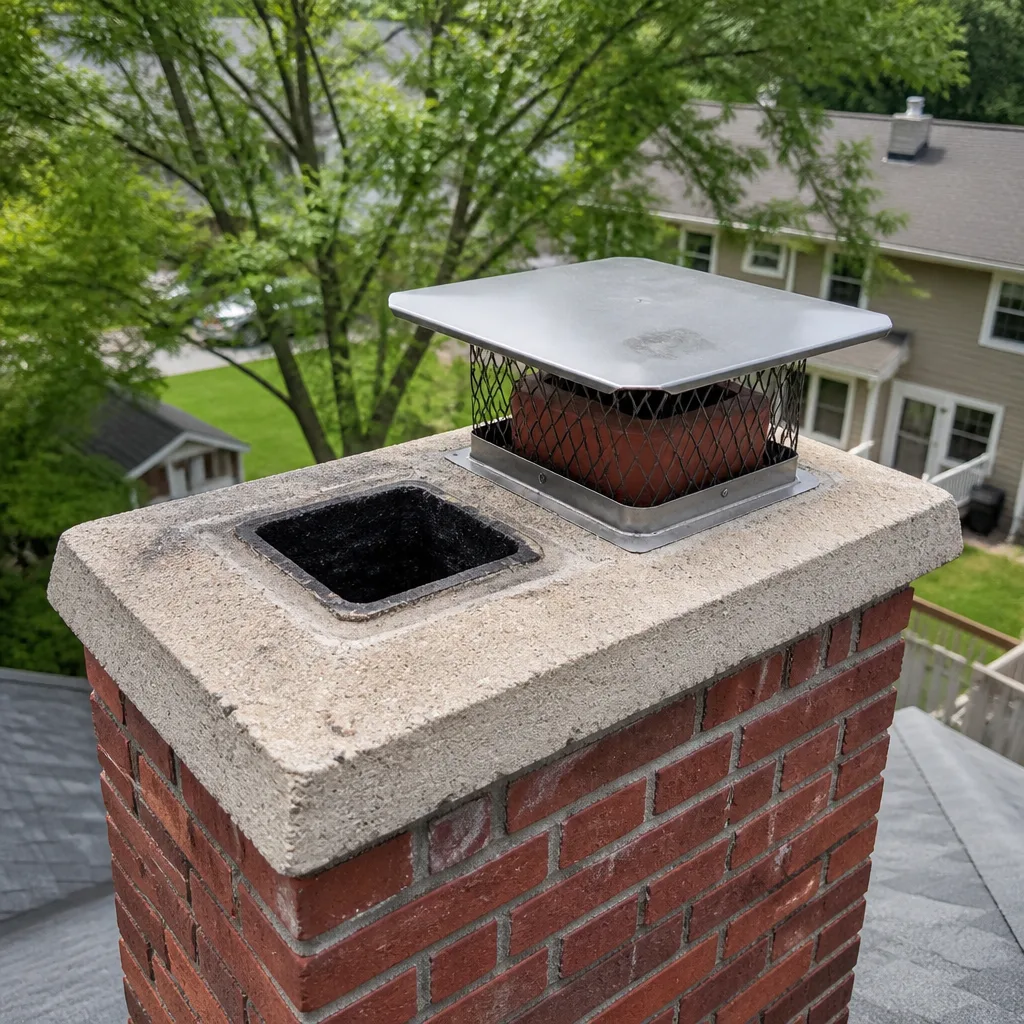 Sweep & inspection
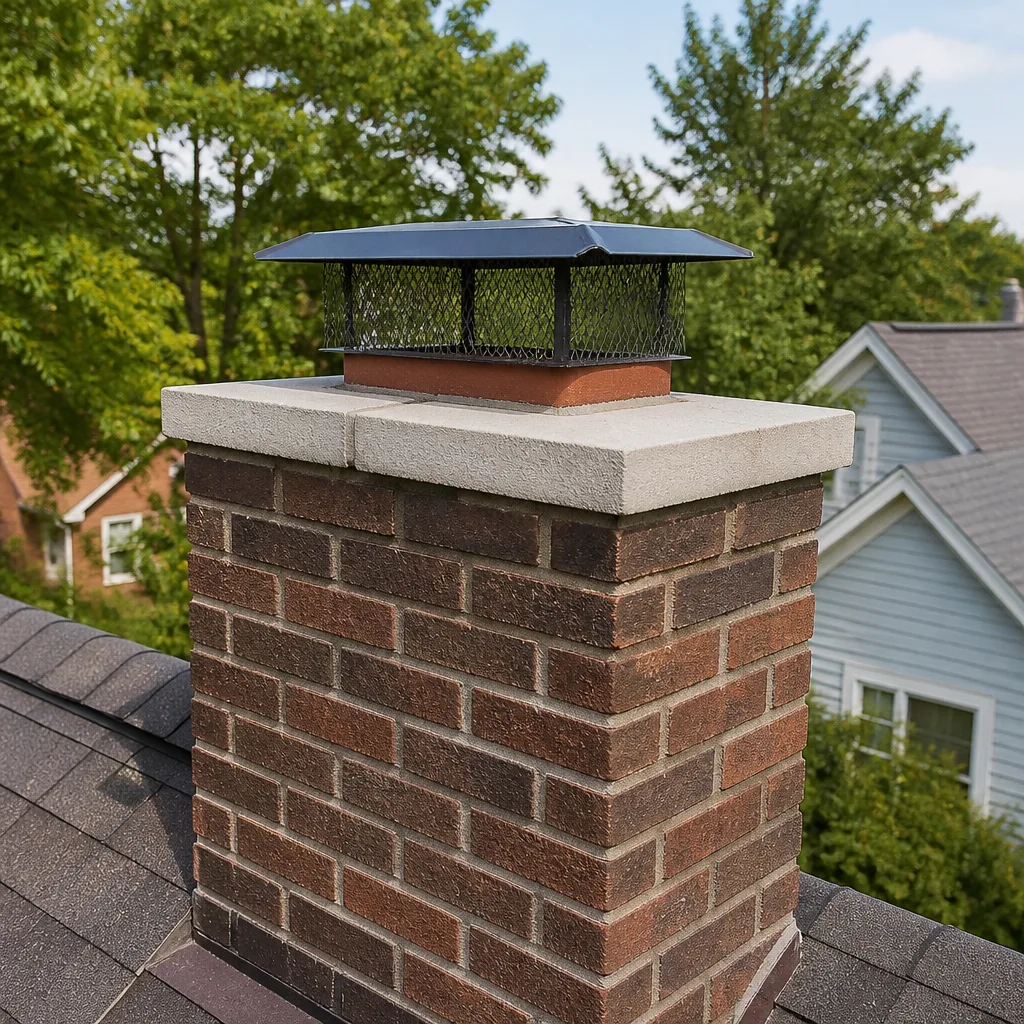 Caps & crowns
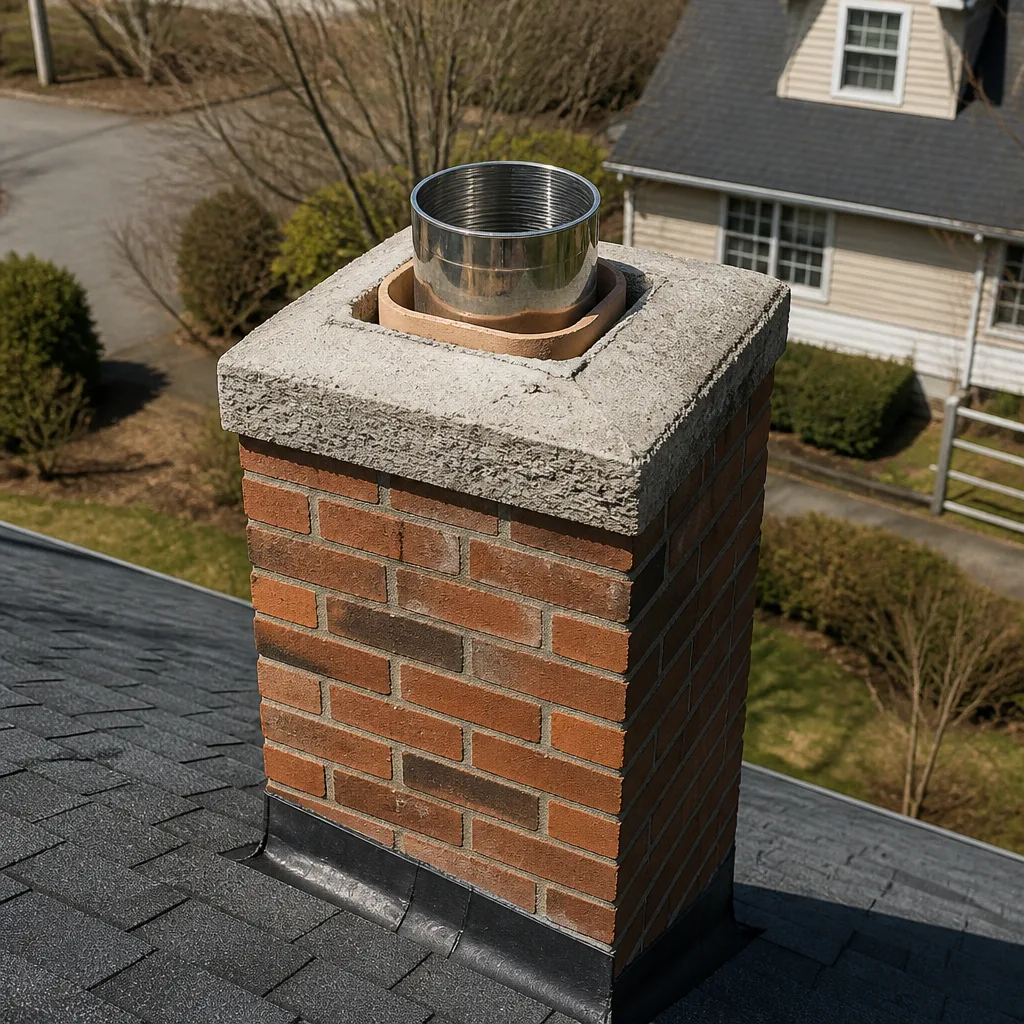 Flue relining
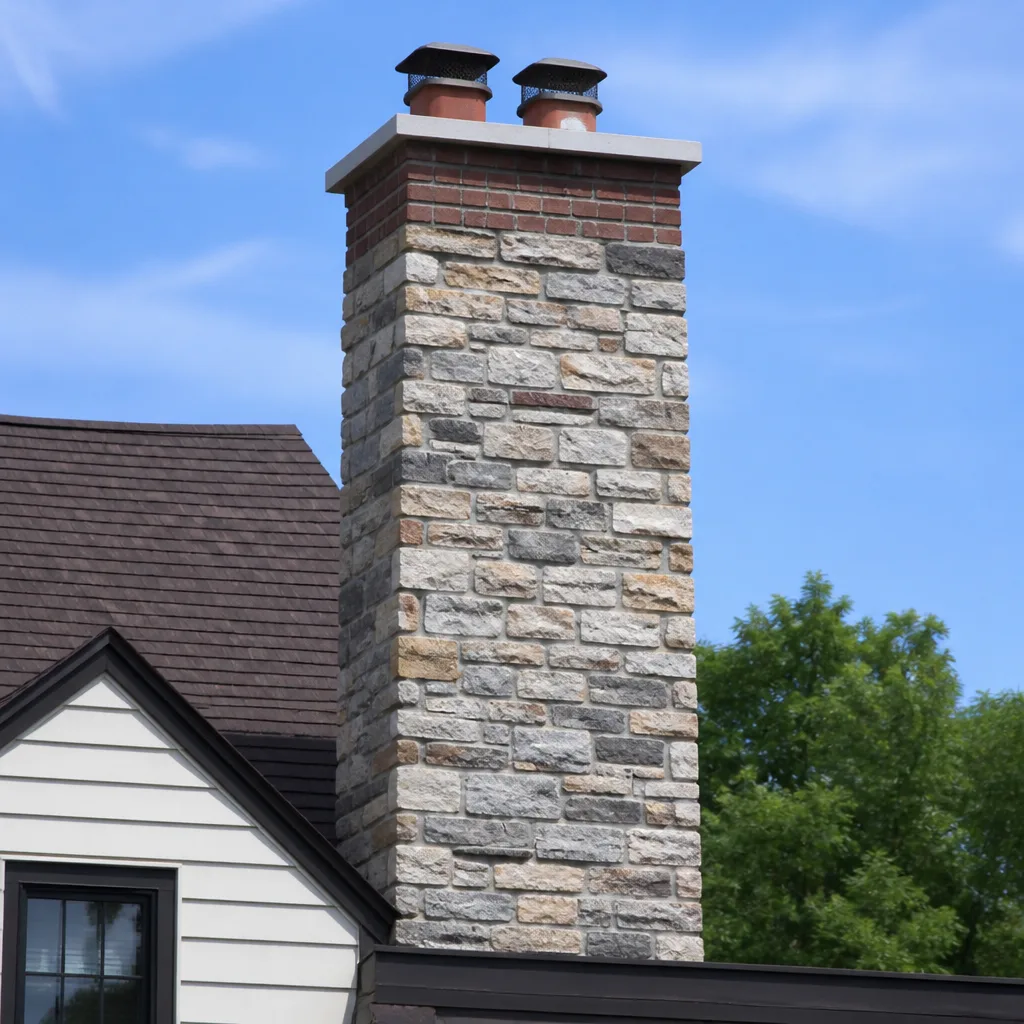 Masonry repair
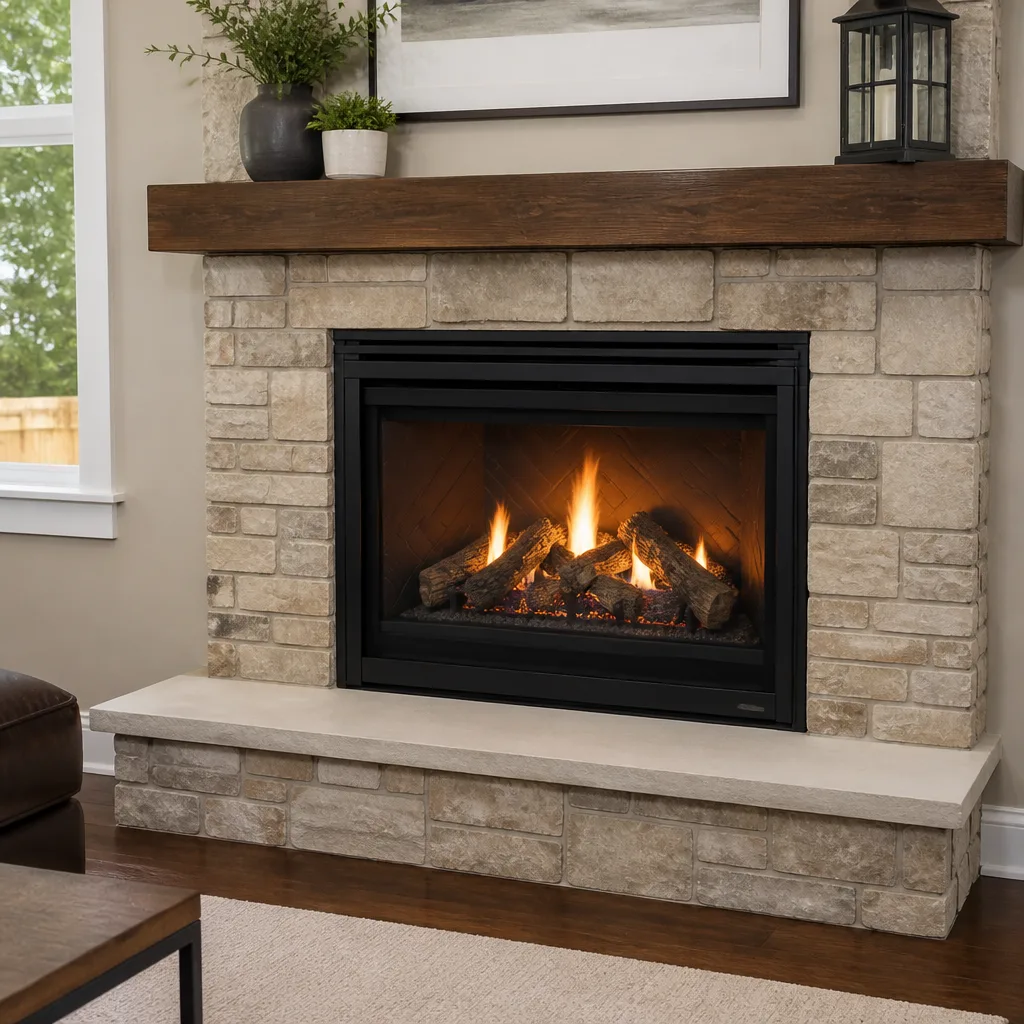 Gas fireplace service
Level 1 sweep and inspection to the NFPA 211 annual standard - flue, crown, cap, and flashing checked and photographed
Chimney sweep logs do not sweep chimneys. They loosen some creosote - which then falls where a brush and vacuum still have to collect it.
The Complete Guide to Chimney Cleaning in San Juan Capistrano
Most San Juan Capistrano homeowners light their fireplace fewer than 20 times a year. That sounds like a reason to skip the sweep, and it’s the single biggest mistake we see. A chimney that sits unused for eight or nine months at a stretch collects moisture, nests, and debris in a way a working chimney never does. Creosote that never gets a hot fire to burn it off hardens where it sits, and a flue with no regular airflow becomes prime real estate for birds and raccoons. Low use doesn’t mean low maintenance. It means the maintenance is different. This guide covers what a real cleaning involves, how coastal humidity changes the picture, which inspection level you actually need, and how to tell whether the work you’re being quoted is legitimate.
Quick Answer
Chimney cleaning in San Juan Capistrano costs roughly $150 to $400 depending on flue access, soot load, and whether the job includes a camera inspection, and it’s the one service every wood-burning fireplace needs at least once a year. Low-use chimneys still need annual cleaning and inspection because moisture and animal intrusion, not fire volume, drive most damage here. A written estimate sets the final price, and we confirm the scope before any work is booked.
Styles & brands we work with
- Sweep & inspection
- Caps & crowns
- Flue relining
- Masonry repair
- Gas fireplace service
Table of Contents
- Why Low-Use Fireplaces Need More Attention, Not Less
- How Coastal Humidity and the Marine Layer Affect Your Flue
- What a Full-Service Chimney Cleaning Actually Involves
- Level 1, Level 2, and Level 3 Inspections: Which One Applies to You
- What Chimney Cleaning Costs in San Juan Capistrano
- Orange County Fire Codes and Routine Maintenance Decisions
- How Often Should a San Juan Capistrano Chimney Be Cleaned?
- How to Choose a Chimney Sweep
Why Low-Use Fireplaces Need More Attention, Not Less
An unused chimney is a dark, open, temperature-stable tube running straight up through your roof. That’s everything a raccoon wants in a place to raise a litter, and everything a swallow wants from April through August. Birds build nests on the smoke shelf, and the hatchling and egg debris that collects there is highly combustible once fall arrives and the first fire runs. This is the pattern we see most often in San Juan Capistrano fireplaces that get lit a handful of times a holiday season and sit cold the rest of the year.
The other problem with a cold, low-use flue is moisture. Every appliance pushes warm exhaust up and pulls cooler outside air down when it’s off. In a mild climate, the chimney cavity cycles between warm daytime air and damp overnight air without the drying heat of regular burns. A flue that never gets truly hot stays closer to dew point than a working chimney does, and the creosote that forms during those few winter burns stays soft and acidic longer. That’s the combination that encourages glazed buildup and eventual erosion of the mortar joints between flue tiles.
What this means in practical terms for San Juan Capistrano:
- Annual cleaning still applies. A sweep removes soot, nest material, and the soft creosote that a dormant season helped cement in place.
- Cap and crown inspection moves to the top of the list. Wildlife and moisture get in through a failed cap before anything else fails. We check cap screens and crown condition every visit because they’re the first line of defense.
- Watch for bird and animal signs at the firebox. Droppings, straw, or feathers on the smoke shelf are a strong signal the cap needs attention, and they’re a fire hazard once a fire is lit.
- Note the smell. A musty, acrid chimney smell when the fire has been cold for weeks usually points to moisture held in creosote or liner damage.
The core point about low use: the annual sweep isn’t optional just because the fire wasn’t. Your fireplace works harder than you think. So do we. That’s why the sweep is booked before the first cold night, not after the first problem.
How Coastal Humidity and the Marine Layer Affect Your Flue
San Juan Capistrano sits in a climate with morning coastal fog and a marine layer that burns off through the day. That means the exterior of your chimney is exposed to hours of damp air followed by warm afternoon sun, and the interior flue cycles through dew point almost daily during the cooler months. That doesn’t happen the same way in the hot inland valleys or desert towns, and it’s why a generic national guide misses half the story here.
When the flue tiles cycle in and out of condensation, the mortar joints between them take the brunt of it. The joints are softer than the tiles themselves, and moisture that seeps into a hairline crack causes a slow spalling failure where the joint surface crumbles. Once a joint opens up, water and creosote work behind it and the flue’s integrity starts to go. That’s the failure track we see most often in San Juan Capistrano homes, and it’s the reason we do a visual flue scan on every sweep before we call the job done.
If the flue tiles do show spalling, cracking, or joint loss, HeatShield ceramic resurfacing is the repair we reach for when the damage hasn’t reached the point where a full reline is required. It’s a ceramically bonded resurfacing system that restores the flue interior without tearing the whole chimney apart, and it’s a solution many generalist companies simply don’t carry. For chimneys with structural damage or a flue that’s too compromised for resurfacing, DuraFlex liner systems are available as a flexible stainless steel solution rated for wood, gas, and oil appliances. Both are professional-grade materials. Neither is a hardware-store patch.
The humidity story also affects how creosote forms. In a colder climate, a hot fire drives most creosote past the sticky stage into a dry, flaky form that brushes off easily. Here, the fire often burns shorter and cooler, and the creosote that forms is more likely to stay in the sticky, tar-like stage where it soaks into the flue surface. That kind of buildup is harder to remove without abrasive sweeping, which is why the annual sweep matters more here, not less.
What a Full-Service Chimney Cleaning Actually Involves
A proper chimney sweep isn’t a guy with a brush and a shop vac. It’s a sequence of checks and cleaning steps that should be done in order, and knowing what to expect is your best defense against a thin, rushed job. Here’s the sequence a full-service sweep follows from start to finish.
- Exterior survey. We look at the chimney from the roofline first, checking cap condition, crown cracks, flashing, and the chimney’s overall silhouette. That tells us what we’re dealing with before anyone goes inside.
- Firebox and damper inspection. The firebox brick, mortar, damper plate, and smoke shelf get a look before any cleaning. We’re checking for damage that could be worsened by brushing or that would tell us a larger repair is coming.
- Drop cloths and containment. The firebox opening gets sealed with a drop cloth and the vacuum is set up with the hose sealed to the opening, so soot and dust stay in the chimney, not your living room.
- Flue brushing. The flue gets brushed from the top down with a sized rotary brush or a manual brush, depending on the liner type and the creosote condition. Soft creosote comes off in one pass; glazed creosote may require chemical treatment over several days, and we’ll explain why if that comes up.
- Smoke chamber and smoke shelf brushing. These are the areas that hold the most soot and the most nest debris. A sweep that skips the smoke chamber hasn’t done the job.
- Camera inspection and photo report. We run a camera down the flue to see what the brush couldn’t, and you get the photos. That’s the moment you get to see what we see before anything is recommended.
- Cap and crown check. Gelco and Famco components are what we use when a cap or crown repair is needed, built for weather sealing and proper venting geometry rather than the generic hardware-store versions that fail within a few seasons.
The sweep is the front door to everything else. If the inspection turns up a repair, the same team that found it can do the chimney repair, the liner work, or the cap replacement. No handoff. No second contractor to coordinate with.
Level 1, Level 2, and Level 3 Inspections: Which One Applies to You
The chimney industry classifies inspections in three levels, and the difference matters because a Level 1 inspection won’t catch what a Level 2 will. Here’s how they break down and when each one applies.
- Level 1 inspection. Visual check of the readily accessible parts of the chimney: firebox, damper, smoke chamber, flue from the firebox up as far as you can see, and the exterior from the ground or a ladder. This is the inspection that accompanies an annual sweep in a home where the appliance hasn’t changed.
- Level 2 inspection. Everything in a Level 1, plus a video camera scan of the entire flue, for one of three reasons: a home sale or transfer, a change in fuel type or appliance, or after a chimney fire or a seismic or storm event. It’s the inspection a buyer’s agent should be asking for on a San Juan Capistrano resale, and the flue camera is why.
- Level 3 inspection. Everything in a Level 2, plus removal of parts of the chimney or adjacent structure to inspect concealed areas. This is rare and only undertaken when a Level 2 finds a problem that can’t be diagnosed without opening the structure.
For a typical San Juan Capistrano resale home, a Level 2 inspection is what you want. The homes in this area range widely in age, and a house that was built or renovated before stringent flue-liner standards, or one that sat with a gas log set in place of a wood fire for a decade, can hide flue problems a Level 1 won’t reveal. When we do a Level 2 on a resale, we walk the buyer’s agent and the homeowner through the camera evidence on site, so the report means something beyond a checkbox.
One technical note for homes with gas fireplaces: the appliance has been switched or the log set changed, and that’s still a Level 2 trigger. Gas appliances vent differently, and a flue that was fine for wood may need a liner that’s rated for the gas exhaust. That’s where DuraFlex comes in, and it’s also where a generalist contractor stops being able to help.
What Chimney Cleaning Costs in San Juan Capistrano
A routine chimney sweep in San Juan Capistrano typically runs $150 to $400, with the range driven by flue access, soot load, and whether a Level 2 camera inspection is included. A written estimate sets the final price, and you’ll have it before anything is booked.
Here’s a typical cost breakdown so you know what a legitimately itemized quote looks like:
| Service | Typical range | What drives the price |
|---|---|---|
| Standard chimney sweep (Level 1 visual included) | $150-$300 | Flue length and access, creosote stage, number of flues |
| Sweep plus Level 2 camera inspection | $250-$500 | Number of flues, whether a video report is included |
| Animal nest removal | $150-$400 | Nest location, whether a cap repair is also needed |
| Cap installation or replacement | $150-$500 | Cap style (Gelco or Famco), chimney dimensions, mounting method |
| Crown repair | $250-$800 | Extent of cracking, whether resurfacing or replacement is required |
| Flue resurfacing (HeatShield) | $1,500-$4,000 | Flue length, extent of joint damage, number of flues |
| Full liner installation (DuraFlex) | $3,000-$8,000 | Flue height, liner diameter, appliance type, chimney configuration |
These are typical estimates, not a fixed price. The written estimate sets the final scope and price, and it’s free. On the repair side, the single most common question we get is “do I really need a new liner?” The answer is evidence-based. Nothing is recommended without camera photography you can see for yourself, and when work can safely wait until next season, we say so.
Orange County Fire Codes and Routine Maintenance Decisions
Orange County fire codes don’t require an annual chimney sweep by law, but they do regulate the conditions under which a fireplace or solid-fuel appliance can be used. A chimney with a failed liner, an open cap, or a compromised firebox can run afoul of code requirements when an insurer or a home-sale inspection flags it. That’s the practical interaction between routine maintenance and local regulation in San Juan Capistrano: the sweep and inspection are what keep a home in compliance when a fire official, insurer, or buyer’s inspector looks at the chimney.
On the maintenance side, the code context affects three decisions:
- Cap and spark arrestor. A missing or damaged cap is a fire-code issue in counties that prohibit open-flame discharge from flues without one. A Gelco or Famco cap solves the code issue and the wildlife issue at the same time.
- Flue liner continuity. Any gap or crack in the flue liner means the appliance is venting into the chimney cavity, which is a fire risk and a code problem. A Level 2 camera inspection is the way to prove the liner is sound.
- Clearance to combustibles. If a remodel or a wood-framed addition touches the chimney structure, the clearance question comes up. A Level 2 inspection with the camera can identify clearance problems before they become a permit issue.
When a permit is required for a repair, the local pro is licensed and insured as their state requires, and we can point you toward the right municipal department to confirm the current requirement. Estimates are free, and we don’t recommend a repair we can’t back with camera evidence.
How Often Should a San Juan Capistrano Chimney Be Cleaned?
Most homes here need an annual sweep and a Level 1 inspection, plus a Level 2 every time the home changes hands or the appliance changes. The rule of thumb in the trade is that a chimney that’s been burned less than a cord of wood per year still gets swept and checked annually, because the low-use conditions described above are their own problem. Chimneys that see heavy use during the mild winter may need a midseason check as well.
The frequency question depends on four factors:
- Visual creosote buildup. A quarter-inch of creosote on the flue wall calls for a sweep. A glazed or third-degree buildup calls for chemical treatment and a follow-up.
- Animal activity. If you’ve seen a chimney swan or heard scratching after the last cold month, the sweep needs to happen before the next burn, not on a calendar.
- Appliance type. A wood-burning fireplace should be swept annually. A gas fireplace can go longer on the sweep, but the vent condition still needs an annual visual. An oil appliance has its own service intervals.
- Home history. A recently purchased home, or a fireplace that sat dormant through a prior decade, gets a Level 2 inspection and a clean sweep on the first visit.
If you’re planning around a specific calendar moment, do it before the first burn, not after. Booking in late summer or early fall is easier than booking the week cold weather arrives. Call (844) 451-2583 to get on the schedule. We answer 24/7. Fast dispatch from 7am to 7pm, Sunday through Friday.
How to Choose a Chimney Sweep
A good chimney sweep shows up with the camera, the drop cloths, and the knowledge of liner repair, not just the brush. Here’s what to look for when you’re choosing.
- They carry a camera. Any sweep can say the flue looks fine. A sweep with a camera can show you what “fine” looks like. Ask for the photo report.
- They carry professional-grade materials. Brands like HeatShield, DuraFlex, Gelco, and Famco are the industry-recognized names for liner repair, resurfacing, caps, and crowns. If a sweep uses generic hardware-store parts for a structural repair, ask why.
- They do the repair themselves. A sweep who hands off the repair to a second contractor is a scheduling and finger-pointing problem waiting to happen. The team that inspects should be the team that fixes.
- They tell you when work can wait. A sweep who diagnoses a real problem should be able to say plainly when it’s safe to defer. We do that often.
- They give a written estimate before booking. The price is set per job. A flat price range should be confirmed in writing before the appointment.
Every sweep we book includes the camera inspection and a photo report as part of the service. That’s the evidence standard we hold ourselves to, and it’s the standard you should hold any sweep to. Our technicians have up to 11 years of experience, and you’ll get one of them on your roof and in your firebox. If you’d like a baseline read on what standard <
Common Mistakes to Avoid
- Waiting for visible soot before booking a sweep. A low-use chimney can be heavily blocked by nest debris with almost no visible soot, and a blocked flue is the more dangerous condition.
- Assuming a gas fireplace doesn’t need inspection. Gas appliances vent through the same flue and can have a damaged vent or an oversized flue that a Level 1 won’t detect.
- Choosing a sweep on price alone. A $99 sweep in San Juan Capistrano often means a brush pass and no camera, which is how a cracked flue tile gets missed and a repair gets scheduled for a much bigger problem later.
- Letting a homeowner or a realtor skip the Level 2 on a resale. The camera scan is the whole point on a house you’re about to buy, and a Level 1 report won’t catch the liner problems that matter.
- Postponing a cap repair because the flue “still works.” An open cap is the leading entry point for moisture and wildlife in this climate, and the damage compounds quietly through the dormant season.
- Burning a fire in a chimney that’s just been swept without a starter. A cold, freshly swept chimney drafts poorly and can smoke into the room. The sweep should tell you how to prime the draft before your first burn.
- Taking creosote glazing too lightly. Third-degree glazed creosote is a real fire risk, and it won’t come off with a standard brush pass. It needs treatment and a follow-up.
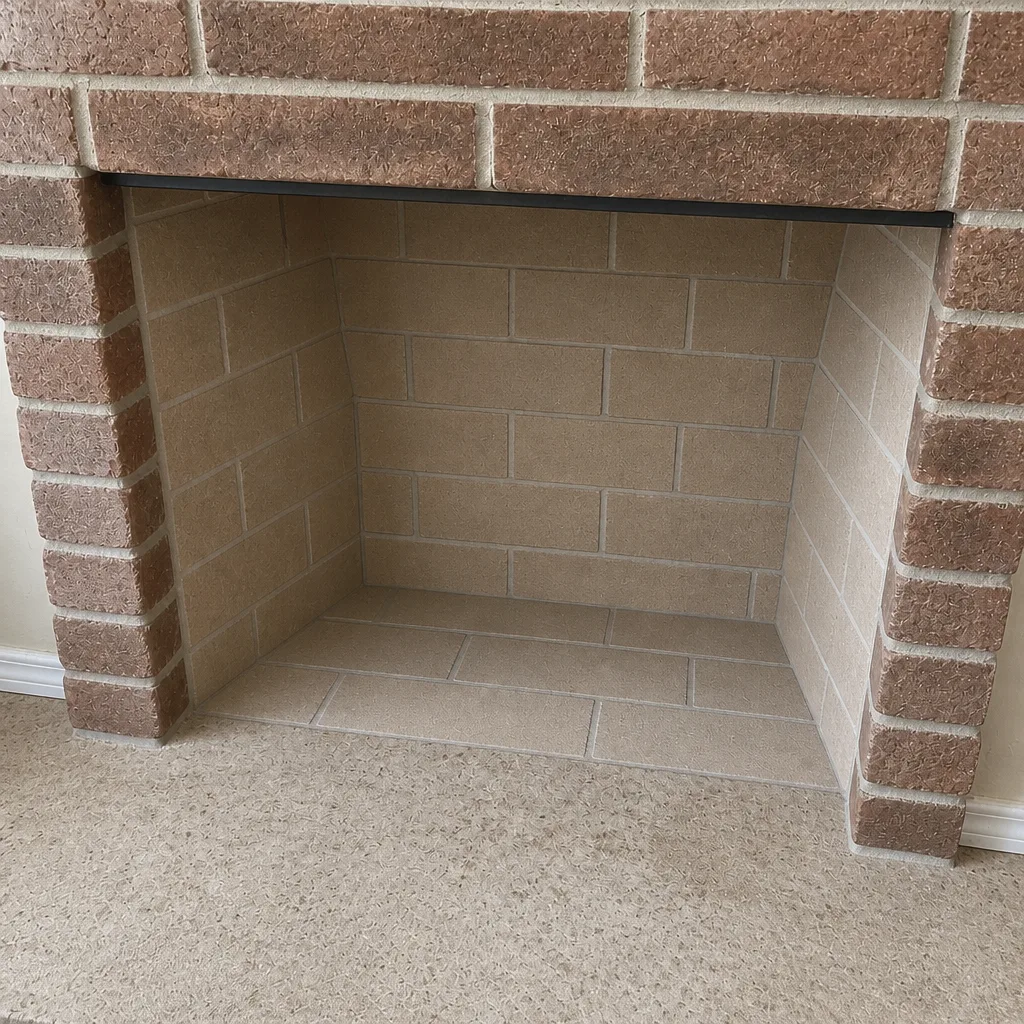
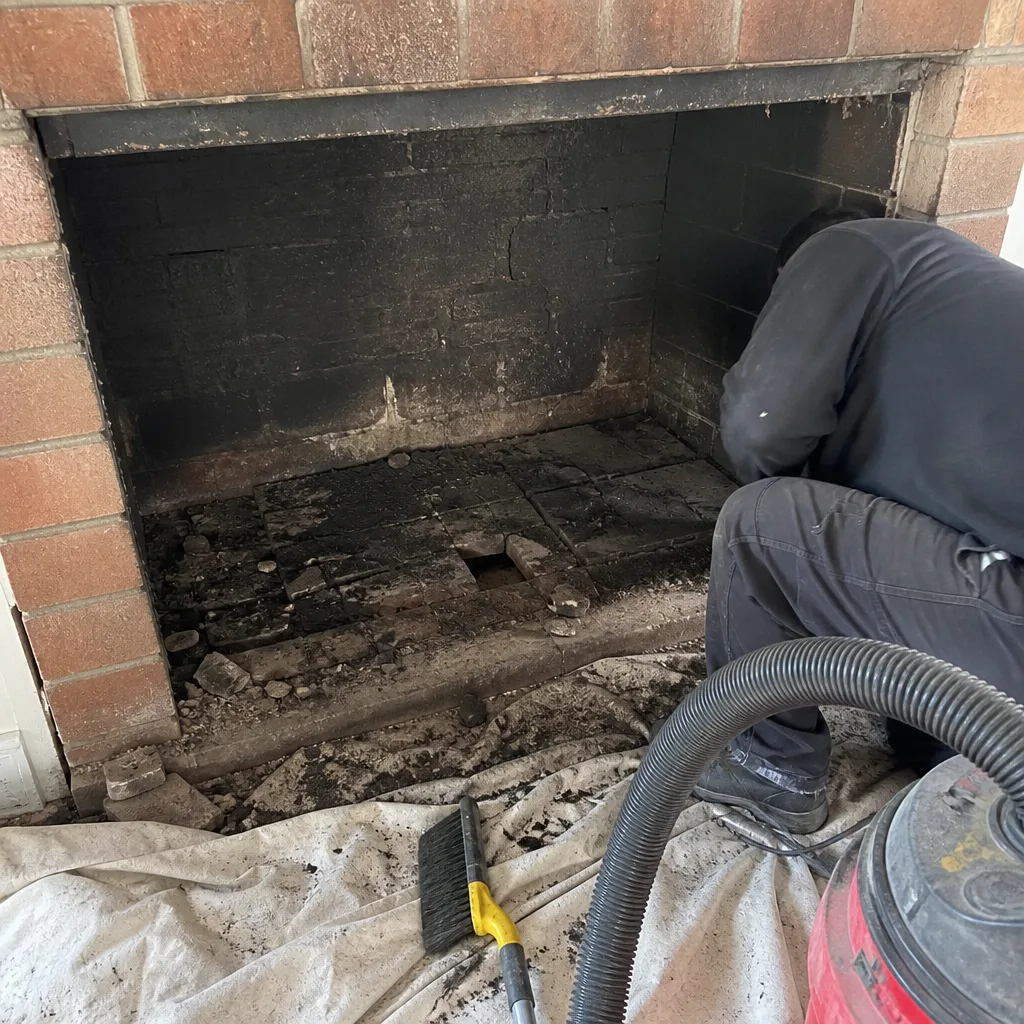
See the difference
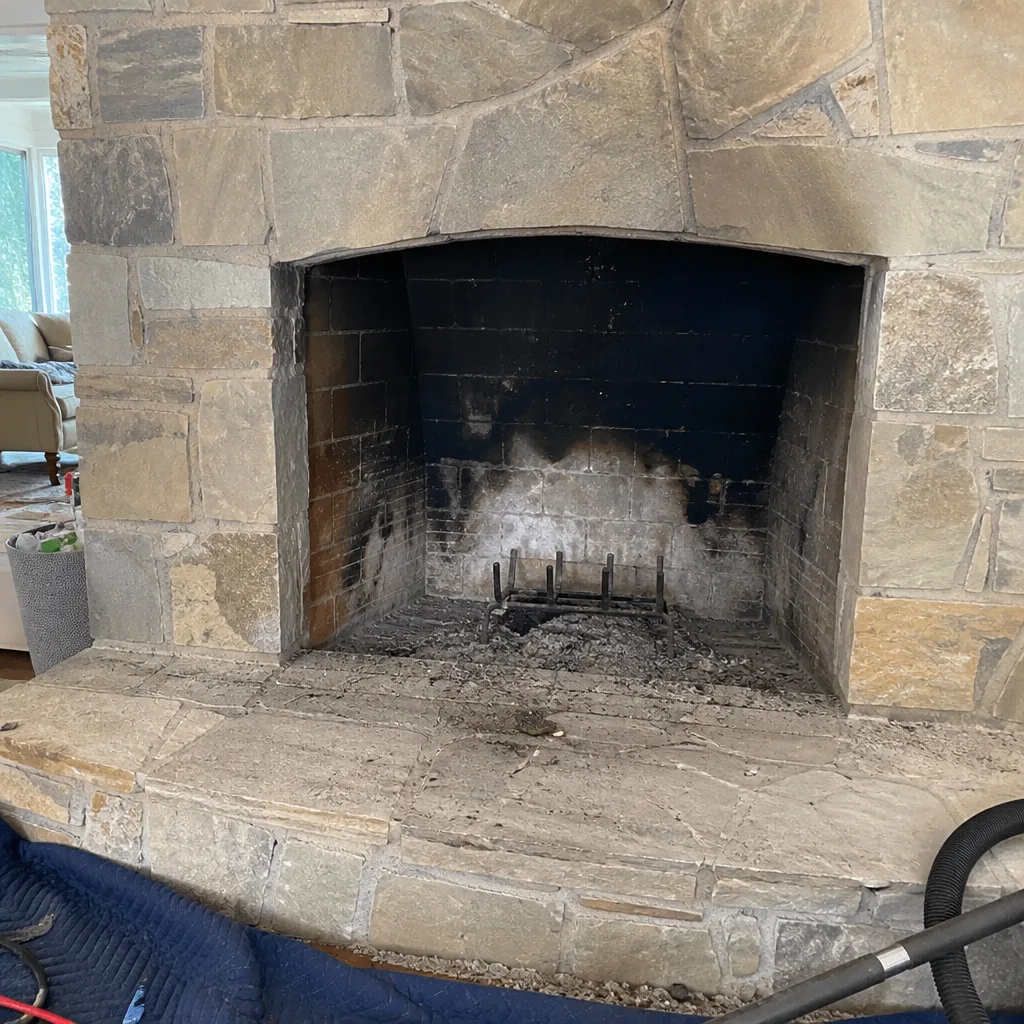 Before
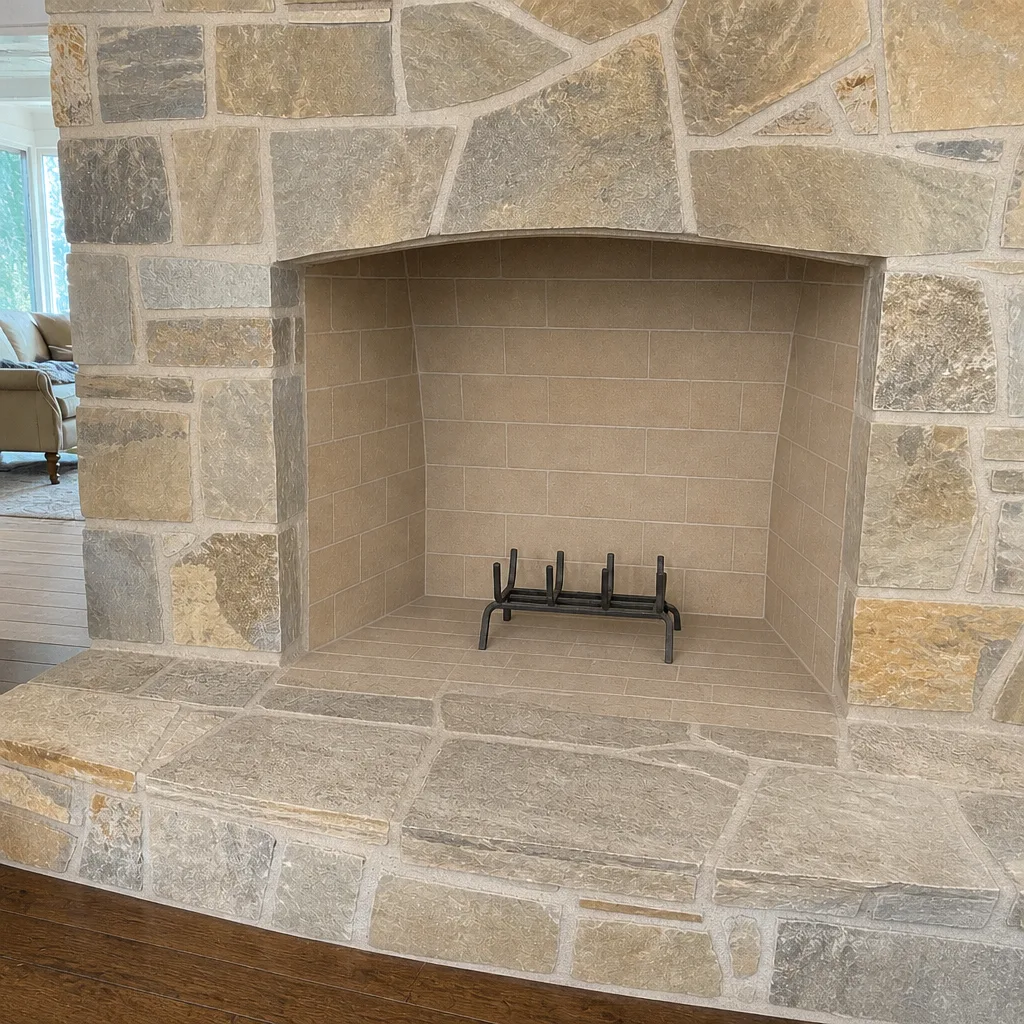 After
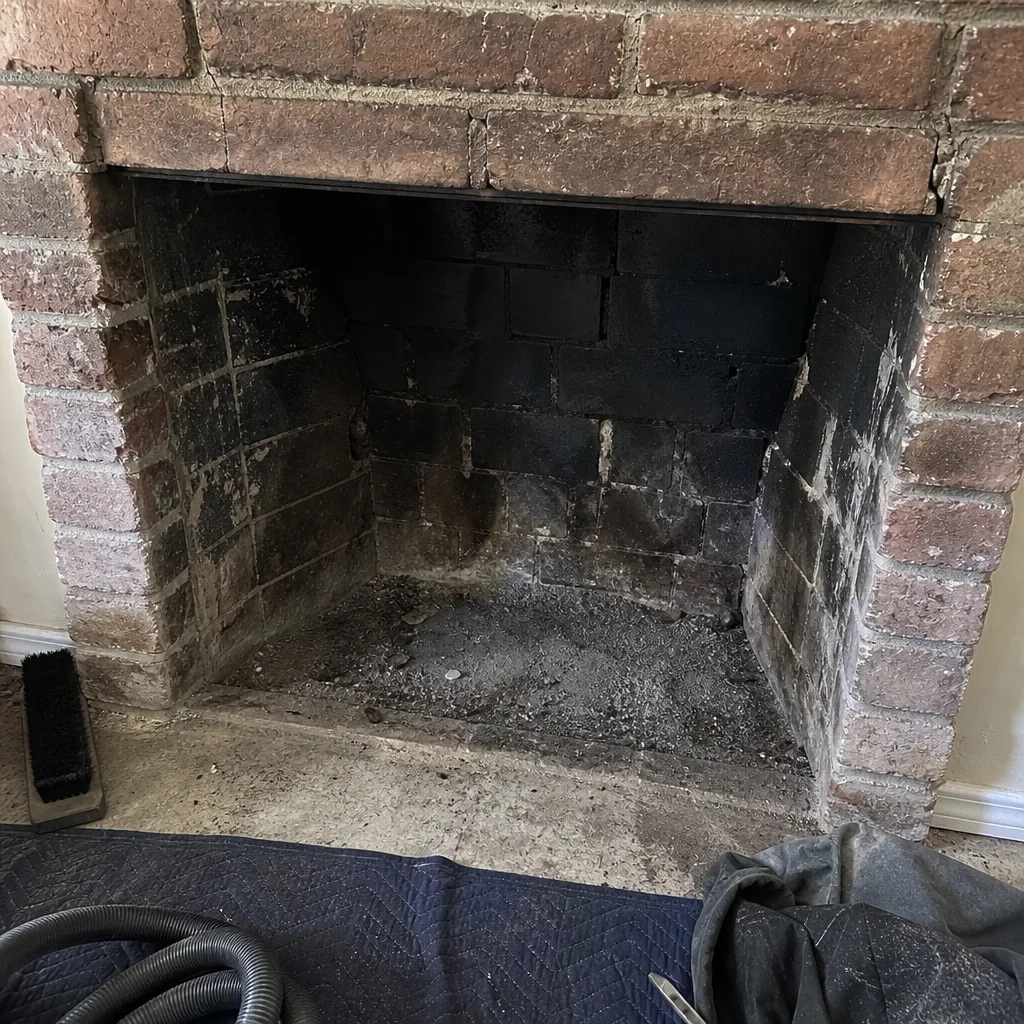 Before
 After
 Before
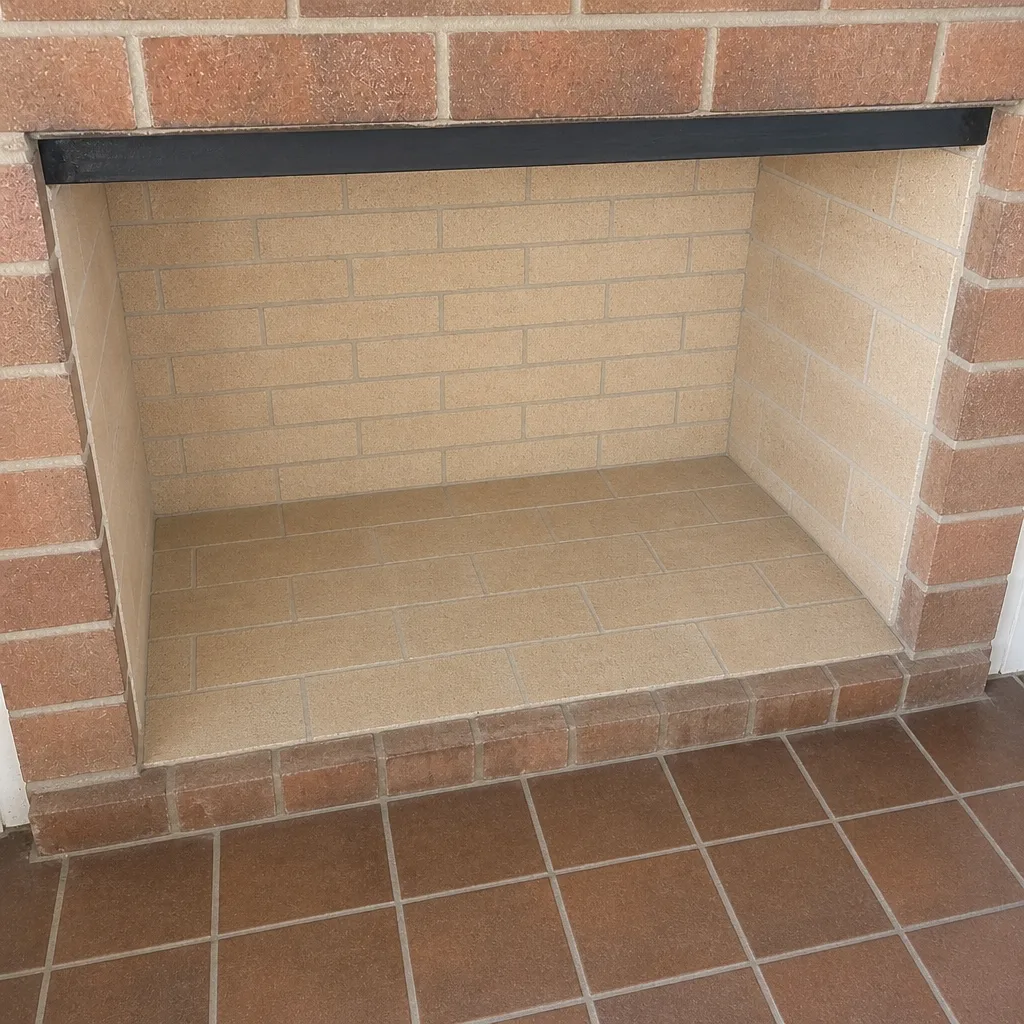 After
When to Call a Professional
Call for a sweep if you’ve burned anything in the fireplace in the past year, if you’ve never had the chimney looked at since buying the home, or if you’ve seen any animal activity at the flue. Call for a diagnostic visit if you notice a strong draft smell in the living room, smoke spilling into the room when you light a fire, a visible crack in the firebox mortar, or a smell of moisture around the chimney during the damp months. Call for a repair estimate if a prior inspection reported flue damage you haven’t had addressed, or if a home inspection flagged the chimney during a sale. Chimney Sweep San Juan Capistrano offers free estimates in San Juan Capistrano. Call (844) 451-2583 to book a chimney sweep and we’ll confirm the scope and price in writing before the visit. We answer 24/7. Fast dispatch from 7am to 7pm, Sunday through Friday.
Frequently Asked Questions
A chimney sweep in San Juan Capistrano typically costs $150 to $400, depending on flue access, soot load, and whether a Level 2 camera inspection is included. The written estimate sets the final price. Call (844) 451-2583 for an exact quote. Estimates are free.
Not always. A liner is required when the existing flue tiles are cracked, spalling, or have lost joint integrity to the point where resurfacing won’t restore them. HeatShield resurfacing can fix joint damage without a full reline. We recommend a liner only when the camera evidence shows the flue can’t be restored any other way, and you see the photos. Call (844) 451-2583 for a free estimate.
Once a year is the standard for any chimney that burns wood, even a few fires a season. Low-use chimneys here tend to accumulate more moisture and wildlife debris than high-use ones, so the annual sweep matters more, not less. Call (844) 451-2583 to book yours before the first burn.
Creosote builds up where the fire runs, nest debris builds up where the fire doesn’t, and the flue gets caught between. A skipped sweep is a fire risk on the inside and a moisture and wildlife problem on the outside. The safe choice is an annual sweep and a camera inspection. Call (844) 451-2583 for a free estimate.
A Level 1 is the annual visual. A Level 2 adds a camera scan of the full flue and applies to a home sale, an appliance change, or after a chimney fire or storm. A Level 3 adds opening up parts of the structure and applies only when a Level 2 can’t answer the question. For most resale homes in San Juan Capistrano, a Level 2 is the right choice. Call (844) 451-2583 with your situation and we’ll confirm which applies.
Yes. Cap and crown work is one of five services we handle, and we install Gelco and Famco components engineered for weather sealing and correct venting geometry. A cracked crown lets water into the chimney structure, so the repair is worth scheduling before the next wet season. Call (844) 451-2583 for a free estimate.
The Bottom Line
Chimney cleaning in San Juan Capistrano isn’t a fire-safety checkbox, it’s a maintenance decision shaped by low-use fireplaces, coastal humidity, and the wildlife that every open flue invites. Book the sweep before the first burn, ask for a camera report, and treat cap and crown repair as a first-line prevention, not a cosmetic concern. When the inspection turns up a real repair, you want the same team to be able to do it. That’s the point of a full-service specialist. From routine sweeping through fireplace repair and structural work, we carry the professional-grade materials and the evidence standard to back the diagnosis. Free estimates, camera evidence included, and a written price before anything gets booked.
Call (844) 451-2583 to schedule your sweep or a free estimate in San Juan Capistrano. We answer 24/7. Fast dispatch from 7am to 7pm, Sunday through Friday.
Written by the team at Chimney Sweep San Juan Capistrano.