
Last updated November 25, 2026
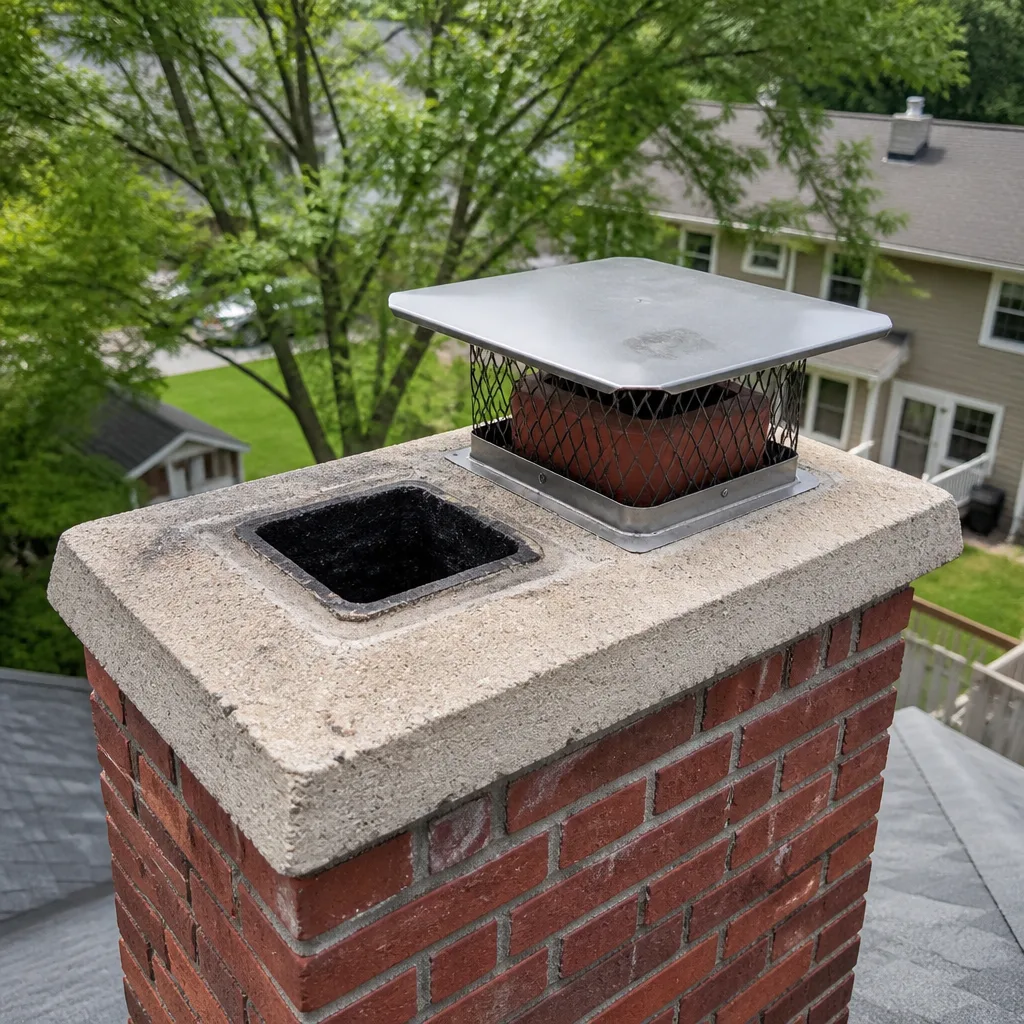 Sweep & inspection
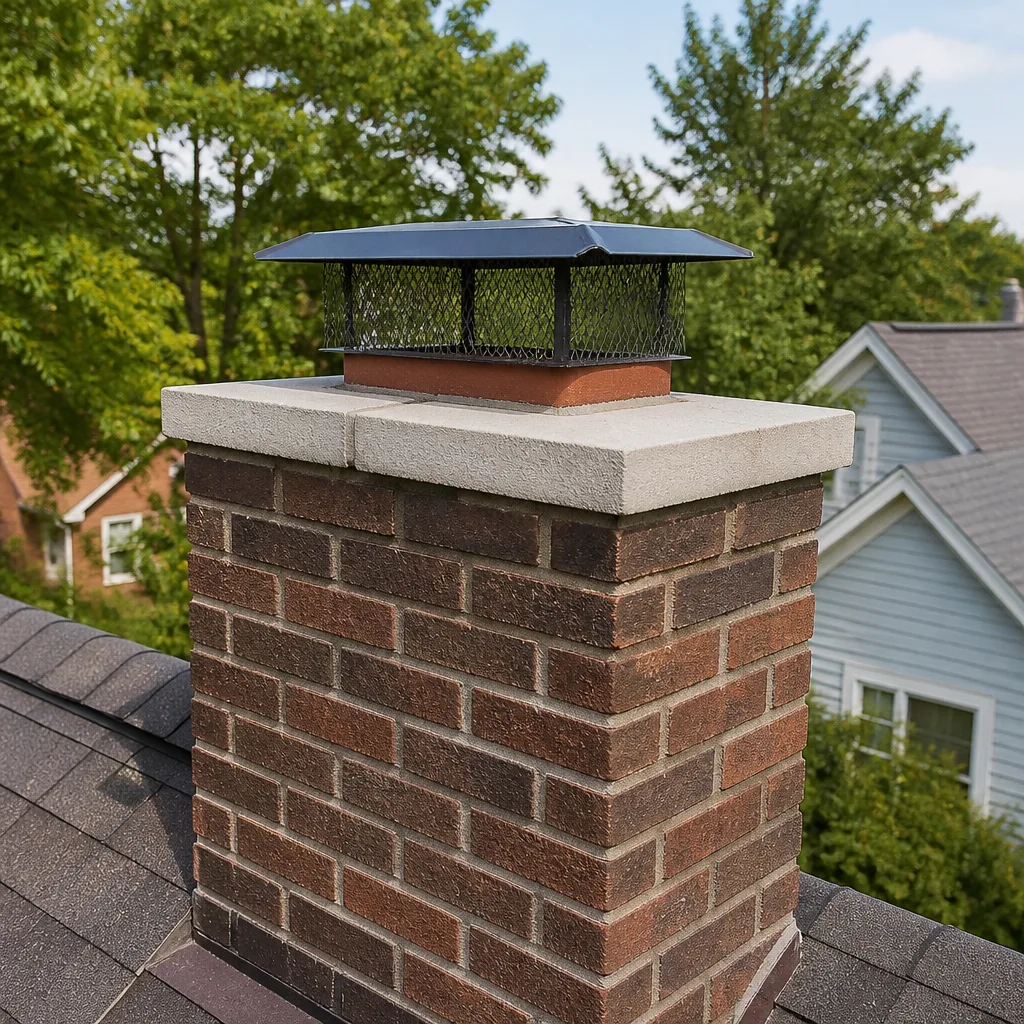 Caps & crowns
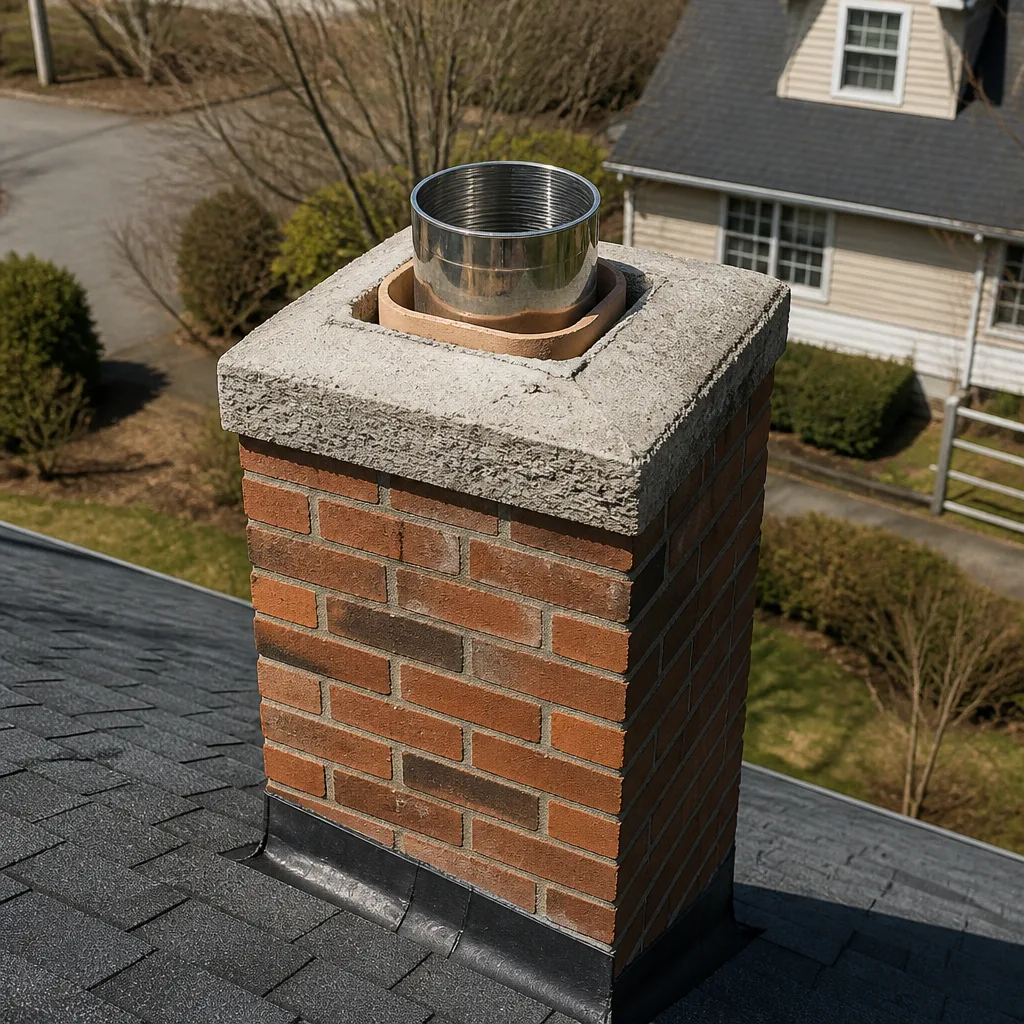 Flue relining
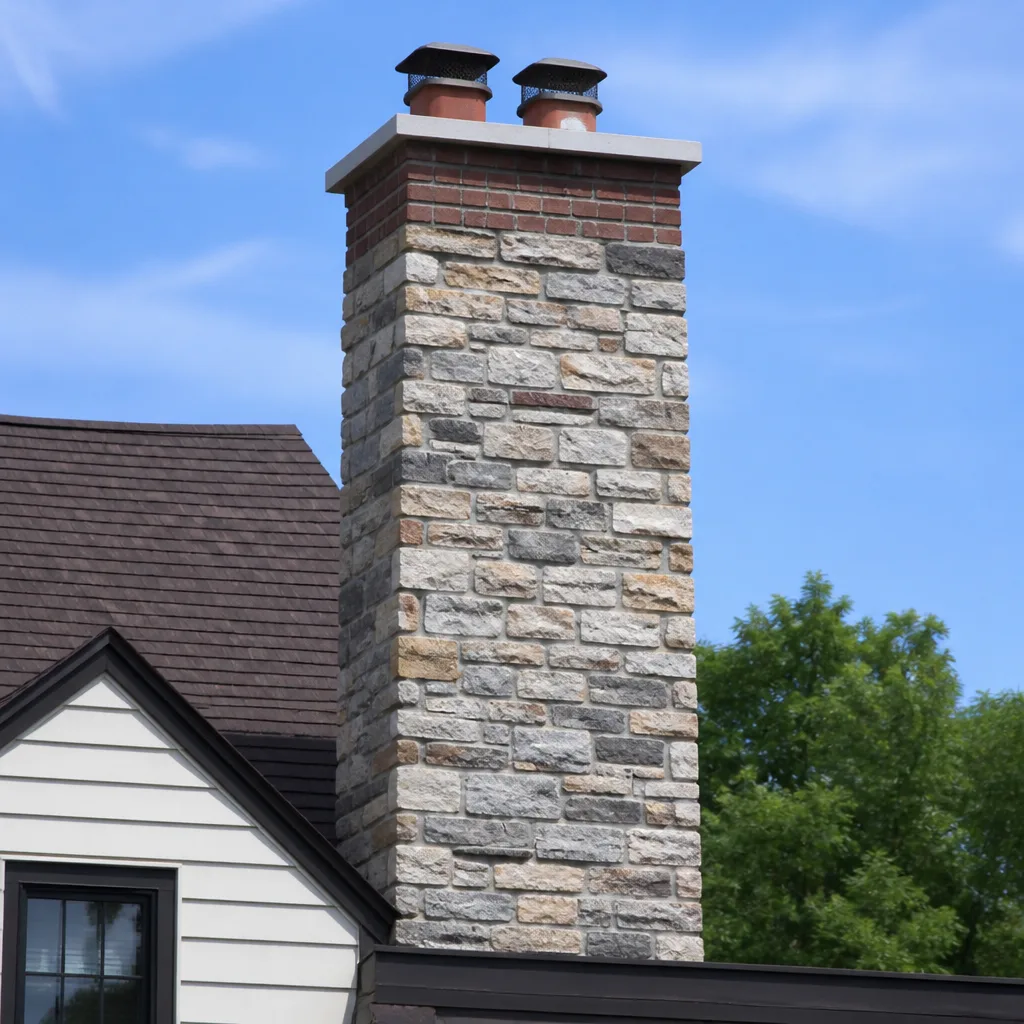 Masonry repair
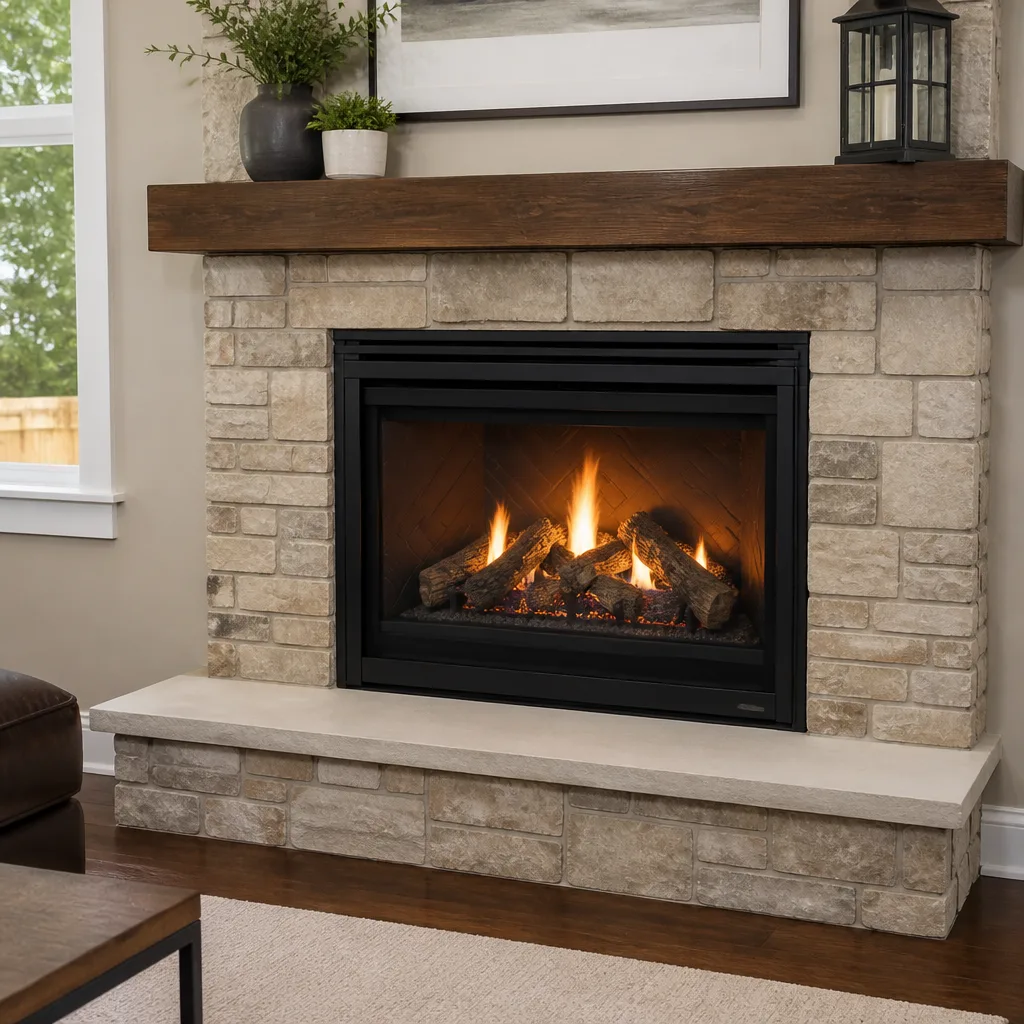 Gas fireplace service
Level 1 sweep and inspection to the NFPA 211 annual standard - flue, crown, cap, and flashing checked and photographed
Chimney sweep logs do not sweep chimneys. They loosen some creosote - which then falls where a brush and vacuum still have to collect it.
How to Hire a Chimney Cleaning Contractor in San Juan Capistrano: A Step-by-Step Guide
In California, nothing stops an unlicensed handyman from advertising “chimney sweep services.” That’s the part most homeowners don’t realize until they’re already standing in the driveway listening to a pitch. There’s no state board that scans the internet for fly-by-night chimney operators, and no magic badge that guarantees the person on your roof actually knows what they’re doing. Which means the burden of vetting falls entirely on you. This guide walks through exactly what to check and in what order: certification, licensing, technical questions to ask, red flags specific to this trade, and how to read an inspection report so you can tell a real finding from an upsell. San Juan Capistrano homeowners who read this will be harder to take advantage of than 90% of the market.
Quick Answer
Hiring a chimney cleaning contractor in San Juan Capistrano means verifying two separate credentials: CSIA certification (the technician’s individual training in chimney work) and a California contractor license in the C-61/D-49 specialty class (the business’s legal authorization to perform that work). Neither one alone is enough. Before you book, ask how they handle structural findings, whether their inspection report is written or verbal, and what specific materials they use for caps, liners, and crown repairs. If a sweep will only clean and hand your findings off to someone else, you’ll need a second company to finish the job.
Styles & brands we work with
- Sweep & inspection
- Caps & crowns
- Flue relining
- Masonry repair
- Gas fireplace service
Table of Contents
- Why Hiring a Chimney Contractor Is Harder Than It Looks
- The Two Credentials That Matter in California
- Questions to Ask Before You Book
- Why Scope of Work Matters More Than Price
- How to Read a Chimney Inspection Report
- Red Flags Specific to the Chimney Trade
- Comparing Bids: A Step-by-Step Process
Why Hiring a Chimney Contractor Is Harder Than It Looks
Chimney work sits in an awkward regulatory space. It’s not plumbing, it’s not general contracting, and it doesn’t fit neatly into any of the trades most homeowners know how to vet. A company can advertise “chimney sweep services” on a truck and a website with zero industry certification. They can buy a brush on the internet. They can hand you an invoice. Nothing about that transaction is illegal in California, and nothing about it means the person on your roof actually understands what they’re looking at.
The industry has tried to fill that gap. The Chimney Safety Institute of America (CSIA) administers a recognized certification for chimney sweeps, and it’s the most reliable third-party credential in the trade. Separately, California requires a contractor license for chimney repair work under the C-61/D-49 specialty classification, which covers “limited specialty” work that doesn’t fit other trade categories. The two credentials are issued by different bodies, verify different things, and neither is automatically required for a routine cleaning. That’s the confusion.
In our experience working in and around San Juan Capistrano, the majority of homeowners who call us after a bad experience don’t know what they were missing. They hired someone with a nice website, paid a low price, and got a sweep that was technically a sweep but functionally useless: no camera inspection, no written findings, no answer to the “why” questions. If you’re hiring a chimney cleaning contractor in San Juan Capistrano for the first time, treat it like hiring an electrician. Verify. Ask technical questions. Compare scope, not price.
The Two Credentials That Matter in California
CSIA certification and a California contractor license aren’t the same thing, and getting one doesn’t mean having the other. Here’s what each actually covers.
CSIA Certification
CSIA certification means an individual technician has passed a written exam on chimney construction, venting, codes, and safety, and renewed it through continuing education. It’s the equivalent of what a licensed electrician has in a journeyman card: proof the person knows the trade. What CSIA certification does not cover is the business itself. It doesn’t guarantee insurance. It doesn’t guarantee the company will perform repair work to code. It doesn’t mean the technician who shows up is the one who took the exam. And critically, it doesn’t mean the company offers structural repairs at all. Some CSIA-certified sweeps work exclusively as inspectors and refer all repair work out.
California Contractor License (C-61/D-49)
Any company performing chimney repair work in California should hold a contractor license in the C-61/D-49 specialty class. The D-49 designation covers chimney work specifically. The license matters because it tells you the business is bonded, carries workers’ compensation coverage, and has passed the state’s requirements for running a contracting business. You can look it up in about thirty seconds on the Contractors State License Board (CSLB) website. If the license number doesn’t show up or shows up as expired or suspended, walk away. If the number doesn’t exist at all, walk faster.
Why Both
A CSIA-certified technician working under a licensed C-61/D-49 contractor is the gold-standard combination: someone trained in the specific mechanics of the trade, working within a business held accountable to the state. When we connect you with local professionals for Chimney Sweep San Juan Capistrano, we look for both. The local pro is licensed and insured as their state requires, and the technicians carry the training credentials the industry recognizes. Verify both before you book.
Questions to Ask Before You Book
“Are you insured?” is a weak question. Everyone says yes. The useful questions reveal whether the technician understands what they’re looking at and whether the company can actually complete the work after inspection. Here are the ones that separate a professional from an operator.
- “Do you perform a camera inspection as part of the sweep?” A proper sweep includes a visual and camera inspection of the flue. If the answer is “camera inspection is extra” or “we don’t do that,” the sweep is not a complete assessment. An inspector who can’t see the inside of the flue can’t tell you the condition of your liner.
- “Can you repair what you find, or do you refer it out?” This is the single most important question. A company that only cleans will hand you a report and send you elsewhere, which means two contractors, two schedules, and no accountability. Ask directly: “If you find a cracked crown or a compromised flue tile, can you repair it?”
- “What materials do you use for a cap or crown install?” If the answer is “whatever the hardware store has” or “standard off-the-shelf,” keep asking. We install caps and crowns from Gelco and Famco, and liners from DuraFlex and Olympia Chimney, specifically because those products are engineered for moisture sealing and venting geometry instead of generic substitutions.
- “Do you offer HeatShield resurfacing?” HeatShield is a professional ceramic repair system that restores the integrity of a damaged flue liner without full relining. Many generalist companies don’t offer it because it’s a specialized process, not a product you can pick up at a home improvement center. If your flue has cracked tiles but the underlying structure is sound, HeatShield may be the appropriate repair.
- “Will you give me a written estimate before any work begins?” Any company that starts the job before showing you a written scope and price is a company you don’t hire. The plainest signal of a professional is a written estimate with a fixed price and a defined scope.
- “What does your inspection report include?” You want a written report with findings, not a verbal summary on the driveway. A report you can keep, photograph, and bring to another contractor if you want a second opinion is the standard.
If you’re ready to ask questions, you can also start with a chimney sweep booked through our service. We connect you with local professionals who can answer all six of these questions in detail and perform the repair work after the inspection if needed.
Why Scope of Work Matters More Than Price
The cheapest sweep in San Juan Capistrano is not the cheapest sweep. It’s the sweep that does the least. That’s not an accusation of bad faith. It’s an economic reality. A sweep who charges a low fee has to get through more jobs per day to make the business work. Sometimes that means three or four houses in a day instead of one or two. In practice, it means fewer minutes per job. It means less time behind the camera. It means no written report, no photos, no conversation about what was found.
The better way to evaluate a bid isn’t the total dollar amount, it’s the line-item scope. A thorough proposal spells out:
- What will be swept (main flue, liner, smoke chamber, firebox, damper)
- Whether camera inspection is included or extra
- Whether a written report with photos is included
- What specific components the estimate covers: cap, crown, flue tiles, liner, damper
- What the materials are, with brand names (a professional estimate names DuraFlex, Olympia Chimney, Gelco, or Famco)
- What stays out of scope and why
Two proposals for the same job can vary significantly in what they include, and that difference often explains the price gap. When you compare bids on total cost alone, you’re comparing a complete job to an incomplete one. Strip out the components and you’ll usually find the “cheapest” bid was missing the camera inspection, the written report, or the cap replacement.
If you’ve had a chimney repair quote that seemed high, ask for the scope in writing. Real findings come with photographic evidence. A legitimate structural repair proposal should be defensible on materials, method, and evidence.
How to Read a Chimney Inspection Report
A chimney inspection report should be a document you can hold. If it’s verbal, ask for it in writing. If they don’t do written reports, that tells you something. Once you have one, here’s how to separate a real finding from an upsell.
What a Proper Report Includes
- Photographic evidence of each finding. Not just “flue tile crack” but a photo of the specific tile, with a location. A finding without a photo is a conversation, not a report.
- Camera footage or captured images of the flue interior. The camera inspection is the core of the report. If there’s no image of the flue interior, the assessment is speculative.
- A clear condition assessment for each component. Crown, cap, firebox, damper, smoke chamber, flue tiles, liner. Each should be rated (good, fair, poor) with a description.
- A list of recommended repairs, prioritized by urgency. Some repairs are needed now. Some can wait a year. Some are cosmetic. A report that lumps everything into “must fix now” is a sales document, not an inspection.
- What is not recommended and why. A real inspector tells you what’s fine. If nothing is flagged as acceptable, be suspicious.
Distinguishing a Finding From an Upsell
The tell is specificity and evidence. “Your chimney needs to be relined” is a sales claim. “Your flue has three cracked tiles at the 12-foot mark, photographed here, which are allowing heat transfer to adjacent combustibles, and a liner is the correct repair” is a finding. If the report doesn’t include the photo, the location, and the reason, ask for it. If they can’t produce it, the recommendation doesn’t hold up.
One more check: does the report separate sweep findings (something to clean or monitor) from repair findings (something that needs a fix)? A good report distinguishes these clearly. And does it identify whether the finding is urgent or can be monitored over time? Real findings come with a timeline. You should be told what’s safe to defer and what’s not, in plain language, without pressure.
If your report flags the firebox or damper, that falls under fireplace repair, and it’s worth getting a specialist to do the work rather than a generalist handyman.
Red Flags Specific to the Chimney Trade
Chimney work has a handful of red flags that show up over and over. Knowing them before you book protects you from the worst of it.
- Quotes given without an inspection. No one can quote a chimney repair without seeing the flue. If someone gives you a number over the phone before climbing the roof, that’s a sales tactic, not an estimate. The written estimate happens after inspection, always.
- Pressure to approve repair work the same visit. Chimney work is rarely so urgent that it can’t wait for a written proposal and a night’s sleep. The exception is a genuine active hazard like a flue fire or fallen masonry; those are emergency calls. But routine repair approvals should not be rushed at the kitchen table with “today only” framing.
- Vague scope of work. “Repair your chimney” is not a scope. A scope says what specific components, what materials (HeatShield or relining, Gelco or Famco cap, DuraFlex or Olympia liner), what sequence, and what price.
- No brand names anywhere in the proposal. A professional-grade materials specification names the material. Hardware-store generics don’t carry a brand, and a proposal without one hasn’t specified what it’s installing.
- Sweep that only sweeps. If the company has no way to repair what they find, the “finding” will always be someone else’s problem. Insist on a specialist who can examine, diagnose, and fix under one relationship.
- Verbal inspection reports. If it’s not written, it’s not a report, and you have nothing to compare later.
- No verifiable CSLB license number. Ask. Look it up. The CSLB website takes seconds.
Comparing Bids: A Step-by-Step Process
Comparing two chimney cleaning proposals isn’t the same as comparing two appliance quotes. There’s a process to it. Here’s the one we recommend to every homeowner we help.
- Get the sweep and inspection done first, with a written report. Don’t ask for bids before an inspection. You need findings before you can compare scopes. This is true for a routine cleaning, and it’s non-negotiable for a repair or relining quote.
- List the scope line-item by line-item. Take both proposals and write out each component side by side. You want the sweep, the camera inspection, the written report, and every repair component. Mark which items appear in which proposal.
- Compare brand and material specifications. If one proposal specifies HeatShield resurfacing and the other says “ceramic liner repair,” they’re not the same. If one specifies Gelco or Famco for the crown and the other says “concrete,” you’re not comparing like to like.
- Identify what the cheaper bid omits. There will almost always be one or two items missing from the lower quote. Once you find them, ask the lower bidder whether those items are included or excluded. They’ll either price them in (bringing the bid closer to the higher one) or confirm they were never planned.
- Ask for a written estimate you can keep. Both bids should be written with a fixed price. A verbal estimate is not a bid.
- Ask what’s safe to defer. A good proposal tells you which repairs are urgent and which can wait until next season or later. If both proposals flag everything as urgent, get a third opinion.
- Book the company that can complete the work under one contract. If the sweep can’t repair and the repair company can’t sweep, you’re booking two jobs. A specialist who can handle both eliminates the handoff and the finger-pointing.
The top-ranked chimney contractor in San Juan Capistrano should be able to give you a written estimate within the scope of a single relationship. That’s what we look for when vetting local professionals for our customers.
Common Mistakes to Avoid
- Hiring the sweep who shows up without a written estimate. A chimney sweep should provide the estimate in writing before starting the work, with line items. If they won’t, don’t let them up the ladder.
- Approving structural repair work at the end of a routine sweep. “We found a crack, and we should fix it today” is a pressure tactic. A written estimate and a second read-through cost you a day, not a season.
- Comparing quotes without comparing scope. The cheapest bid in the Orange County market usually reflects skipped steps, not better value. List out what’s in each and compare like to like.
- Assuming CSIA certification alone is sufficient. It’s the technician’s credential, not the contractor’s. Both should be verified: CSIA for the person, CSLB license for the business.
- Choosing a sweep that can’t do repair work. You’ll get a report and a referral, plus a second contractor who can’t be held responsible for the first one’s findings.
- Skipping the camera inspection because the sweep is “just a cleaning.” The camera inspection is the point. A clean sweep with no inspection is just an empty flue with no information.
- Not asking what materials will go on the roof. “Standard cap” and “Gelco cap” are two different things. If the proposal doesn’t name the material, ask.
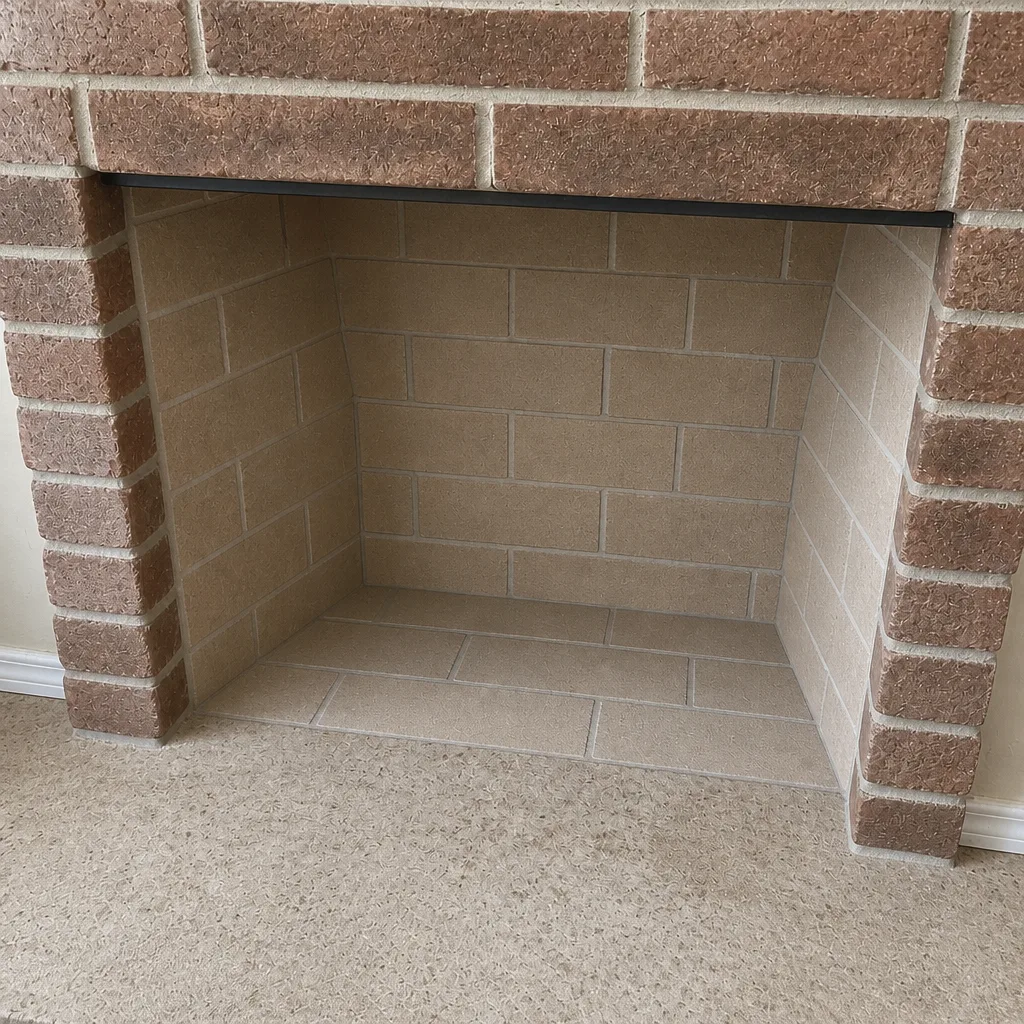
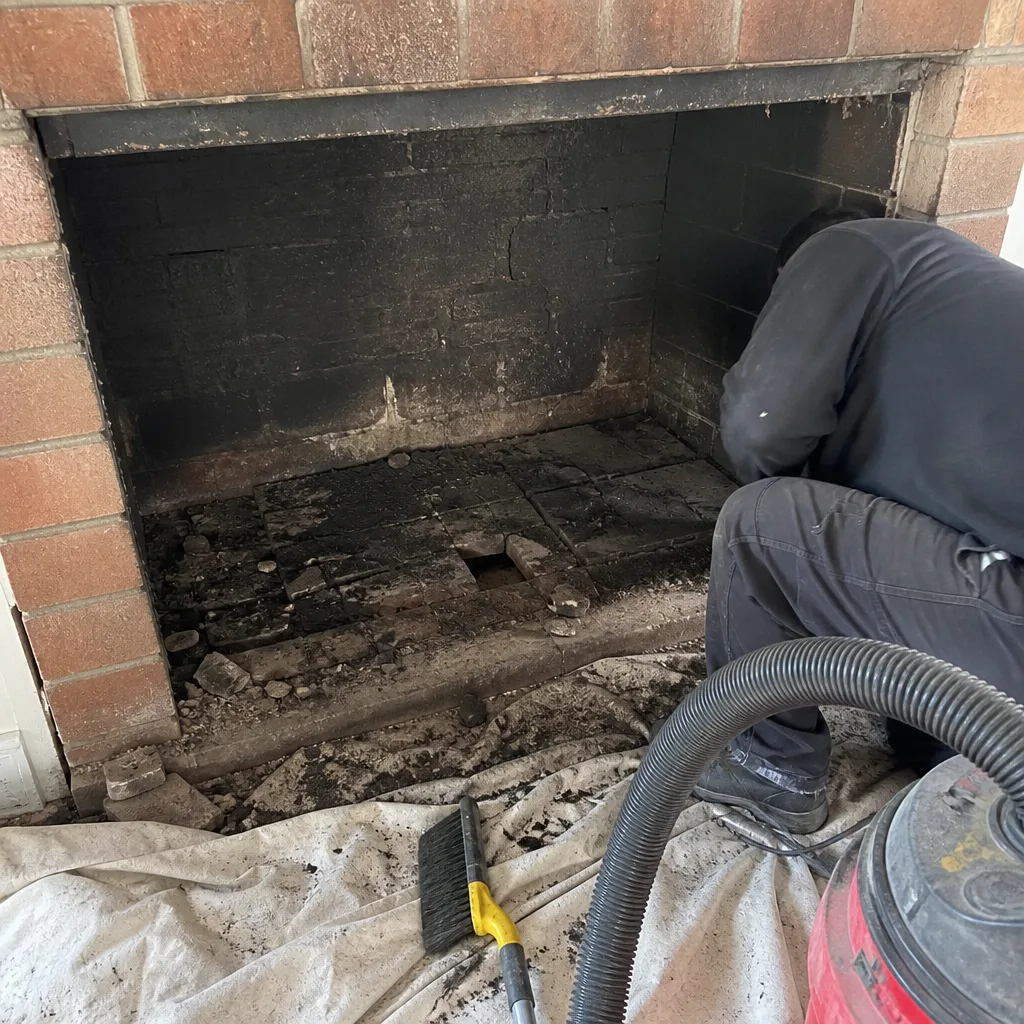
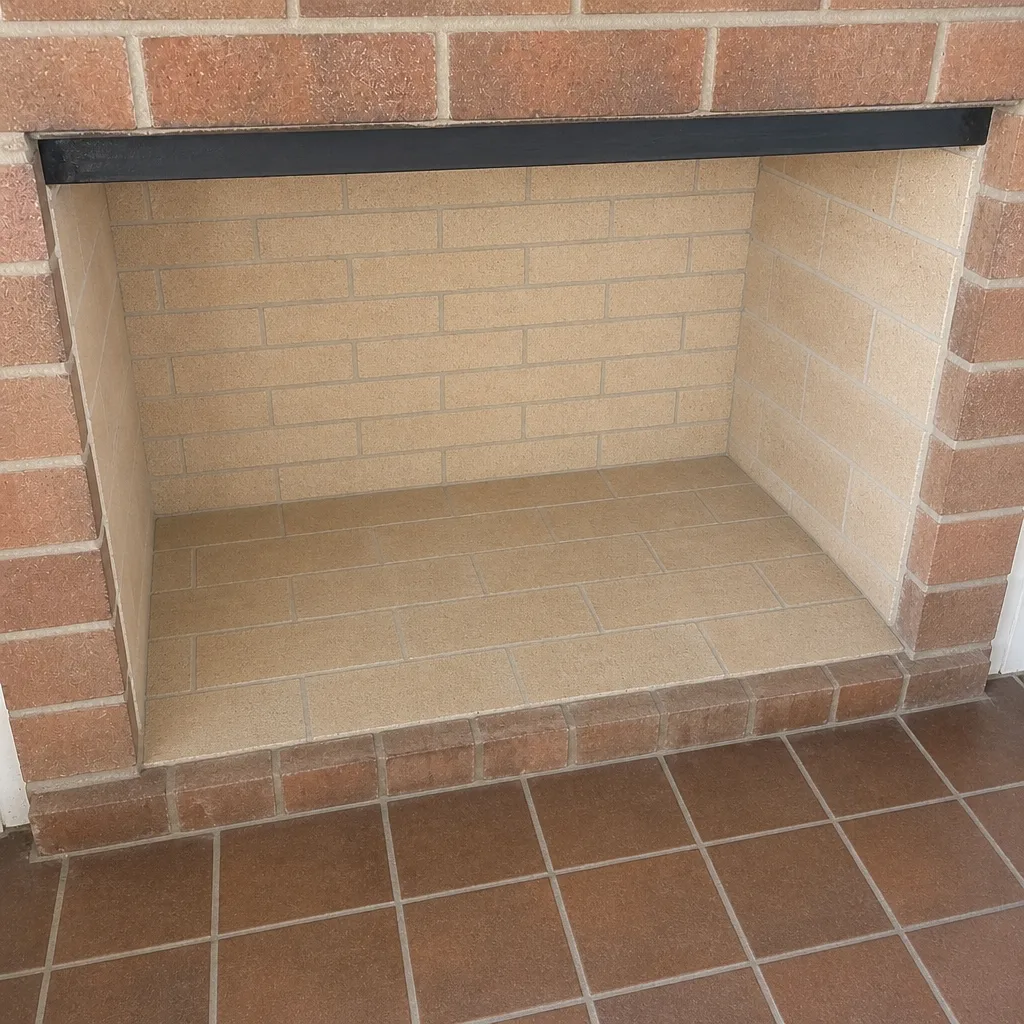
See the difference
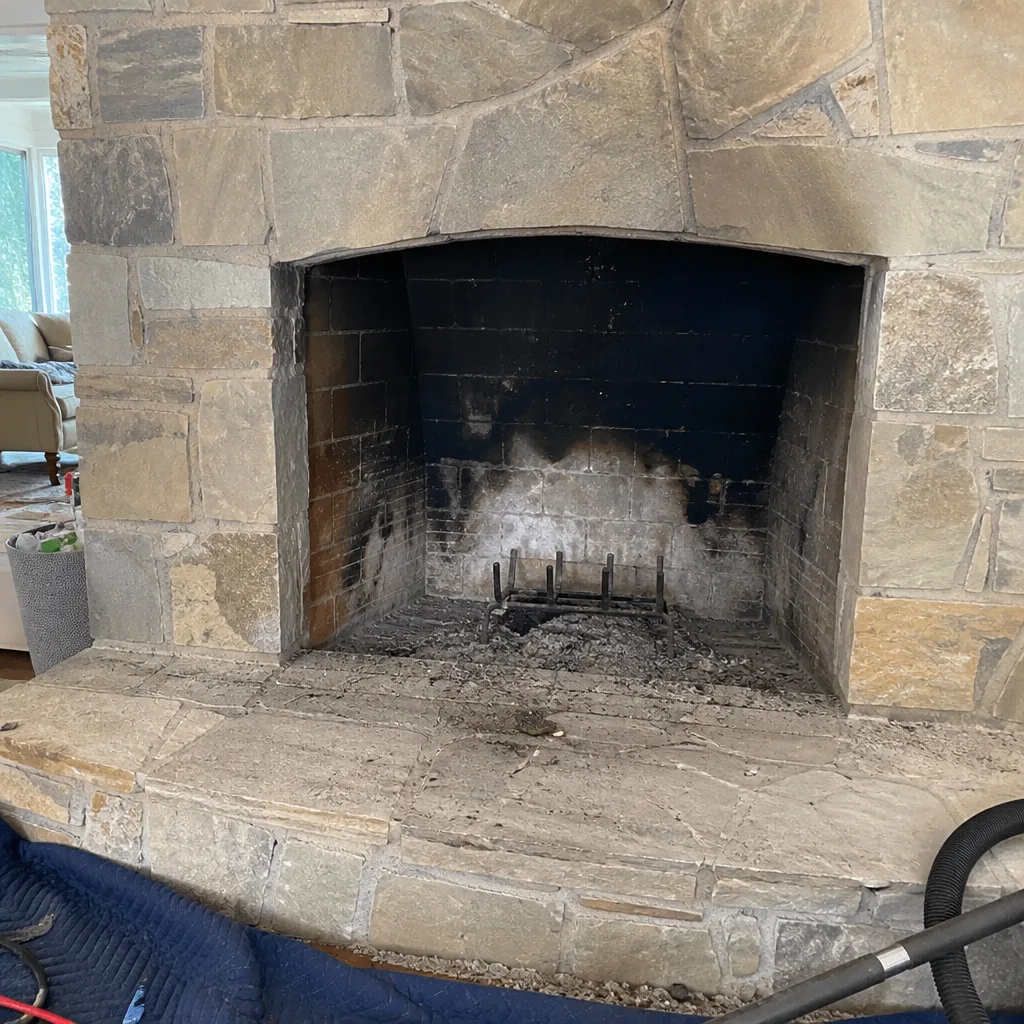 Before
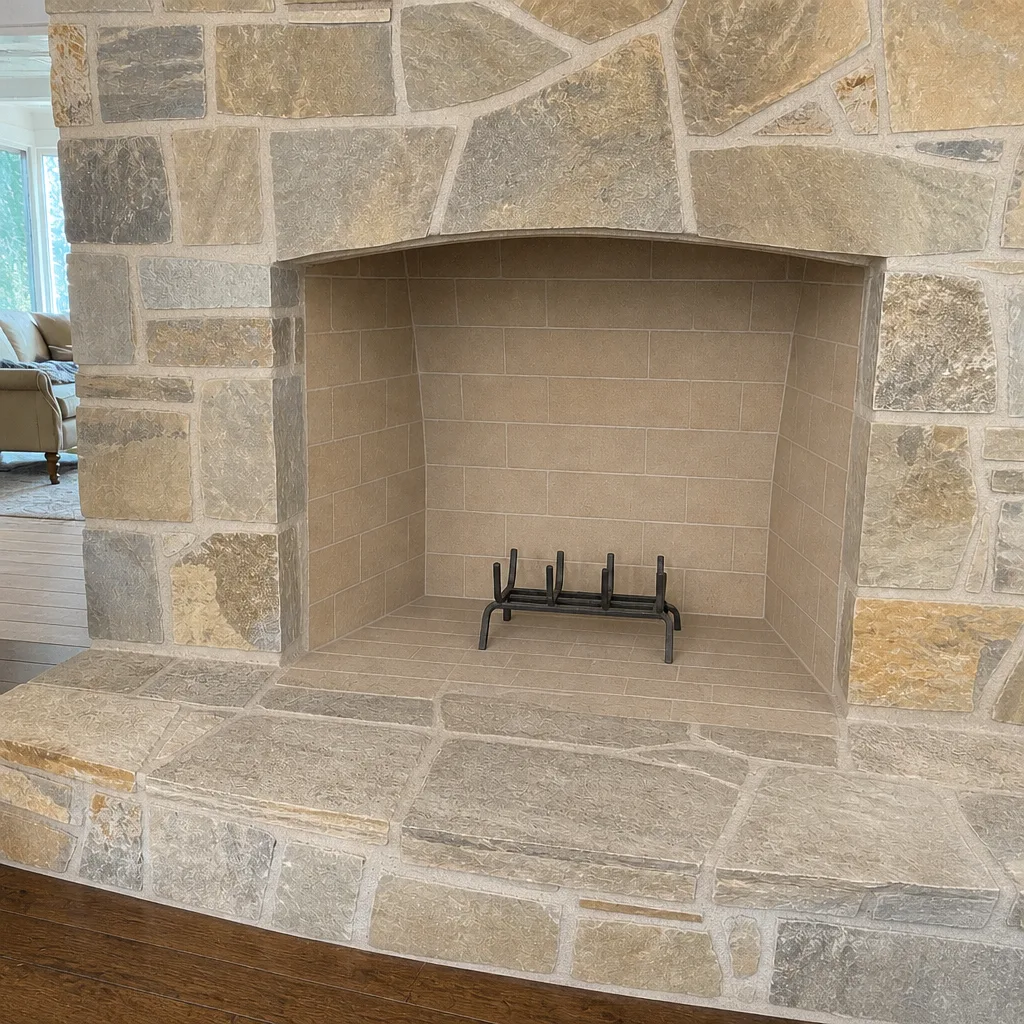 After
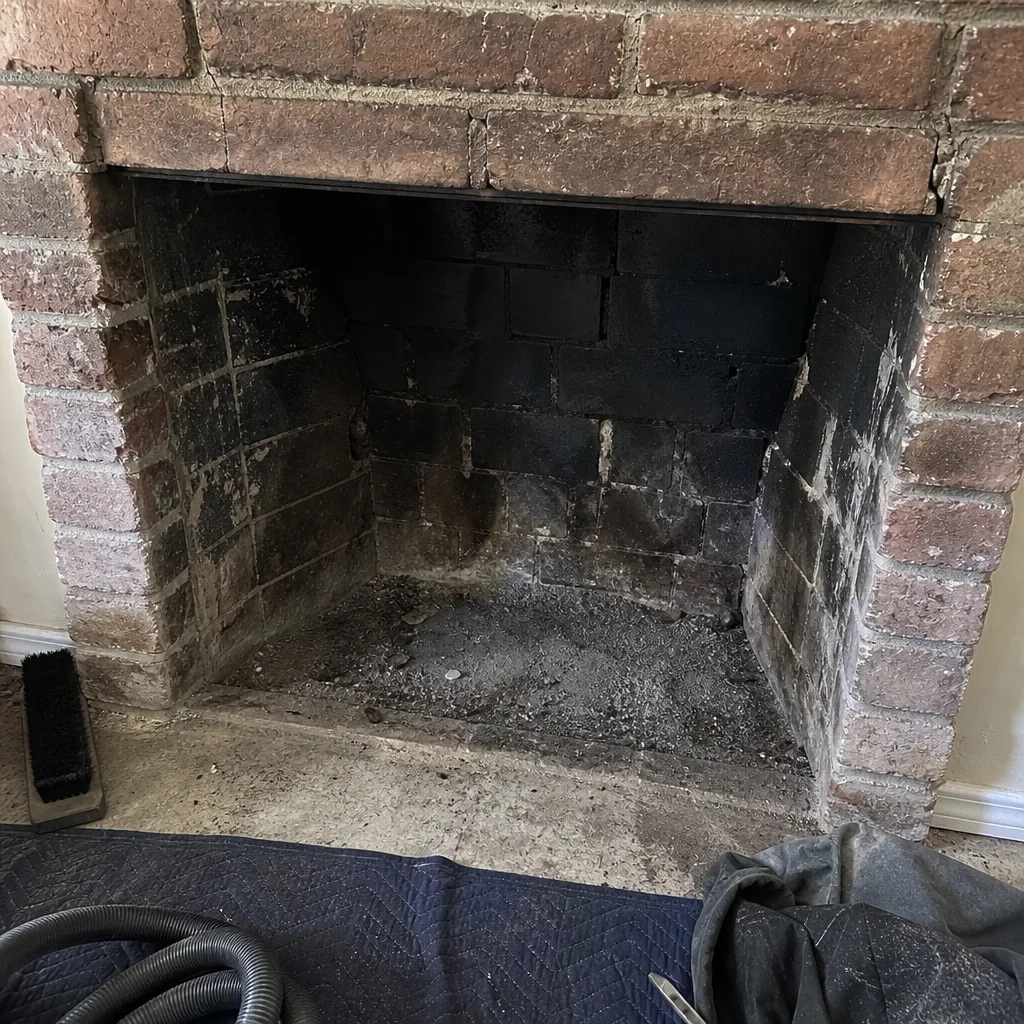 Before
 After
 Before
 After
When to Call a Professional
Routine chimney cleaning is a once-a-year or twice-a-year job depending on use. But there are specific moments when a professional should be called sooner. If you’ve recently bought a home in San Juan Capistrano, the first call should be for an inspection before you light a fire. If your fireplace has sat unused for more than a year, the flue may have accumulated debris, animal nests, or moisture damage that only a camera inspection will reveal. If you notice smoke drafting into the room when you light a fire, that’s a venting issue, not a cleaning issue. If you see cracked masonry on the exterior, damaged tile in the firebox, or water staining near the crown, get it inspected before the next burn season.
And if you’ve had a contractor out who found “everything,” but you can’t see the evidence, call us for a second look. Chimney Sweep San Juan Capistrano offers free estimates in San Juan Capistrano – call (844) 451-2583. We answer 24/7. Fast dispatch from 7am to 7pm, Sunday through Friday.
Frequently Asked Questions
A typical chimney sweep in the San Juan Capistrano market is priced per job based on the estimate, not a flat rate. The written estimate is the final price, and it should include the camera inspection and written report. The cheapest bid may exclude one or both. Call (844) 451-2583 for an exact quote – estimates are free.
Yes, for different reasons. CSIA certification verifies the technician’s training in chimney work. The California C-61/D-49 contractor license verifies the business is authorized, bonded, and insured to perform repair work. A sweep who has one but not the other has a gap in either knowledge or legal authorization.
It depends on how much you burn and what you burn. Wood-burning fireplaces that see regular use generally need a sweep once a year. Gas fireplaces are lower maintenance but still benefit from an annual inspection. The number most homeowners should track is soot accumulation, not calendar days. A professional inspection gives you the specific answer for your flue.
Creosote builds up in the flue with every fire, and if it’s left long enough it can ignite. That risk is real but it’s not the only one. Debris from animals or birds can block a flue entirely, and a blocked flue is a carbon monoxide pathway into the living space. Skipping a sweep isn’t just about a dirty chimney. It’s about the safety of the whole venting system. Call (844) 451-2583 to book an inspection and get a clear read on your flue.
No. Two proposals for the same job can look wildly different in total cost while covering completely different scopes. One may include the camera inspection and written report, another may not. One may specify HeatShield resurfacing, another may specify “ceramic repair” without naming the method. Compare scope line-item by line-item, then see who is actually doing the complete job.
That’s the most common concern we hear. The answer is the camera report: photos of every finding, with location and description, so you can see what the technician sees. If the sweep can’t show you the evidence, don’t approve the repair. A legitimate finding has a photo attached. A legitimate contractor is fine with you taking a day to review it. Call (844) 451-2583 if you want a second look.
The Bottom Line
Hiring a chimney cleaning contractor in San Juan Capistrano comes down to a short list: verify the CSIA technician credential and the C-61/D-49 contractor license separately. Ask the technical questions before booking, not after. Insist on a written inspection report with photos. Compare bids by scope, not total price. And choose a company that can both diagnose and repair, so the findings don’t get handed off to a second contractor. That last point matters more than most homeowners realize, because the sweep who only sweeps has no incentive to find anything the repair company wouldn’t already. A specialist who handles cleaning through structural restoration under one relationship is the only one who can be accountable for the whole job.
If you want to book a sweep, call (844) 451-2583. We answer 24/7. Fast dispatch from 7am to 7pm, Sunday through Friday. Estimates are free, and the written estimate sets the final price.
Written by the team at Chimney Sweep San Juan Capistrano.