
Last updated November 25, 2026
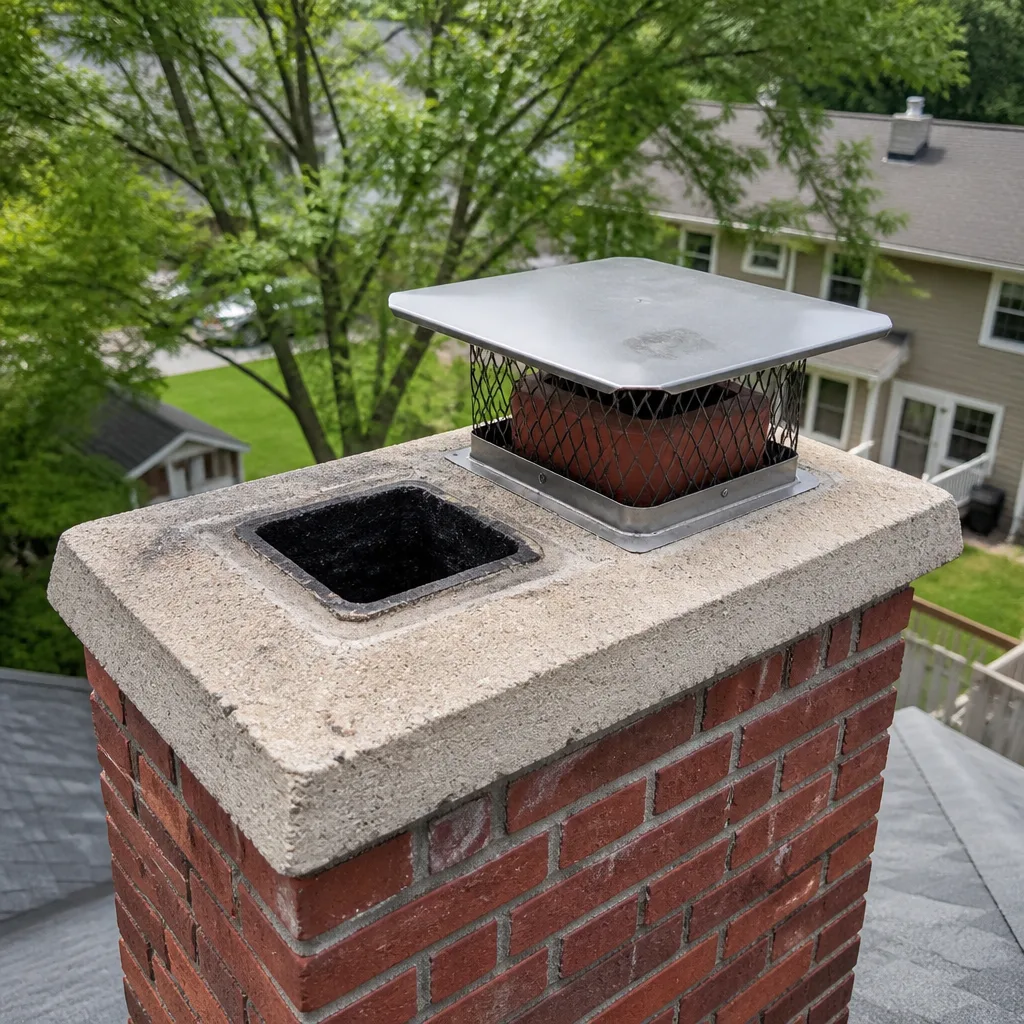 Sweep & inspection
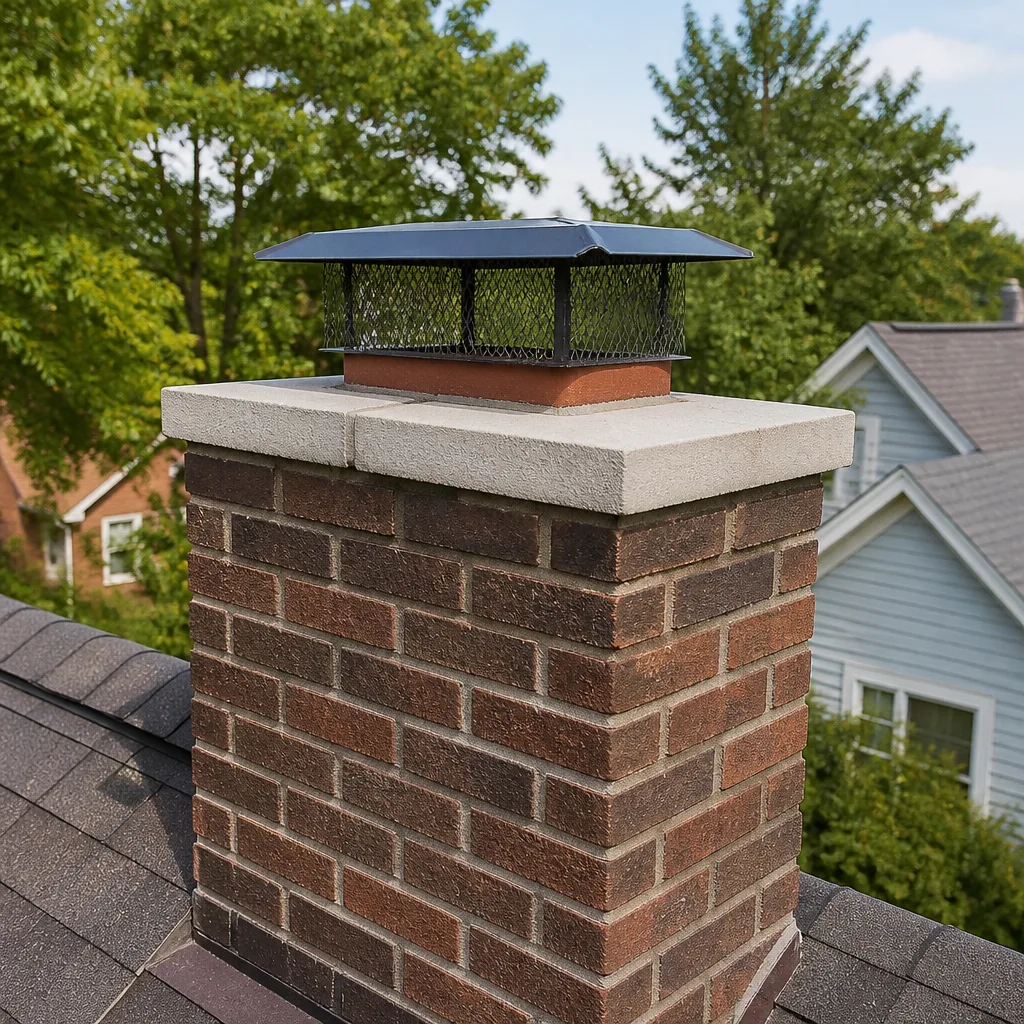 Caps & crowns
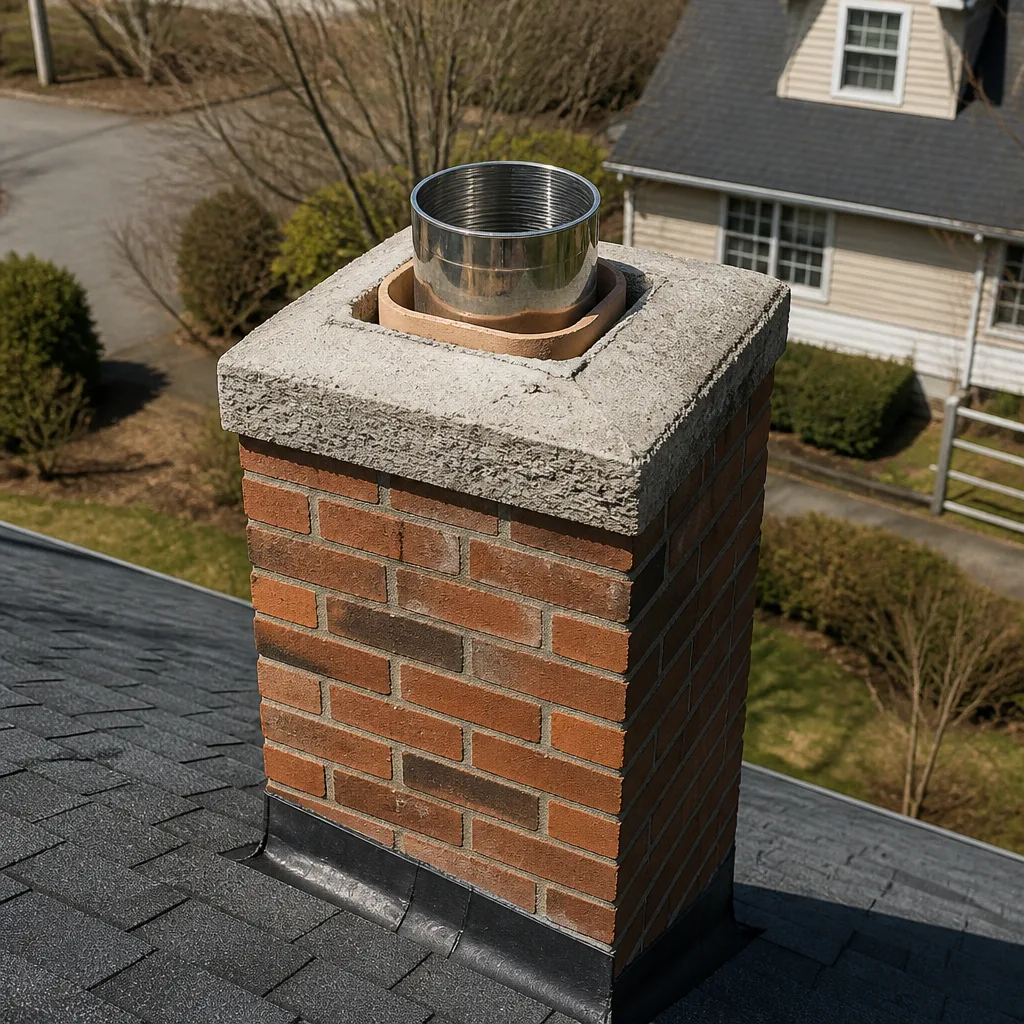 Flue relining
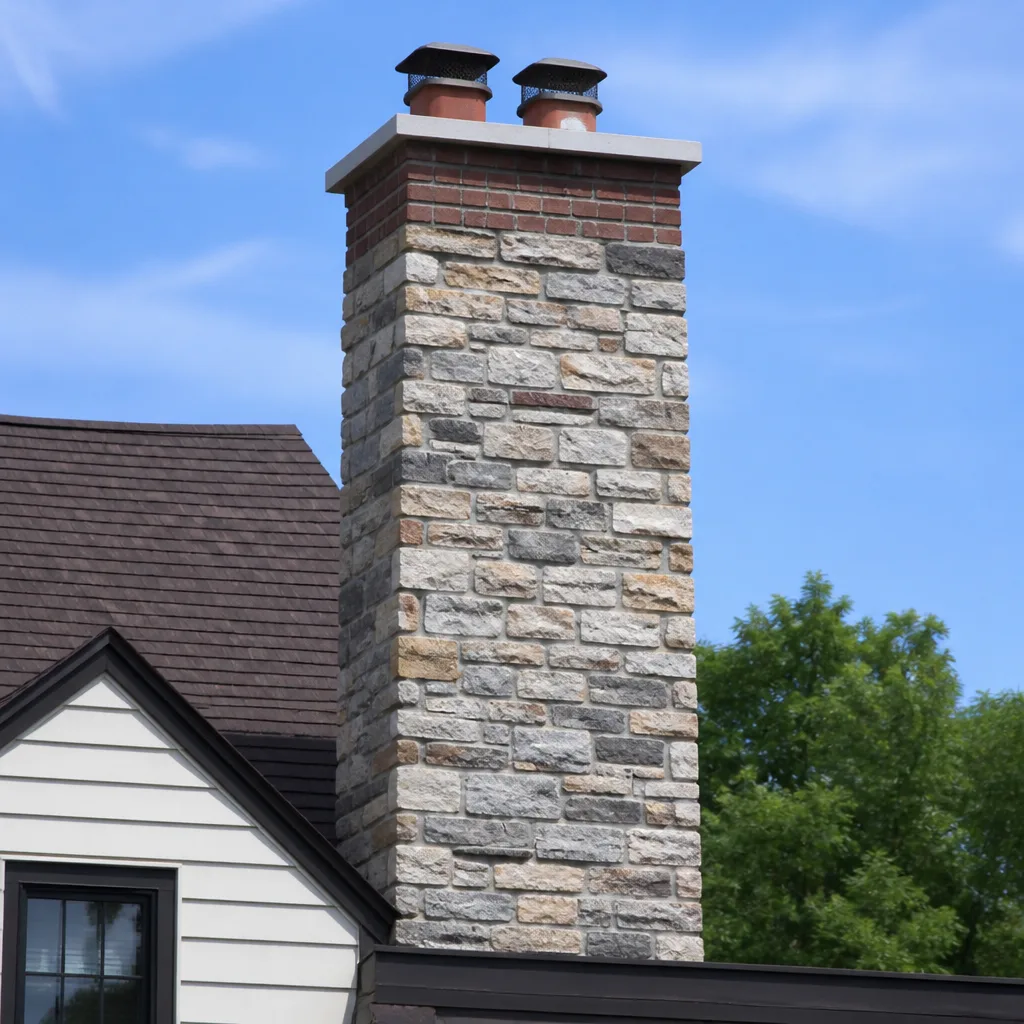 Masonry repair
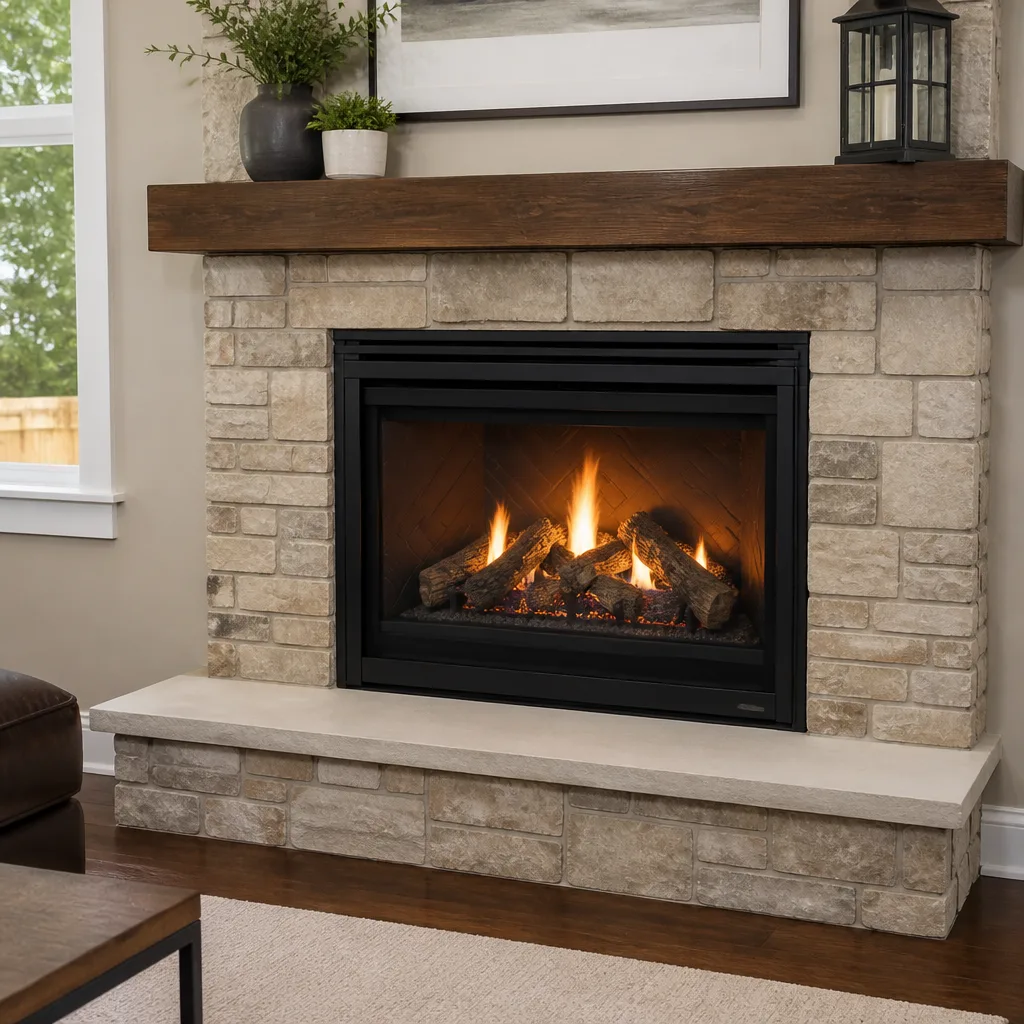 Gas fireplace service
Level 1 sweep and inspection to the NFPA 211 annual standard - flue, crown, cap, and flashing checked and photographed
Chimney sweep logs do not sweep chimneys. They loosen some creosote - which then falls where a brush and vacuum still have to collect it.
Chimney Cleaning Cost Breakdown: The San Juan Capistrano Homeowner’s Reference for 2026
The $79 chimney cleaning special and the $299 chimney cleaning are not the same service with a different price. They’re different services that happen to share a name. One is a twenty-minute brush-and-go. The other is a documented sweep with a camera inspection, a written report, and a technician who can tell you what’s actually happening inside the flue. When you compare quotes across San Juan Capistrano without comparing scope, you’re not shopping for a better price. You’re shopping for a different product. This guide breaks the real costs down line by line so you can read a quote and know what you’re actually buying.
Quick Answer
A standard chimney sweep in San Juan Capistrano typically runs $175 to $325 in 2026, with most homes landing near $225. A full-service cleaning that includes a Level 1 inspection and a written condition report usually falls in the $250 to $400 range. A Level 2 camera inspection, cap replacement, or damper repair adds $150 to $700 depending on what’s found. The written estimate you receive after the technician assesses your chimney sets the final price. Nothing is charged until you agree to it.
Styles & brands we work with
- Sweep & inspection
- Caps & crowns
- Flue relining
- Masonry repair
- Gas fireplace service
Table of Contents
- Why chimney cleaning quotes in San Juan Capistrano range from $79 to $400
- Line-item breakdown: what a legitimate full-service cleaning actually includes
- Inspection levels: the cost driver nobody talks about
- Common add-on services and their realistic price ranges
- How to evaluate a quote’s scope, not just its number
- The long-term cost of skipping cleanings: why cheap today costs more later
- What happens during a real San Juan Capistrano chimney cleaning
- Why material quality drives price variance in caps, crowns, and liners
Why chimney cleaning quotes in San Juan Capistrano range from $79 to $400
The spread isn’t chaos. It’s scope. When you call three companies in San Juan Capistrano and get three prices that don’t match, the difference almost always lives in what’s included and what’s silently left out.
A cut-rate sweep usually means one pass with a brush, a shop vac, and a visual look up the flue from the firebox. No camera. No written report. No confirmation that the smoke chamber is actually clean or that the damper opens and closes correctly. That’s a legitimate transaction at a low price. But it’s not the same job as a full-service cleaning, and it doesn’t give you the information you need to know your chimney is safe.
A full-service cleaning in the Orange County market includes several distinct components, each of which costs labor time and materials:
- Protective floor and hearth covering before any tool comes out of the van
- Firebox cleaning, including ash removal and grate clearing
- Flue brushing with the correct brush type for your liner material
- Smoke chamber and shelf cleaning (this is where most cut-rate sweeps stop short)
- A camera inspection of the flue interior
- A written condition report with photographs if anything is flagged
The gap between a $79 “cleaning” and a $275 cleaning isn’t a $196 markup on the same work. It’s the difference between a brush pass and a documented assessment. In San Juan Capistrano, where many homes have older masonry chimneys with original flue tiles, that assessment matters. It’s the only way to know whether a hairline crack in a tile has become a real problem before it turns into a fire risk or a liner replacement.
We’ve also seen quotes that include a walk-on roof inspection of the cap and crown without asking permission first, which adds cost to the ticket whether you wanted it or not. A clear quote should separate what’s included in the base price from what’s being recommended as additional work. If those categories are blended, ask for a written scope.
Line-item breakdown: what a legitimate full-service cleaning actually includes
Here’s what each component of a real chimney cleaning typically costs in the Orange County market in 2026, priced as separate labor items so you can compare apples to apples when a quote arrives.
- Standard flue sweep (single flue): $175 to $275
- Firebox and ash pit cleaning: $40 to $90
- Smoke chamber cleaning: $50 to $120
- Level 1 inspection (visual, no camera): included in most full-service sweeps
- Level 2 camera inspection of the flue: $125 to $250
- Written condition report with photos: usually bundled, sometimes $25 to $75 standalone
- Damper check and lubrication: $0 to $60 if no repair needed
- Chimney cap inspection (from the ground or roofline): included in most inspections
Add these up and a full-service cleaning with a Level 2 camera inspection lands in the $325 to $500 range. A basic cleaning with a Level 1 visual comes in closer to $200 to $280. Both are legitimate services. The question is which one your chimney actually needs in 2026, and that’s a question the technician should answer based on what they find, not what’s on the call script.
Two line items tend to get quietly dropped from low quotes. The first is smoke chamber cleaning. The smoke chamber is the sloped area above the damper and below the flue, and it collects creosote and soot in a way the flue doesn’t. It’s harder to reach, takes longer, and can’t be brushed blind. The second is the written report. A report isn’t paperwork. It’s the record you’ll want when you sell the home, when you file an insurance claim, or when you’re comparing what one company found against what another one says next year.
If your quote has no line for the smoke chamber, ask why. If it has no line for documentation, ask what you’ll get in writing. Those two questions will tell you more about the company than the price will.
Inspection levels: the cost driver nobody talks about
This is the single biggest reason two San Juan Capistrano homeowners with similar houses get quotes that differ by $150 or more. Chimney inspections are classified by depth, and the level performed changes the price substantially.
Level 1 inspection
A Level 1 is a visual inspection of readily accessible portions of the chimney, firebox, and flue, without a camera. It’s the appropriate level when you’ve been using the chimney regularly, nothing has changed, and you just need an annual condition check. Most full-service sweeps include a Level 1 as part of the cleaning price.
Level 2 inspection
A Level 2 adds a camera inspection of the flue interior from top to bottom, plus a look at accessible portions of the attic and crawl space where the chimney passes through. It’s required after any chimney fire, after a change in fuel type, after an earthquake or major storm event, and whenever a property changes hands. It’s also the right call if you’ve just bought a home in San Juan Capistrano and don’t know the chimney’s history. A Level 2 typically adds $125 to $250 to the cleaning cost.
Level 3 inspection
A Level 3 involves removing parts of the chimney or surrounding structure to access concealed areas. This is uncommon and only happens when a Level 1 or Level 2 uncovers a specific concern that can’t be resolved any other way. Your quote for a Level 3 should be itemized and explained before any work starts.
Here’s the practical test: if a company in San Juan Capistrano quotes you a cleaning and doesn’t mention which inspection level is included, the quote isn’t complete. That’s not a red flag on the company. It’s a gap in the conversation. Ask the question, and the answer will tell you exactly what the price covers.
Common add-on services and their realistic price ranges
Add-ons are where chimney pricing gets real. A basic sweep rarely stays a basic sweep once the technician sees the roof. Here are the ranges we see for the work most commonly added to a cleaning in the Orange County market.
- Chimney cap replacement (single flue, standard galvanized): $175 to $325 installed
- Chimney cap replacement (stainless, multi-flue, custom-fit): $275 to $550 installed
- Crown repair (moderate cracking, sealant only): $150 to $400
- Crown rebuild (structural failure): $600 to $1,800
- Damper repair or replacement: $225 to $600
- Waterproofing application (masonry exterior): $250 to $600
- Flue relining with a stainless flexible liner: $2,200 to $4,500
- Ceramic flue resurfacing (HeatShield system): $1,400 to $3,200
The gap between the low and high end of each range comes down to materials and access. A galvanized cap from the hardware store and a stainless cap from a manufacturer like Gelco are not the same product. One lasts a few seasons in sun-baked conditions. The other is engineered for weather sealing and proper vent geometry, and it’s what we install because it holds up. The same is true for crown work, where Famco components and a proper mix versus a generic patch compound will make the difference between a repair that holds for a decade and a repair that cracks again after the next rainy season.
Waterproofing is worth mentioning specifically because it’s often sold poorly. Masonry chimneys in San Juan Capistrano take a lot of sun and a wet winter when it comes. A breathable waterproofing product applied correctly extends the life of the brick and mortar. A non-breathable sealant traps moisture and can accelerate spalling. If your quote lists “sealing” without naming the product, ask what it is. The material matters more than the price line.
For liner work, the honest answer matters most. Not every chimney needs a full reline. HeatShield’s ceramic resurfacing system is a professional-grade option for flue tiles that are compromised but still structurally sound. It restores flue integrity without the cost of a full stainless liner. Many generalist companies don’t offer it because they don’t stock it. We do, and we’ll tell you when it’s the right call versus when a chimney repair plan that includes a DuraFlex liner is the honest recommendation.
How to evaluate a quote’s scope, not just its number
Read the quote for what’s in it and what’s missing. A complete scope always includes these items, and any absence is a signal worth asking about.
- Protective covering before work begins. No exceptions. If it’s not in the quote, ask.
- Flue brushing with the correct brush type. A rotary brush on a stainless liner and a plastic brush on clay tile are not interchangeable.
- Smoke chamber cleaning. If it’s not listed, the cleaning is partial.
- Level of inspection named explicitly. “Full inspection” is not a level. Level 1, 2, or 3 is.
- Written report with photos if anything is flagged. If the tech finds a crack in the flue tile and there’s no photo in the report, ask for one.
- Clear separation between included work and recommended additional work. Blurred quotes are how homeowners end up agreeing to work they didn’t fully understand.
- A written estimate for any additional work before it’s performed. The price for the cleaning is set at booking. The price for anything beyond that sets in writing before the technician starts.
Those seven items are the test. Apply them to every Chimney Sweep San Juan Capistrano quote you receive and you’ll see very quickly which ones are the same service at different prices and which are actually different services.
We do a chimney sweep that includes a camera inspection and a photo report as a standard part of the service. Not as an upsell. The reason is simple: a cleaning without a camera doesn’t tell you whether your flue is safe. It tells you it looks clean from below. Those are different statements. An inspection that leads to repair in one relationship matters, because a company that diagnoses a problem and a company that fixes it need to be the same company. Otherwise the finger-pointing starts before the crew leaves the driveway.
The long-term cost of skipping cleanings: why cheap today costs more later
Skipping a $250 cleaning doesn’t save $250. It defers a cost that compounds at every stage of the chimney system. This is the piece that gets left out of most price comparison guides, and it’s the one that matters most to a homeowner’s wallet.
Creosote accumulates in three stages. Each stage is harder to remove than the last, and each increases the temperature at which creosote can ignite. A chimney that’s been cleaned every year stays in stage one or early stage two, and a brush removes it. A chimney that skips two or three years moves into stage three glazed creosote, which can’t be brushed away and often requires chemical treatment or, in severe cases, resurfacing or relining.
The same principle applies to smoke chamber erosion. The smoke chamber is the sloped area above the damper and below the flue. Soot and creosote collect on the walls. As it accumulates, moisture from combustion interacts with the mortar, and the parging (the protective coating on the smoke chamber walls) breaks down. Once that happens, the smoke chamber can no longer do its job of smoothly guiding exhaust up the flue. Heat from the firebox reaches the surrounding masonry more quickly. A smoke chamber that needed cleaning at $90 becomes a resurfacing job at $1,400 to $3,200, and in severe cases a masonry rebuild.
Masonry damage follows the same pattern. Small cracks in the crown or the mortar joints let water in. Water freezes (rare in San Juan Capistrano, but the wet winter does the same work over time) and expands. Mortar that was a $50 repair becomes a $600 to $1,800 crown rebuild. Brick that was a $250 waterproofing application becomes a $3,000 to $6,000 rebuild. Every one of these numbers starts with a line item you can actually afford now.
None of this is scare-selling. It’s the actual math of an ignored chimney, and in our experience it’s the same math in every house we visit. A yearly cleaning plus a documented inspection is the cheapest thing you’ll ever do for your chimney. Everything after that gets more expensive, and the compounding works against you, not for you.
What happens during a real San Juan Capistrano chimney cleaning
Here’s the sequence a proper cleaning follows, so you know what to expect and what a technician should be doing on-site.
- Walkthrough and protection. The technician lays floor and hearth coverings, checks the firebox, checks the damper, and confirms which flue you’re using.
- Firebox and ash removal. Ash and debris are removed before any brushing begins so the vacuum can do its job without clogging on loose material.
- Flue brushing. The correct brush type for your liner is run the full length of the flue from the firebox side, with the vacuum running continuously to capture airborne dust.
- Smoke chamber cleaning. The sloped transition area above the damper is cleaned separately, because the brush can’t reach it effectively from the flue side.
- Camera inspection. A camera is run through the flue from top to bottom, and the technician reviews the footage with you.
- Roof-side check. If accessible and safe, the technician checks the cap, crown, and visible masonry from the roofline or from the ground with a camera or binoculars.
- Written report. Anything found is documented with photos and a written estimate for any recommended work.
- Cleanup and walkthrough. The technician removes all coverings, confirms the firebox is clean, and reviews the report with you before leaving.
Two things to look for in that sequence. First, the smoke chamber step. If the technician skips it, the cleaning is partial, and it’s the part that matters most for safety in a wood-burning fireplace. Second, the camera review. If you’re not shown the footage and you don’t get a written report, you don’t actually know what your flue looks like. That’s not a matter of trust. It’s a matter of evidence, and the evidence is what makes a recommendation worth acting on.
If drafting problems brought you to this page, the same visit usually finds the cause. A fireplace repair for a damper that isn’t sealing correctly, a smoke shelf that’s blocked, or a cap that’s the wrong size for the flue will fix a draft that a cleaning alone won’t. We check all three on the same visit.
Why material quality drives price variance in caps, crowns, and liners
The biggest source of hidden cost differences in chimney work is materials, and most homeowners have no way to know what they’re getting unless it’s on the quote. Here’s what actually matters.
Chimney caps come in three practical tiers. Standard galvanized steel caps are cheap and fail within a few seasons of sun exposure. Stainless steel caps from manufacturers like Gelco and Olympia Chimney are engineered for weather sealing and proper vent geometry, which matters more than most homeowners realize. The cap’s job isn’t just to keep rain out. It’s to create the right draft geometry above the flue so smoke goes up and out, not back into the firebox. A cap that’s too tall, too short, or the wrong mesh size creates a draft problem the homeowner then blames on their fireplace. The right cap solves it.
Crowns follow the same logic. A crown is the concrete cap on top of the masonry chimney, sloped to shed water away from the flue. When it cracks, water gets in and the masonry fails from the top down. A proper crown repair uses a product like Famco’s crown mix formulated to adhere to old masonry and flex slightly with temperature changes. A generic patch compound or a smeared-on sealant doesn’t hold, and the crown cracks again within a season or two. The visual difference between the two at the time of installation is small. The difference after three winters is obvious.
Liners are the largest cost item and the one where material honesty matters most. A DuraFlex stainless liner is rated for wood, gas, and oil appliances and is the professional-grade choice for a full reline when the flue tiles are compromised. HeatShield’s ceramic resurfacing system is the professional-grade choice when the tiles are damaged but the structure is sound. Both are good answers. Which one is right depends entirely on what the camera shows, and that’s a conversation to have with the camera footage on the screen, not over the phone.
These brands exist for a reason. We name them because they matter to your safety. A hardware-store substitute in any of these positions is cheaper today and more expensive at every point after.
Common Mistakes to Avoid
- Comparing the $79 cleaning to the $299 cleaning without reading the scope. They’re different services with the same name. The $79 is a brush pass. The $299 is a documented assessment. Neither is dishonest, but only one tells you whether your chimney is safe.
- Booking a cleaning without confirming which inspection level is included. “Full inspection” is not an inspection level. Level 1, 2, or 3 is. A Level 2 adds $125 to $250 and is required if you’ve just bought the house.
- Assuming the cleaning includes the smoke chamber. Many low-cost tickets don’t touch it. The smoke chamber is the part above the damper, and it’s where creosote and soot collect in a way the flue doesn’t. Ask directly.
- Accepting an add-on recommendation without seeing the photo. If the technician says the crown needs repair or the flue tile is cracked, ask to see the camera footage or the photo. A recommendation without evidence is a sales pitch, not a diagnosis.
- Skipping the cap because it “looks fine.” A missing or wrong-sized cap is the most common cause of water damage to a masonry chimney in San Juan Capistrano. It costs $175 to $400 to replace and $1,800 or more to rebuild the damage it prevents.
- Deferring a cleaning because the fireplace wasn’t used much this year. Creosote doesn’t age out. It sits in the flue. A year of light use still deposits material, and the inspection is as valuable as the cleaning.
- Hiring a company that can only diagnose, not repair. A sweep that hands you a report and a recommendation but can’t do the work leaves you to find a second contractor. Ask upfront whether the same company will do the repair.
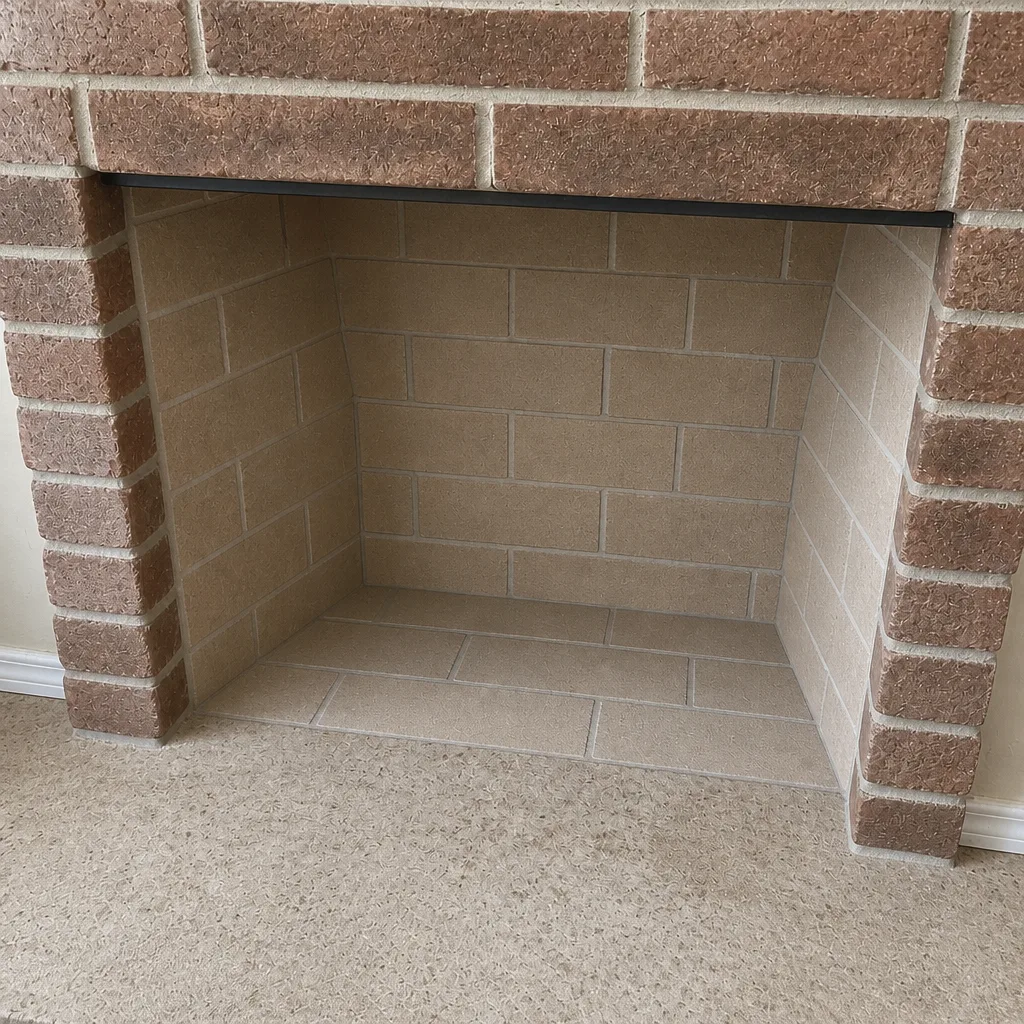
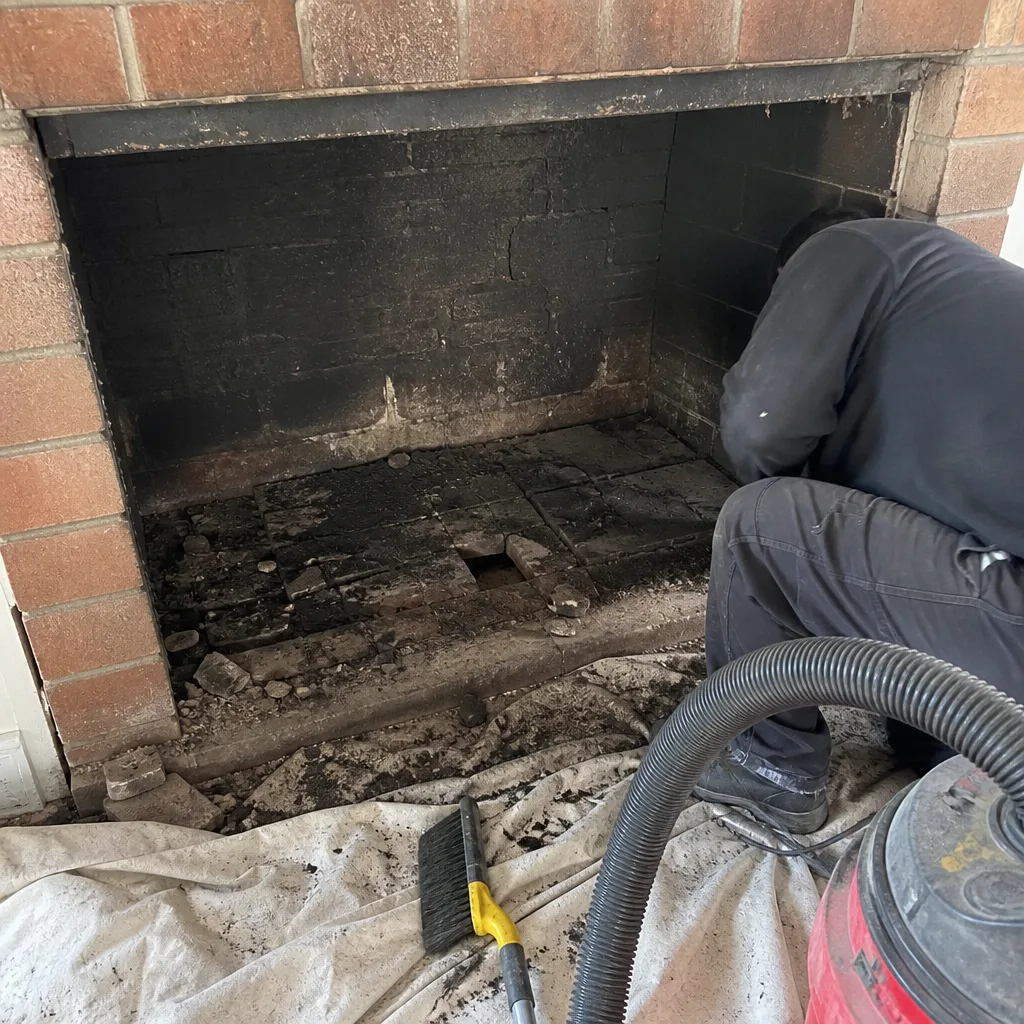
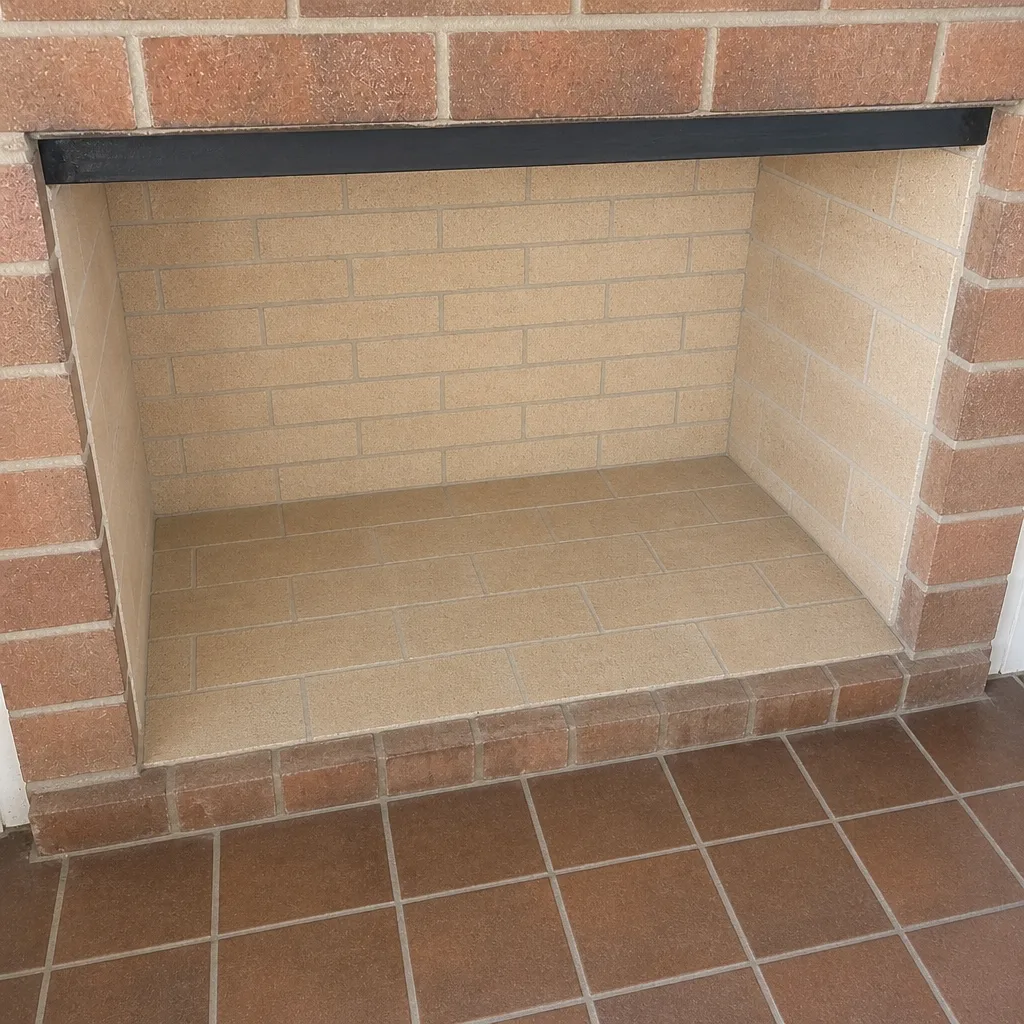
See the difference
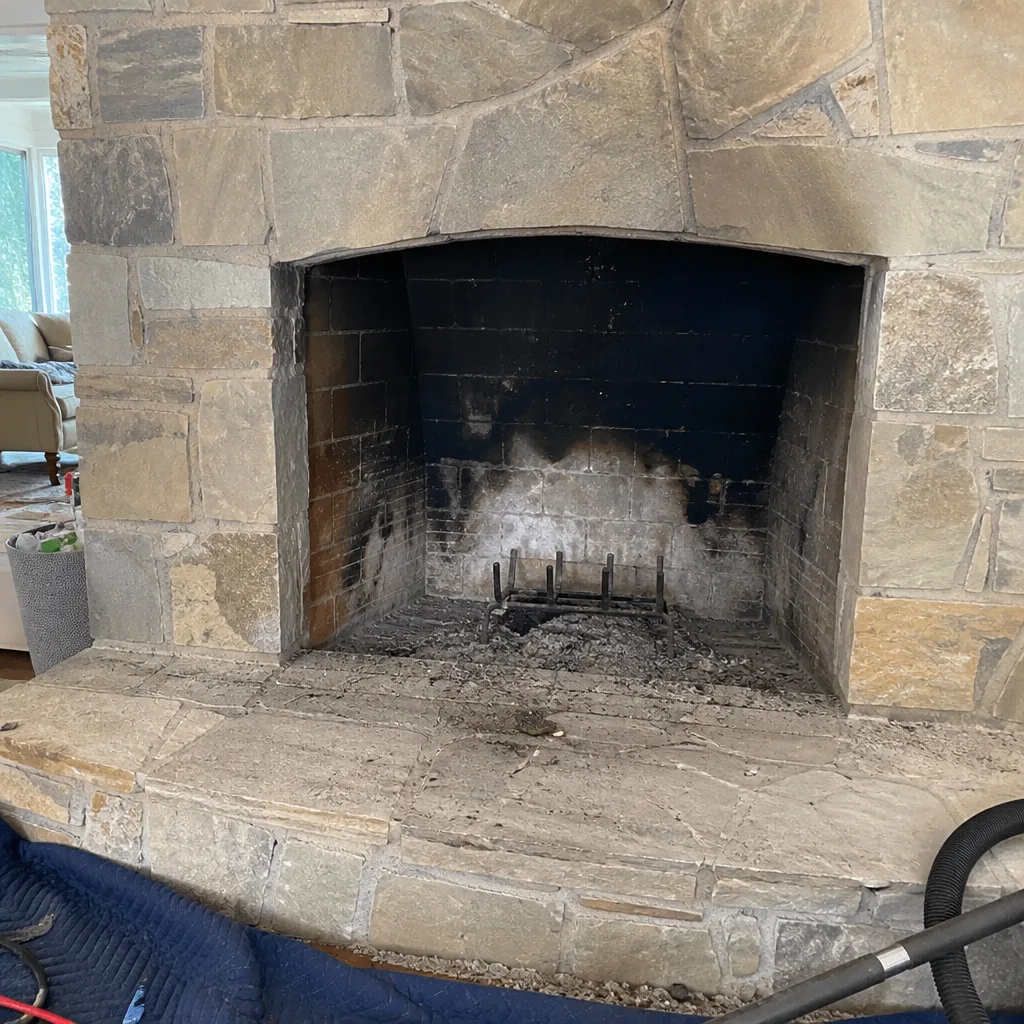 Before
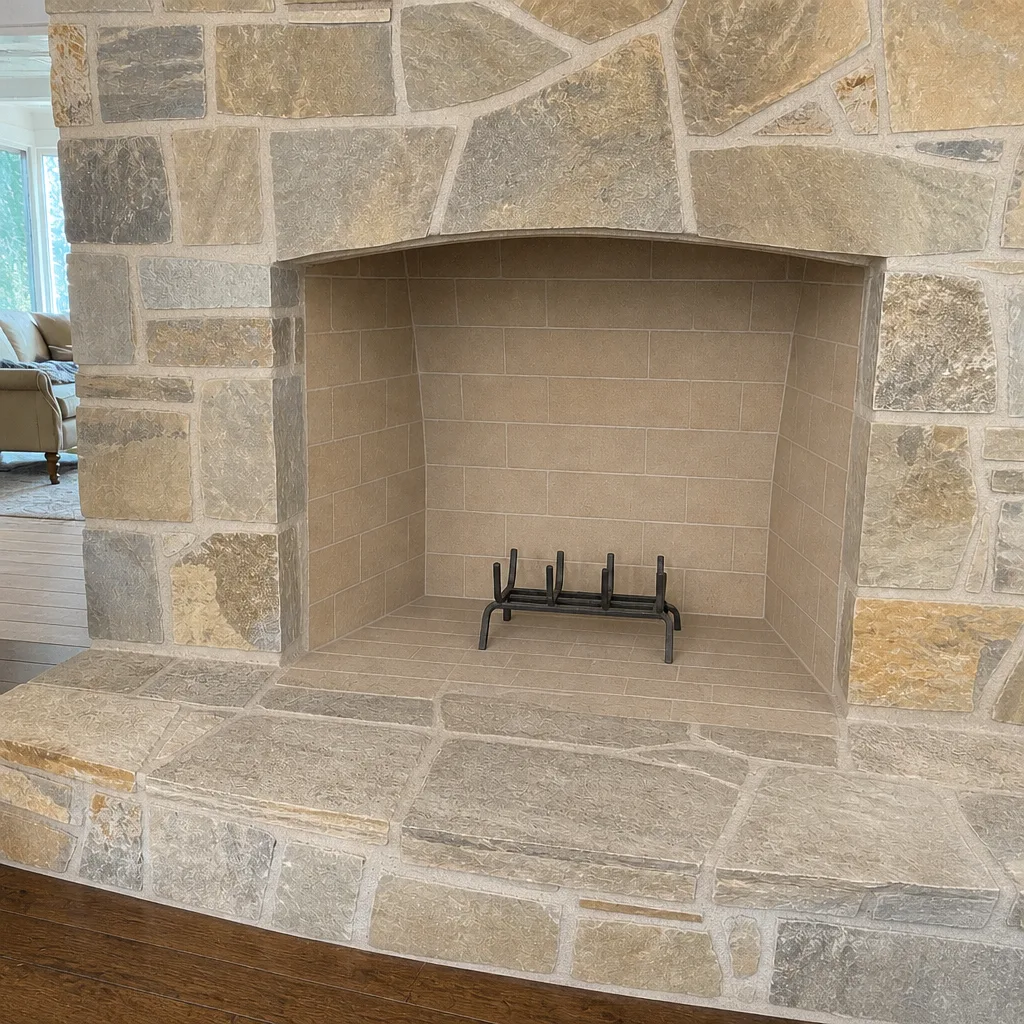 After
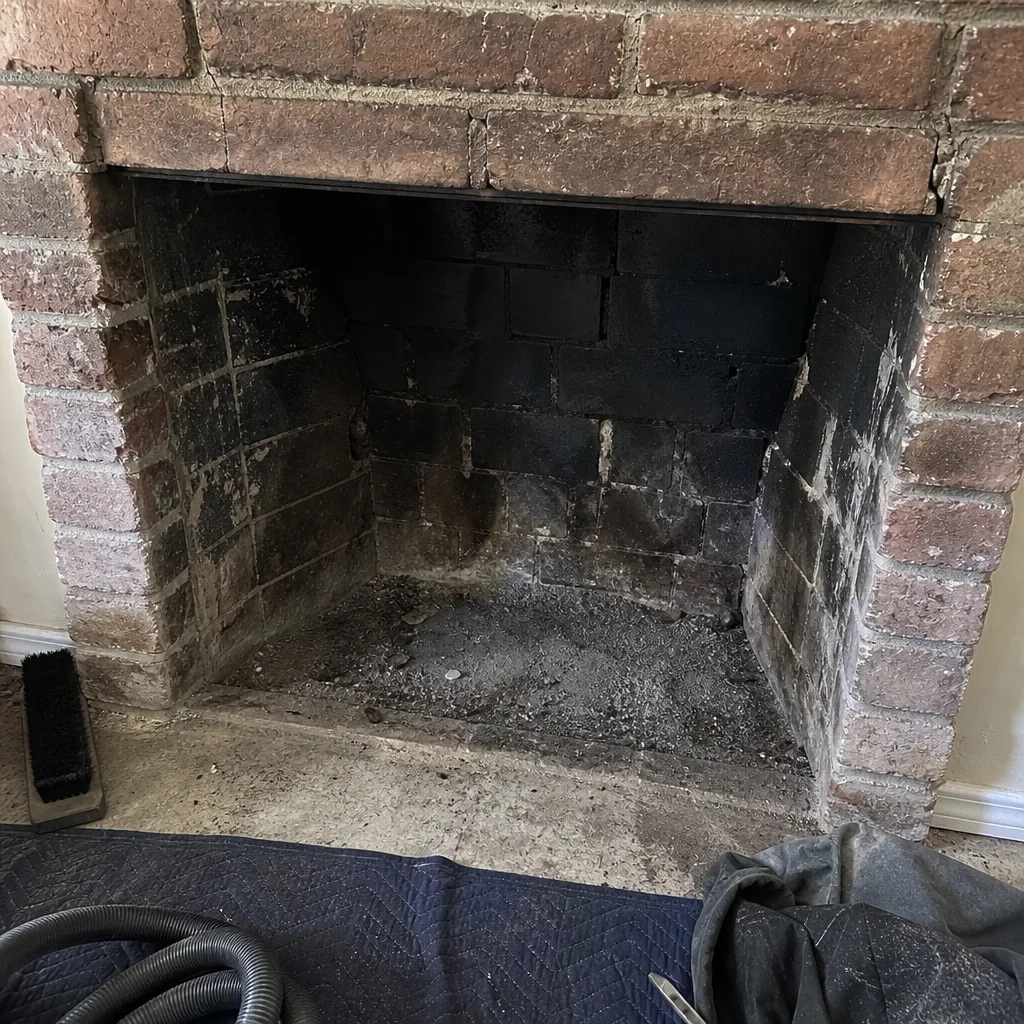 Before
 After
 Before
 After
When to Call a Professional
Call a professional if your chimney hasn’t been cleaned in the last twelve months, if you’ve just purchased a home in San Juan Capistrano and don’t know the chimney’s history, or if you’re using the fireplace for the first time after a dormant period. Call sooner if you notice strong odors, visible smoke coming back into the room, a damper that won’t fully open or close, or any cracking in the visible masonry above the firebox. Those signs point to problems a cleaning alone won’t solve and an inspection will. Never try to inspect or clean a flue yourself beyond the firebox; high-tension components and the potential for hidden cracks make this work for trained technicians. Chimney Sweep San Juan Capistrano offers free estimates in San Juan Capistrano. Call (844) 451-2583. We answer 24/7. Fast dispatch from 7am to 7pm, Sunday through Friday.
Frequently Asked Questions
A standard chimney cleaning in San Juan Capistrano typically costs $175 to $325 in 2026, with most homes falling near $225. A full-service cleaning that includes a camera inspection and a written report runs $325 to $500. Call (844) 451-2583 for an exact quote. Estimates are free.
Not every chimney needs a liner, and we say so when it doesn’t. A liner is the right recommendation when the camera shows clay flue tiles that are cracked, spalled, or offset enough that combustion gases could escape the flue. When tiles are compromised but the structure is intact, HeatShield ceramic resurfacing is often the honest middle option. If neither is needed, we tell you that. The camera footage is your evidence, and you should ask to see it before agreeing to any liner work.
Once a year for most wood-burning fireplaces, regardless of how often you use it. Two years is too long for creosote to sit, especially if you burn frequently. Gas fireplaces need inspection at the same cadence, because the venting system and the cap still need to be checked and the debris still accumulates. Call (844) 451-2583 to book an annual sweep and get a documented condition report at the same visit.
Creosote accumulates in stages, and each stage is harder and more expensive to reverse. Stage three glazed creosote can’t be brushed away and often requires chemical treatment or resurfacing. The smoke chamber parging breaks down, and the masonry absorbs damage that starts as a $150 repair and grows into a $1,400 to $3,200 resurfacing or a masonry rebuild. Skipping a $250 cleaning doesn’t save $250. It defers a cost that compounds. Call (844) 451-2583 before the next burn season for an honest assessment.
No. A cleaning removes soot and creosote. An inspection assesses the condition of the flue, firebox, smoke chamber, cap, crown, and visible masonry. A full-service cleaning usually includes a Level 1 inspection. A Level 2 adds a camera inspection of the flue interior and costs $125 to $250 more. If you want to actually know whether your chimney is safe, ask for the level by name. Call (844) 451-2583 with the details and we’ll tell you which level your situation calls for.
Because they’re often quoting different services under the same name. One quote may include smoke chamber cleaning, a camera inspection, and a written report. Another may include only a flue brush pass. The way to compare is to ask each company for a written scope that names the inspection level and lists every component. Call (844) 451-2583 and we’ll walk you through exactly what our quote includes before you book.
The Bottom Line
Chimney cleaning prices in San Juan Capistrano vary by a factor of three because the services being offered under that name vary by roughly the same factor. A cleaning that includes a camera inspection, smoke chamber work, and a written report is a different product than a brush pass, and the only fair comparison is scope to scope. Read every quote for the seven line items that should always be there. Ask which inspection level is included. Ask to see the camera footage before agreeing to any additional work. And remember that the cheapest cleaning isn’t the cheapest chimney. Annual service keeps the whole system in stage one, and every year you skip moves the next repair up a price tier. Our technicians have up to 11 years of experience with the full range of chimney work, from cleaning through structural repair. When you’re ready, we’ll give you a free estimate and a written scope that you can actually read.
Call (844) 451-2583 for a free estimate. We answer 24/7. Fast dispatch from 7am to 7pm, Sunday through Friday.
Written by the team at Chimney Sweep San Juan Capistrano.