
Last updated November 25, 2026
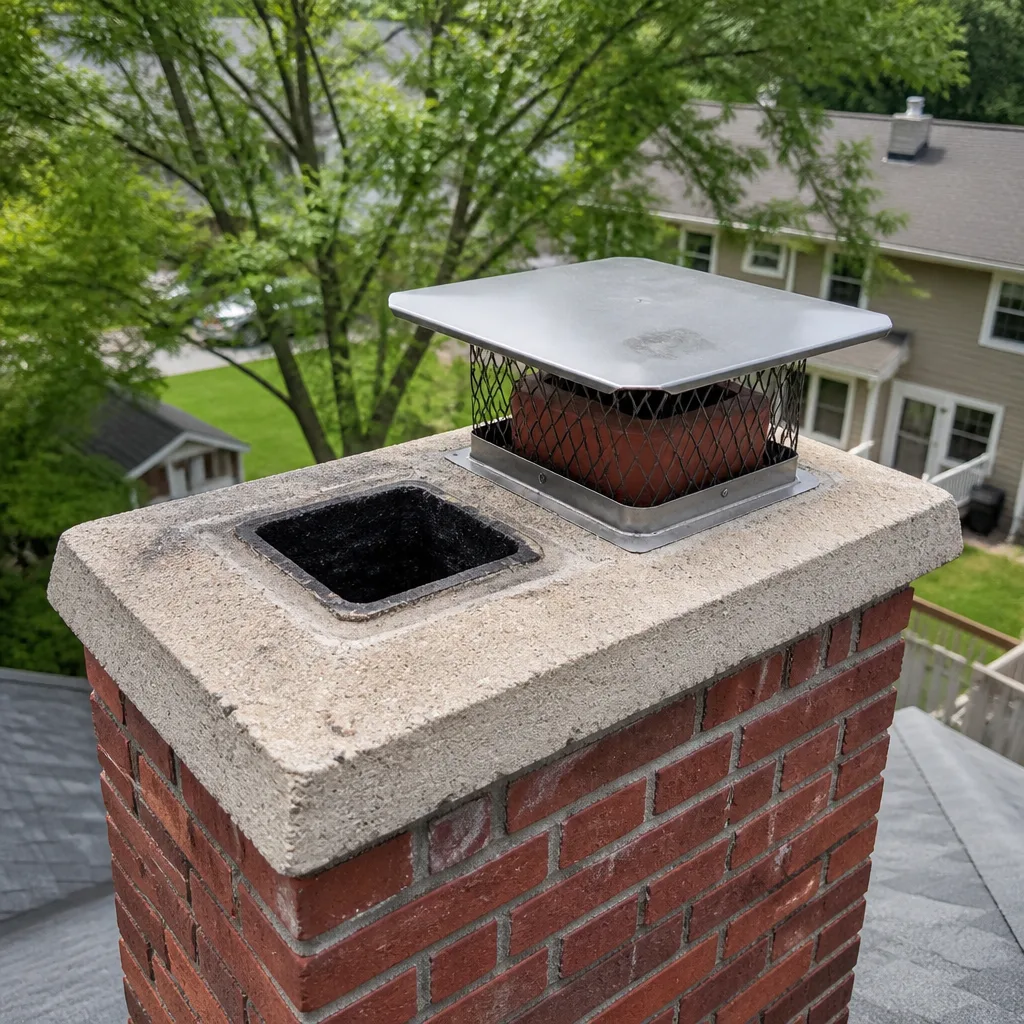 Sweep & inspection
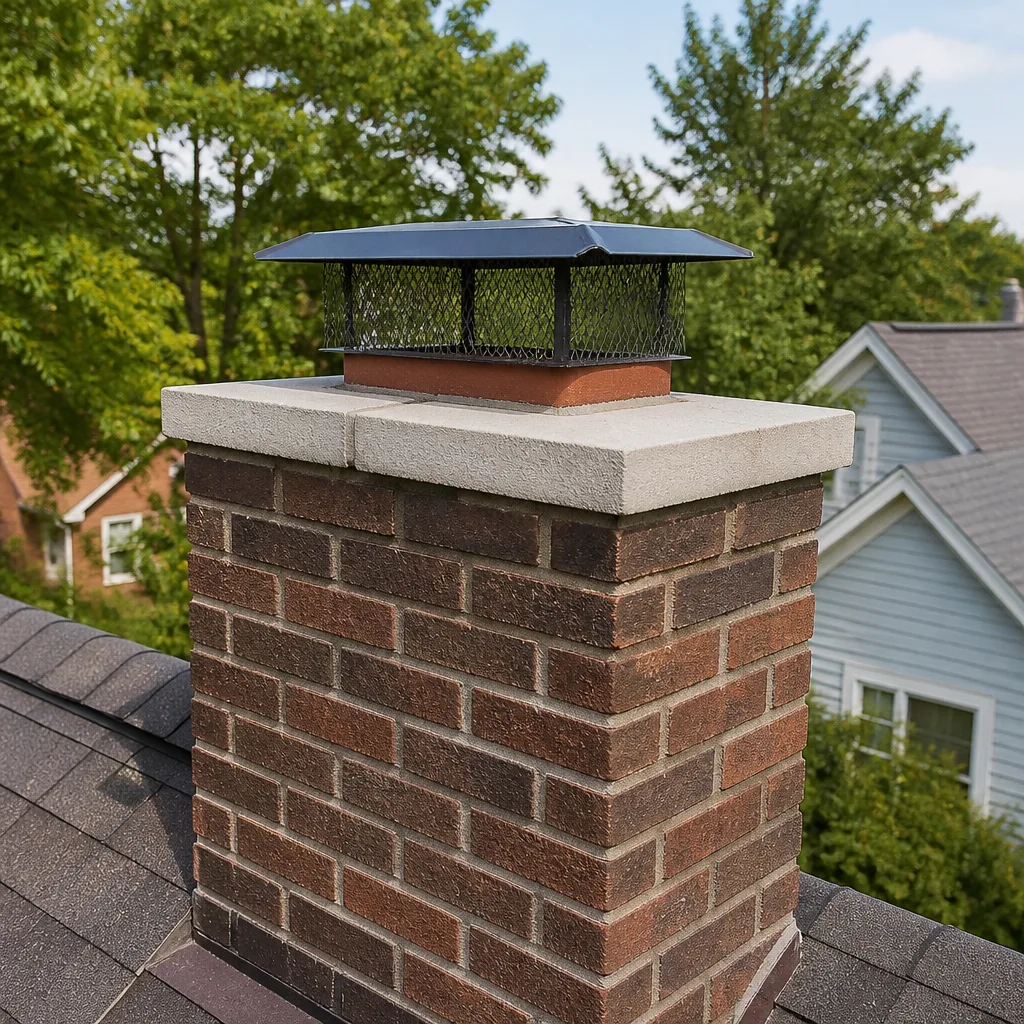 Caps & crowns
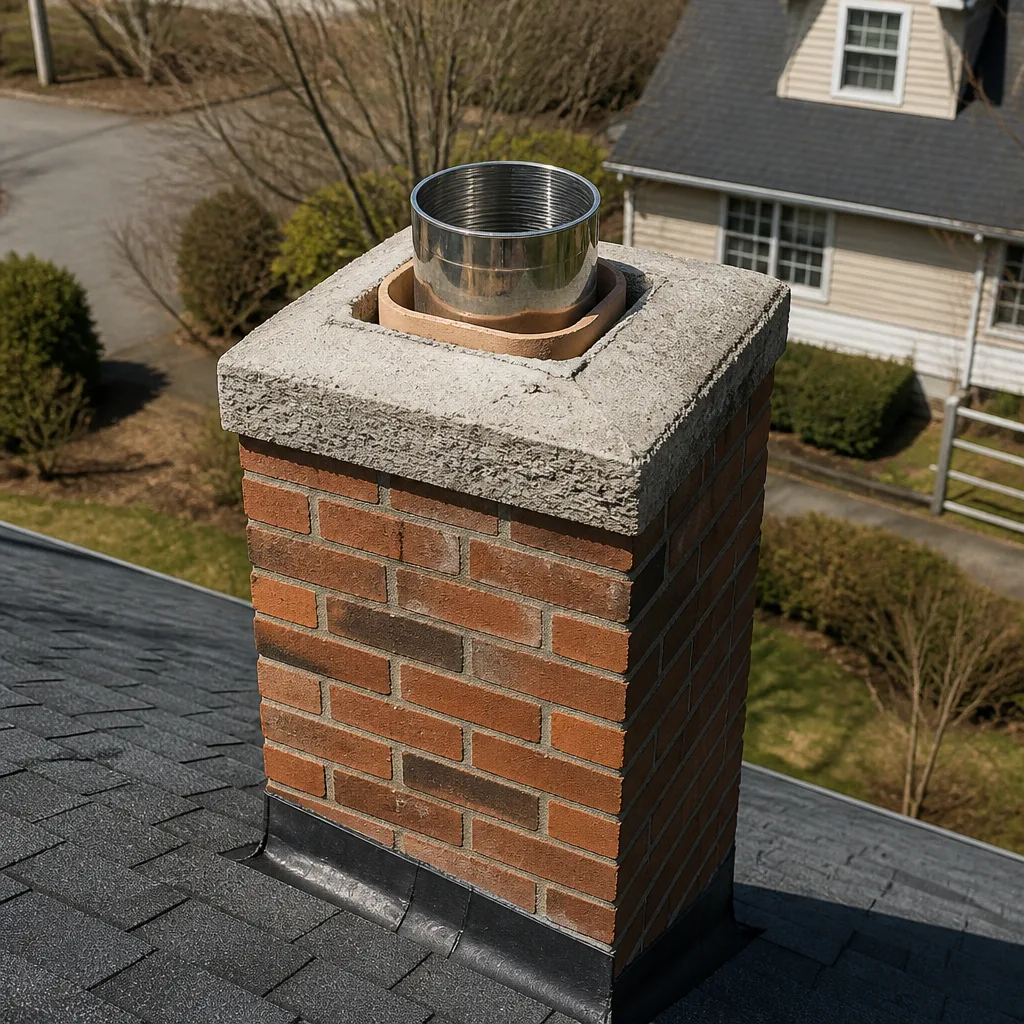 Flue relining
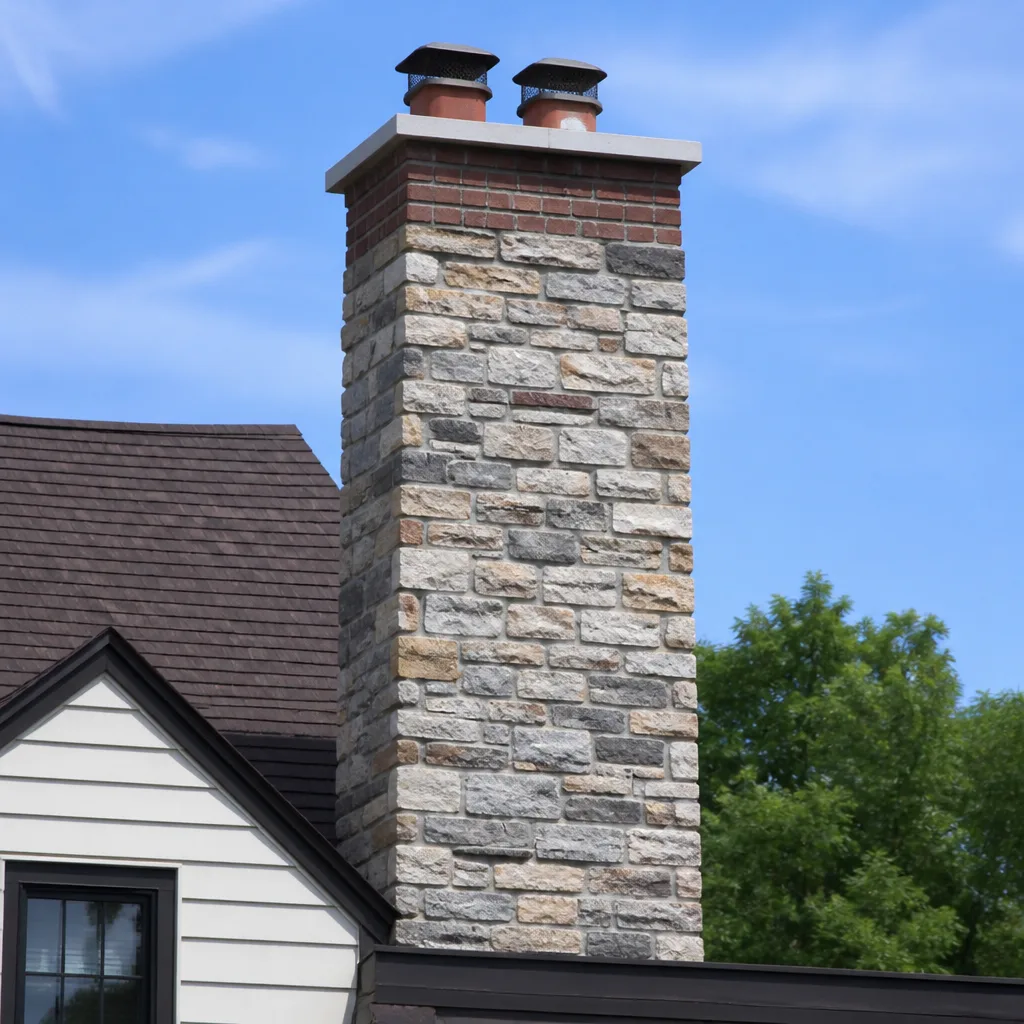 Masonry repair
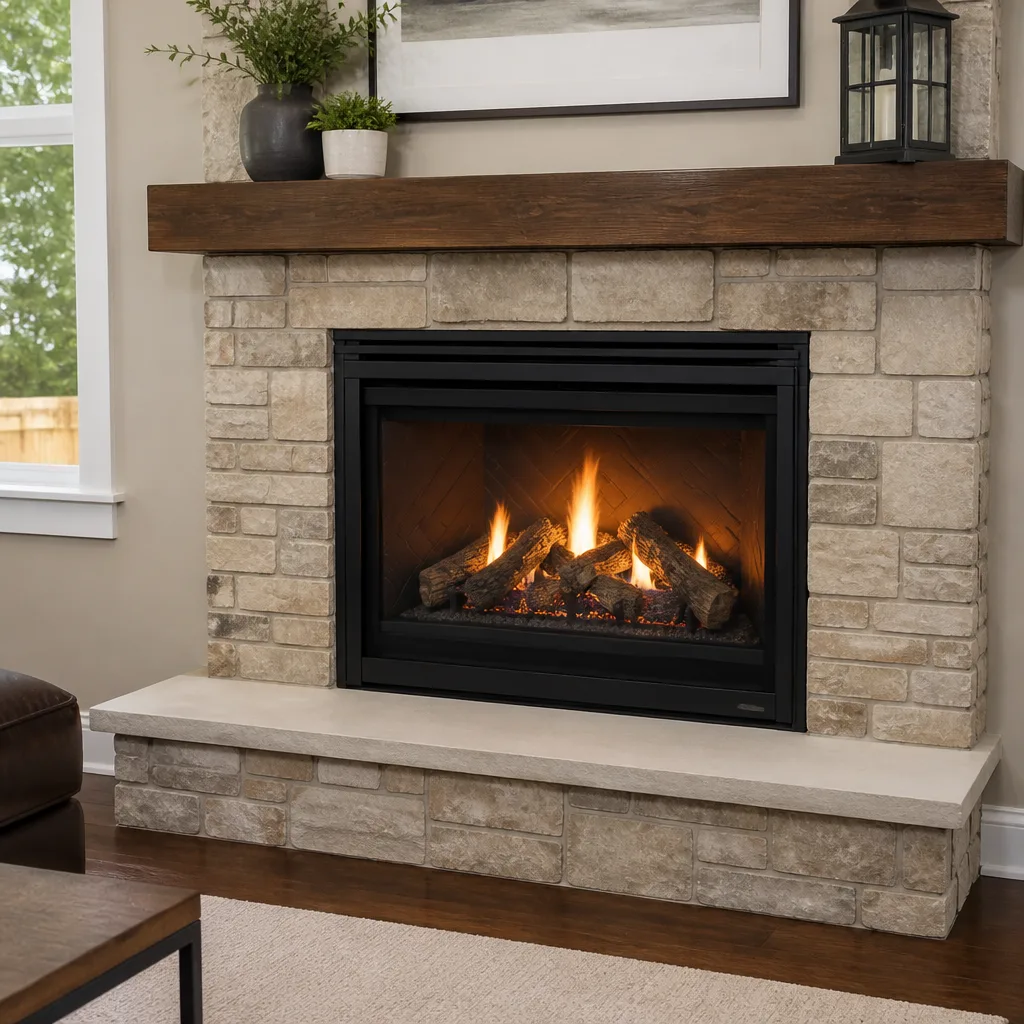 Gas fireplace service
Level 1 sweep and inspection to the NFPA 211 annual standard - flue, crown, cap, and flashing checked and photographed
Chimney sweep logs do not sweep chimneys. They loosen some creosote - which then falls where a brush and vacuum still have to collect it.
Chimney Sweep Maintenance Checklist for San Juan Capistrano Homeowners
Most chimney maintenance advice you’ll find online is written for a house with four seasons. Ours has about two and a half. A chimney in San Juan Capistrano faces a long dry stretch, a short rainy window, and warm air that keeps a firebox damp in ways a Boston chimney never sees. Copy that national checklist onto a local house and you’ll spend your attention in the wrong places, usually on the freeze-and-snow items that don’t apply here. What follows is a working schedule built around how chimneys actually age in San Juan Capistrano: month by month, what you can check yourself, what needs a trained eye, and how to track condition year over year so a repair decision rests on evidence instead of a guess.
Styles & brands we work with
- Sweep & inspection
- Caps & crowns
- Flue relining
- Masonry repair
- Gas fireplace service
Quick Answer
A San Juan Capistrano chimney needs a professional sweep and inspection once a year, ideally in late summer or early fall before the first burn, plus a visual exterior check you do yourself each spring. The annual inspection should include a camera look at the flue, a check of the crown and cap, and a photo record you keep. Gas log inserts still need annual service even though they produce less creosote than wood.
Table of Contents
- Why a San Juan Capistrano Chimney Ages Differently
- The Month-by-Month Chimney Calendar
- What You Can Check Yourself (and What You Can’t)
- Exterior Checklist: Crown, Cap, and Mortar
- Gas Log Inserts: A Different Maintenance Profile
- How to Document Chimney Condition Year Over Year
- What a Professional Inspection Actually Covers
- Common Mistakes to Avoid
- When to Call a Professional
- Frequently Asked Questions
- The Bottom Line
Why a San Juan Capistrano Chimney Ages Differently
Ask a homeowner in a cold climate what kills a chimney and you’ll hear about freezing water in the masonry. That’s a real problem in places with hard winters. In San Juan Capistrano the failure modes are gentler and slower, which makes them easier to ignore until they’re expensive. The dominant forces here are moisture from the rainy season, seasonal disuse, and warm humid air that lets a firebox stay damp long after a fire is out.
There’s also the pattern of how people use a fireplace here. Many San Juan Capistrano homes burn a handful of fires on cool winter evenings and then leave the firebox untouched for eight months. That dormant stretch matters. Nesting birds and insects find an open flue in spring. A cap that’s been quietly oxidizing for years finally rusts through. Efflorescence, the white powdery staining that shows up on a chimney breast, tells you moisture is moving through the masonry rather than staying outside it.
None of this happens fast. That’s exactly why a yearly written record beats a memory. A crack you photograph in April and compare to the same crack in October will tell you whether it’s stable or growing. A homeowner who only looks when something smells wrong is always reacting.
We see the same three issues come up again and again on San Juan Capistrano chimneys: a galvanized cap that’s past its useful life, mortar joints that have eroded on the weather-facing side, and a crown with a hairline crack that lets water in slowly. All three are cheap to handle early and costly to defer. Our technicians have up to 11 years of experience reading exactly these patterns, and a professional inspection paired with the ability to repair what’s found is what keeps a small problem small.
The Month-by-Month Chimney Calendar
Here’s the schedule we’d hand a homeowner if they asked us to write one down. It’s built around a coastal Southern California year rather than a national template, so the heavy lifting happens before the rainy season, not before the first hard freeze.
- January and February: Peak burn season. Burn only dry, seasoned wood, keep the firebox from overloading, and listen for changes in draft. A fire that suddenly smokes back or draws poorly is telling you something. Note the date.
- March: Last fires of the season. Before you stop burning, look up the flue with a flashlight and note how much soot and creosote you can see. This is your baseline for the year.
- April: Spring exterior walk-around. Check the cap, crown, and mortar joints from the ground with binoculars. Photograph anything that looks new. This is the best month to catch winter moisture damage.
- May: Book your annual sweep and inspection. Warm-weather scheduling means you’re not competing for a slot in the fall rush, and you’ll have findings in hand well before the rainy season.
- June through August: Dormant season. Keep the damper closed when the fireplace is out of use. Watch for birds and insects around the cap. A properly fitted cap is the whole defense here.
- September: Pre-season check. Confirm the damper operates smoothly, look for any new staining on the chimney breast, and schedule anything the spring inspection flagged but deferred.
- October and November: First fires. Do one small test burn before you settle into the season and note how the draft behaves. If it’s sluggish, get it looked at before you rely on the fireplace.
- December: Burn season again. Keep an eye on the cap after the first real rain and look for water staining inside the firebox, which points to a crown or flashing issue.
The single most valuable item on that list is the May booking. Fall is when everyone remembers their chimney exists, and the work that gets rushed is the work that gets missed.
What You Can Check Yourself (and What You Can’t)
A homeowner with a flashlight, a pair of binoculars, and a phone camera can catch most of the visible warning signs before they become structural. What you cannot do is inspect the inside of a flue, assess creosote thickness in a way that means anything, or judge whether a liner is compromised. Draw that line clearly and you’ll save yourself both worry and money.
What you can check yourself:
- The firebox interior, looking for cracked bricks, loose mortar, or gaps at the fireback.
- The damper, which should open and close smoothly and seal reasonably when closed.
- The smoke chamber with a flashlight, watching for heavy soot buildup or visible damage.
- The firebox floor, looking for rust or staining that suggests water intrusion.
- The exterior crown, from the ground with binoculars, watching for cracks or crumbling edges.
- The cap and spark arrestor, checking for rust, sagging, or a screen that’s pulled loose.
- The chimney breast inside the house, watching for efflorescence, staining, or new cracks.
- The sound of the fire. Popping, rumbling, or a draft that reverses is a signal, not a quirk.
What requires a professional:
- Camera inspection of the flue interior, which is the only way to see cracked tiles or gaps in a liner.
- Judging creosote thickness and type. Glazed creosote behaves very differently from soot and needs different handling.
- Assessing whether a flue is sized correctly for the appliance connected to it.
- Determining whether a crown crack is cosmetic or structural.
- Evaluating a liner for relining with a DuraFlex system or resurfacing with HeatShield.
A trained eye sees things a flashlight doesn’t. The judgment call on whether a liner needs resurfacing or full replacement is exactly the kind of decision that should never rest on a homeowner’s guess, and it’s why an inspection that actually leads somewhere matters. You can read more about what the diagnostic step involves on our Chimney Sweep San Juan Capistrano page.
Exterior Checklist: Crown, Cap, and Mortar
The exterior of a chimney takes the weather first, so it’s where a maintenance checklist earns its keep. Three components matter most: the crown, the cap, and the mortar joints. Each fails in its own way, and each has a fix that’s cheap while it’s small.
The Crown
The crown is the concrete or masonry slab at the top that sheds water away from the flue. A hairline crack in a crown is normal over time. A crack wide enough to catch a fingernail, or a crown that’s pulling away from the flue, is not. A crown that lets water in sends it straight down into the smoke chamber and the masonry below, which is where efflorescence and interior staining come from. Crowns get rebuilt, not patched with caulk, and a properly built crown has the right slope and overhang to move water off the chimney rather than into it.
The Cap
A chimney cap does two jobs: it keeps rain, birds, and debris out of the flue, and it provides the right venting geometry so the chimney drafts properly. This is where material matters. Galvanized caps rust from the inside out, often within a handful of years in a warm and occasionally damp climate, and a rusted cap is a leaking cap. Stainless steel caps last far longer and hold their shape. That’s why our cap and crown installations use Gelco and Famco components rather than the generic hardware-store options. Professional-grade materials, not hardware-store substitutes, is not a slogan here. It’s the difference between a cap that’s still working in a decade and one you’re replacing again in three years.
The Mortar Joints
Look at the joints between the bricks on the weather-facing side of the chimney. Eroded mortar, where the joints have receded and the bricks stand proud, means water is getting in and the masonry is slowly loosening. In San Juan Capistrano this usually shows up on whichever side faces the prevailing weather. Repointing is straightforward while the joints are the problem. Once water has moved through the brick itself, the repair is a different job entirely.
Gas Log Inserts: A Different Maintenance Profile
Gas log inserts are common in San Juan Capistrano homes, and they get maintained on a different rhythm than wood-burning fireplaces. The good news is they produce no creosote, so the fire hazard from a chimney fire is much lower. The catch is that a gas appliance has its own failure modes, and skipping annual service on one is a mistake a lot of homeowners make because the fireplace “looks clean.”
- Annual inspection still applies. A gas insert needs a yearly check of the venting, the connections, and the firebox. A venting problem on a gas appliance is a carbon monoxide concern, which is why this item is not optional.
- Debris still gets in. Birds and insects don’t care that your flue carries gas. A blocked vent on a gas insert is more serious than on a wood-burning chimney because there’s no smoke to warn you something’s wrong.
- The firebox is a moisture trap. A gas firebox that sits unused through a damp winter can develop rust and deteriorate faster than a wood-burning one that gets regular fires drying it out.
- Liner condition matters. Many gas inserts use a dedicated liner sized for the appliance. If the appliance is ever changed, the liner needs to be evaluated for the new one.
- The logs themselves age. Gas logs develop cracks and lose their finish over time, which changes how they burn.
We treat a gas insert inspection as its own category, not an afterthought to a wood-burning sweep. The same company that inspects the venting can repair what’s found, which is the whole point of keeping diagnosis and repair under one roof. Booking a chimney sweep is the first step for a wood-burning fireplace; a gas insert calls for the same phone call with a different checklist attached.
How to Document Chimney Condition Year Over Year
The single habit that changes how you spend money on a chimney is keeping a written record. A repair decision made from memory is a guess. A repair decision made from three years of photos and inspection notes is a plan. Here’s a simple method you can start this year.
- Make a folder. A physical folder with the inspection reports in it works fine, but a phone album or a cloud folder is easier to keep current.
- Photograph the same four things each year. The crown from the ground, the cap, the chimney breast inside the house, and the firebox interior. Take them from the same spot each time so the comparison is meaningful.
- Save the inspection report, with the camera findings. A digital camera inspection should produce images you can see for yourself. Keep them.
- Write one sentence about the year. “No new findings,” “small crack on crown noted,” “cap rusting on one side” are enough. The sentence matters as much as the photos.
- Compare before you agree to work. When a repair is recommended, you should be able to see the difference between this year’s photo and last year’s. If you can’t, ask.
- Note deferred items and revisit them. Some findings can safely wait until the next inspection. Write down what was deferred and when it should be rechecked.
This is also the method that protects you from being sold work you don’t need. Nothing is recommended without camera evidence you can see for yourself, and if a repair can safely wait, we say so. A repair shop that’s comfortable telling you your chimney is fine is the one worth keeping.
What a Professional Inspection Actually Covers
A professional chimney inspection is more than a look up the flue. Done properly, it starts at the roof and ends at the firebox, and it produces a written record you own. Here’s the sequence we work through on a San Juan Capistrano chimney.
- Exterior evaluation: crown, cap, spark arrestor, mortar joints, flashing where the chimney meets the roofline.
- Firebox and smoke chamber: cracked brick, loose mortar, fireback condition, damper operation.
- Flue interior: a camera inspection to look for cracked tiles, gaps, and the creosote profile.
- Liner assessment: whether the existing liner is sound, or whether resurfacing with HeatShield or relining with a DuraFlex system is warranted.
- Appliance connection: making sure the appliance connected to the flue is the right size for it.
- Written report with photos: what was found, what can wait, and what needs handling before the next season.
The reason this matters is that a diagnosis without a repair capability tends to sit in a folder forever. When the technician who finds a problem is on the same team as the technician who fixes it, there’s no handoff and no argument over whose findings are correct. Chimney repair is a specialty, and it deserves a specialist who can see the whole picture. If a repair does turn out to be structural, our chimney repair service covers everything from a rebuilt crown to a relined flue, so the work stays in one relationship.
Common Mistakes to Avoid
- Waiting for a problem before booking the sweep. A chimney doesn’t announce its own decline. By the time you smell smoke in the house or notice a stain on the wall, the underlying issue has usually been building for a season or two.
- Skipping the annual inspection because the fireplace is gas. A gas insert has no creosote, which fools a lot of homeowners into thinking it doesn’t need service. The venting and the firebox are the reason the yearly check matters.
- Replacing a cap with a hardware-store part. A galvanized cap from a big-box store will rust through, usually on the side facing the weather, and a rusted cap lets water in. Stainless steel and purpose-built Gelco or Famco components cost a little more and last a lot longer.
- Sealing a crown crack with caulk. Caulk on a crown is a temporary patch on a structural problem. A crown that’s failing gets rebuilt, not spot-sealed.
- Never photographing the chimney. Without a record, every repair conversation is a negotiation with your own memory. A folder of photos and inspection reports settles the question quickly.
- Letting an open flue sit through spring. Birds, insects, and debris all find an open flue. A properly fitted chimney cap is the whole defense, and it’s a cheap one.
- Assuming all chimney companies do the same scope. A company that only sweeps will always recommend a sweep. A specialist that sweeps, inspects, and repairs is in a position to tell you the honest answer, even when it’s “you’re fine for another year.”
When to Call a Professional
Some chimney issues are annual maintenance and some are a reason to pick up the phone now. Call a professional if you smell smoke inside the house when the fire is burning, if the fire smokes back into the room, or if you see staining on the chimney breast that wasn’t there before. Call if the firebox has cracked bricks or loose mortar, if the cap is rusted through or missing, or if the crown has a crack you can fit a fingernail into. Call if you’ve just bought a San Juan Capistrano home with a fireplace you haven’t had inspected, or if the fireplace has sat dormant for a long time. Call if you hear popping or rumbling from a chimney while it’s in use. And call if you simply haven’t had the chimney looked at in a while. Chimney Sweep San Juan Capistrano offers free estimates in San Juan Capistrano. Call (844) 451-2583. We answer 24/7. Fast dispatch from 7am to 7pm, Sunday through Friday.
Frequently Asked Questions
Once a year for most homes, and that annual visit should pair a sweep with an inspection. San Juan Capistrano fireplaces are often used seasonally, which means a year’s worth of creosote can build up over a short burn season and then sit untouched. Even a chimney that sees only a handful of fires a year needs the yearly look. Call (844) 451-2583 for an exact quote on a sweep and inspection. Estimates are free.
Yes. A gas insert produces no creosote, but it does need a yearly check of the venting, the firebox, and the connections. A venting problem on a gas appliance is a carbon monoxide concern, which is exactly why the annual inspection isn’t optional on a gas fireplace. The chimney still needs the same yearly visit a wood-burning one does.
Nothing dramatic, usually, for the first year or two. What happens instead is slow: a small crown crack widens, a cap rusts further, a mortar joint erodes deeper, and a liner problem goes unnoticed. The risk you’re skipping is the small repair becoming a structural one. A chimney fire or a carbon monoxide issue is the worst case, but the more common outcome is a bigger bill later. Call (844) 451-2583 for an inspection. Estimates are free.
Partially. You can and should check the firebox, damper, exterior crown, cap, and chimney breast on a yearly schedule. What you shouldn’t do yourself is sweep the flue, judge the creosote profile, or assess a liner. Those require tools and trained judgment, and a wrong call on a liner is a safety issue. Keep to the visual items and leave the flue to a professional.
A sweep is the cleaning. An inspection is the assessment, and it includes a camera look at the flue interior and a written report. Most annual visits combine both. If a company only offers sweeps and no repair capability, they can clean your chimney but they can’t resolve what an inspection finds. Pairing both under one company means the diagnosis and the repair stay in the same hands.
A rusted or missing cap, followed closely by a crown with a hairline crack. Both are moisture problems that start small and take years to make themselves known. Both are also inexpensive to fix when they’re caught at the annual inspection. A stainless steel cap and a properly built crown with the right slope and overhang are the two upgrades that pay back the most. For anything beyond a cap and crown, our fireplace repair service covers the firebox and smoke chamber.
The Bottom Line
A chimney in San Juan Capistrano needs a yearly sweep and inspection, a spring exterior walk-around you do yourself, and a written record you keep from one year to the next. Book the sweep in late spring rather than waiting for fall. Keep the cap stainless and the crown sound. Treat a gas insert like the appliance it is, with its own yearly service. And whenever a repair is recommended, ask to see the camera evidence. Our technicians have up to 11 years of experience, and we’re comfortable telling a homeowner their chimney is fine when it is. From the first sweep to structural repair, handled by one specialist. That’s the relationship worth keeping for a fireplace you actually use.
Call Chimney Sweep San Juan Capistrano at (844) 451-2583 for a free estimate. We answer 24/7. Fast dispatch from 7am to 7pm, Sunday through Friday. Our chimney sweep covers the cleaning, and the inspection that follows leads somewhere: diagnosis and repair, same company.
Written by the team at Chimney Sweep San Juan Capistrano.
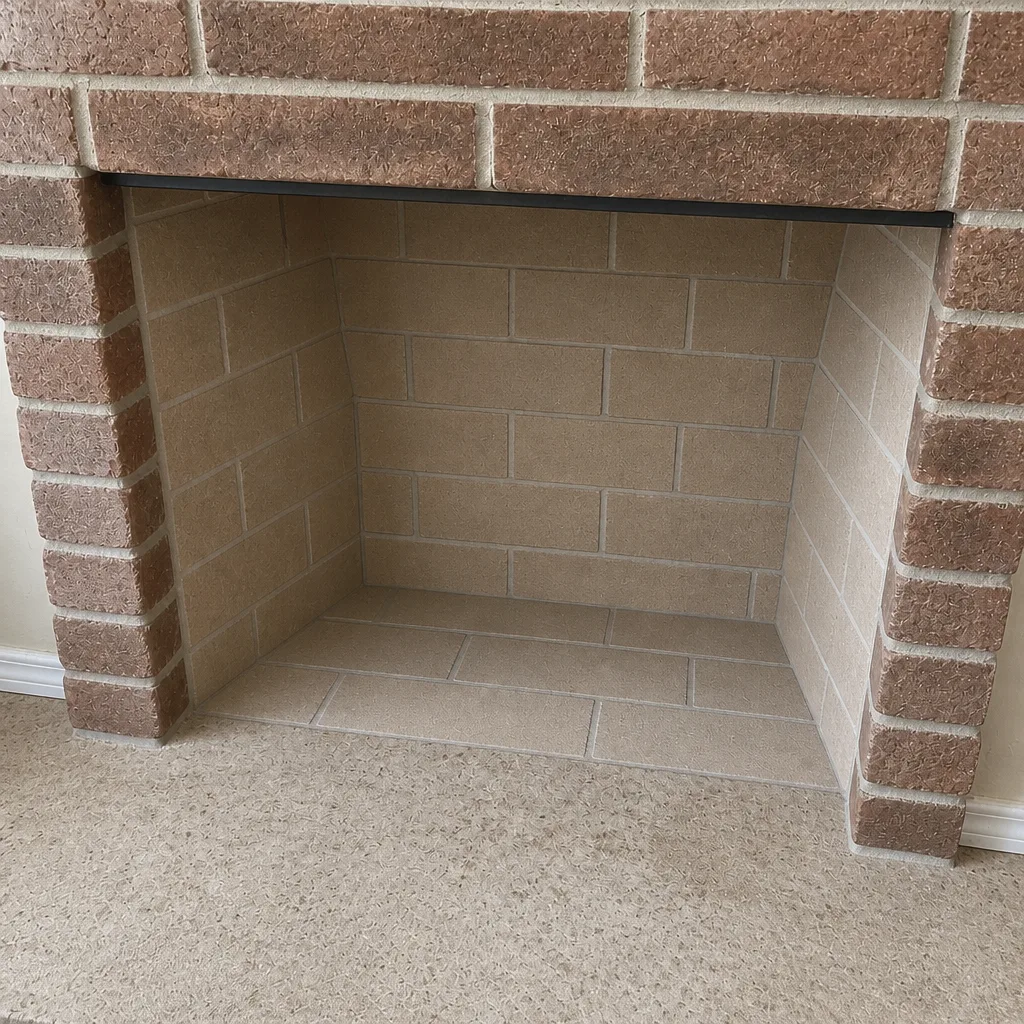
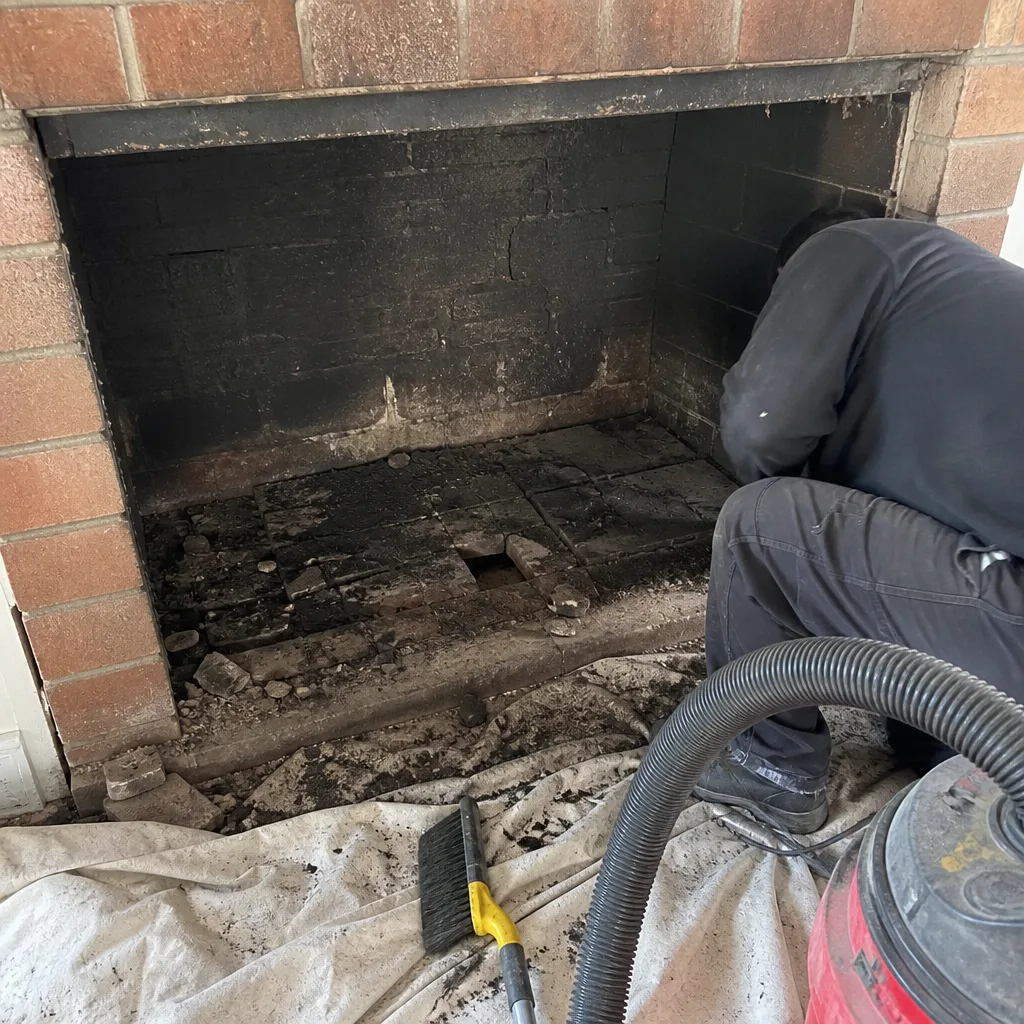
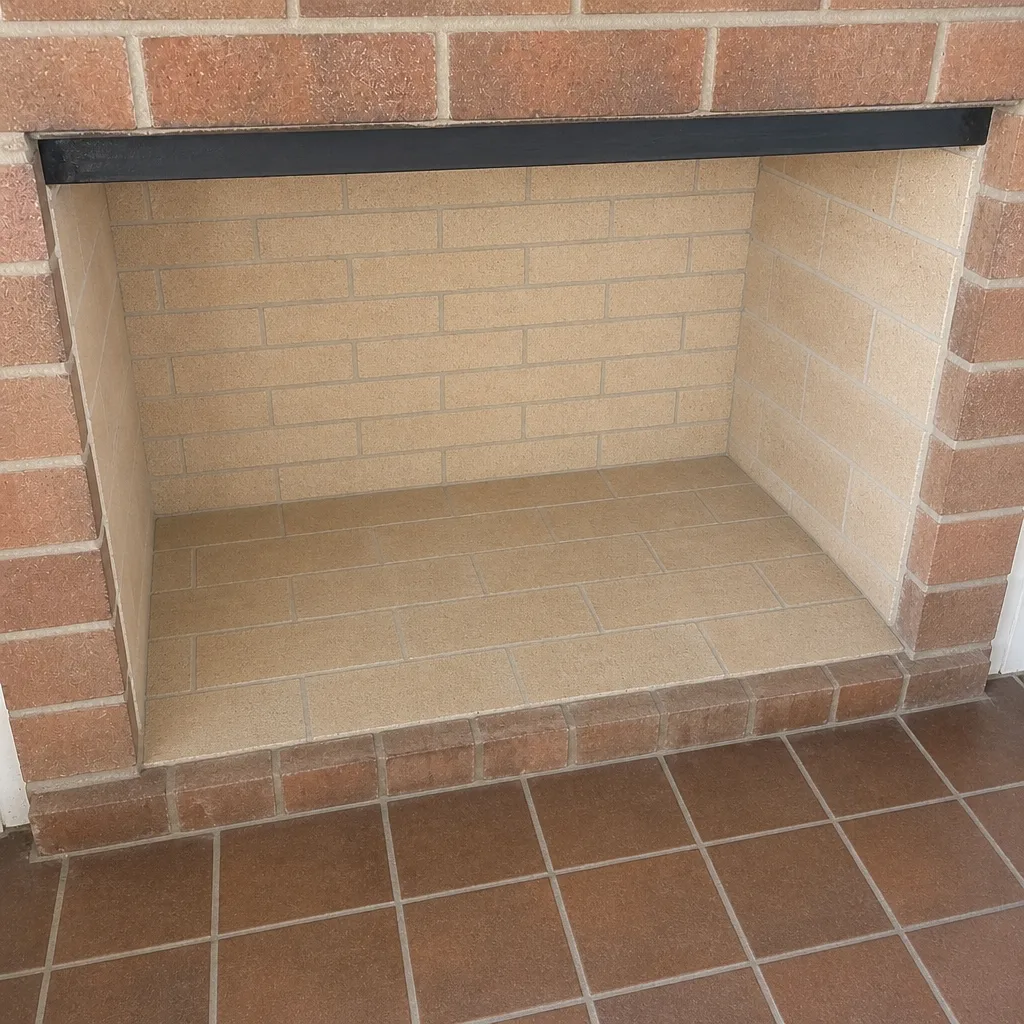
See the difference
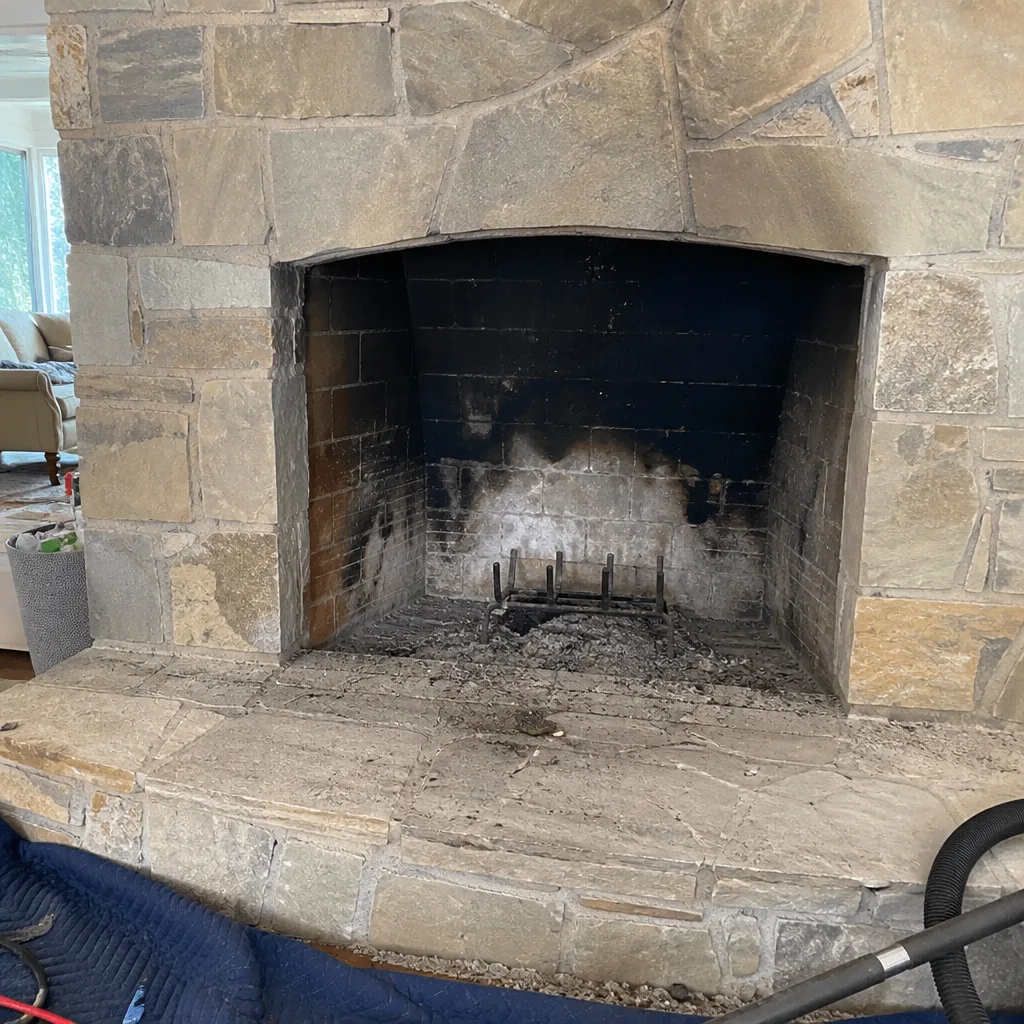 Before
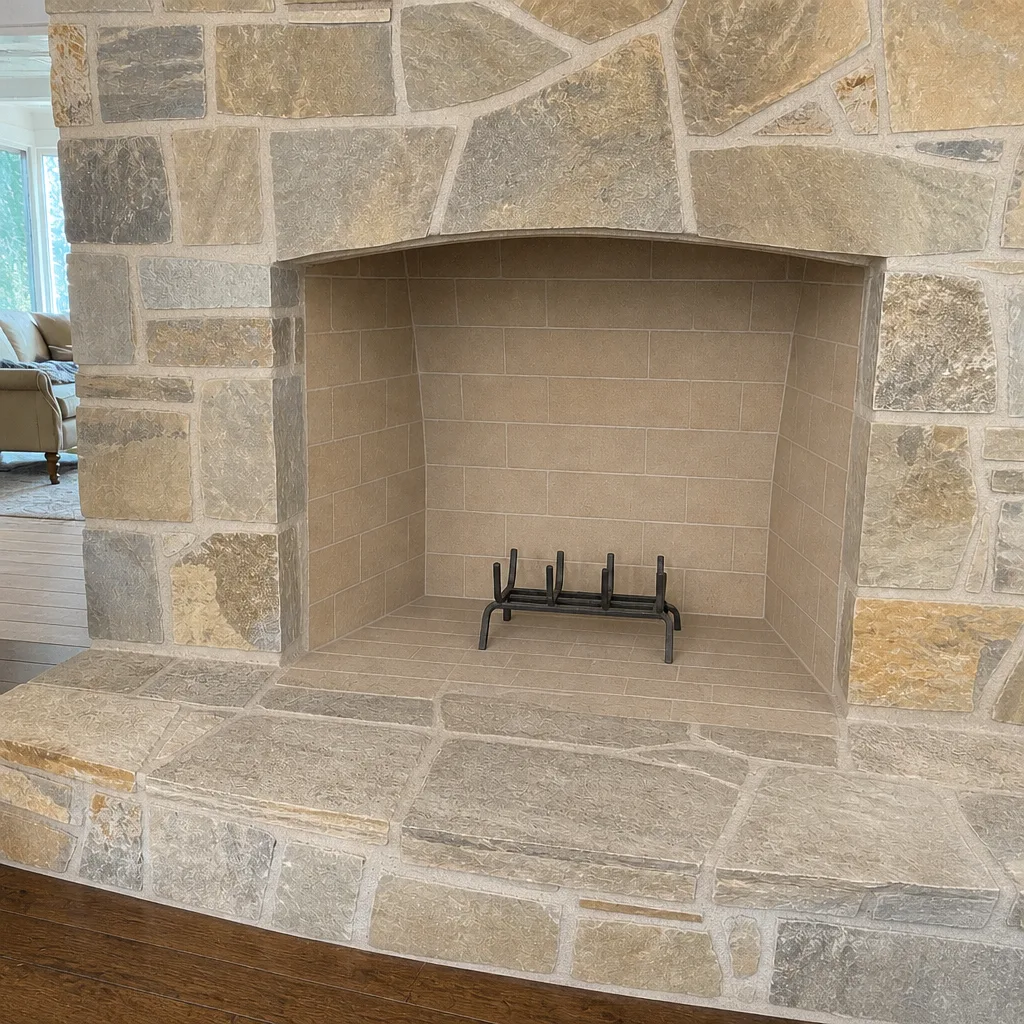 After
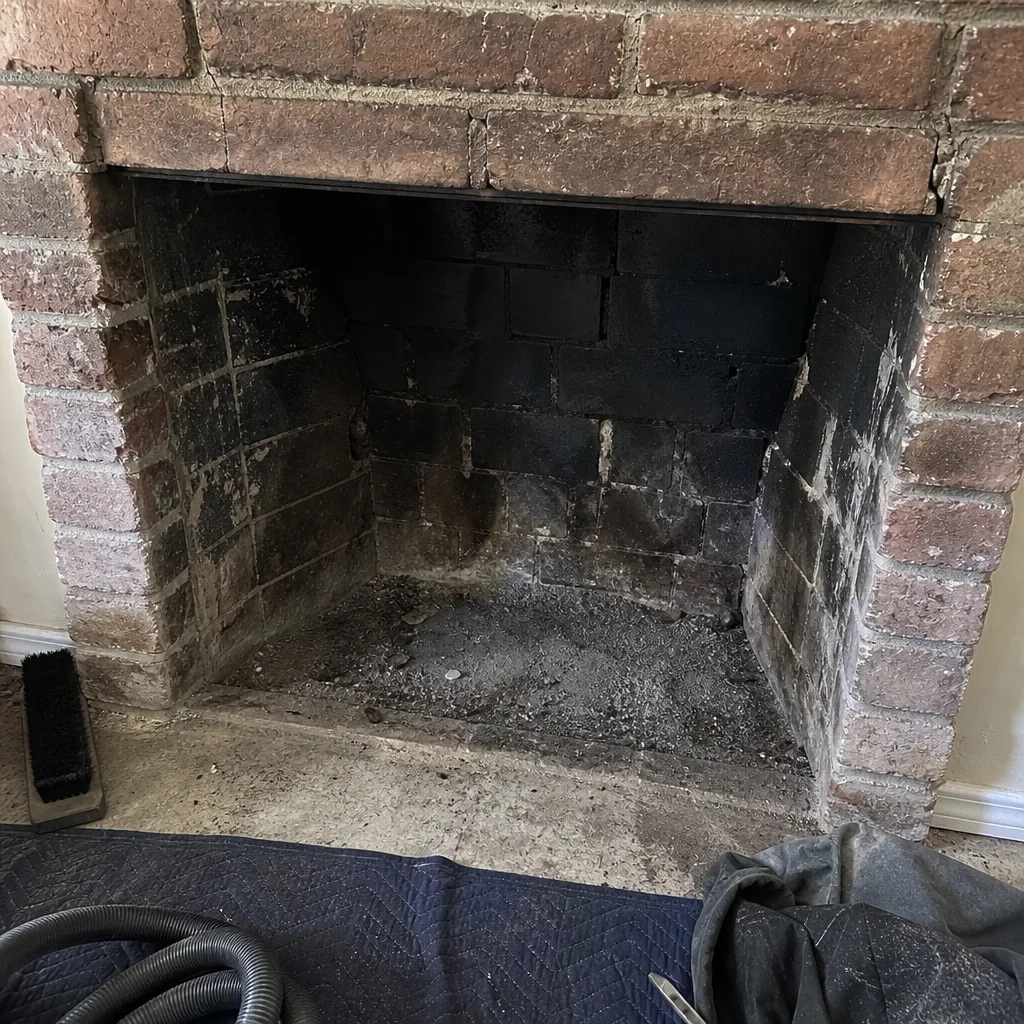 Before
 After
 Before
 After