
Last updated November 25, 2026
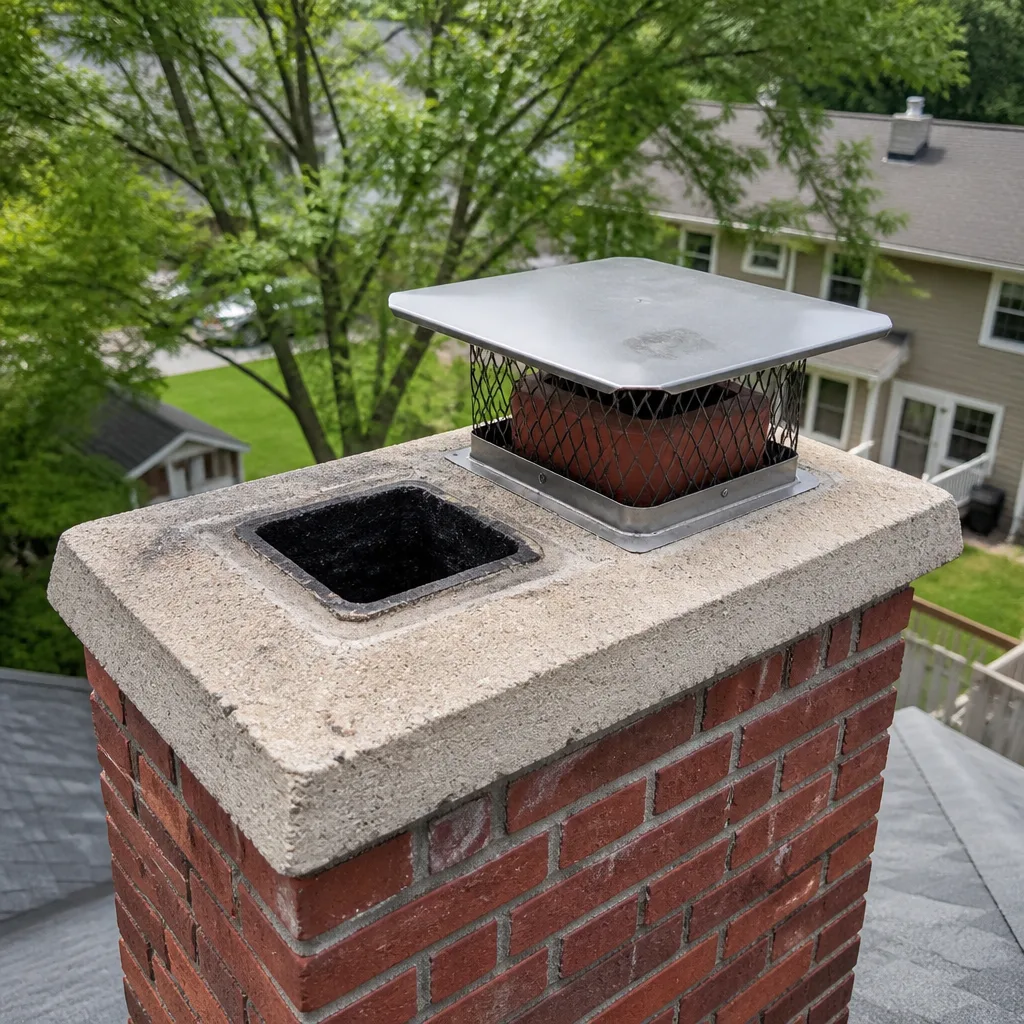 Sweep & inspection
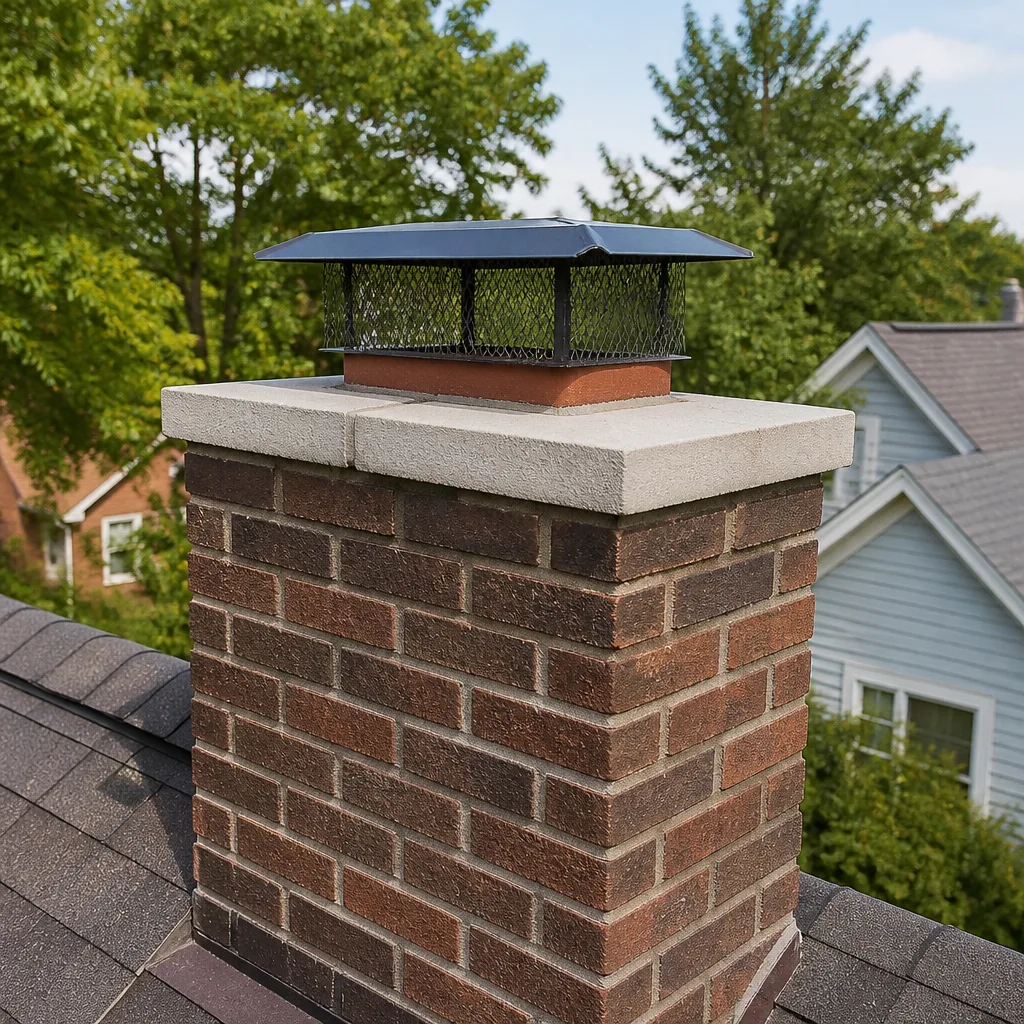 Caps & crowns
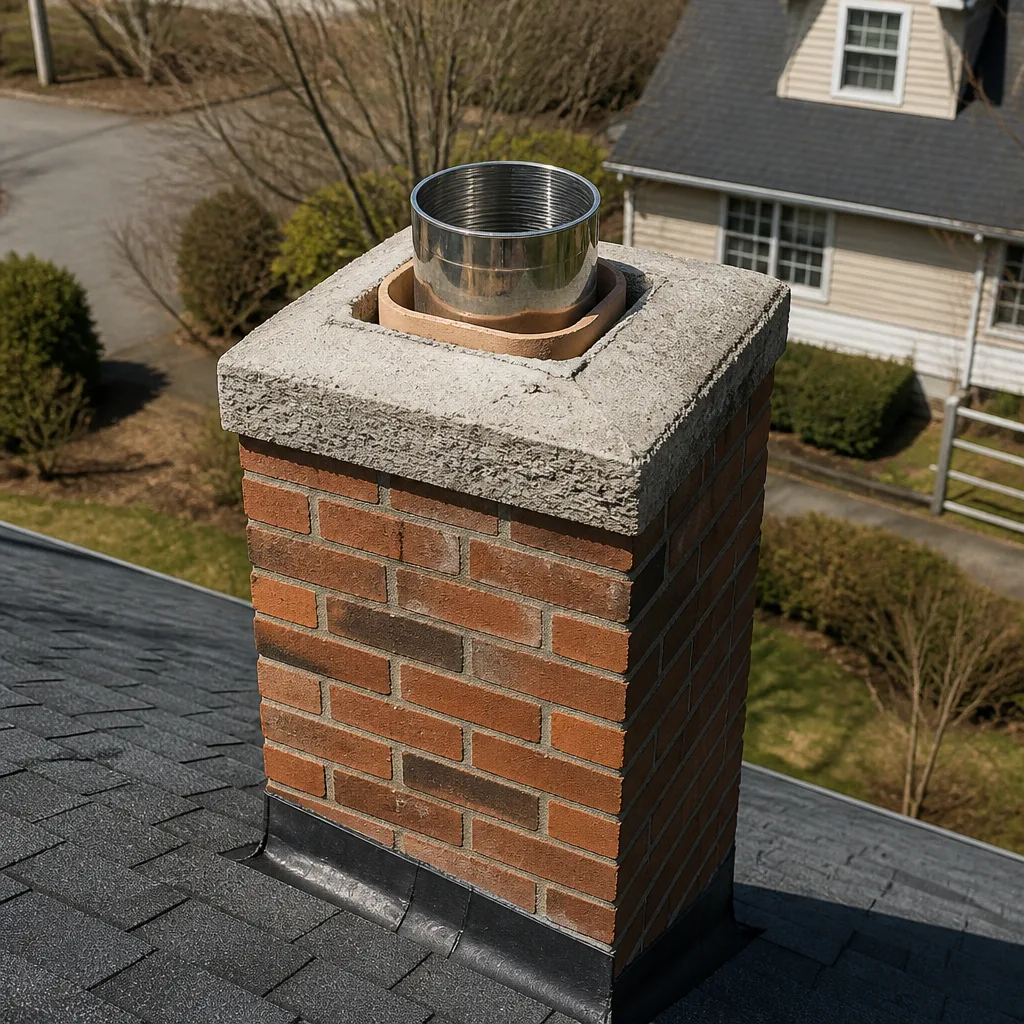 Flue relining
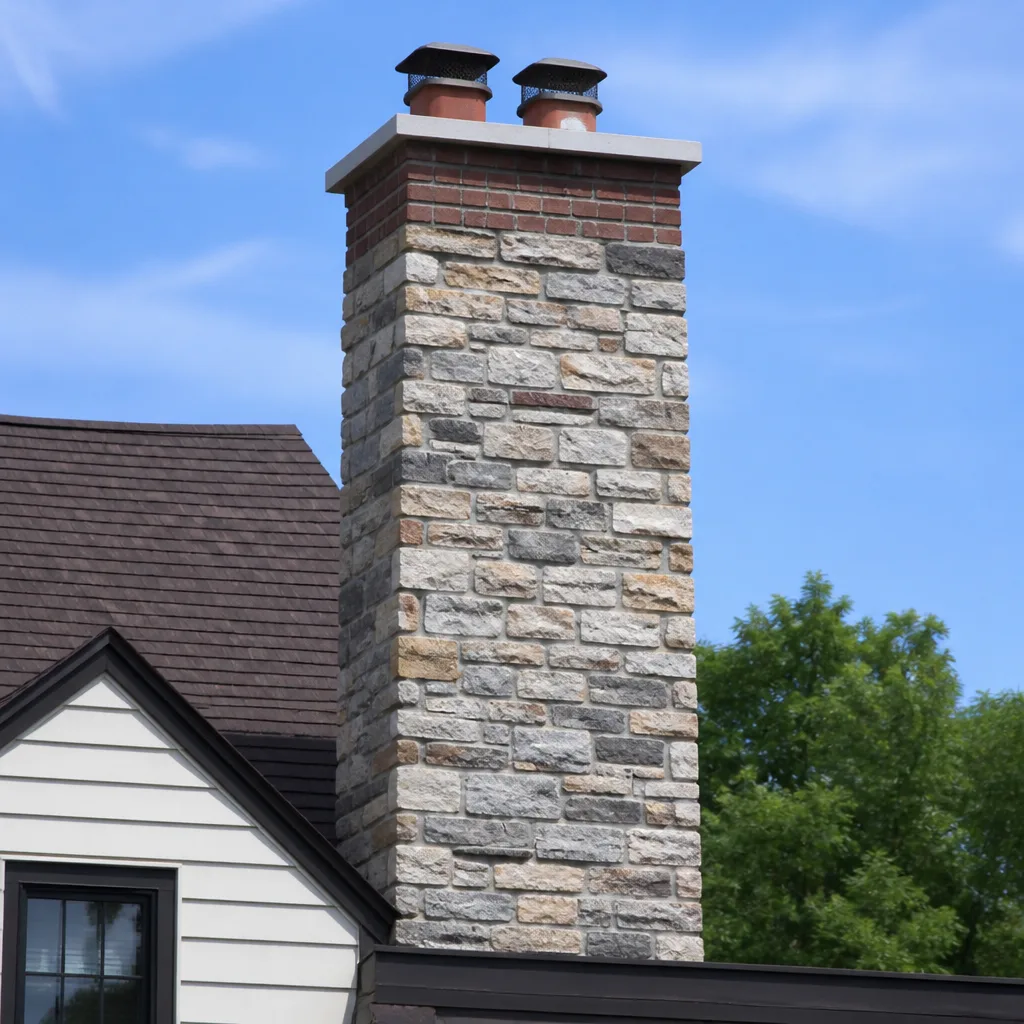 Masonry repair
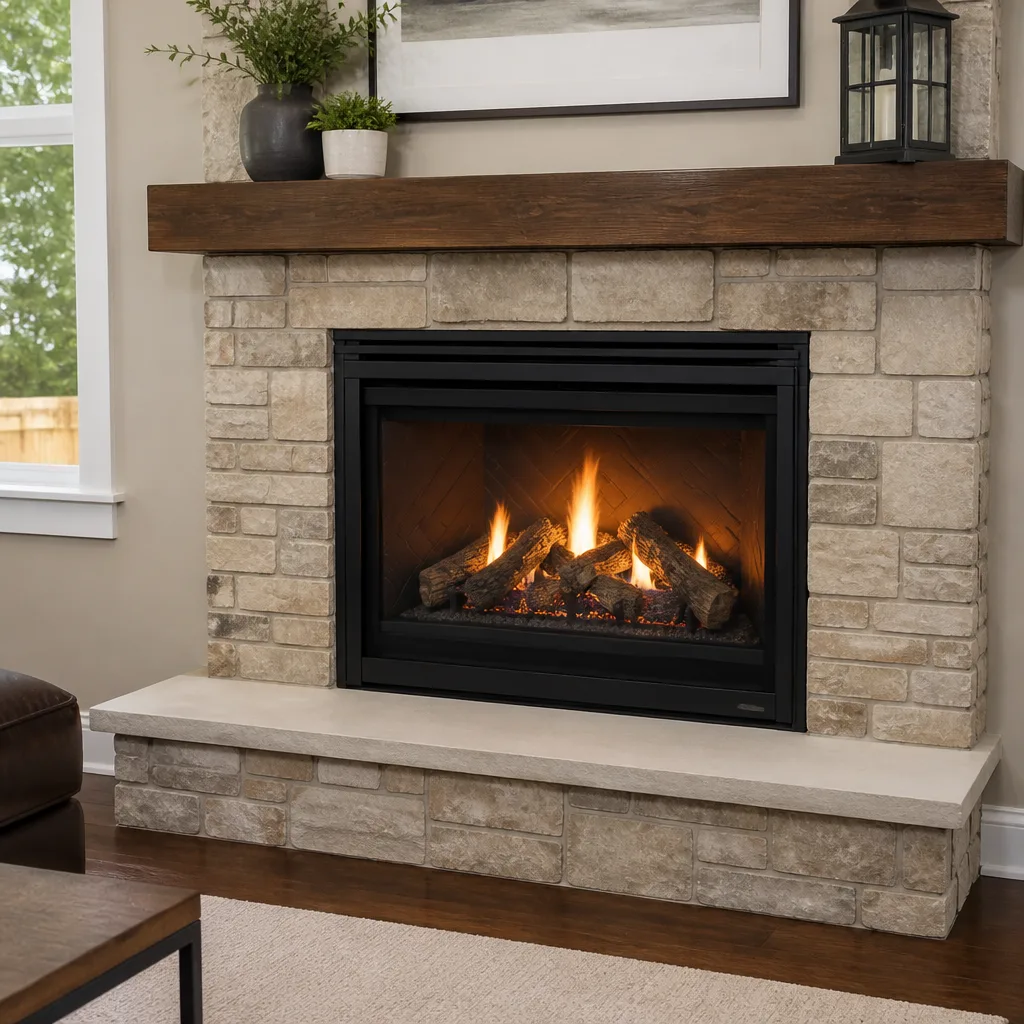 Gas fireplace service
Level 1 sweep and inspection to the NFPA 211 annual standard - flue, crown, cap, and flashing checked and photographed
Chimney sweep logs do not sweep chimneys. They loosen some creosote - which then falls where a brush and vacuum still have to collect it.
Chimney Cleaning Warning Signs: A San Juan Capistrano Homeowner’s Reference Guide
By the time you can smell your chimney from inside the house, you’ve already missed the three earlier warning signs that could have been a small repair instead of a major one. That’s the part most homeowners get wrong. We understand why: the signs everyone talks about – smoke rolling into the room, a sour smell after a cold snap – arrive late in the problem’s life. The signals that actually prevent chimney fires and structural damage show up months earlier, outside, on the parts of the chimney you walk past without looking up. This guide walks through every warning sign in order of how early it appears, tells you which ones mean “book a sweep soon” and which mean “don’t light this fireplace until someone looks at it,” and covers the gas insert and prefab fireplaces common in San Juan Capistrano homes, which fail differently from old masonry chimneys. Read it once, then walk your property with it in hand.
Quick Answer
Chimney cleaning warning signs in San Juan Capistrano fall into three groups: structural (spalling brick, white efflorescence streaking, a crumbling crown, a missing or rusted cap), interior (staining on the firebox back wall, creosote odor, draft that’s gotten worse), and system-specific (signs unique to gas logs and prefab fireplaces). Exterior and odor signs usually mean schedule a sweep soon. Staining combined with a strong wood-tar smell, visible cracks in the flue, or smoke that won’t draft at all means stop using the fireplace until a technician inspects it.
Styles & brands we work with
- Sweep & inspection
- Caps & crowns
- Flue relining
- Masonry repair
- Gas fireplace service
Table of Contents
- Exterior Warning Signs You Can See From the Ground
- What Efflorescence and Spalling Are Actually Telling You
- Interior Warning Signs Beyond Smoke Backdraft
- Creosote Odor vs. Animal Intrusion vs. Mold: Telling Them Apart
- Warning Signs Unique to Gas Logs and Prefab Fireplaces
- “Schedule Soon” vs. “Stop Using It Now”: Where the Line Is
- Why the Camera Inspection Changes Everything
- Common Mistakes to Avoid
Exterior Warning Signs You Can See From the Ground
Most of the earliest evidence of a chimney problem is visible without a ladder, a flashlight or a technician. You just have to know what you’re looking at. In San Juan Capistrano, where the dry season runs long and the rainy months arrive in concentrated bursts, moisture damage on the chimney exterior tends to advance quickly once it starts. Walking the outside of the house once a season catches nearly all of it.
Here’s what to look for, in plain terms:
- Spalling brick. Brick faces flaking off or pitting, sometimes with chips collecting on the roof or ground below. This means water has gotten inside the brick and is pushing it apart from within. It’s structural, not cosmetic.
- Efflorescence streaking. White, chalky stains running down the chimney’s face. We cover this in its own section below, because it’s the most misread sign on the list.
- A deteriorated crown. The concrete cap at the very top of a masonry chimney. Look for visible cracks, sections that have separated from the flue, or a crown that’s tilted. A failed crown lets water straight into the flue.
- A missing or rusted cap. The metal or mesh cover that keeps rain, birds and debris out of the flue. Rust-through, a cap that’s blown loose, or a cap that’s simply gone all mean the same thing: your flue is open to the weather and to wildlife.
- Mortar joints that have receded. The lines between bricks should be full and flush. When they’re washed out or crumbling, the chimney is losing its binder.
- A lean. Any visible tilt in the chimney stack is a stop-and-call situation. It’s rare, but it’s the one exterior sign that should never wait.
If you see three or more of these on the same chimney, that’s not a maintenance item anymore. That’s a structure that’s been absorbing water for a while. The sooner a technician sees it, the more of the original chimney can be saved. Gelco and Famco caps and crown components are purpose-built for this kind of weather sealing, which is why we install them rather than generic hardware-store covers that fail within a season or two.
What Efflorescence and Spalling Are Actually Telling You
Efflorescence and spalling look related but they are two different stages of the same problem, and the order matters. Efflorescence is the white mineral deposit that appears when water moves through masonry and evaporates on the surface, leaving salts behind. It’s the smoke alarm of moisture problems: not damage itself, but unmistakable evidence that water is traveling through the brick. Spalling is what happens when that process continues. The water freezes inside the brick, expands, and pops the face off. By the time you see spalling, the brick has already lost structural mass.
So the sequence goes like this:
- Stage one: efflorescence appears. Water is entering the masonry somewhere, often through a failed crown, a receded mortar joint, or a cap that’s letting rain in. This is the cheap stage. Fix the entry point and the streaking stops.
- Stage two: the streaking becomes persistent and heavier. The moisture path is established. It’s no longer intermittent. The chimney is wet most of the year.
- Stage three: spalling begins. Brick faces start flaking. This is structural damage, and it doesn’t reverse. The chimney will need repair, and the repair will cost more than the Stage One fix would have.
- Stage four: interior damage. Water that gets past the brick reaches the flue tiles, the firebox, and sometimes the framing. This is where costs climb fastest, and where HeatShield ceramic resurfacing becomes relevant: it restores flue integrity without full relining in many cases, but it can only save a flue that hasn’t already failed.
In San Juan Capistrano’s climate, the long dry season can lull homeowners into thinking moisture isn’t a factor. It is. The rainy months deliver enough water in a concentrated window to drive the whole sequence, and the chimney doesn’t dry out as fast as the landscaping does. Efflorescence that appears each winter and fades each spring is not “just what brick does.” It’s a warning, on a schedule.
Interior Warning Signs Beyond Smoke Backdraft
Smoke rolling into the room is the sign everyone knows. By the time it happens, the chimney has usually been struggling for a while. The earlier interior signs live on the firebox walls and around the damper, and they’re subtle enough that most homeowners walk right past them. We’ve seen this pattern often in San Juan Capistrano, where a fireplace can go unlit for a full season between uses, and the evidence sits unnoticed.
Here’s what to examine, ideally before the first fire of the season:
- Staining on the firebox back wall. Dark, glossy staining that’s heaviest at the back and fades toward the sides usually means poor draft: the smoke is lingering in the firebox rather than leaving. Staining that’s concentrated near the top or runs in vertical streaks more often points to moisture tracking down the flue. The difference matters, because one needs a draft diagnosis and the other needs the exterior chase rebuilt.
- Glazed, shiny creosote on the flue walls. If you can see into the flue and the surface looks like black glass, that’s the most flammable form of creosote. It doesn’t brush off easily and it’s a genuine fire hazard.
- Flaking or crumbling firebox mortar. The joints between firebrick should be tight. Loose mortar means the firebox is taking on water or heat stress, or both.
- A damper that doesn’t open fully or seat cleanly. A partially stuck damper chokes draft. A damper that won’t close leaves your house’s heat going up the chimney all winter.
- Soot patterns that are uneven. A well-functioning firebox collects soot fairly evenly. Heavy soot on one side and a clean surface on the other is a draft problem or an airflow obstruction.
- Rust or water marks on the firebox floor or damper frame. Water is getting in from above. The cap and crown are the usual suspects.
Any single one of these on its own is a “book a sweep and inspection” sign. Two or more together, especially staining plus rust, is a “don’t light it until a technician has been out” sign.
Creosote Odor vs. Animal Intrusion vs. Mold: Telling Them Apart
Not all bad smells coming from a fireplace mean the same thing, and the differences point to different structural problems. Three smells account for nearly all of what homeowners report to us:
Creosote odor. A wood-tar smell: sharp, slightly acrid, a bit like a cold campfire. It’s strongest on warm days and after rain, because the creosote in the flue is off-gassing. This smell means your flue has accumulated creosote, and the quantity is probably more than a light dusting. It’s the most common odor complaint in San Juan Capistrano and the least alarming, but it’s still a “schedule a sweep” signal.
Animal intrusion odor. Sharper, more ammonia-like or musky, often with a distinct animal scent. Sometimes accompanied by scratching or fluttering sounds, especially at dusk. Birds, squirrels and occasionally bats get into uncapped flues. The odor itself is a nuisance; the bigger issue is that nesting material is flammable and the animal may have blocked the flue. If you hear noise along with the smell, don’t light the fireplace. A missing or damaged cap is the usual root cause, and it’s fixable.
Mold or mildew. A damp, musty, “wet basement” smell rather than a burnt-wood smell. This one points to sustained moisture intrusion, which means the crown, cap or flashing has been failing for a while. It’s the smell that most often overlaps with efflorescence and firebox staining on the same chimney. If mold is your smell, your chimney has a water problem, not just a creosote problem.
One easy check: smell the firebox after a warm, dry week. Creosote will be present but muted. Mold will be present and stronger. Animal intrusion usually has the most variation day to day, because the animal’s activity changes.
Warning Signs Unique to Gas Logs and Prefab Fireplaces
Many San Juan Capistrano tract homes have factory-built (prefab) fireplaces rather than masonry chimneys, and a good number of those have gas log inserts. They fail differently, and the signs a masonry-chimney owner watches for often don’t apply. A prefab chimney doesn’t have a masonry crown to crack. Its flue is usually a metal liner inside a framed chase, and the failure modes are more about seams, condensation and the chimney’s outer housing.
Signs specific to gas logs and prefab systems:
- Rust or corrosion on the fireplace itself. Gas logs produce a surprising amount of moisture, and if the venting is insufficient, that moisture condenses inside the firebox and on the metal surfaces. Rust on a prefab fireplace is a venting problem.
- Lazy, yellow flames instead of blue. Gas logs with a yellow, flickering flame and visible soot on the logs are running a fuel-rich mixture, which can indicate a venting or air-intake issue. This is a stop-and-call sign, not a schedule-soon sign.
- Soot on the fireplace glass or on the logs themselves. A properly vented gas log shouldn’t soot up. If it does, the venting is failing or the log set is positioned wrong.
- A chase cover that’s dented, rusted or missing. The prefab chimney’s chase cover is the equivalent of a masonry crown. When it fails, water gets into the chase and the metal liner starts corroding.
- Water staining on the ceiling around the chase. That’s the prefab version of interior moisture damage, and it’s usually worse because the chase is less forgiving of a small leak than masonry is.
- A faint gas smell near the fireplace, even when off. Stop using it and call. This is a gas safety issue, not a chimney-maintenance issue, and it needs a licensed gas professional on site.
DuracFlex liner systems and Olympia Chimney components are what we typically specify for prefab venting repairs, because they’re engineered for the geometry of these systems, not adapted from masonry parts. The important thing to know is that prefab and gas-log fireplaces need inspecting on the same schedule as masonry, even when there’s no visible smoke and no soot in the firebox. The moisture and venting problems accumulate silently.
“Schedule Soon” vs. “Stop Using It Now”: Where the Line Is
This is the question homeowners ask most often, and it deserves a straight answer rather than a hedge. Some warning signs mean it’s time to book a sweep and inspection at your earliest convenience. Others mean stop using the fireplace until a technician has been out. Here’s how we draw the line.
Schedule a sweep soon:
- Efflorescence on the exterior brick
- Creosote smell from the firebox
- A missing or rusted chimney cap
- A mild draft problem: occasional smoke spill when lighting the fire, but it drafts once warm
- A full season of use since the last sweep
- Animal odor with no crash or rustling sounds
- Dull staining on the firebox back wall, no rust or water marks
Stop using the fireplace until a technician inspects:
- Visible spalling brick or crumbling mortar joints at scale
- A crown that’s cracked through, tilted or separated from the flue
- Glazed (shiny, tar-like) creosote visible in the flue
- Heavy smoke spill every time you light a fire, not just on cold starts
- Rust or water staining on the firebox floor, damper or firebrick
- Any visible crack in the flue tiles
- Yellow, lazy gas-log flames or soot on the logs
- Any smell of gas near the fireplace
- A chimney that leans or has visibly separated from the house
The distinction isn’t arbitrary. The signs on the first list are progressive; they’ll get worse but they won’t usually fail catastrophically in a single fire. The signs on the second list involve either a compromised flue (where a fire can spread into the structure) or a venting failure (where carbon monoxide can come back into the room). Both are hazards you can’t see from the outside and can’t verify without a camera inspection. If you’re not sure which list a sign belongs to, treat it as the second list. A week’s delay on a first-list sign costs very little. A fire through a cracked flue costs a great deal.
Why the Camera Inspection Changes Everything
Every warning sign in this guide points toward one question: what’s actually going on inside the flue? You can’t tell by looking at the firebox, and you can’t tell by watching smoke. That’s what a camera inspection answers. A technician runs a camera down the flue and photographs what it finds: creosote buildup, cracks in the tiles, gaps in the liner, water damage, animal nesting, whatever’s there. Those photos come back to you.
This matters because the most common hesitation we hear from homeowners is about being sold work they can’t verify. A camera inspection resolves that. You don’t have to take anyone’s word for it that your flue needs relining; you can see the crack. You don’t have to trust a claim that the crown is failed; you can look at the photo of the failed crown. Nothing gets recommended without evidence you can look at yourself, and if the work can wait a season, a camera inspection tells you that, too.
At Chimney Sweep San Juan Capistrano, every sweep includes a camera inspection and photo report. When we find something that needs repair, we show you the photo first and explain what the repair is and why it’s needed. If you need chimney repair, we do that. If the problem is in the firebox itself, our fireplace repair covers that. If it’s a cap or crown failure, we install Gelco and Famco components purpose-built for the job. The same team that diagnoses it can resolve it, which means no handoffs, no second opinion needed, no finger-pointing between contractors if something needs revisiting. A routine chimney sweep is the starting point for nearly every repair we do, because the inspection that comes with it is how we find out what’s actually wrong before anything gets lit.
Common Mistakes to Avoid
- Reading efflorescence as “just cosmetic.” Those white streaks are evidence of a moisture path through the brick. Left alone, the path widens and the brick starts spalling, at which point the fix is structural rather than a crown or cap replacement.
- Assuming a prefab fireplace needs less attention than a masonry one. Factory-built systems fail from the inside out, and the signs are subtler than masonry’s. In San Juan Capistrano’s newer tract homes, prefab fireplaces are the majority, and they still need a sweep and inspection on the same schedule.
- Treating creosote smell as harmless because the fire still works. A strong wood-tar smell means creosote has accumulated. The fireplace will continue to burn fine right up until it doesn’t; the buildup doesn’t announce itself before it ignites.
- Lighting the fireplace to “check if it’s working” after seeing stains or a crack. Smoke and staining are diagnostic clues, not tests. A fire in a compromised flue is how a warning sign becomes an incident.
- Hiring a general handyman to replace a chimney cap or crown. Generic caps and hardware-store crown patches fail within a wet season. The cap and crown are the chimney’s weather seal; the wrong part creates the exact moisture problem the cap was meant to prevent.
- Skipping the camera inspection because “the sweep was just done.” A sweep and an inspection are not the same job. If your last service was a brush-down with no camera look, you don’t actually know what the flue looks like inside.
- Using the fireplace all winter and calling in spring. San Juan Capistrano’s fireplace season is short, but the wear is concentrated. The right time to inspect is before the first fire, not after the last one. A sweep and inspection in late summer catches everything before you need the fireplace to work.
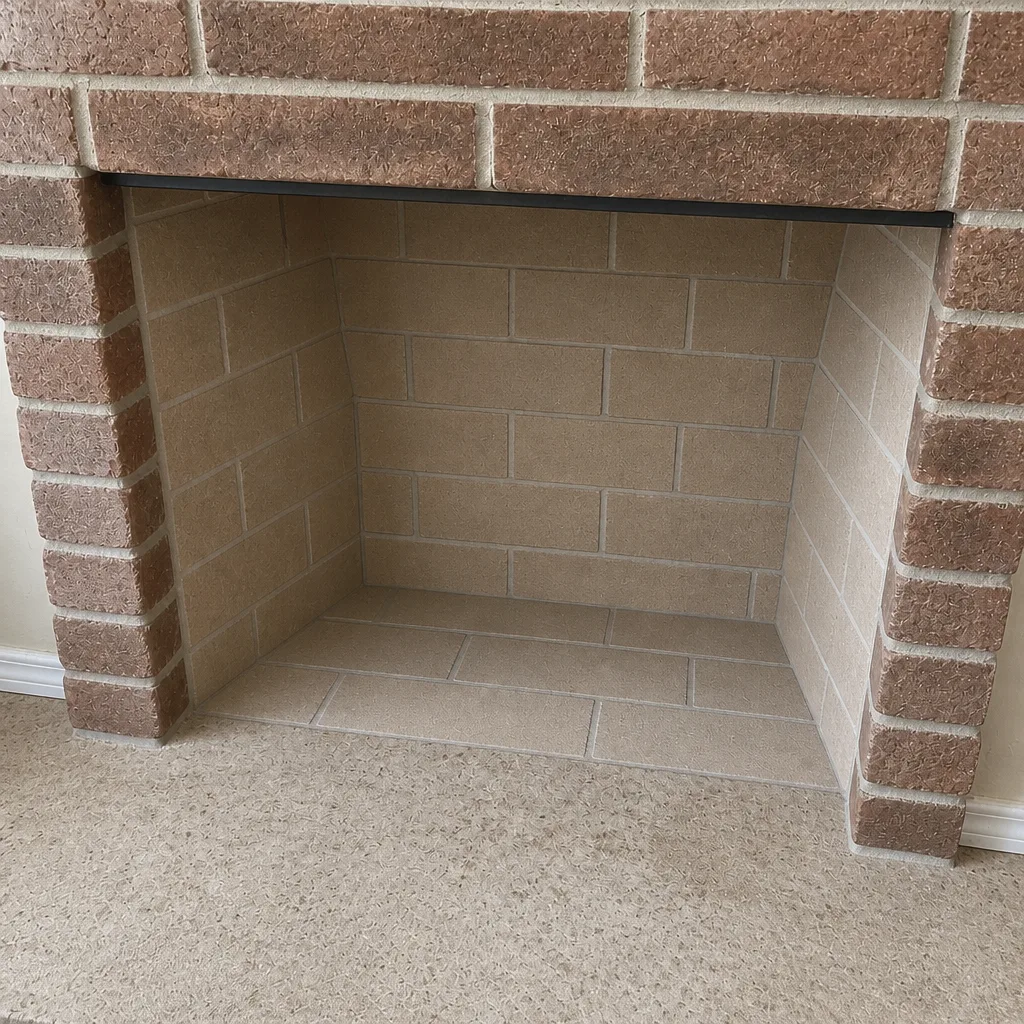
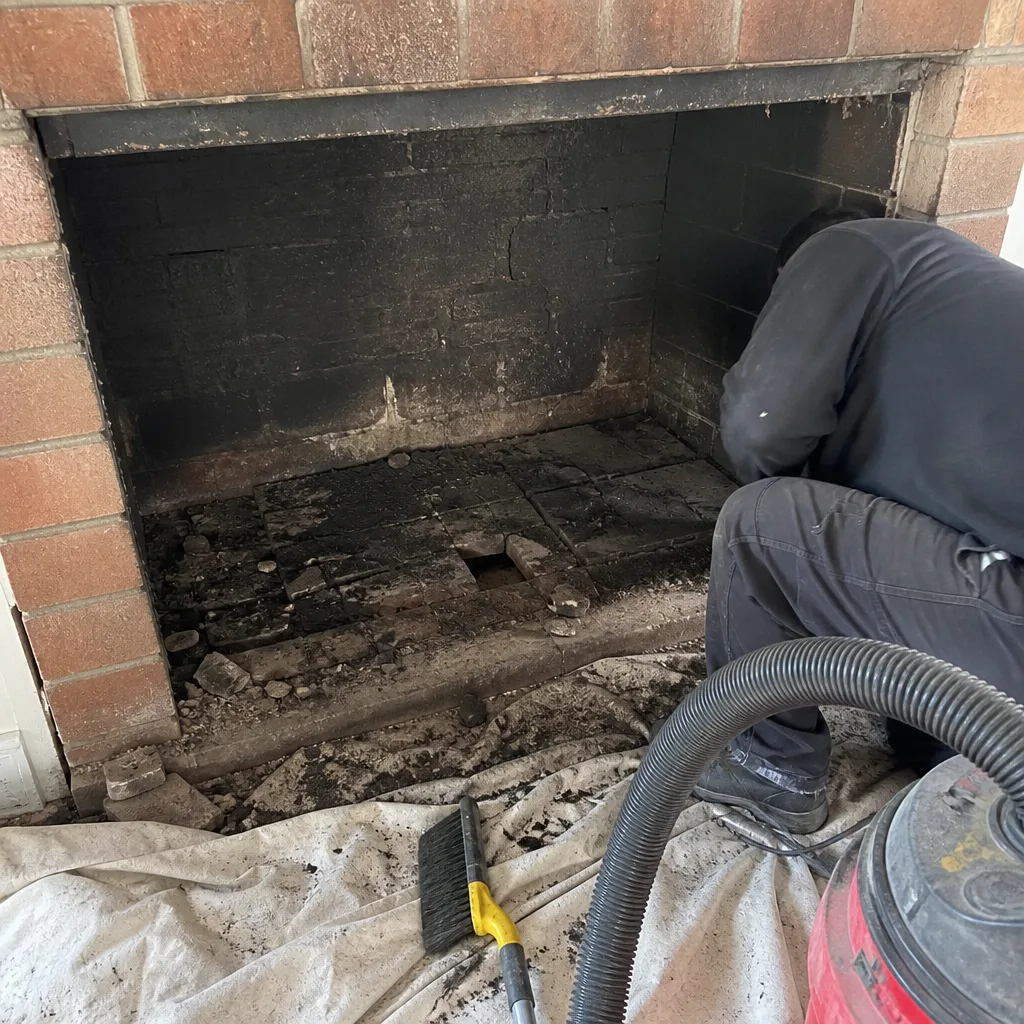
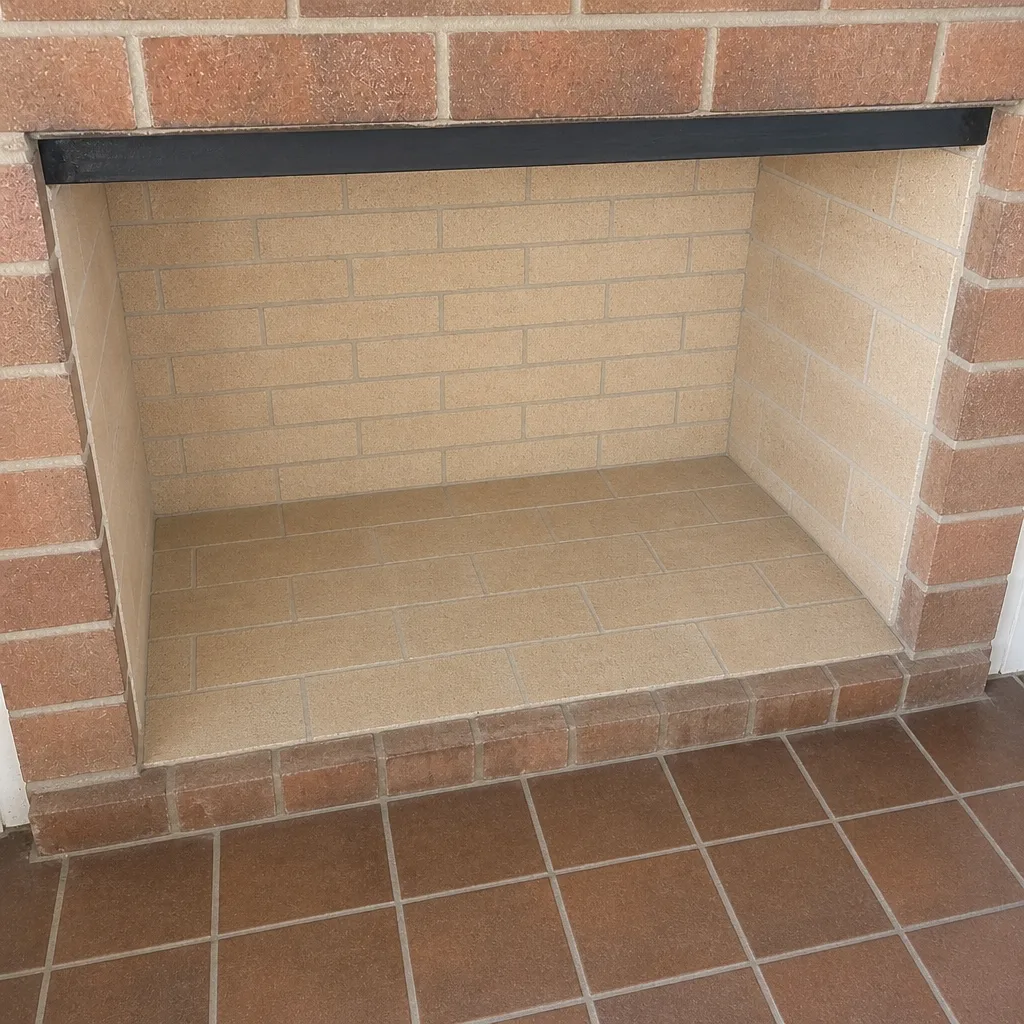
See the difference
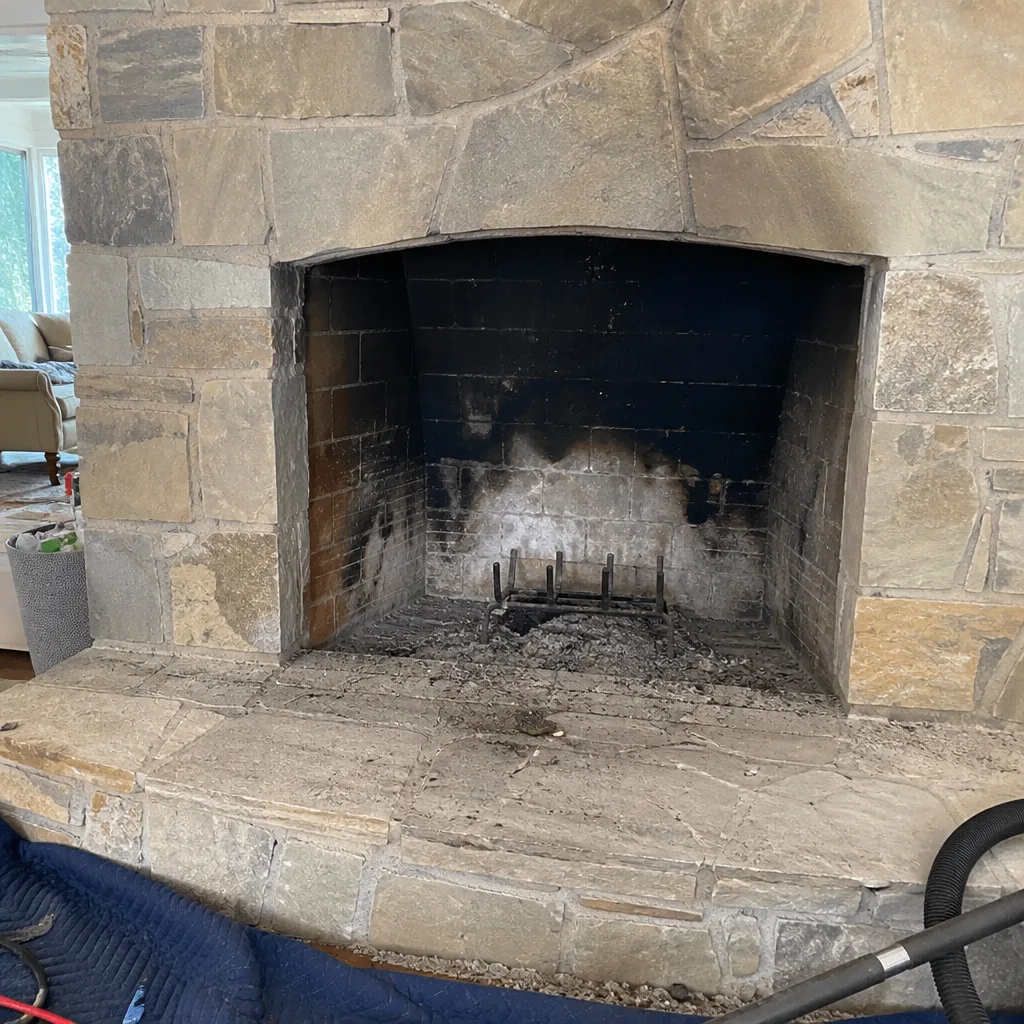 Before
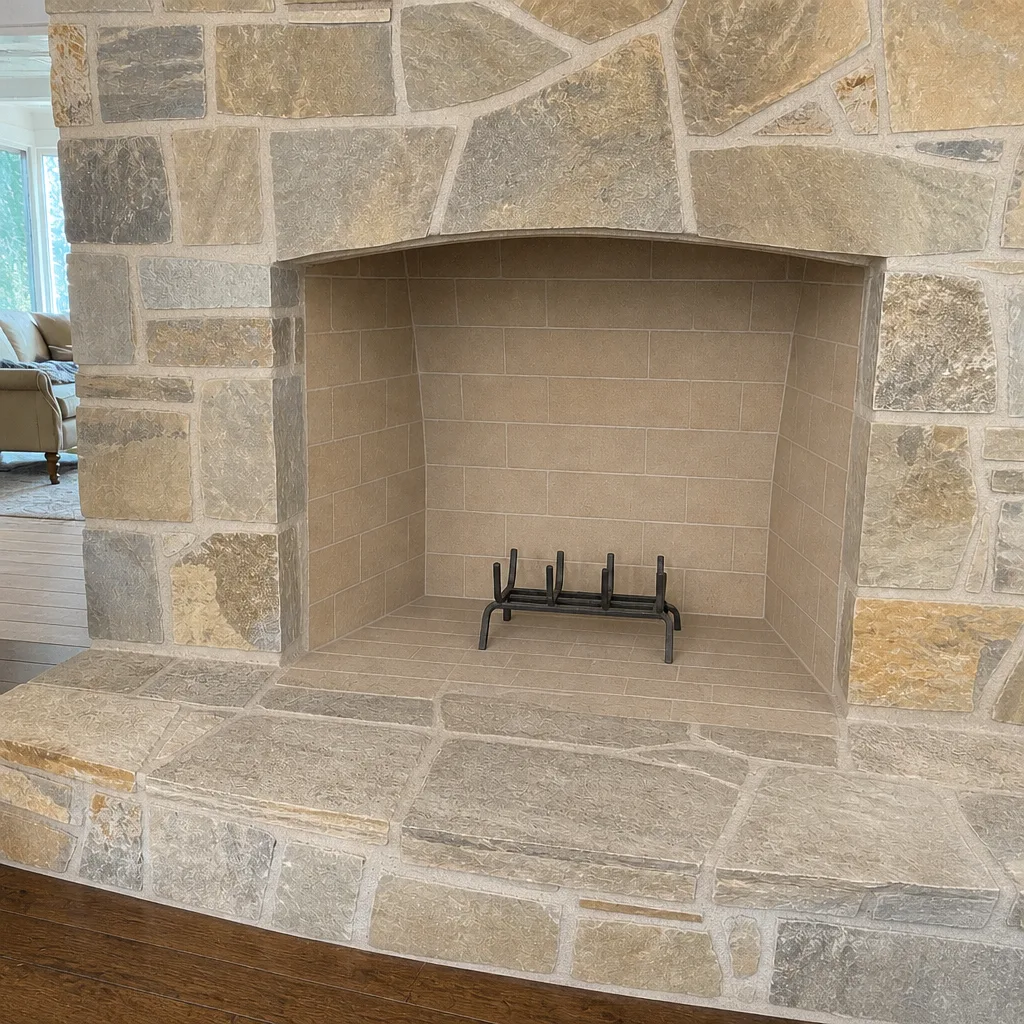 After
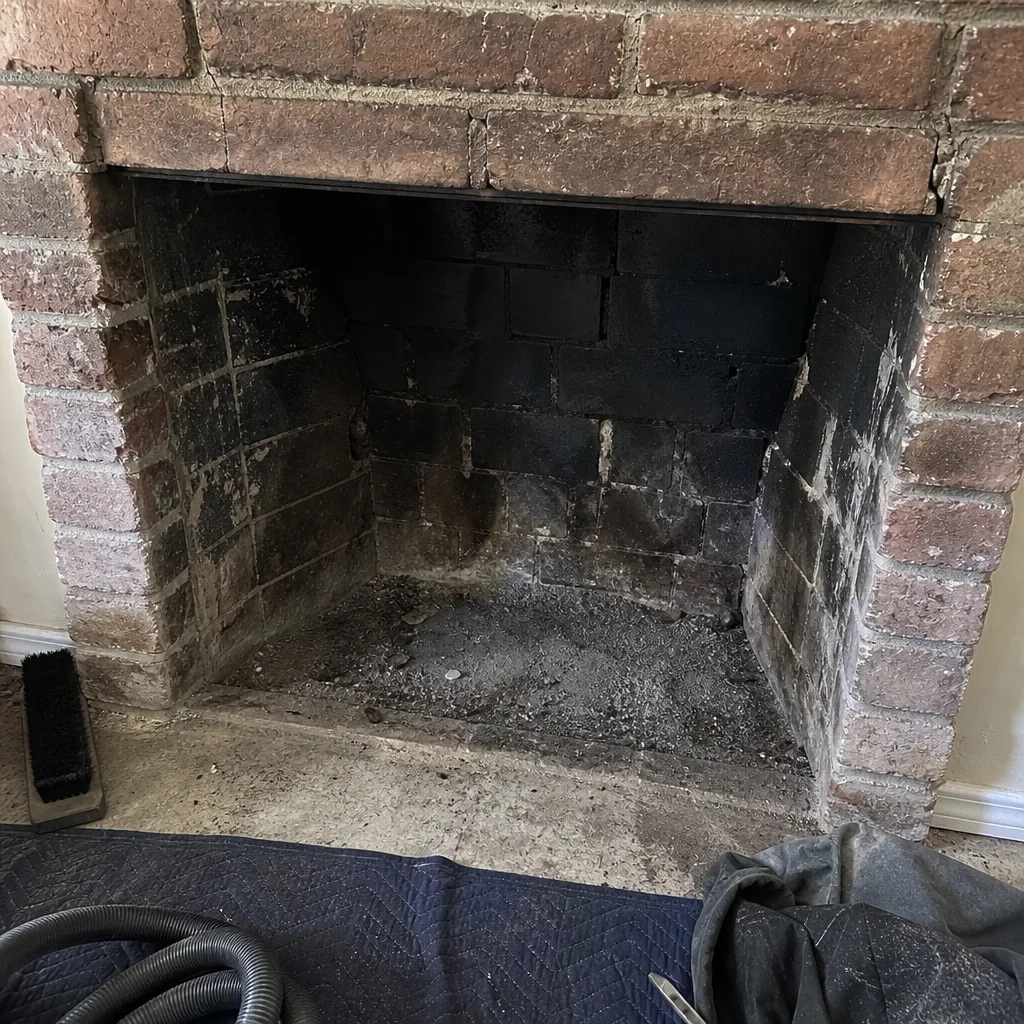 Before
 After
 Before
 After
When to Call a Professional
Call a professional chimney technician if you’ve noticed any of the “stop using the fireplace” signs in this guide, if your flue hasn’t been inspected since you moved in, or if you’ve been lighting the fireplace regularly for a full season without a sweep. Call before the first fire of the fall, not after the last fire of the winter. And call if the fireplace has sat dormant since you bought the house; long-dormant fireplaces are exactly the ones where camera inspections find the most surprises.
If you’re in San Juan Capistrano and you’ve been putting off the inspection, Chimney Sweep San Juan Capistrano offers free estimates in San Juan Capistrano. Call (844) 451-2583. We answer 24/7. Fast dispatch from 7am to 7pm, Sunday through Friday. An estimate comes without a service-call fee, and the price for the work is set per job by a written estimate.
Our technicians have up to 11 years of experience, and we can work with what your inspection finds: sweep, repair, cap and crown, all from the same team. You can start with a standard Chimney Sweep San Juan Capistrano.
Frequently Asked Questions
The earliest signs are exterior: white efflorescence streaking on the brick, a crown that’s cracked or separated, or a cap that’s rusted or missing. These show up before any interior smoke or smell problem appears. If you see any of them, schedule a sweep and camera inspection before the next fire. Call (844) 451-2583 for a free estimate.
Creosote smells like a cold campfire (sharp, acrid, slightly tar-like). Animal intrusion smells musky or ammonia-like and often comes with scratching or fluttering sounds. Mold smells damp and musty, like a wet basement. Each points to a different fix: a sweep, a cap repair, or the moisture source (crown, cap or flashing). A camera inspection confirms which one you have. Call (844) 451-2583 for an estimate.
It’s the smoke alarm of moisture problems. The white residue is efflorescence: water is moving through the masonry and leaving salts behind. It’s not damage yet, but the water path it indicates will lead to spalling and interior damage if left alone. Book a sweep and inspection soon. Call (844) 451-2583 for a free estimate.
Yellow, lazy flames instead of blue; soot on the logs or glass; rust inside the firebox; a dented or rusted chase cover; and any smell of gas when the fireplace is off. Gas logs and prefab systems produce moisture and depend on tight venting, so these signs usually mean the venting needs attention. Stop using the fireplace until a technician inspects it. Call (844) 451-2583 for an estimate.
It depends on the staining pattern. Heavy glossy staining at the back that fades toward the sides usually means poor draft, which often means the flue is restricted and a sweep is needed. Vertical streaks or staining with rust or water marks means moisture intrusion, which needs a camera inspection before the next fire. When in doubt, don’t light it. Call (844) 451-2583 for an estimate.
The general rule for the industry is once a year for homes that use the fireplace regularly; if you burn wood heavily, twice. Because San Juan Capistrano’s fireplace season is concentrated, annual inspection before the first fire is the reliable habit. Camera inspection is the piece that catches what a brush cannot see. Call (844) 451-2583 for a free estimate.
Sweepable problems become structural ones. Efflorescence becomes spalling. A creosote odor becomes a heavily loaded flue. A crown crack becomes a water-damaged chase. None of these fail suddenly; they all advance at a predictable rate once started, which is why catching them is worth the effort. Call (844) 451-2583 for a free estimate.
The Bottom Line
The signs most homeowners respond to are the last ones to appear. The signs that actually prevent chimney fires and structural damage show up earlier, and most of them are visible from the ground: efflorescence, spalling, a failed crown, a missing cap, stains on the firebox wall, a smell that’s subtly changed. None of these are an emergency on their own; together, they’re a schedule-soon signal that becomes a stop-using-it signal once you add visible creosote, heavy smoke, or rust. The camera inspection is what turns a warning sign into a specific answer and a specific repair, with photos you can look at. If your chimney is showing several of the signs in this guide, or if you can’t remember the last time it was inspected, now is the time.
Call (844) 451-2583. We answer 24/7. Fast dispatch from 7am to 7pm, Sunday through Friday. Estimates are free, and the price is set per job by a written estimate.
Related Reading
- Chimney Sweep San Juan Capistrano – what a full sweep and camera inspection involves
- chimney sweep – how often a San Juan Capistrano chimney needs sweeping
- fireplace repair – firebox, damper and fireplace diagnosis
- chimney repair – crown, cap and structural repairs
Written by the team at Chimney Sweep San Juan Capistrano.