
Last updated November 25, 2026
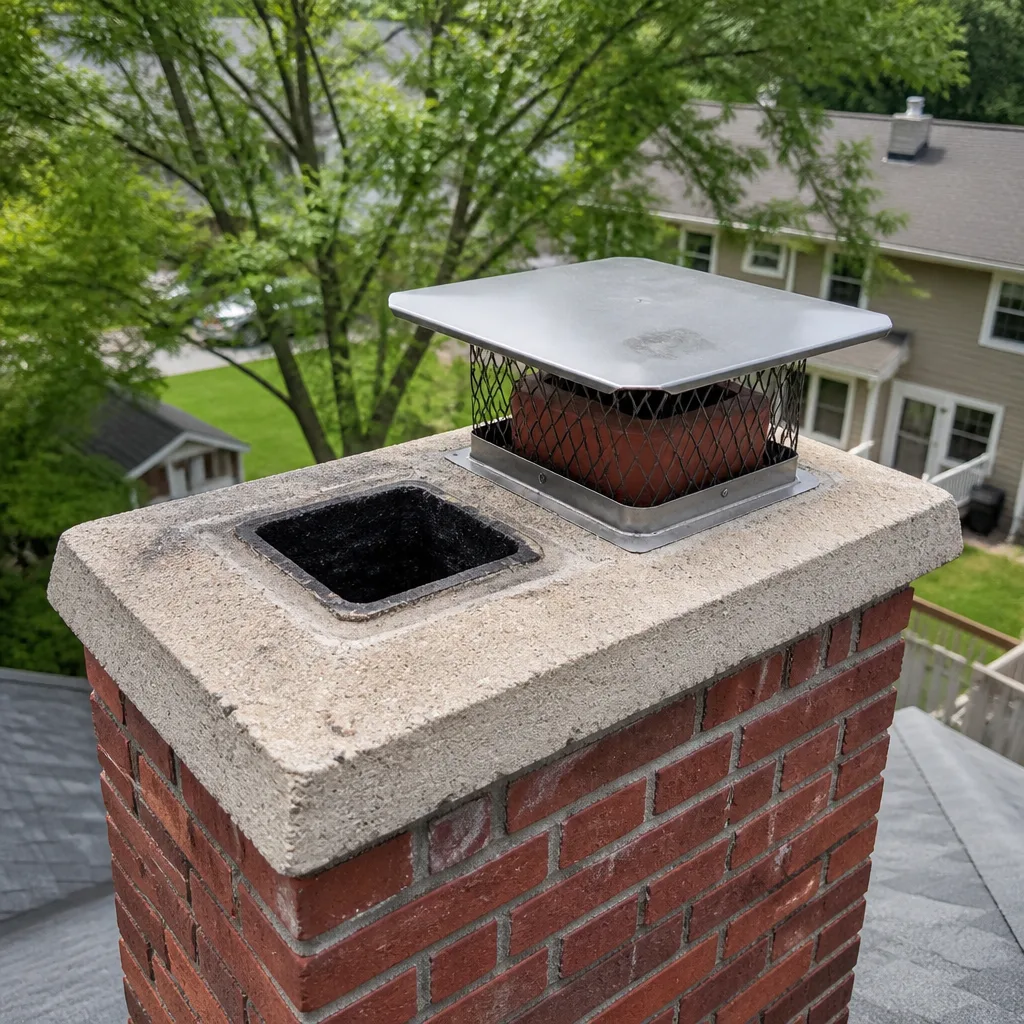 Sweep & inspection
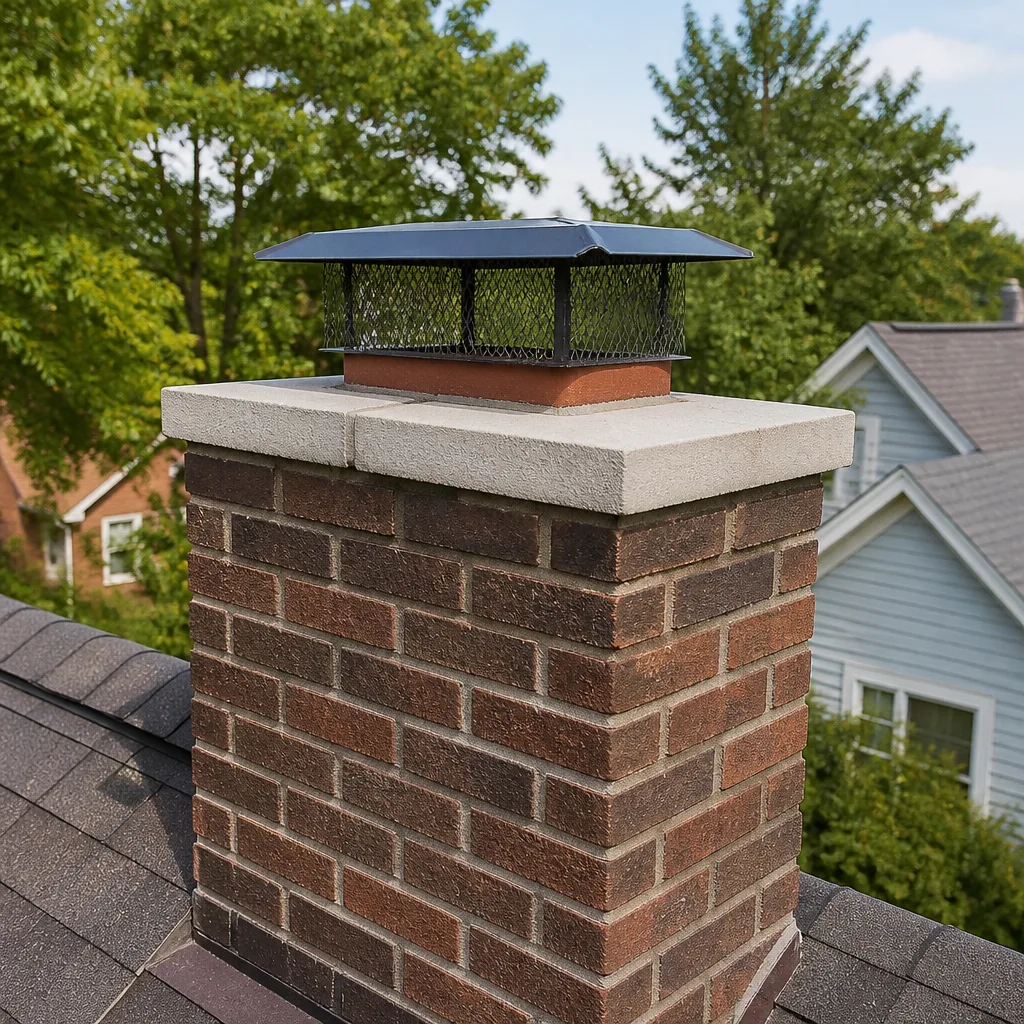 Caps & crowns
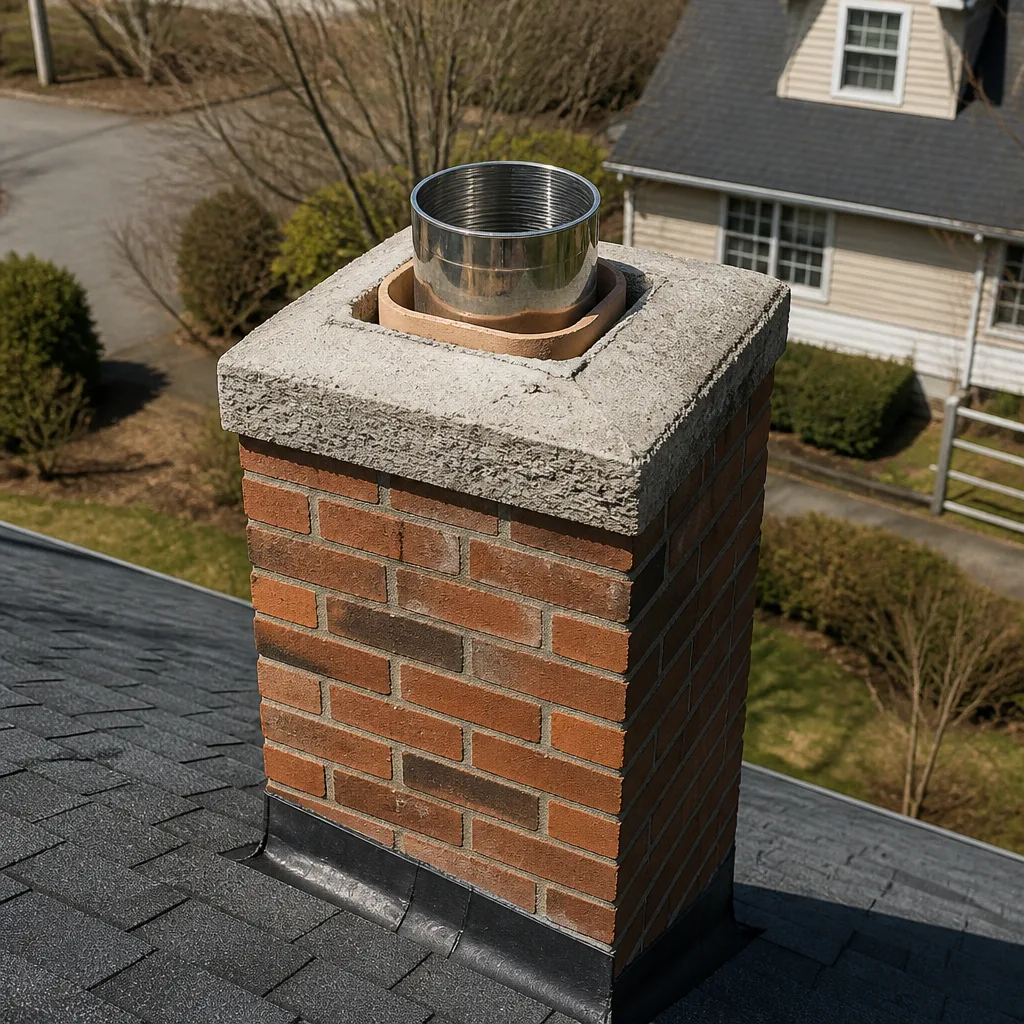 Flue relining
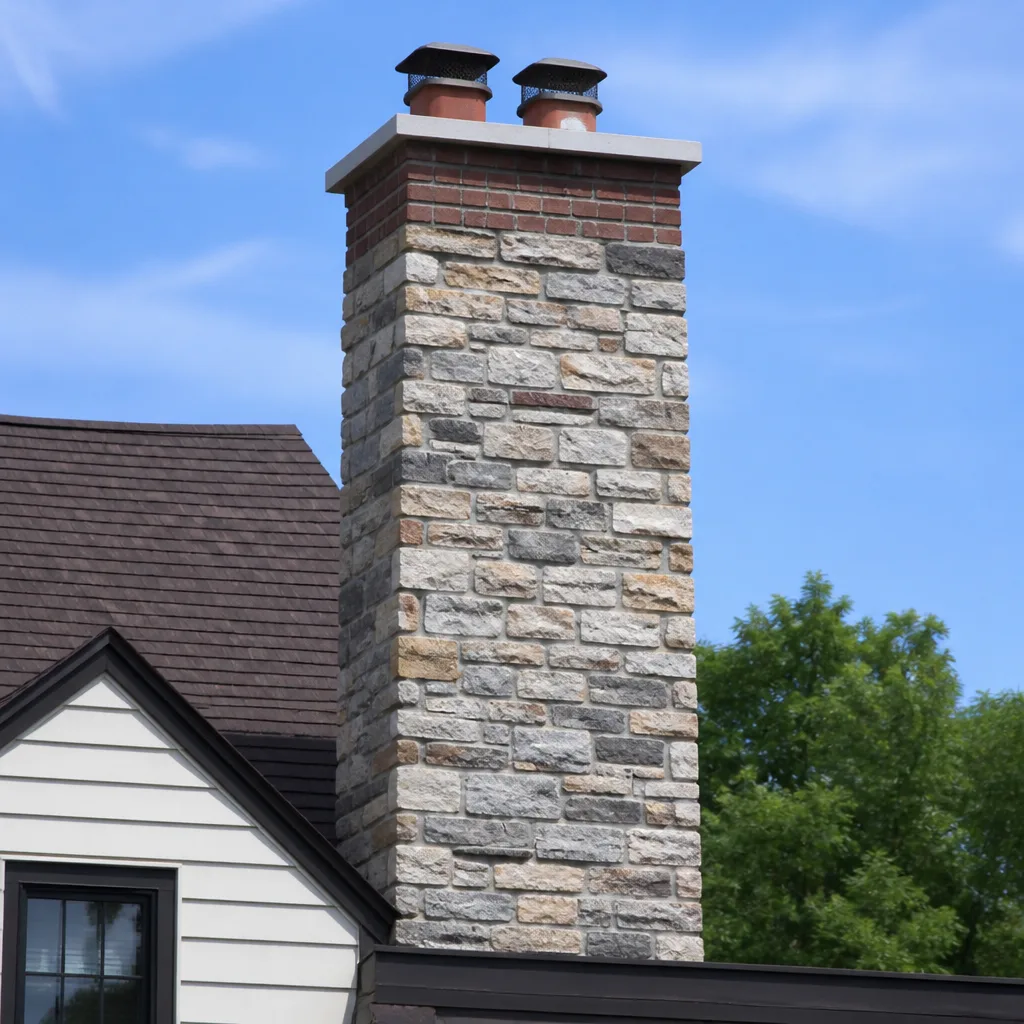 Masonry repair
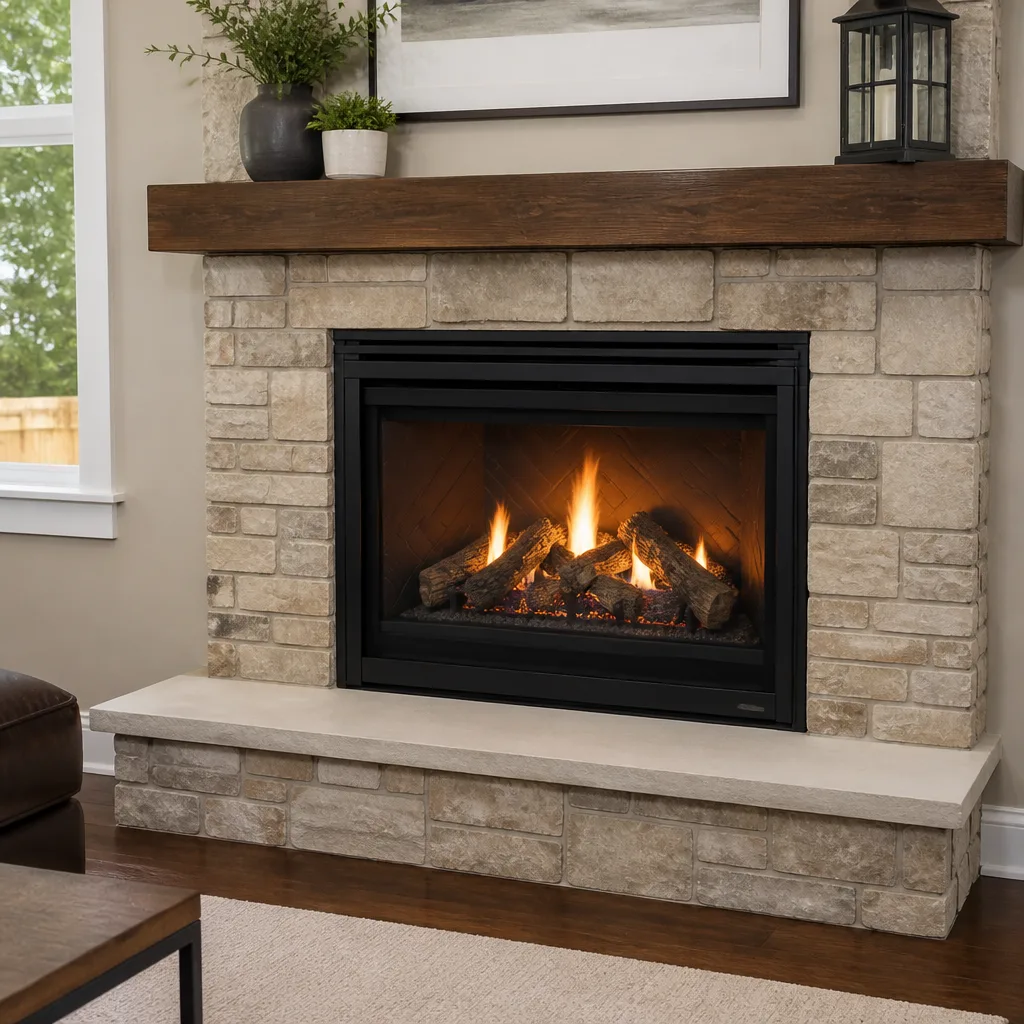 Gas fireplace service
Level 1 sweep and inspection to the NFPA 211 annual standard - flue, crown, cap, and flashing checked and photographed
Chimney sweep logs do not sweep chimneys. They loosen some creosote - which then falls where a brush and vacuum still have to collect it.
Choosing the Right Chimney Cleaning Brand: A Buyer’s Guide for San Juan Capistrano
There are chimney sealants sold at big-box stores and there are chimney sealants that professional masons actually trust. They’re often made by different companies, sold through different channels, and they perform very differently over five years of real weather and real heat. Most homeowners never see this gap until something fails. When you hire a sweep or a repair crew, the products they bring up on the roof tell you more about their professional standards than anything on their website. This guide breaks down what the professional-grade chimney brands actually are, what those names signal, and how to use them to judge a contractor’s work. If you’re comparing chimney cleaning products in San Juan Capistrano, this is the layer the marketing usually hides.
Quick Answer
The best chimney cleaning products in San Juan Capistrano aren’t the consumer bottles on a hardware-store shelf; they’re the professional-grade systems that specialists specify by name – DuraFlex for stainless steel liners, HeatShield for ceramic flue resurfacing, Gelco and Famco for caps and crowns, Olympia Chimney and Copperfield for components. A contractor who can name the products they use, and explain why they chose them, is a contractor who knows the difference between doing the job and doing it cheaply. Ask what they’re putting on your chimney before they start.
Styles & brands we work with
- Sweep & inspection
- Caps & crowns
- Flue relining
- Masonry repair
- Gas fireplace service
Table of Contents
- The Professional-Grade Product Landscape
- How to Ask a Contractor What Products They’re Using
- The Liner Decision: 304 vs. 316L Stainless Steel
- Chimney Caps: Galvanized, Aluminum, Stainless, Copper
- Why Consumer “Chimney Cleaning Solutions” Rarely Work
- Waterproofing and Mortar Repair Products That Last
- What This Means in San Juan Capistrano
The Professional-Grade Product Landscape
Walk into a general home improvement store and you’ll find a chimney section with maybe eight products. A chimney specialist’s shelf looks nothing like that. The professional channel is dominated by a handful of brands that most homeowners have never heard of but that installers and masons specify by name – because those brands have been engineered for the actual conditions a chimney faces: sustained heat cycling, moisture exposure, and a structure that is directly tied to the safety of everyone inside the house.
Here’s how the professional product landscape breaks down by function.
- Creosote removal and sweep chemistry. Professional sweeps rely primarily on mechanical tools – rotary brushes, polypropylene rods, weighted chains – plus chemical agents that are used strategically to soften or condition stubborn glazed creosote before mechanical removal. The chemistry is the stimulant, not the cure. Consumer “soot remover” powders and logs fall far short of what a rotary brush does on actual buildup.
- Flue resurfacing. HeatShield is the name to know. It’s a ceramic-based resurfacing system that rebuilds the inside face of damaged flue tiles without a full reline. Most generalists don’t stock or specify it.
- Liner systems. DuraFlex is a flexible stainless steel liner brand that chimney professionals install for wood, gas, and oil appliances. Olympia Chimney is another component brand specialists specify. These aren’t consumer products.
- Caps and crowns. Gelco and Famco make components engineered for moisture control and venting geometry. A generic stamped steel cap from a hardware aisle isn’t the same category of product.
- Waterproofing. Professional masonry sealers are vapor-permeable – they let moisture escape from inside the brick. Consumer brick sealers often aren’t, and can trap water.
- Mortar repair. Polymer-modified mortar mixes and crown repair compounds hold up far better than standard Type N or Type S mortar sourced at a general retailer for crown work.
The pattern matters: in every single category, the professional specifies a product engineered for the job, sourced through a channel that doesn’t include most retail shelves. That’s not marketing – it’s how the trade is stocked, and it’s a useful filter for figuring out who’s actually a specialist.
How to Ask a Contractor What Products They’re Using
The fastest way to gauge a chimney contractor’s professional standards is to ask a direct question and listen for specifics. Vagueness here is a signal. “We use the best products” is a non-answer. “We use DuraFlex liners, HeatShield for flue resurfacing, and Gelco for the crown” tells you something concrete.
Here’s a numbered script to use when you’re evaluating a chimney service in San Juan Capistrano – or anywhere.
- “What brand of liner would you install, and why that one?” The answer should include a specific brand and a specific alloy or grade. If they say “the strongest available,” ask which brand. If they can’t name one, they don’t install liners often.
- “Do you use HeatShield for resurfacing, or do you always recommend a full reline?” A specialist can do either and picks based on the condition of the flue. A contractor who skips straight to the reline on every job is either under-equipped or padding the estimate.
- “What brand of cap do you install?” A professional answers Gelco, Famco, or Copperfield when it’s a copper build. A generalist says “a stainless cap.”
- “What do you use for waterproofing, and is it vapor-permeable?” If they don’t know whether their sealer is breathable, mark it down.
- “What mortar mix do you use on a crown job?” “Standard mortar” is fine for a lot of repairs. “Polymer-modified crown mix” is a much better sign.
- “Do you have a product sheet for anything you’re recommending?” A specialist can produce one. A fly-by-night operator will wave at their truck.
You don’t need to walk into the conversation as an expert. You just need to ask the question and listen. The contractor’s comfort with brand names is a legitimate proxy for their experience. If you want to go further, ask whether they can diagnose and repair in the same visit – a company that both inspects and fixes without a handoff to another contractor is far easier to hold accountable. That’s the model we work on: the same team that does your chimney sweep can also scope and complete the repair.
The Liner Decision: 304 vs. 316L Stainless Steel
Stainless steel chimney liners come in two main alloy grades, and which one you need depends almost entirely on what you’re burning. 304 stainless is standard for wood-burning appliances and is the most common alloy in the trade. 316L stainless includes molybdenum, which gives it meaningfully higher resistance to corrosive flue gases and to chlorides. It’s specified for gas, oil, and higher-acidity conditions.
Why does this matter for a San Juan Capistrano homeowner? Several reasons.
- Fuel type. A wood-burning fireplace with a seasoned hardwood habit does fine with 304 in most cases. A gas fireplace produces moisture-rich flue gases that condense on a cooler flue surface, and that condensate is acidic – which pushes the recommendation toward 316L.
- Appliance efficiency. An older, low-efficiency furnace or fireplace sends a lot of heat up the flue, which helps keep the liner dry. A modern, high-efficiency appliance sends less heat, and moisture lingers. 316L handles that lower-temperature, higher-moisture environment better.
- Vented gas logs. Vented gas log sets produce significant moisture, and liners for them should be sized and alloyed correctly. A professional will size the liner to the flue and the appliance, not just “drop a liner in.”
DuraFlex makes both 304 and 316L liner systems, and a specialist will specify which one fits your appliance and flue configuration. If a contractor quotes you a generic “stainless liner” without specifying the alloy, ask. That question alone filters out a lot of contractors who are buying in bulk without thinking about the application.
One more thing: liner installation is not a homeowner project. Demolition of a deteriorated clay tile flue, sizing, insulation wrap, and top-plate termination all have to be right for the liner to perform. If your flue is compromised, this work belongs to a trained professional – and if you’re wondering when a liner is actually necessary versus when resurfacing is enough, that’s a conversation to have after an inspection, not before.
If you’re noticing drafting problems or a fireplace that smokes into the room, that’s a common symptom of a liner or flue issue, not just a dirty chimney. Getting a clear diagnosis is the first step before anyone quotes a liner. Professional chimney repair starts with knowing what actually failed.
Chimney Caps: Galvanized, Aluminum, Stainless, Copper
A chimney cap is one of those components homeowners ignore until water starts coming down the flue. The material chosen has a huge effect on how long it lasts and how well it protects the chimney over time.
- Galvanized steel. The cheapest option and the shortest-lived. The zinc coating is the protection; once it’s gone, rust starts. In a mild, dry climate like San Juan Capistrano’s, a galvanized cap gets closer to a decade before showing serious deterioration, but it will corrode.
- Aluminum. Doesn’t rust the way steel does, but it’s softer and can be dented by debris or installation handling. Suitable for low-demand applications, not what we’d spec for a long-term install.
- Stainless steel. The workhorse professional choice. Holds up in coastal-influenced climates, doesn’t rust, and takes weather exposure year after year without failing at the seams.
- Copper. The longest-lived option and the one that develops a natural patina over time. Copperfield is the copper cap brand many specialists specify. On a home where the roofline is visible – which is most of the historic district in San Juan Capistrano – copper also looks right and stays right.
Gelco and Famco make caps and crown components engineered specifically for moisture sealing and proper vent geometry. The dimensions matter: an undersized cap doesn’t do its job, and an oversized one interferes with draft. This is why a “cap from the hardware store” usually isn’t the right call – the fit and the venting matter as much as the material.
A failing cap is also a leading cause of chimney water damage. Once water is working its way into the flue structure, the repair scope grows. This is why we install Gelco and Famco components for the cap and crown – because those elements are the front line against the problem the rest of the chimney is downstream of.
Why Consumer “Chimney Cleaning Solutions” Rarely Work
There’s a whole shelf of consumer products marketed as chimney cleaning solutions: creosote-removal powders you sprinkle on a fire, chemical logs, soot-removal sprays. They mostly do very little for a chimney that actually needs cleaning – and some of the label claims should be read with real skepticism.
Here’s why the professional mechanical sweep still wins.
- Removal is mechanical, not chemical. Creosote – especially glazed, third-degree creosote – is a hard, tar-like deposit bonded to the flue tile. You remove it with a rotating brush and the right rod set. Chemistry softens it a little; it doesn’t take it off.
- Creosote-removal logs are a fire-risk accelerant if misused. Some of these products work by changing the chemistry of what’s burned, which can produce a hotter, more volatile fire. That accelerates buildup, not eliminates it. A professional will sometimes use a chemical agent strategically before a sweep, but that decision requires knowing the flue condition first.
- You can’t see what you’re cleaning. A homeowner reaches into a flue from below with a hand tool or a vacuum attachment. A sweep uses proper rods, a rotary head, and a camera to see the actual flue surface. Those are not the same job.
- Label claims to read skeptically. Watch for “cleans while you burn,” “guaranteed to remove creosote,” and “safe for all flue types.” None of those claims is verifiable on a consumer product, and the third can be actively wrong – some products are not safe for certain liner materials or flue types.
The honest version is this: a consumer product can slightly reduce how often a chimney needs attention if you’re diligent about it, but it cannot substitute for the actual sweep. A real Chimney Sweep San Juan Capistrano appointment involves tooling, a camera inspection, and a report on what the technician actually found – none of which comes in a bottle.
Waterproofing and Mortar Repair Products That Last
Water is the chimney’s long-term enemy. Not fire – though fire is the acute hazard – but water. It works on masonry from the outside in, freezes and expands mortar joints (in colder climates), loosens the crown, and eventually gets into the flue structure. The right products are the ones that breathe.
Here’s the short version of what a professional specifies.
- Vapor-permeable masonry waterproofing. The sealer has to let moisture that’s already inside the brick escape, while blocking new liquid water from entering. Non-permeable sealers – the kind sold at general retailers – trap moisture inside and can cause spalling. Professional-grade sealers are formulated specifically for this problem.
- Crown repair mix. The crown is the sloped top that sheds water off the chimney. Polymer-modified crown mixes hold up far better than standard mortar. Gelco and Famco both make crown components and repair materials engineered for this purpose.
- Flue resurfacing. HeatShield is the professional system for rebuilding the inside of a flue that has spalled or cracked tiles. It restores the flue integrity without a full relining when the damage doesn’t warrant one. Most generalists don’t have this in their toolkit; a chimney specialist should be able to offer both HeatShield and a DuraFlex liner and choose between them based on the inspection.
- Mortar and tuckpointing. For repointing the exterior joints, the mortar mix has to match the existing brick’s properties – too hard a mortar damages softer brick over time.
If you have a visible crack in the crown, a crumbling mortar joint, or efflorescence on the exterior brick of your San Juan Capistrano home, it’s worth getting an inspection before the next rainy season. The fixes are much cheaper when they’re caught early.
What This Means in San Juan Capistrano
San Juan Capistrano has a specific mix of chimney conditions that make product choice matter more than the average market. The historic district downtown has homes with original clay tile flues and mortar that has been in place for a long time. Older construction in the neighborhoods around Los Rios and the Mission area often has flues that were never built for the appliance currently burning in the firebox. And newer construction – homes closer to the 5 freeway corridor or up toward the hills – often has a firebox rebuilt for gas logs on top of a flue sized for a wood fireplace.
In each of those scenarios, the products a contractor specifies are different.
- An original clay tile flue with spalled interior joints often responds well to HeatShield resurfacing. A specialist can evaluate that with a camera and decide whether resurfacing is enough or whether a DuraFlex liner is the right call.
- A gas conversion in a historic home typically calls for a 316L stainless liner because the gas flue gases are more acidic than the wood smoke the flue was originally built for.
- A cracked crown on a tile roof needs a polymer-modified crown mix and, often, a Gelco or Famco cap that fits the flue dimensions properly for a house that’s exposed to The Great Park area wind patterns in the dry months.
We’re not describing a wholesale renovation here. Most of these are modest repairs – a crown rebuild, a specific cap, a resurfacing job – that cost far less than a full reline and last many years. The trick is knowing which one you actually need, and that’s the inspection’s job. Our technicians have up to 11 years of experience diagnosing exactly these conditions across San Juan Capistrano, and a proper inspection with camera photos is the starting point for any recommendation.
If you’ve recently bought a home in San Juan Capistrano and the seller didn’t document the chimney’s condition, that’s another reason to get an inspection on the calendar. It’s one of the few areas of a house where “looks fine from the ground” tells you nothing about what’s actually inside.
Common Mistakes to Avoid
- Buying a “chimney cleaning log” and calling it a sweep. These products don’t remove creosote that’s already bonded to the flue; at best they soften the next round of buildup slightly, and at worst they accelerate the fire chemistry in your firebox. A camera-verified sweep is the only real clean.
- Accepting a “stainless liner” quote without asking the alloy. 304 and 316L behave very differently over time. If a contractor can’t or won’t name the alloy, they probably don’t know which one they’re installing.
- Letting a cap get replaced with the cheapest model available. A galvanized cap from a general retailer might last a few years; a properly sized Gelco or Famco stainless or copper cap will last far longer and stop water intrusion the whole time.
- Waterproofing with a hardware-store sealer. Non-permeable sealers can trap moisture in the brick and cause the faces of the masonry to fail. Ask whether the sealer is vapor-permeable before it goes on.
- Taking a “you need a full reline” quote without a camera report. A contractor who jumps straight to the most expensive repair without showing you why hasn’t done the diagnostic work. HeatShield resurfacing is a legitimate middle path for many flues.
- Skipping the inspection because the chimney is on the back of the house. Out-of-sight chimneys are the ones that go longest without attention. The condition of the crown, cap, and flue isn’t visible from the ground, and overlooking it is exactly how a modest repair turns into a large one.
- Assuming one trade handles the whole job. A fireplace company that only cleans and a general contractor that only rebuilds means two visits, two signatures, and a handoff between companies. Keeping diagnosis and repair with the same team is what keeps the recommendation honest.
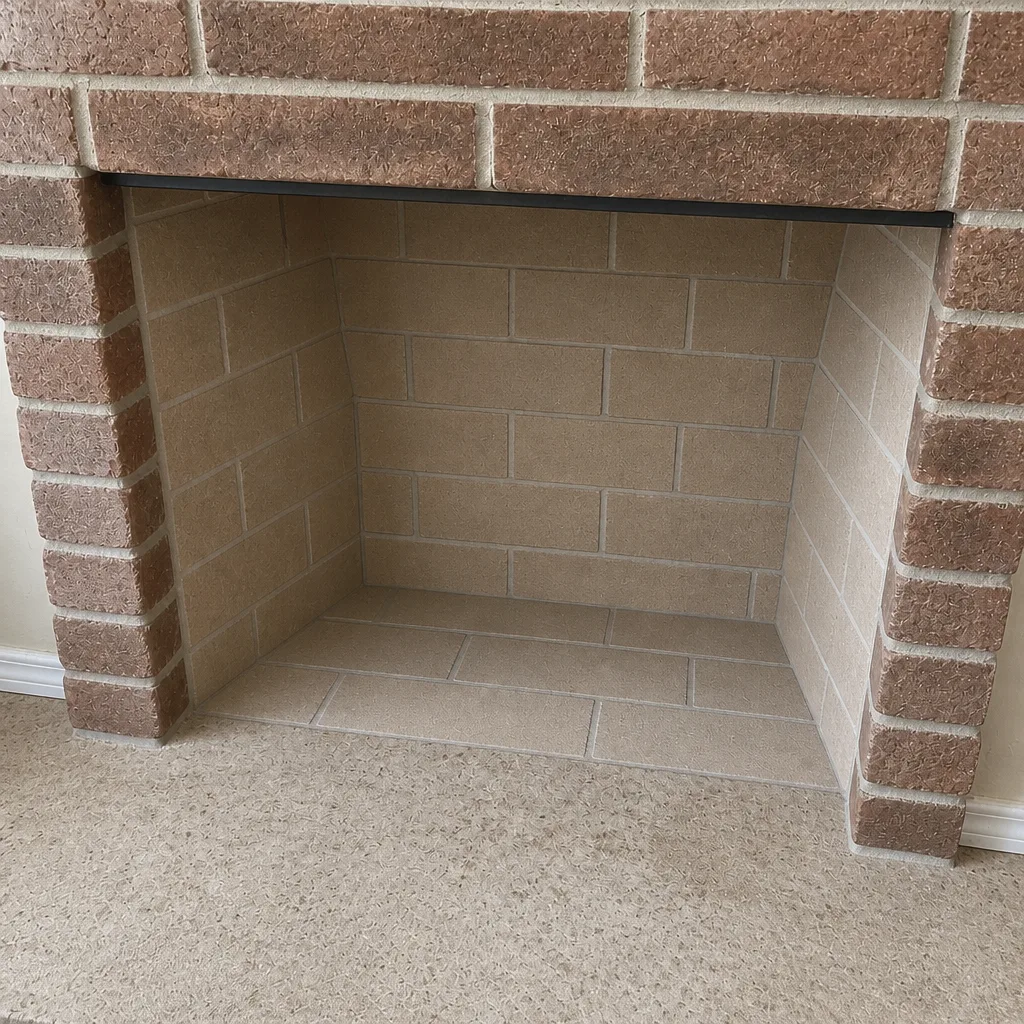
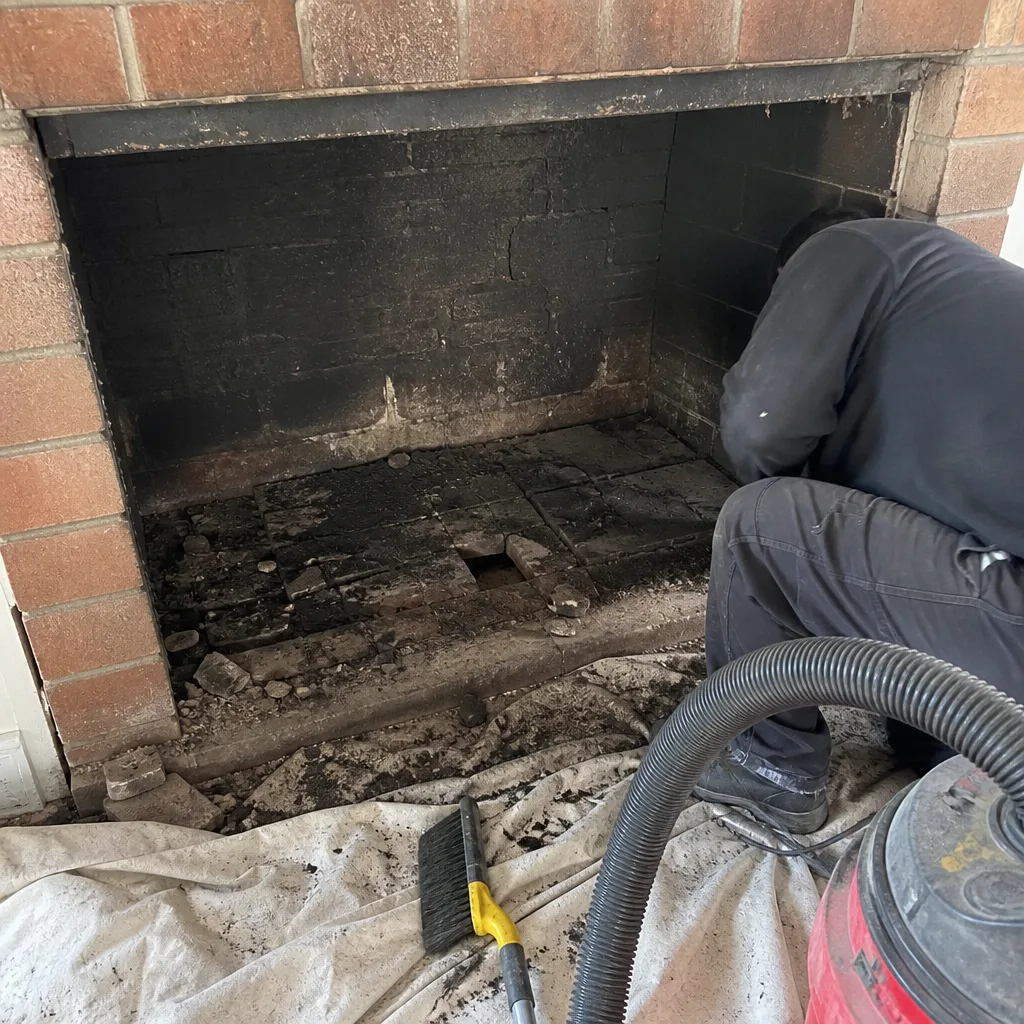
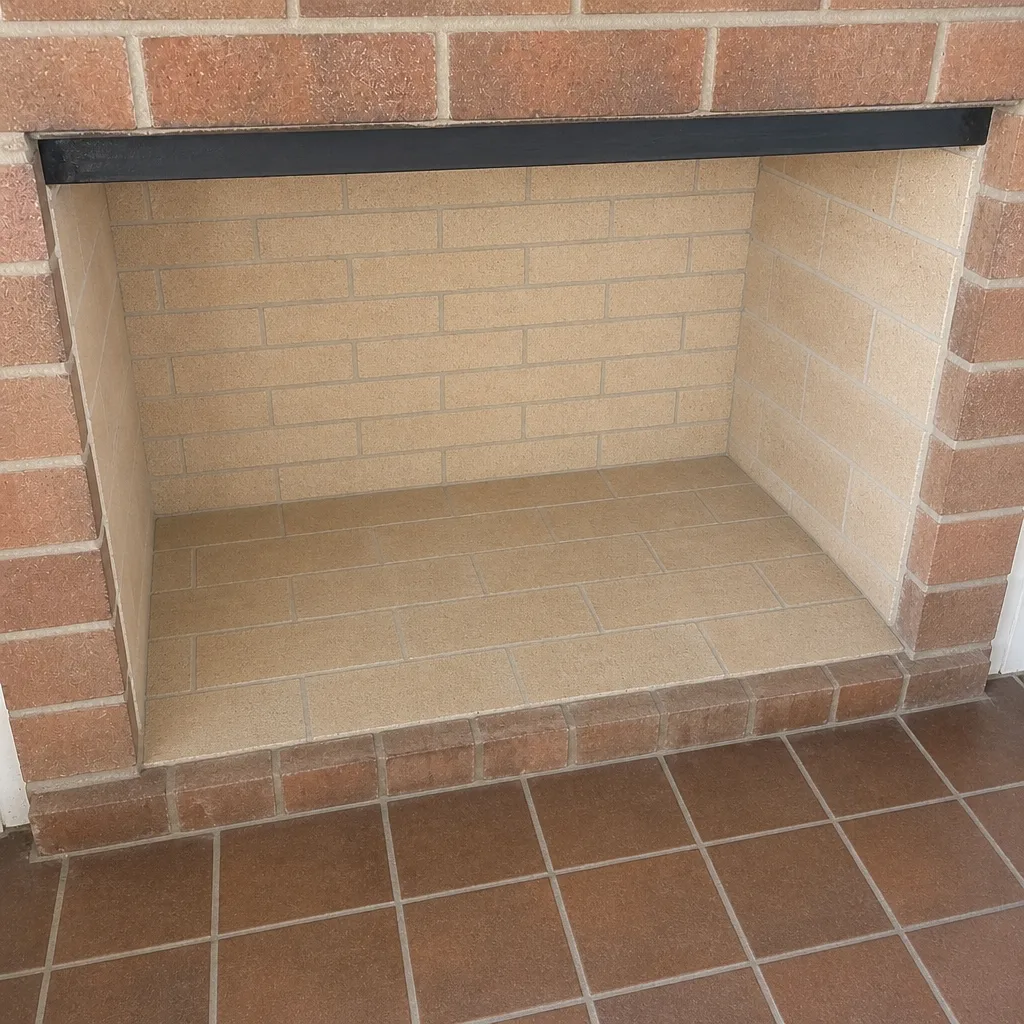
See the difference
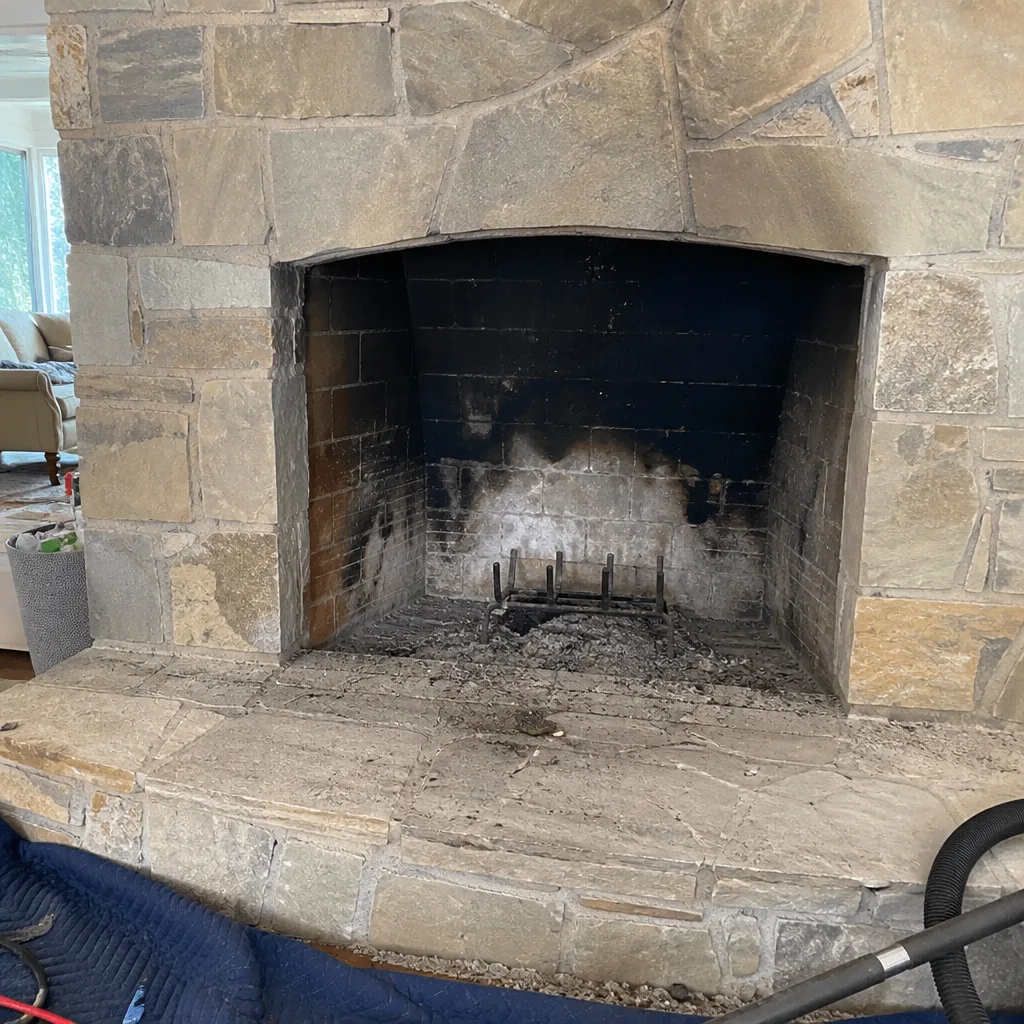 Before
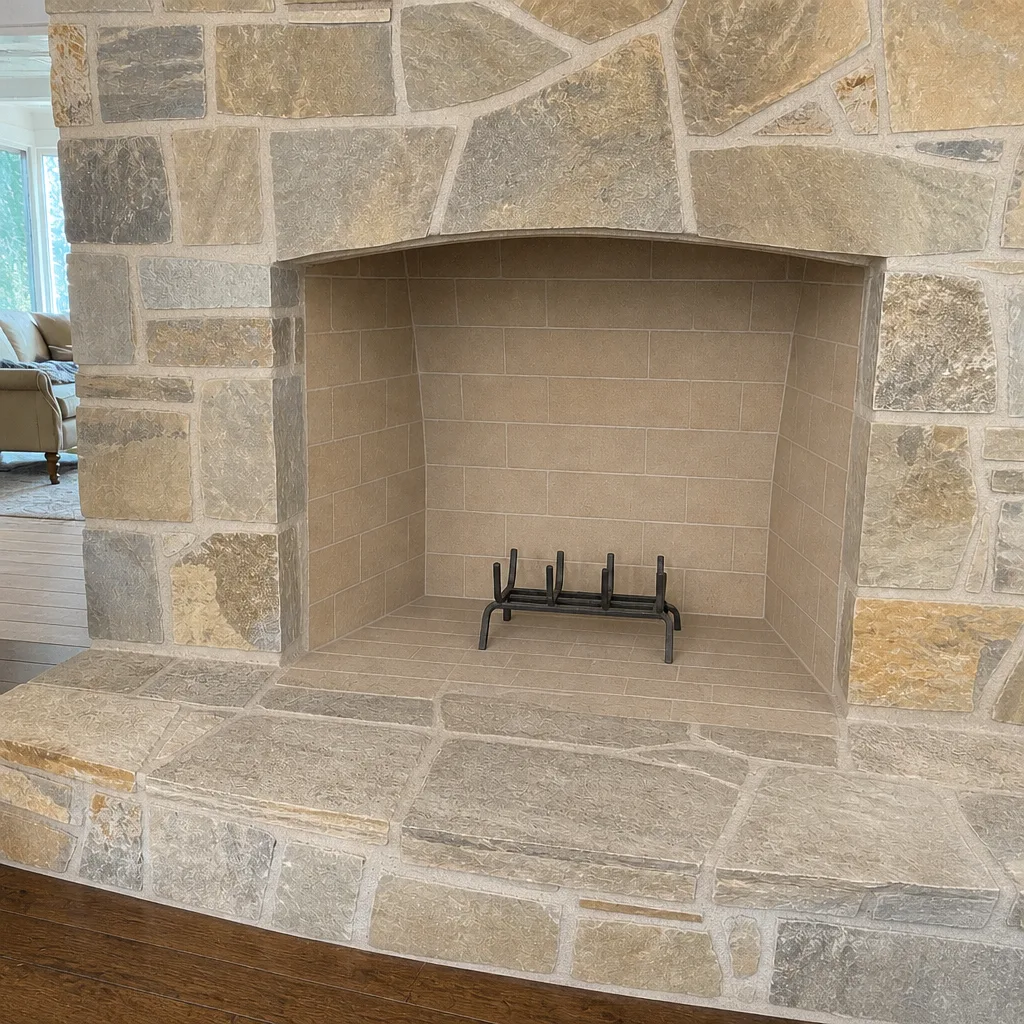 After
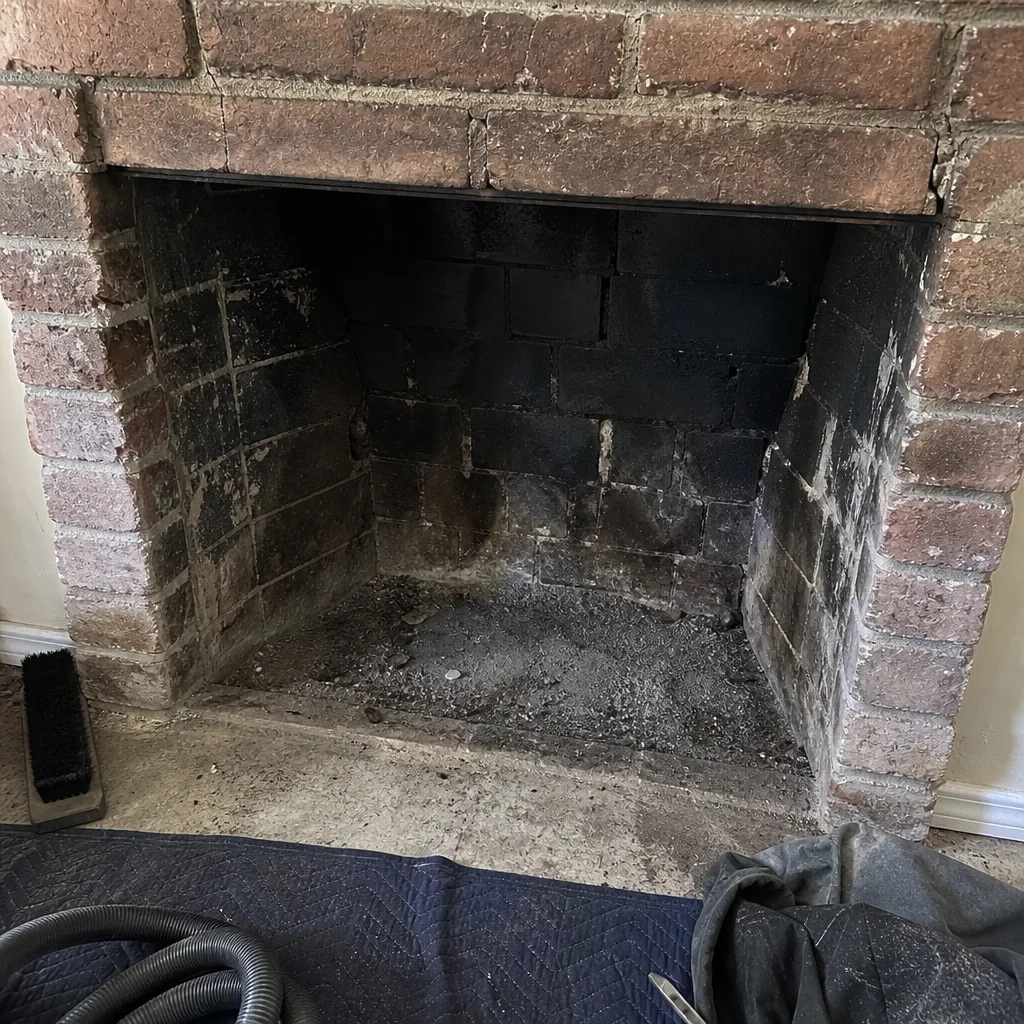 Before
 After
 Before
 After
When to Call a Professional
Some chimney issues are cosmetic and can wait. Others can’t. Call a professional if you’ve noticed any of the following: smoke backing into the room when you light a fire, a persistent smoky smell in the house even when the fireplace is unused, visible cracking or crumbling in the exterior mortar or crown, water staining inside the firebox, a cap that’s visibly loose or rusting, or an annual sweep that’s overdue. If you’ve moved into a home in San Juan Capistrano and have no record of the chimney ever being serviced, that’s also a reason to get a baseline inspection. The right first step isn’t a repair quote – it’s a diagnostic inspection with photos you can see for yourself. Chimney Sweep San Juan Capistrano offers free estimates in San Juan Capistrano – call (844) 451-2583. We answer 24/7. Fast dispatch from 7am to 7pm, Sunday through Friday.
Frequently Asked Questions
A standard chimney sweep in the San Juan Capistrano area typically runs in the low-to-mid hundreds of dollars, and the written estimate you receive before booking sets the final price. That base price usually covers the sweep itself plus a visual inspection with a camera. Add-ons like a crown repair, a cap replacement, or a full liner typically quote separately after the inspection findings are shared. Call (844) 451-2583 for a free estimate – estimates are free.
Resurfacing with HeatShield is a legitimate alternative to a full reline when the flue tiles are cracked or spalled but the overall flue structure is intact and properly sized. A full DuraFlex reline is warranted when the flue is too large for the appliance, is missing tiles, or has structural failure that resurfacing can’t fix. Ask your contractor to show you the camera footage of the flue and explain which condition they see – the recommendation should follow the evidence.
An annual inspection is the standard recommendation for any home with a wood-burning fireplace, and a sweep is typically called for once a year of regular use if the buildup is significant. Gas appliances and fireplaces that see infrequent use can stretch the interval, but the inspection still matters because it catches structural issues that don’t show up in the firebox. If you burn a lot of wood through the winter months, don’t skip the sweep.
Creosote buildup inside the flue is the direct fuel source for a chimney fire, which is a genuinely serious event – not a scare story. On the quieter side, skipping the sweep means small cracks and crown damage go unnoticed, and water damage that starts small compounds over time. Either way, the longer a chimney goes without inspection, the more likely a modest repair turns into a large one. Call (844) 451-2583 to get on the calendar.
No. Consumer creosote-removal logs do not remove creosote that has already bonded to the flue surface; at best they soften the next layer of buildup. Professional mechanical sweeping uses rotary brushes and proper rod tooling, and a camera inspection to verify the clean. If a product label promises to “clean while you burn,” that’s a claim to read skeptically.
A specialist should be able to name specific professional-grade brands – DuraFlex for stainless liners, HeatShield for flue resurfacing, Gelco and Famco for caps and crowns, Olympia Chimney and Copperfield for components. If the answer is vague or the brands sound like they came from a general home improvement shelf, that’s a signal about the contractor’s standards. The names aren’t marketing – they’re what the trade is actually stocked with. Call (844) 451-2583 for a free estimate.
The Bottom Line
The chimney cleaning brands homeowners encounter at the retail level and the professional-grade products a specialist specifies are two different categories. The names worth knowing – HeatShield for resurfacing, DuraFlex for liners, Gelco and Famco for caps and crowns, Olympia Chimney and Copperfield for components – come with engineering built for the job. Use them as a filter. Ask any contractor what products they’re using and why; their comfort with specifics tells you just about everything you need to know. From the first sweep to structural repairs, the same team should be able to diagnose, explain, and complete the work. For San Juan Capistrano homeowners who want a straight answer about what’s on the chimney and what it actually needs, fireplace repair and liner questions start with a call. Reach us at (844) 451-2583 for a free estimate. We answer 24/7, with fast dispatch from 7am to 7pm, Sunday through Friday.
Written by the team at Chimney Sweep San Juan Capistrano.