
Last updated November 25, 2026
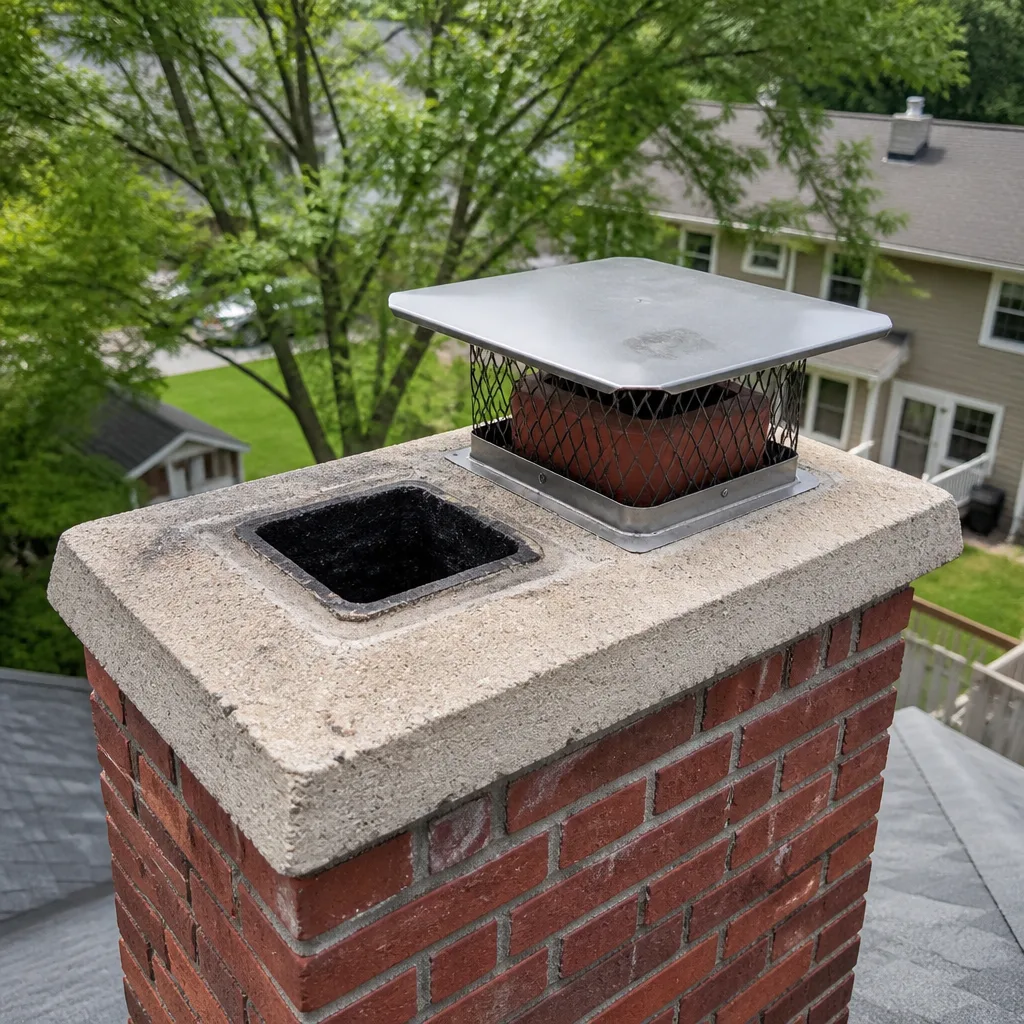 Sweep & inspection
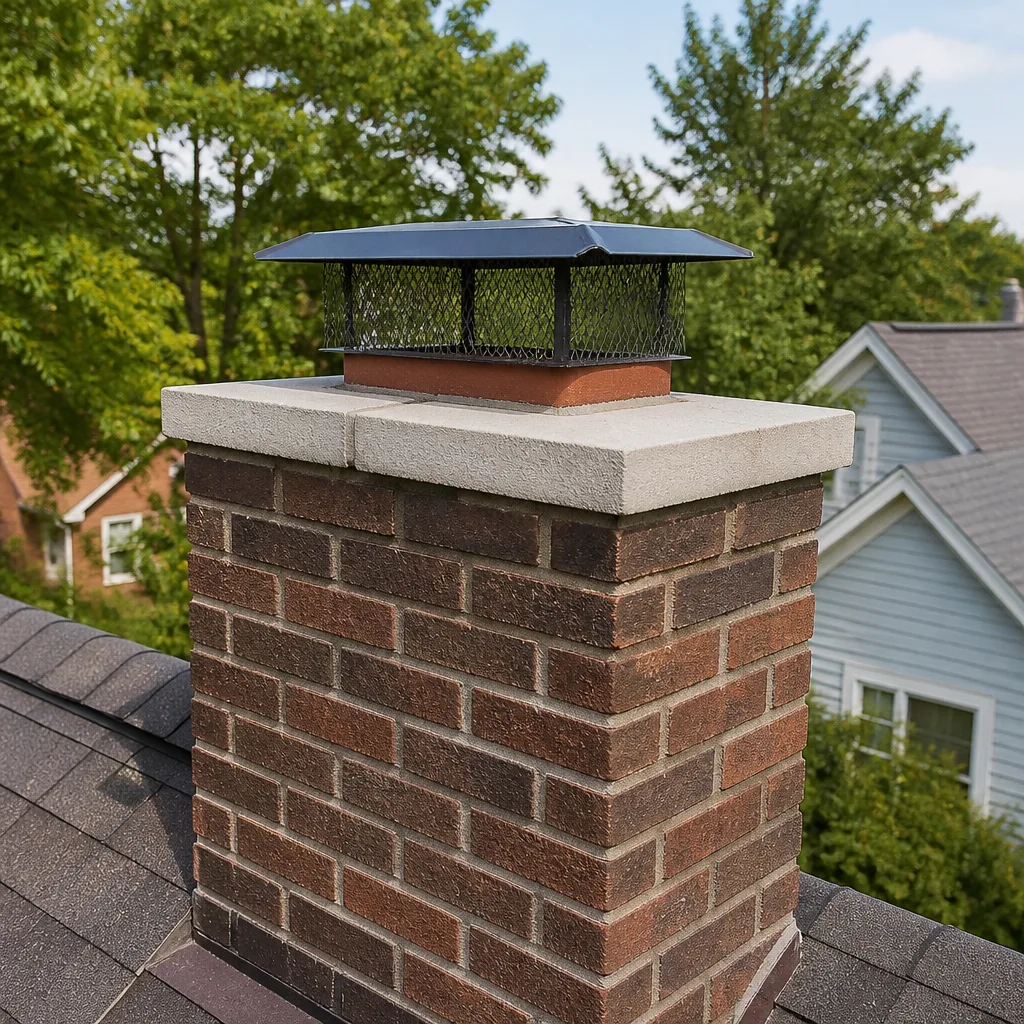 Caps & crowns
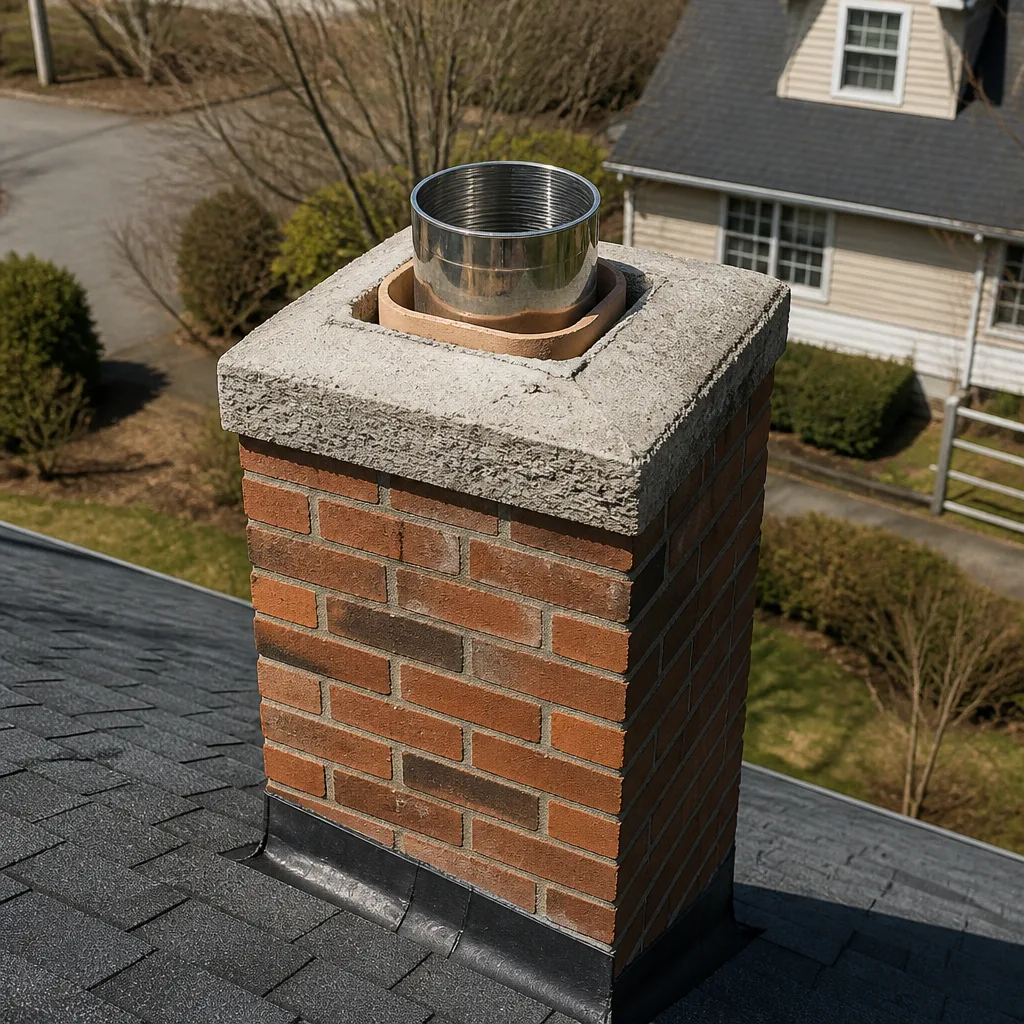 Flue relining
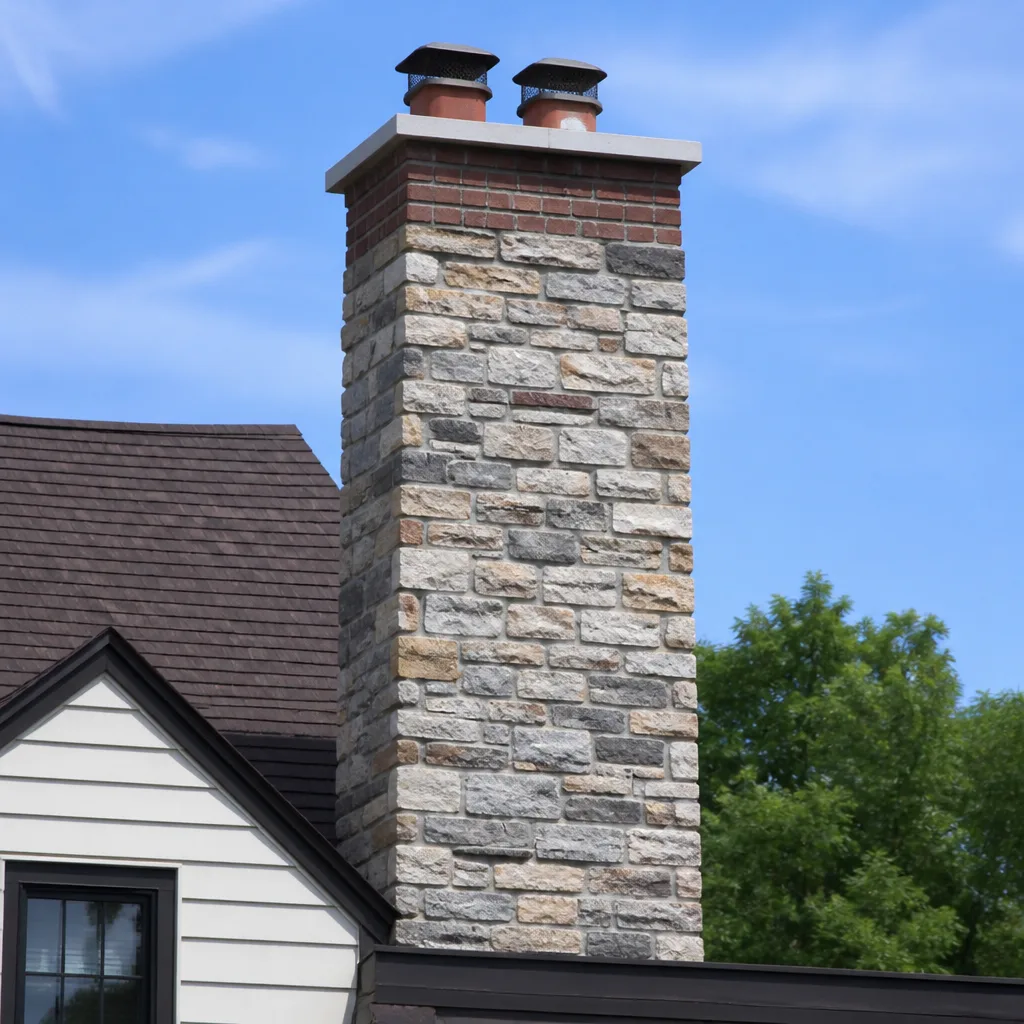 Masonry repair
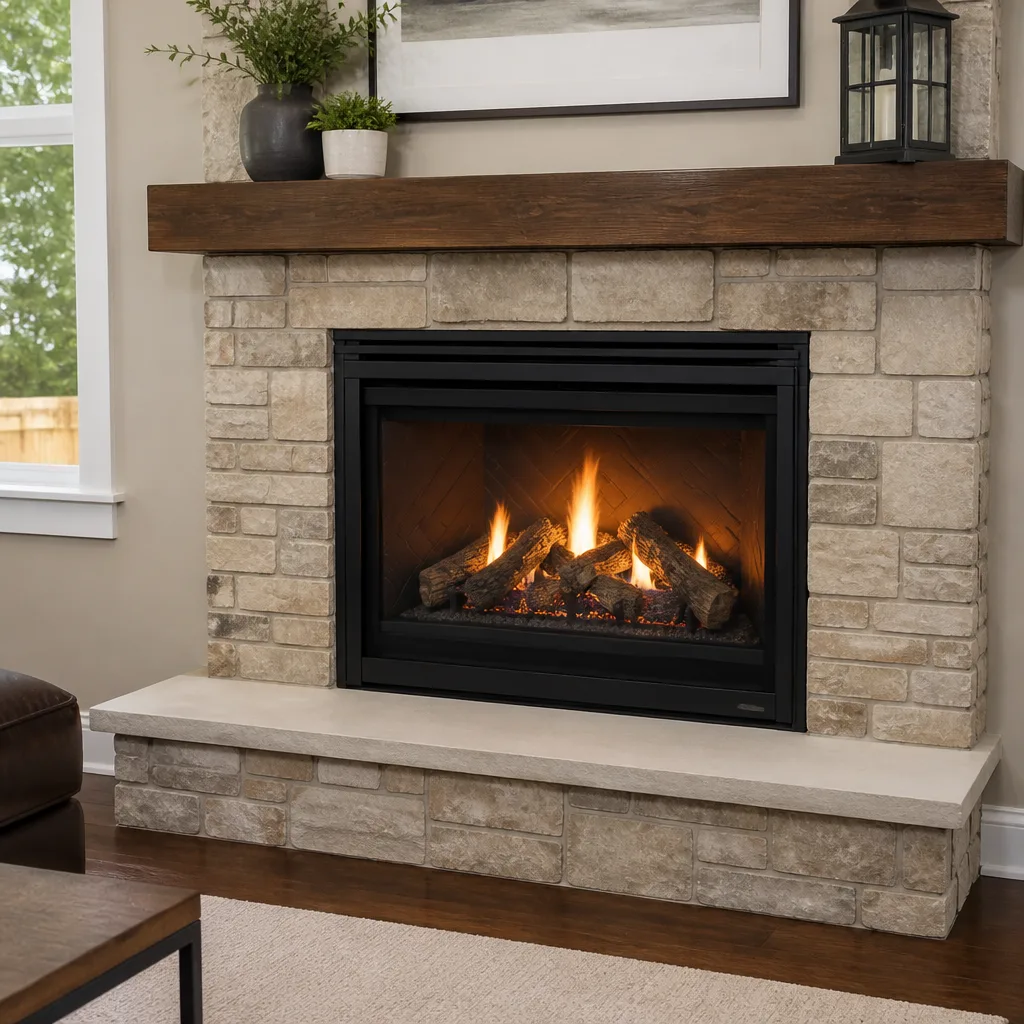 Gas fireplace service
Level 1 sweep and inspection to the NFPA 211 annual standard - flue, crown, cap, and flashing checked and photographed
Chimney sweep logs do not sweep chimneys. They loosen some creosote - which then falls where a brush and vacuum still have to collect it.
Chimney Sweep Maintenance Schedule: What to Do and When
If you burned fewer than five fires last year, your chimney’s biggest threat isn’t creosote. It’s moisture intrusion that went unchecked because no one looked inside. A single annual sweep is the industry’s default advice, and it’s a fine default. It’s also a floor, not a schedule. In a mild-climate town like San Juan Capistrano, a fireplace that runs hot in December and sits cold from March to November needs a different rhythm than one in a cabin that burns cordwood daily. This guide builds the calendar around how you actually use your fireplace: how to tier your inspections by wood burned, what to do before and after the season, why summer is the smart month to book, and what you can safely check yourself between professional visits.
Quick Answer
Your maintenance schedule should be built around the cord-wood you burn, not the calendar. The baseline for most San Juan Capistrano homeowners is one professional sweep and inspection per year, scheduled in summer before fall demand spikes, plus a visual cap and crown check each spring. If you burn more than about two cords a season, sweep twice; if you rarely light a fire, a full inspection every year is still the safest floor because idle chimneys collect moisture, nesting debris, and unseen liner wear.
Styles & brands we work with
- Sweep & inspection
- Caps & crowns
- Flue relining
- Masonry repair
- Gas fireplace service
Table of Contents
- Tiering Your Inspection Frequency by Actual Wood Burned
- Pre-Season Tasks for San Juan Capistrano’s Mild Climate
- Post-Season Tasks That Protect the Chimney All Summer
- Why Summer, Not Fall, Is the Right Time for a Sweep
- What You Can Check Yourself Between Professional Visits
- Documenting Your Chimney Year Over Year
- Gas and Wood Fireplaces Need Different Schedules
- A Simple Annual Budget and Timeline
Tiering Your Inspection Frequency by Actual Wood Burned
Calendar-based advice treats every fireplace the same. Yours isn’t. The single most useful number in your maintenance plan is not the month on the wall. It’s how much wood actually goes into the firebox. Creosote accumulates in direct proportion to fuel burned, cooling flue gas, and how green the wood is, so a fireplace that burns a face cord a year and one that burns four cords a winter should not share a schedule.
- Tier 1: Under one cord per season. One sweep and inspection annually. This covers the occasional fire, and it also catches the problems a lightly used chimney is most likely to develop: moisture intrusion, animal nests, and the slow cracking of dormant flue tiles.
- Tier 2: One to two cords per season. One sweep and inspection annually, ideally in summer, plus a mid-winter look at the cap and firebox. Most San Juan Capistrano fireplaces in regular evening use land here.
- Tier 3: Two to four cords per season. Two sweeps per year, spaced across the burn season, with a full inspection at the first. Creosote builds faster than most people expect at this burn rate.
- Tier 4: Four cords or more, or any stove used as primary heat. Sweep every cord to two cords burned and inspect each time. This is the schedule commercial and heavy-use setups follow for good reason.
Here’s the wrinkle for mild-climate homeowners: Tier 1 doesn’t mean “skip it.” A chimney that burned almost nothing all year still took in moisture, dirt, and possibly nesting birds during the long cool-season pause. That’s the moisture problem the opening of this guide flagged. Idle time is not neutral time for a chimney, and the only way to know what happened inside is to look. Let’s talk about a chimney sweep if you’re not sure which tier fits your fireplace.
Pre-Season Tasks for San Juan Capistrano’s Mild Climate
Before the first fire of the season, run through a short checklist. In a mild climate, “before the season” doesn’t mean braving October snow. It means catching the wear that months of dry, warm weather quietly caused while the fireplace sat unused. Warm, dry months are when the cap and crown work hardest to shed moisture and defend the flue, so that’s exactly where the pre-season eye should start.
- Walk outside and look at the crown and cap. Check for cracks in the masonry crown, rust or sagging on the cap, and a cap that’s still secure. A compromised crown lets water find the masonry. A compromised cap lets animals and rain into the flue.
- Check the firebox and damper. Open and close the damper fully. A sticking damper is a sign of soot or misalignment. Look for soot streaks, cracked bricks, or loose mortar in the firebox.
- Smell for trouble. A strong smoky or musty smell coming from a cold fireplace often means draft, blockage, or moisture. Note it before you light anything.
- Confirm your wood. Seasoned wood burns cleaner and produces less creosote than green wood. If your stack is this year’s wood, that’s a factor in your schedule.
- Do a smoke test. With the damper open and firebox ready, a small test fire that sends smoke where it should, up and out, tells you the flue is drawing. If it back-drafts into the room, stop and get it looked at.
All of this is what a professional inspection covers thoroughly. If you’d rather have that inspection paired with an actual look up the flue, this is what a Chimney Sweep San Juan Capistrano visit is built to assess.
Post-Season Tasks That Protect the Chimney All Summer
The post-season pass matters more than most homeowners realize. Once you’ve stopped burning, the chimney sits for months with whatever the season left behind. Soap and soot don’t cause trouble while they’re dry, but trapped moisture is another matter. The goal of the post-season check is straightforward: leave the flue clean and the exterior sealed so the long dry season doesn’t hand you a repair bill in October.
- Empty the firebox completely. Old ash holds moisture and invites corrosion inside the firebox and at the grate. A clean firebox also lets you see cracks you’d miss under ash.
- Sweep if your tier calls for it. For Tier 3 and 4 households, the end-of-season sweep is often the more important of the two, because it clears the heaviest soot loads before the idle months.
- Inspect the crown and cap one more time. Late spring is when a cracked crown is easiest to address before it can absorb a season’s worth of dry-weather cracking and any stray rain. The cap should still be sitting tight and undamaged.
- Look for staining and efflorescence. White powdery deposits on exterior masonry, or new dark streaks, tell you moisture is moving where it shouldn’t. Catch these in spring and you have months to plan the fix.
- Note anything draft-related. Did the fireplace draw poorly toward the end of the season? Write it down now. That’s data for the next inspection.
If the post-season look turns up a cracked crown, a loose cap, or stained masonry, that’s a job for a specialist. Our cap and crown work uses Gelco and Famco components engineered for weather sealing and venting geometry, and it’s the kind of fix we’d rather address in spring than discover in the fall. Related structural work falls under chimney repair, and it’s worth knowing what that covers.
Why Summer, Not Fall, Is the Right Time for a Sweep
Most people think about the chimney when the first cold night arrives, which is exactly when every other homeowner is thinking the same thing. In Southern California, that creates a predictable fall crush. Summer is the far better window, and not just because scheduling is easier. Your chimney has been idle for months, so the inspection happens with nothing masking what summer moisture and nesting season left behind, and there’s plenty of time to do any repair properly before you need the fireplace.
Here’s the practical case for a summer sweep:
- No rush on repairs. If the inspection finds a cracked crown, a damaged cap, or a flue issue, you have weeks to schedule the fix rather than scrambling the week before you want a fire.
- No idle-season mystery. A summer inspection sees the chimney as months of dry weather actually left it, not as a fire-season rush job.
- Every option stays open. Scheduling ahead means you’re not competing for a slot when demand peaks. If you’d rather not fight the fall calendar, book the sweep while the weather’s warm.
This is the difference between maintaining a chimney and repairing it on deadline. In our experience, the homeowners who book in summer spend less time and money over a decade because they catch problems when they’re small, not when the first fire of November forces the issue. If your summer check turns up a problem in the firebox itself, a fireplace repair visit can address it well before the season.
What You Can Check Yourself Between Professional Visits
You don’t need to wait for a technician to notice obvious problems, and there’s a short list of things you can safely check on your own. The line is simple: look at the outside and the firebox, but don’t reach into anything, and don’t climb onto the roof. A chimney has genuinely dangerous components, and the areas you can safely inspect are limited for good reason.
- Cap check. From the ground, or from a safe vantage, look at the chimney cap. It should be intact, secure, and free of rust-through or sagging. A missing or damaged cap is the single most common way rain and animals get inside.
- Smoke test. With the damper open, a small test fire shows whether smoke draws up and out. Back-drafting or smoke spilling into the room is a stop sign.
- Visual crown inspection. Look at the top of the chimney from a safe distance. Cracks or crumbling mortar in the crown are visible without climbing. Note them and call a professional.
- Interior signs. Soot streaks above the firebox, stained masonry, a persistent smoky smell from a cold fireplace, or white powdery deposits on the outside all point to issues worth a professional look.
What not to do: don’t remove a cap to peek down the flue, don’t climb onto a pitched roof, don’t try to clear a blockage yourself, and don’t assume a visual “all clear” replaces a real inspection. Structural integrity and liner condition are not things you can assess from the firebox floor. A quick cap and crown check is a good habit. It’s not a substitute for the annual visit, and a trained professional is the only person who should be climbing up there.
Documenting Your Chimney Year Over Year
Chimneys rarely fail all at once. They deteriorate the way a road does: a hairline crack one year, a spalled brick the next, and suddenly a repair that dwarfs the annual sweep. The single best tool against that is a simple record you keep yourself. A few minutes each year turns guesswork into a trend line, and a trend line tells you when a small fix is genuinely worth doing versus when work can safely wait.
Start a chimney file, digital or paper, and add to it every year:
- Date and type of each service. Sweep, inspection, cap work, repair. Note what was found and what was done.
- Photos of the crown, cap, and firebox. Same angle, same spots each year. Side-by-side photos make slow change obvious.
- Cord-wood estimate. Roughly how much you burned. That number drives your tier for next year.
- Draw performance notes. Did it smoke? Draw weakly? Back-draft on windy days? Note it.
- Any cracking, staining, or new deposits. Write down what you see and where.
When an inspection suggests a repair, this record lets you compare what’s found this year to what the chimney looked like last year. That’s powerful, because it lets you verify for yourself whether a recommendation is a genuine change or business as usual. We’re direct about this with homeowners: nothing gets recommended without camera evidence you can see, and when work can safely wait, we say so. Documenting year over year is how you know you’re being told the truth, and how a specialist who both diagnoses and fixes sees the full picture. If a flue turns out to be compromised, resurfacing options like HeatShield or a liner such as DuraFlex are the professional-grade routes we install, and a documented history makes those decisions clearer. This is where a full inspection earns its keep.
Gas and Wood Fireplaces Need Different Schedules
A gas fireplace doesn’t produce creosote the way wood does, but that doesn’t make it maintenance-free. Gas appliances can produce moisture and acidic byproducts that wear on the flue over time, and the burners, logs, and vents still need periodic attention. The schedules differ enough that it’s worth separating them in your plan.
- Wood-burning fireplace: follow the tier schedule above, with a sweep whenever creosote reaches a meaningful deposit. A professional will tell you how much has built up and whether another fire is safe before the next sweep.
- Gas fireplace: annual inspection is still the baseline. The technician checks the burner, the logs, the venting, and the flue condition. Gas work has its own hazards, including carbon monoxide risk, so any burner or venting issue belongs to a trained professional.
One thing both share: the safety caveat. An obstructed or damaged flue can let carbon monoxide back into the home, and that’s not a hazard to gamble on. A properly working chimney carries exhaust out and away, and the only way to be confident it’s doing that is to have it inspected. A visible-check habit helps between visits, but it doesn’t replace the real thing.
A Simple Annual Budget and Timeline
Here’s how to think about the year in plain terms. Costs vary with your tier and what the inspection finds, so these are typical planning ranges, not a quote. The written estimate always sets the final price.
| When | Task | Typical range (planning) |
|---|---|---|
| Late spring | Post-season check: firebox, crown, cap, staining | Included in inspection visit |
| Summer | Sweep plus inspection (Tier 1 and 2 baseline) | Routine sweep and inspection |
| Summer/early fall | Repairs found during inspection: cap, crown, firebox, resurfacing | Quoted per job by written estimate |
| Pre-season (early fall) | Second sweep for Tier 3 and 4 households | Second routine sweep |
| Mid-season | Self-check: cap, firebox, smoke test | No cost |
The smartest money in this table is almost always the sweep and inspection, because it’s what keeps every row below it off the invoice. Repairs, when they’re needed, are handled per job with a written estimate, and you’ll see the camera evidence behind the recommendation before anything is booked. If the inspection turns up a structural issue, professional-grade resurfacing and relining materials are the routes that hold up, and we only install materials we’d stand behind on our own chimneys.
The timeline to hold onto: post-season check in late spring, the main sweep in summer, any repair resolved before fall, and a second sweep for heavy burners in early fall. Book the summer slot early and you avoid the fall rush entirely. Call (844) 451-2583 for a free estimate. We answer 24/7. Fast dispatch from 7am to 7pm, Sunday through Friday.
Common Mistakes to Avoid
- Skipping the sweep because you “barely used” the fireplace. A lightly used chimney still collects moisture, nests, and unseen liner wear. The annual inspection exists to find exactly that.
- Waiting for the first cold night to schedule. Everyone in San Juan Capistrano does this at the same time, which bundles your repairs into the worst possible week. Book in summer.
- Assuming a gas fireplace needs no attention. It doesn’t produce creosote like wood, but its venting and burners deserve the same annual look because of carbon monoxide risk.
- Trusting a visual check as a full inspection. Looking at the cap is useful. It doesn’t tell you the condition of the flue tiles or whether the liner is intact.
- Ignoring a cracked crown until it leaks. In a mild climate, the crown works quietly through the dry months. A crack that’s small in spring is a structural problem by fall if it’s left alone.
- Climbing on the roof to “check it yourself.” The dangerous areas of a chimney are dangerous for a reason. Leave the roof and the flue to a trained professional.
- Not keeping a record. Without a year-over-year file, you can’t tell gradual decline from normal wear, and you’re at the mercy of whoever’s looking up the flue.
See the difference
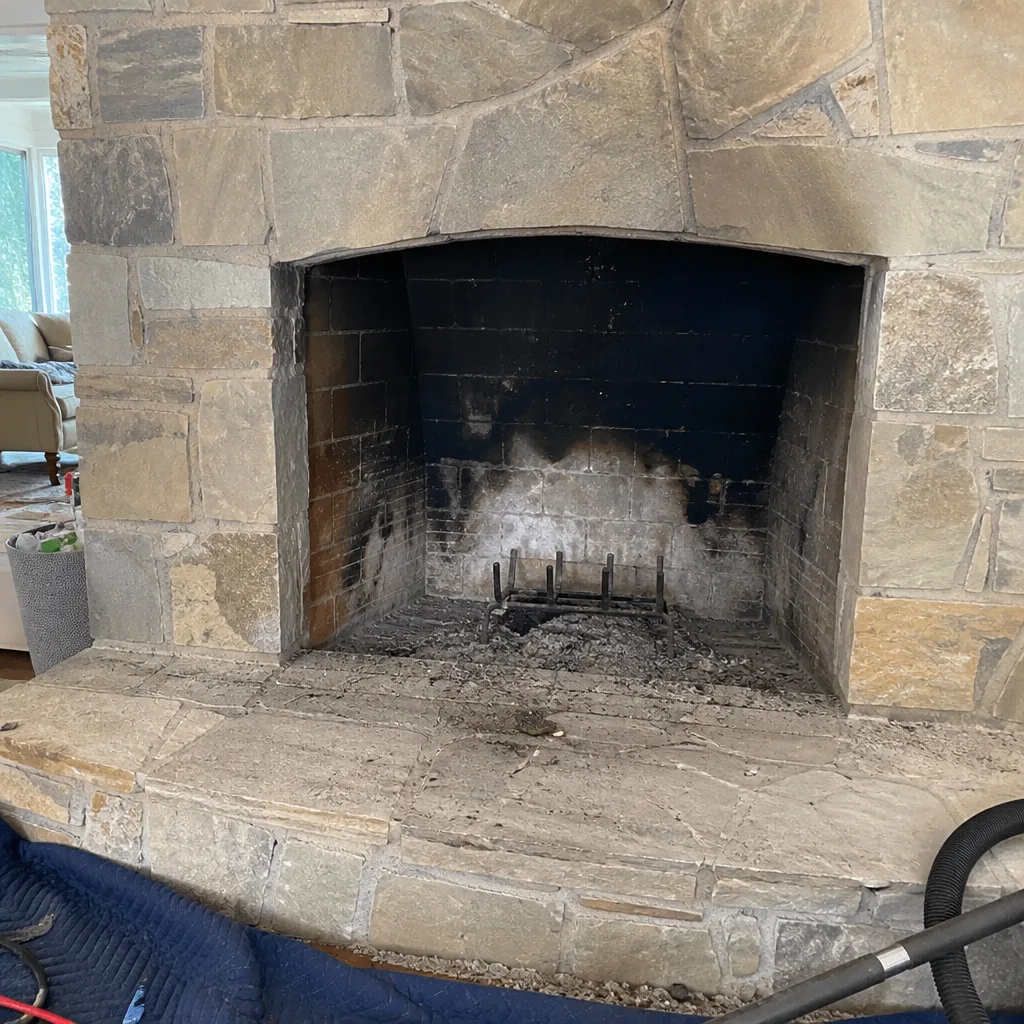 Before
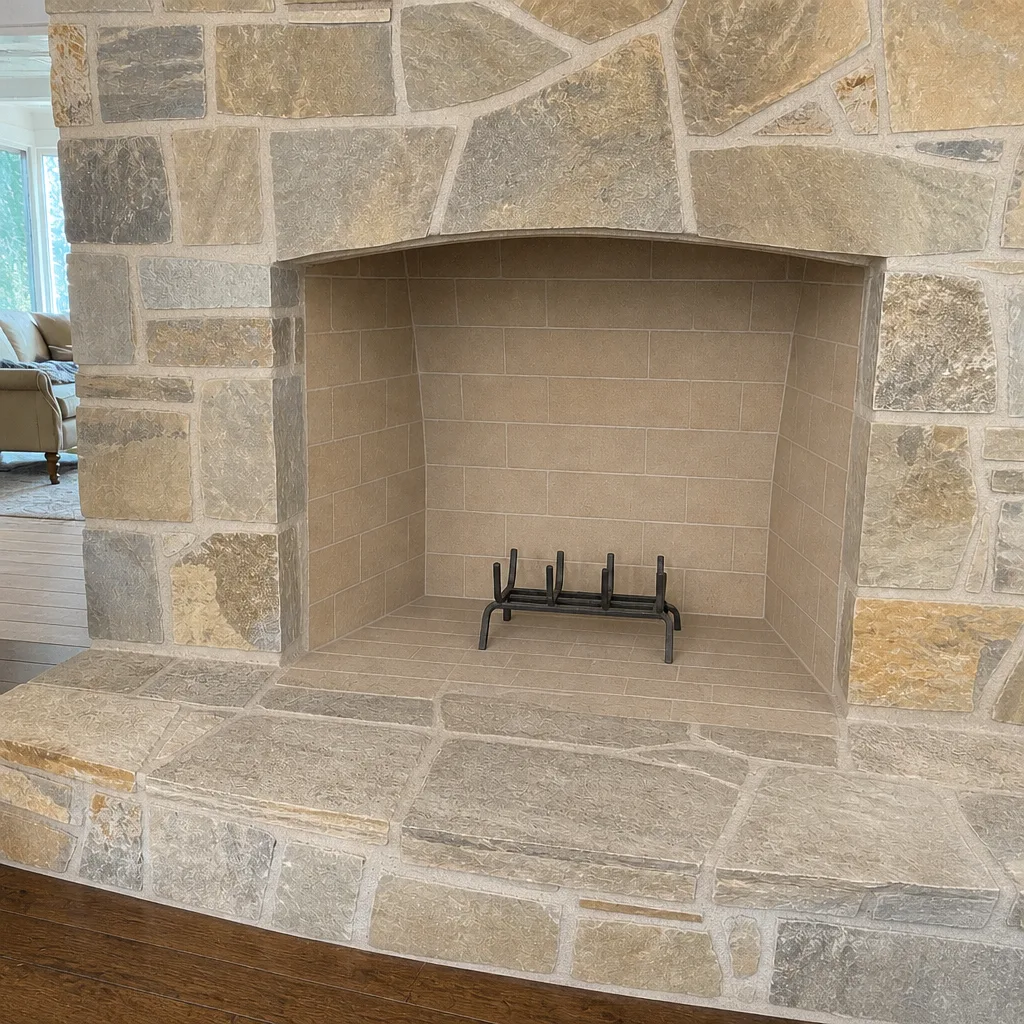 After
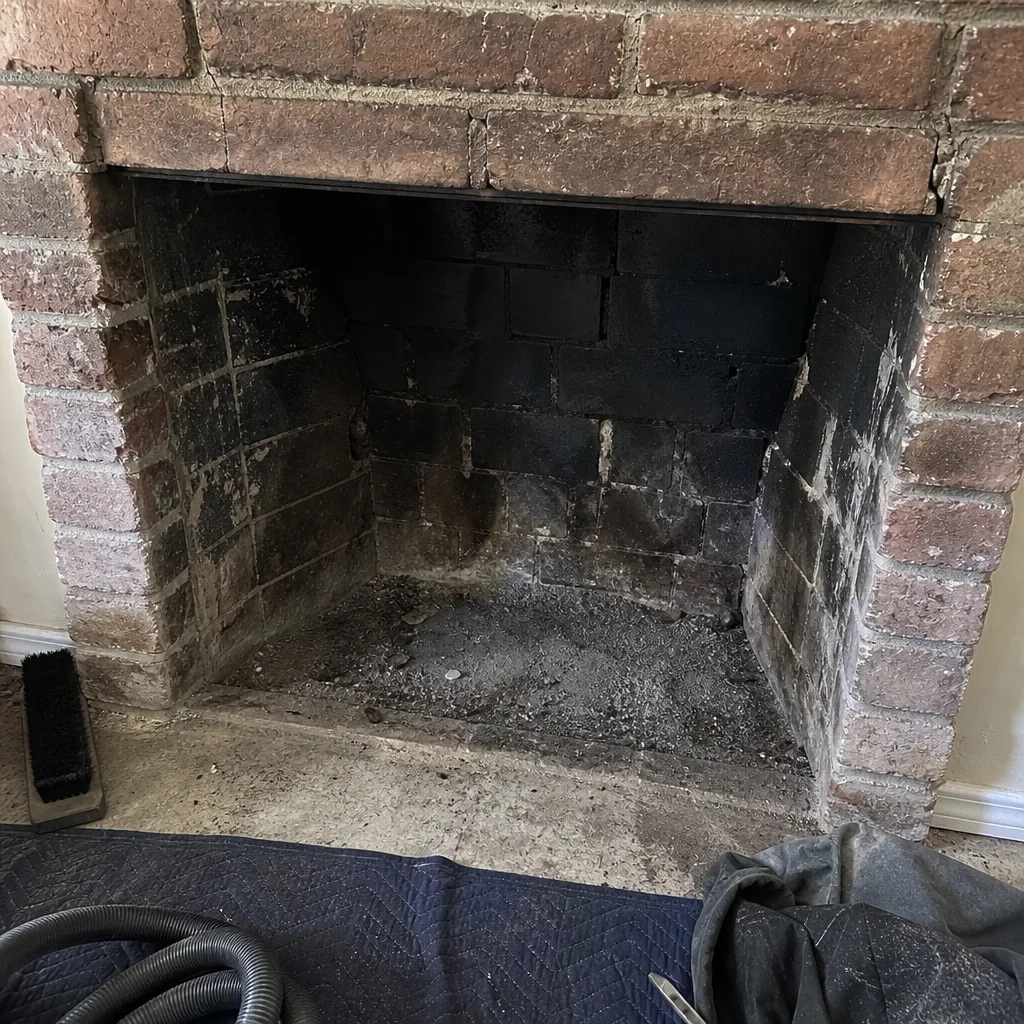 Before
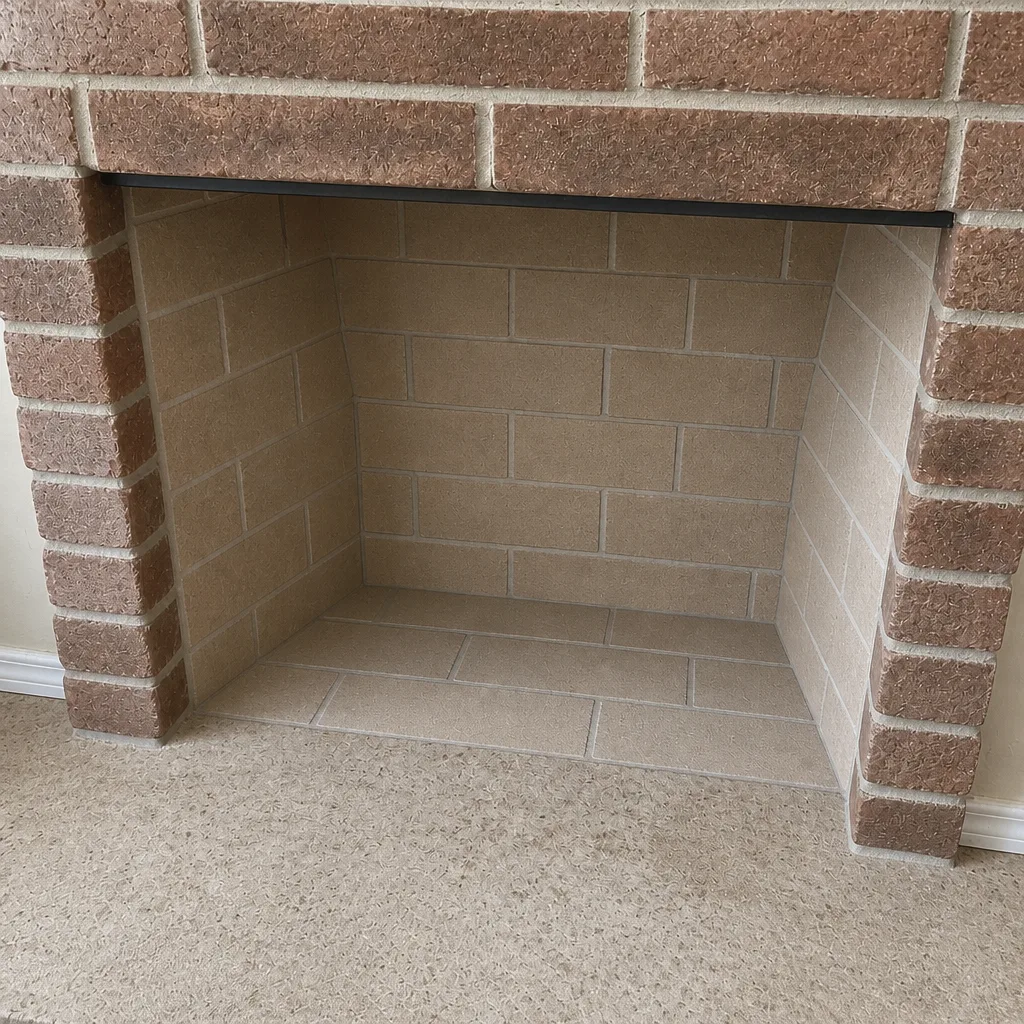 After
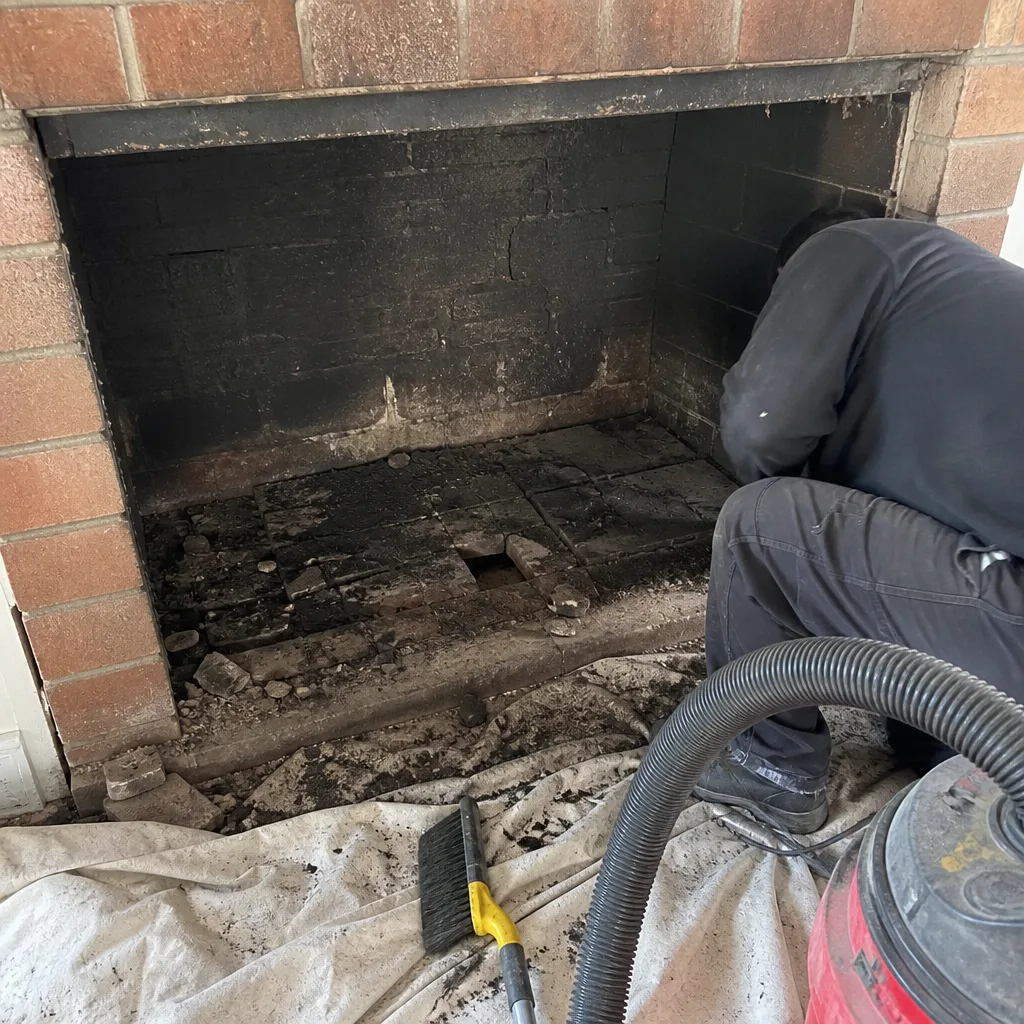 Before
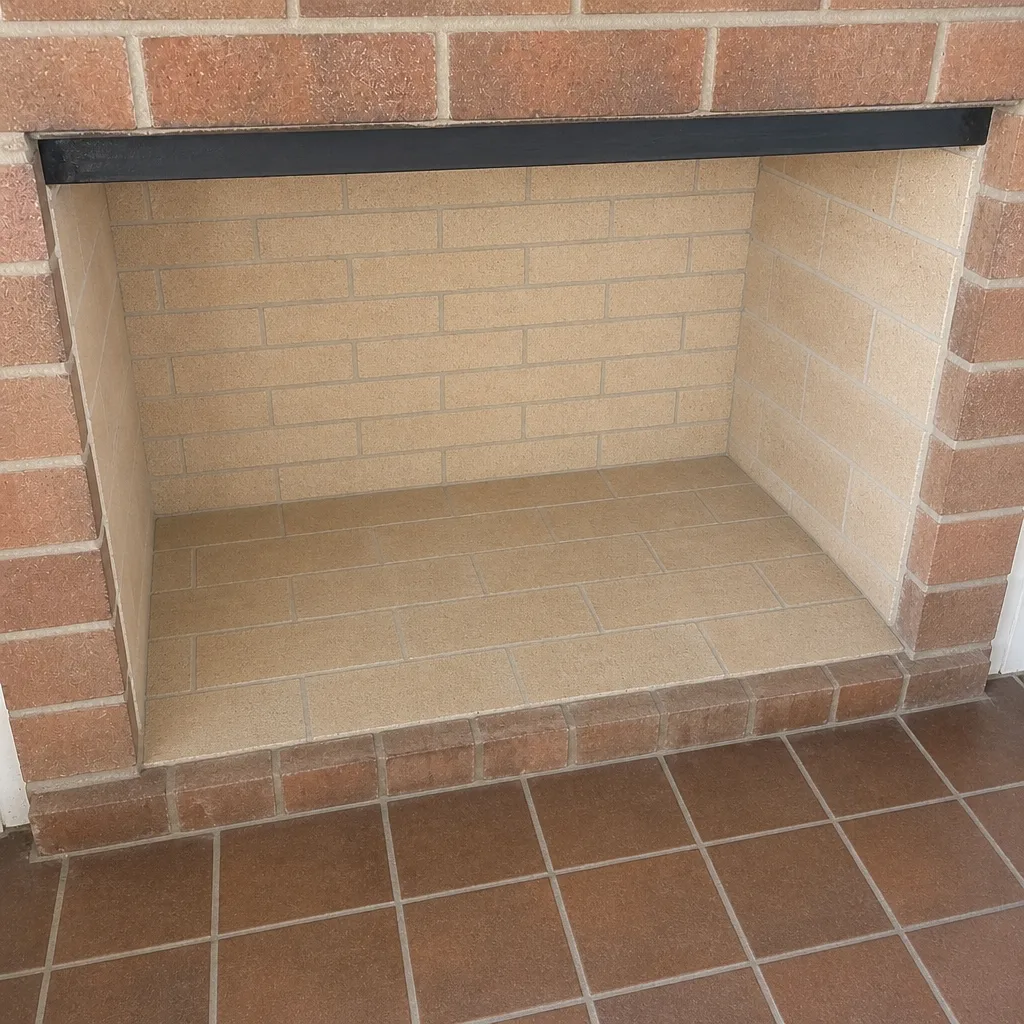 After
When to Call a Professional
Some situations don’t wait for the annual visit. Call a professional if smoke spills into the room when you open the damper, if a cold fireplace gives off a strong smoky or musty smell, if you see a cracked crown, a loose or damaged cap, or white powdery deposits on the masonry, or if the firebox shows cracked or loose bricks. Any animal in or around the flue, and any sign of a chimney fire, means stop burning and get the flue checked before the next fire. And if a gas fireplace’s flame looks off or you smell gas, that’s a professional call immediately. Chimney Sweep San Juan Capistrano offers free estimates in San Juan Capistrano. Call (844) 451-2583. We answer 24/7. Fast dispatch from 7am to 7pm, Sunday through Friday.
Frequently Asked Questions
Once a year is the baseline for most wood-burning fireplaces, and more often if you burn more than two cords a season or use the stove as primary heat. In a mild climate like San Juan Capistrano, a lightly used chimney should still get an annual inspection because idle months bring moisture and nesting debris. Call (844) 451-2583 for an exact quote; estimates are free.
Yes, you need at least a look, because the biggest risk for a lightly used chimney isn’t creosote, it’s moisture and debris that arrive while the fireplace is idle. A yearly inspection catches those problems early when they’re cheap to fix. Call (844) 451-2583 for an exact quote; estimates are free.
Summer is the best window. The chimney has been idle for months, so the inspection sees the real condition of the flue without anything masking it, and you have time to complete any repair before you need the fireplace. Booking in summer also avoids the fall rush when demand peaks. Call (844) 451-2583 for an exact quote; estimates are free.
Only if the flue is actually compromised, and the way to know is camera evidence you can see for yourself. A cracked or deteriorated flue can be a carbon monoxide risk, and in many cases resurfacing with a system like HeatShield or relining with a DuraFlex liner restores integrity without unnecessary work. Nothing is recommended without evidence, and when work can safely wait, we say so. Call (844) 451-2583 for an exact quote; estimates are free.
Skipping the annual check lets creosote and moisture problems build unobserved, and it removes the year-over-year record that lets you spot gradual deterioration before it turns into a structural repair. The worst outcomes are a chimney fire from heavy creosote or carbon monoxide backing into the home from a compromised flue. Both are preventable with a scheduled visit. Call (844) 451-2583 for an exact quote; estimates are free.
Yes, within limits. You can safely check the cap, do a small smoke test, and look at the crown from a safe distance. Don’t climb onto the roof, remove the cap, or reach into the flue. The structural and liner condition is a trained professional’s job. Call (844) 451-2583 for an exact quote; estimates are free.
The Bottom Line
A maintenance schedule is a calendar built around your actual usage, not a generic once-a-year rule. Tier your inspection frequency by cord-wood burned, run the pre-season and post-season checks that matter in a mild climate, book the sweep in summer before the fall rush, and keep a simple year-over-year record. Do the safe self-checks in between, but leave the flue and the roof to a trained professional. In San Juan Capistrano, that combination is how a fireplace stays safe and structurally sound without spending on repairs it never needed. Your fireplace works harder than you think. So do we. Call (844) 451-2583 for a free estimate. We answer 24/7. Fast dispatch from 7am to 7pm, Sunday through Friday.
Written by the team at Chimney Sweep San Juan Capistrano.