
Last updated November 25, 2026
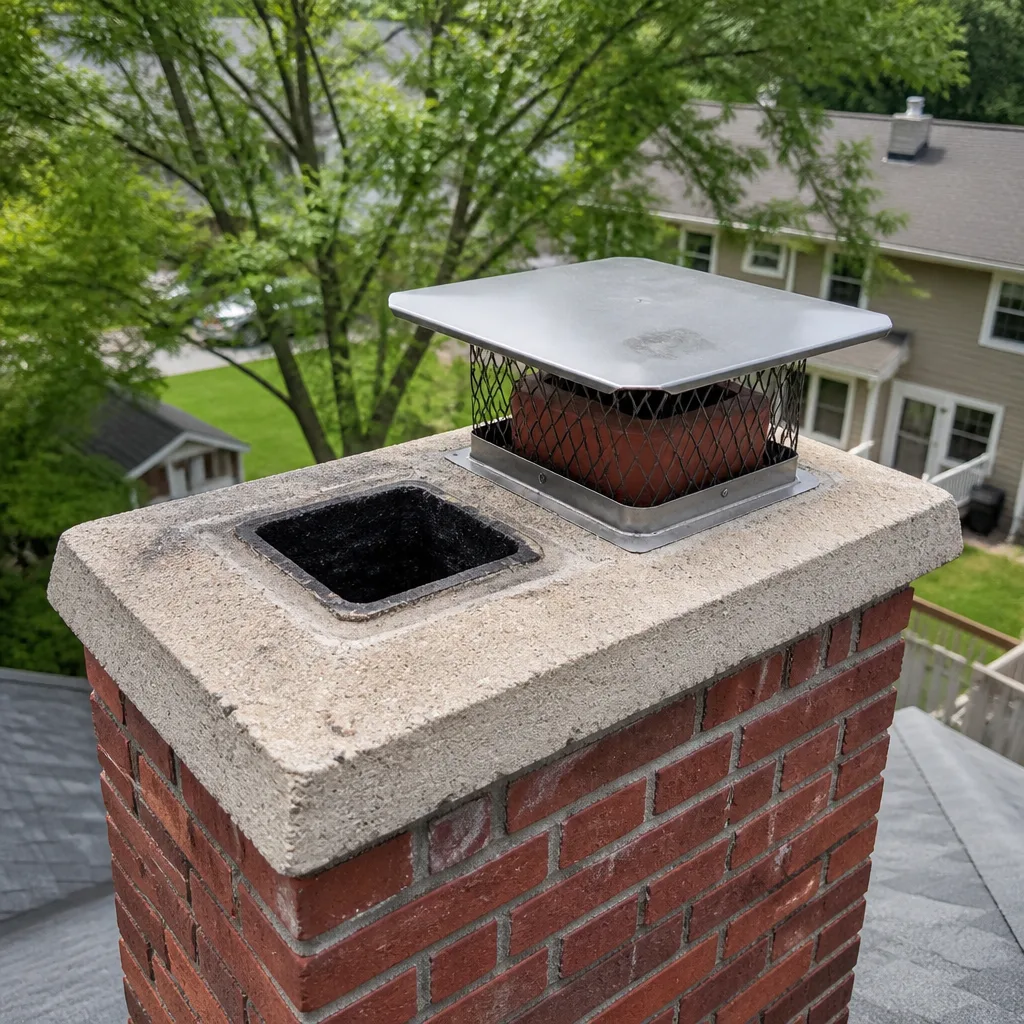 Sweep & inspection
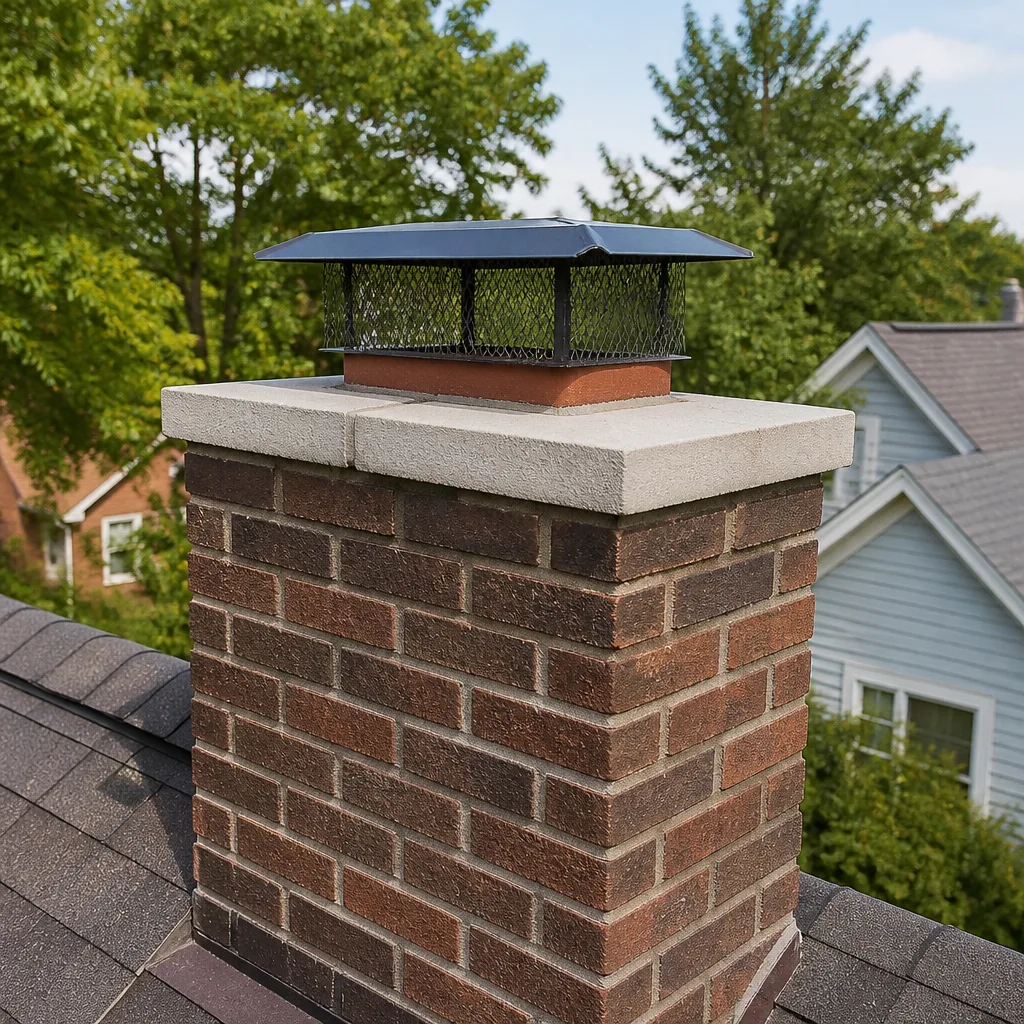 Caps & crowns
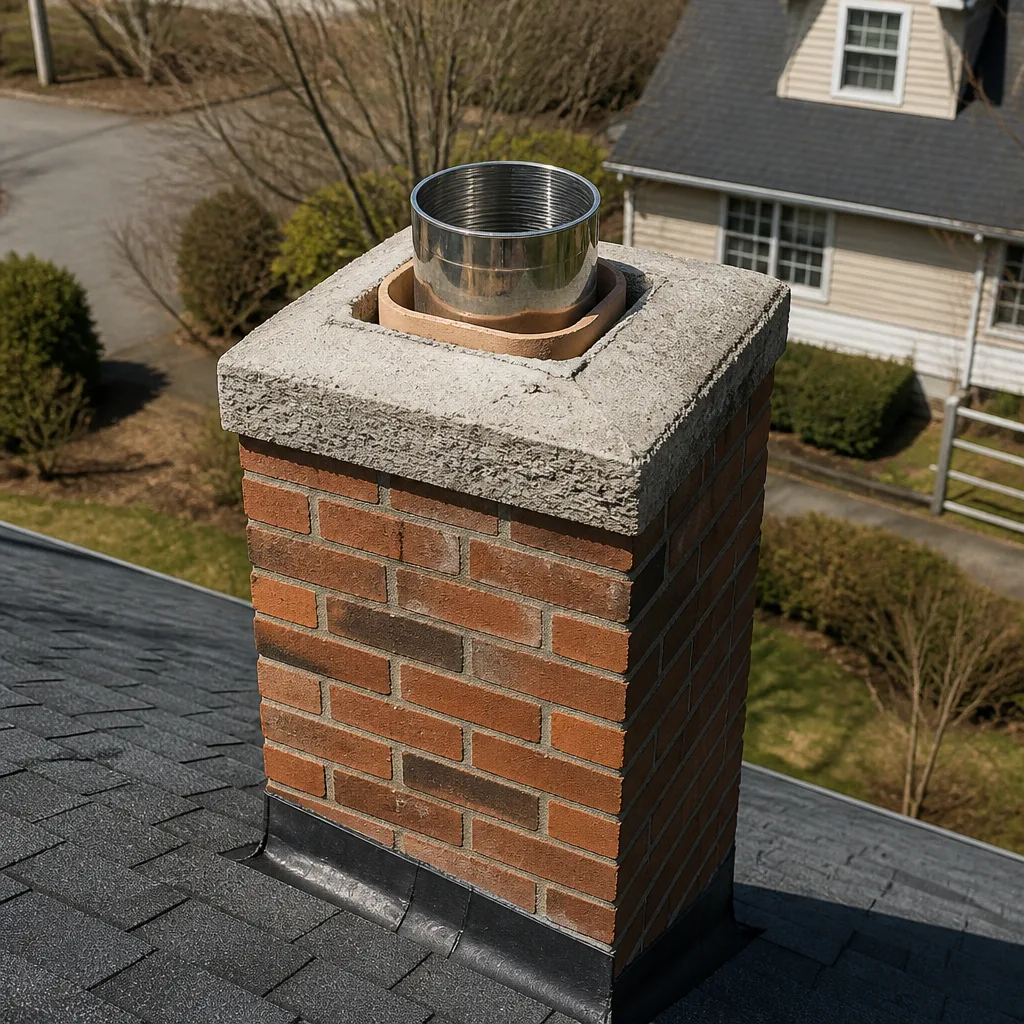 Flue relining
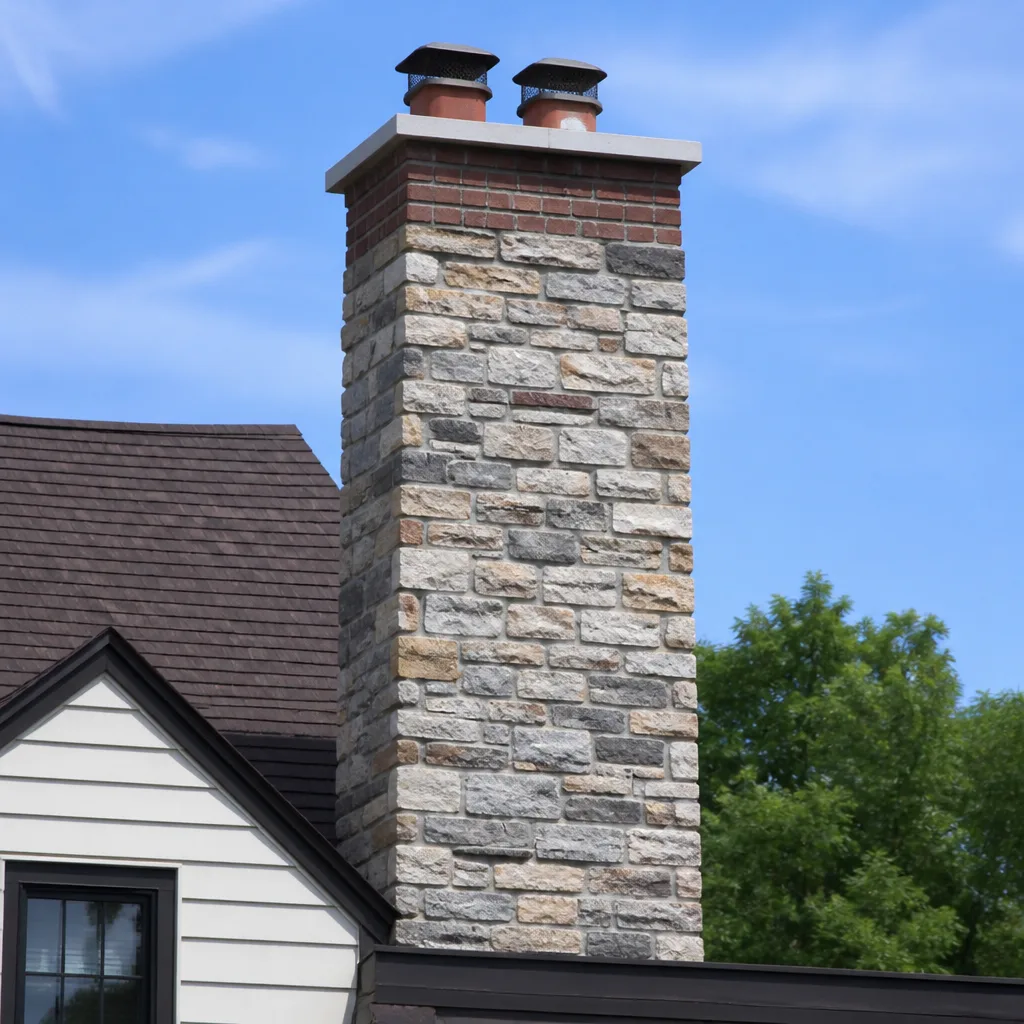 Masonry repair
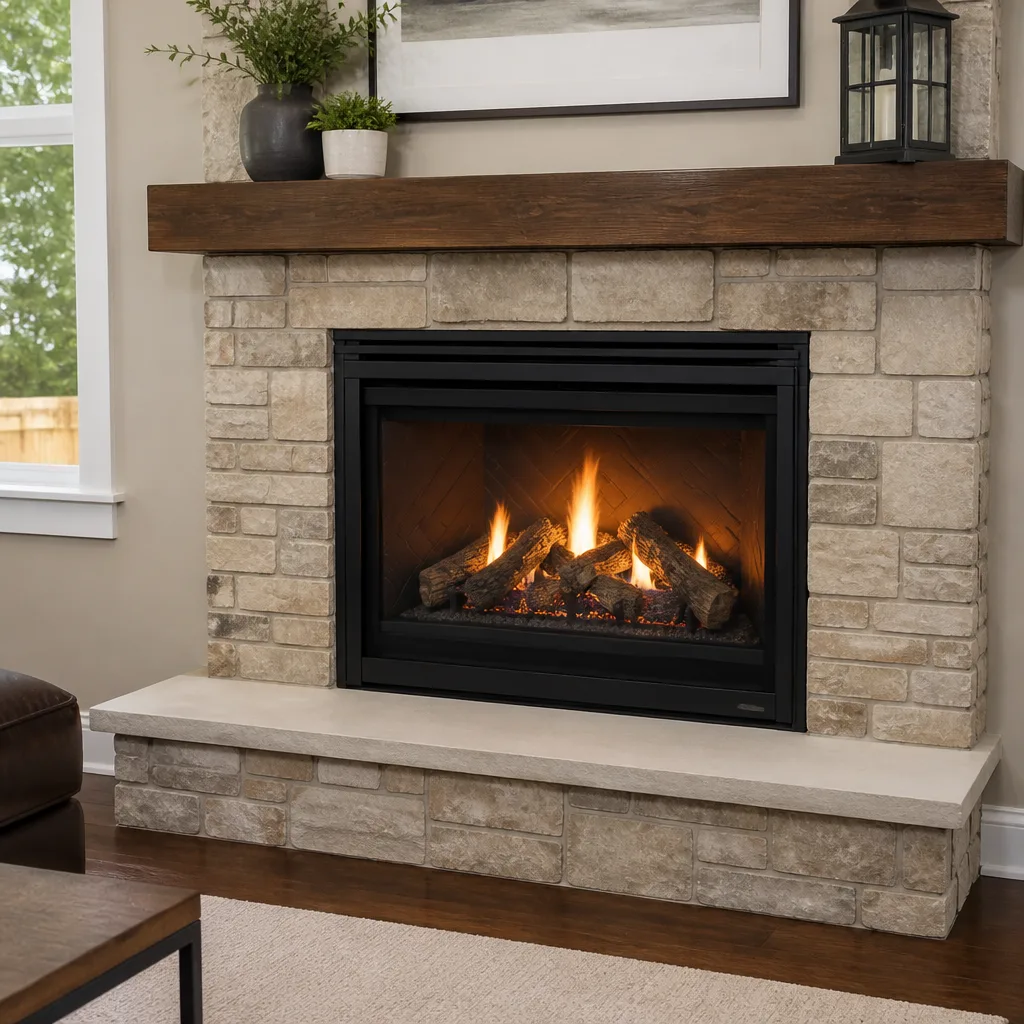 Gas fireplace service
Level 1 sweep and inspection to the NFPA 211 annual standard - flue, crown, cap, and flashing checked and photographed
Chimney sweep logs do not sweep chimneys. They loosen some creosote - which then falls where a brush and vacuum still have to collect it.
Seasonal Chimney Cleaning Care for San Juan Capistrano: Year-Round Homeowner’s Guide
The fireplace you haven’t lit since February is not resting. It’s sitting open to mild air, insects, and whatever nesting material found its way down the flue in spring. That’s the trap of a climate like ours: the seasons that feel safest are the ones when quiet damage happens. Most homeowners here think about the chimney only when they want a fire, which is exactly backwards. This guide walks through all four seasons in San Juan Capistrano, what to check and when, how local wind and building styles affect your chimney, and why late spring is often the smartest time to book an inspection.
Quick Answer
Chimney care in San Juan Capistrano should follow a year-round rhythm, not a once-a-year scramble before the first fire. Book a professional sweep and inspection in late spring or early summer to catch off-season moisture and pest problems while they’re small, keep the cap and damper in working order through the dry months, and do a pre-season check in fall before you burn. Wood choice, airflow, and burn frequency the rest of the year determine how fast creosote builds up.
Styles & brands we work with
- Sweep & inspection
- Caps & crowns
- Flue relining
- Masonry repair
- Gas fireplace service
Table of Contents
- Spring: The Best Inspection Window in San Juan Capistrano
- Summer: How an Open Flue Pulls Moisture and Pests Inside
- Fall: Your Pre-Season Checklist Before the First Fire
- Winter: Burn Practices That Slow Creosote Buildup
- How Santa Ana Winds Affect Chimneys and Outdoor Fireplaces
- What SJC Home Construction Means for Your Chimney
- Common Mistakes to Avoid
- When to Call a Professional
Spring: The Best Inspection Window in San Juan Capistrano
Late spring is when a chimney inspection in San Juan Capistrano does the most good. Winter burning is over, the system is cool and clean enough to examine closely, and any problem from the cold months is still small and easy to fix. Book the Chimney Sweep San Juan Capistrano inspection after the last fire, not a week before you want to light the next one.
Creosote behaves differently as temperatures rise. During winter it glazes and hardens on the flue walls while the chimney is hot and drafting hard. Once you stop burning, that residue dries and can flake or crack in the warmer air. What looked like a thin coating in December may be a brittle, glazed layer by May. A spring sweep removes it before it can further bind to the flue surface.
Here’s what a spring inspection typically looks at:
- Creosote depth and type in the flue, from light soot to glazed third-degree buildup
- The damper for smooth operation and a tight seal when closed
- The firebox and smoke chamber for cracked refractory mortar
- The cap and crown for cracks, loose fasteners, or missing mesh
- Signs of birds, rodents, or insects that moved in over winter
- Any water staining on the exterior masonry or interior walls
Spring is also the window when repair work can happen on your schedule, not squeezed against the first cold night of the year. If the inspection turns up a compromised flue, options like HeatShield ceramic resurfacing or a DuraFlex stainless liner can be planned and installed now rather than rushed in October. Our technicians have up to 11 years of experience, and the same team that inspects a chimney can handle the chimney repair it calls for. No handoff to a second company, no finger-pointing.
Summer: How an Open Flue Pulls Moisture and Pests Inside
Summer is the season most homeowners ignore their chimney, and it’s the season that does the quietest damage. A chimney is a vertical shaft open to the outside air at the top and to your living room at the bottom. Even on a still day, warm air rising through that shaft draws in cooler, damper air from the house, and with it whatever the outside has to offer: humidity, dust, insects, and small animals looking for a dry place to nest.
You’ll see the results by fall if nothing is done:
- Musty or smoky odors drifting into the room on warm afternoons
- Bird nests, twigs, or leaves in the firebox or smoke shelf
- Damp masonry near the firebox or on the exterior
- Rusted or stiff damper hardware
- Staining or efflorescence on brick and mortar
The two pieces of hardware that prevent most of this are the cap and the damper. A properly fitted cap keeps rain, birds, and debris out of the flue while still letting smoke and gases escape. A closed damper seals the throat of the chimney so the interior stays out of the air loop. Together, they turn an open shaft into a sealed system during the months you’re not burning. Chimney cap and crown work with Gelco and Famco components is built for exactly this job, so it’s purpose-made weather sealing rather than whatever fits. Copperfield caps are another option when homeowners want a distinct look without giving up function.
If you’ve noticed an odor or a bit of debris in the firebox after a few warm months, a summer sweep solves two problems: it clears what’s already inside and it lets us check that the cap and damper are doing their jobs before fall.
Fall: Your Pre-Season Checklist Before the First Fire
Fall is when most people think about the chimney, and it’s the right time for a final round of checks before the burning season. It is not, however, the time to skip an inspection because you did one visually. A visual self-check from the firebox or from the ground tells you almost nothing about the flue interior, the smoke chamber, or the crown. After even one off-season, small conditions can grow into something a five-minute look can’t see.
Here’s the pre-season routine we recommend for San Juan Capistrano homeowners:
- Look at the firebox. Check for cracks in the brick, missing mortar joints, or gaps between the firebox and the hearth. Cool weather makes these easier to spot before the fire is lit.
- Test the damper. Open and close it fully by hand. It should move without scraping or jamming, and it should close flat against the frame.
- Check from the ground. Binoculars are enough to see the cap, the crown, and the top of the flue. Look for a missing cap, a cracked crown, or a chimney that looks uneven or leaning.
- Clear the firebox. Remove any debris, nests, or leaves. If you find nesting material, assume the flue needs a sweep before first use.
- Book the sweep. A pre-season sweep clears residual creosote and confirms the flue is clear for the season ahead.
- Test your smoke alarms and carbon monoxide detectors. A chimney can hide a draft problem or a blockage, and working detectors are the backstop.
The rule we give homeowners: one off-season is enough to make a visual check unreliable. Even a chimney that was fine last spring can pick up a nest, a cracked crown, or a stuck damper over a dry summer. If you skipped the spring sweep, a fall inspection is the next best chance to catch a problem before you’re relying on the system every cold night.
Winter: Burn Practices That Slow Creosote Buildup
Creosote is the tar-like residue left behind when wood burns incompletely, and it’s what makes chimney fires possible. In a mild climate like San Juan Capistrano, most fireplaces are used less often than in colder regions, which creates its own problem: low-frequency use with cold chimney starts is actually harder on the flue than a fire used steadily through the season. A cold chimney drafts poorly until it warms up, and a poorly drafting chimney deposits creosote faster.
What helps:
- Burn seasoned wood. Wood with high moisture content makes more smoke, more creosote, and less heat. Look for wood that’s been split and dried long enough to crack at the ends and feel light in your hand.
- Skip softwoods for the main burn. Hardwoods like oak, almond, and walnut burn hotter and cleaner and leave less residue than pine or other softwoods.
- Don’t smolder. A fire that’s choked down and smoldering produces heavy smoke and thick creosote. Build a hot, steady fire and let it breathe.
- Pre-warm the flue. Holding a lit rolled newspaper near the damper for a minute before lighting the fire helps the flue start drafting in the right direction.
- Keep the firebox the right size. More wood than the box can burn cleanly produces more smoke than the chimney can carry away. Modest, well-placed fires are easier on the flue.
And keep the schedule. A fireplace used regularly should be swept and inspected once a year, and a fireplace used heavily should be seen more often. The mild season in San Juan Capistrano doesn’t change that math; it just shifts when the smart moment to book it falls. If you haven’t had a sweep in a year or more, don’t assume the low usage bought you extra time.
How Santa Ana Winds Affect Chimneys and Outdoor Fireplaces
Santa Ana winds are part of life in San Juan Capistrano, and they put unusual stress on chimney and fireplace systems. When a strong, dry wind blows across the top of a chimney, it can reverse draft and push smoke back down the flue into the house, even if the flue is clean and the fire is drafting normally on a calm day. If you’ve ever noticed smoke spilling into a room during a wind event, that’s usually the cause, and it’s not a sign of a dirty chimney alone.
Outdoor fireplaces are common in Spanish-style and ranch-style homes around San Juan Capistrano, and they take a different kind of weather. A wind-blown outdoor fireplace can pick up leaves, dust, and debris in the firebox, and its chimney cap and crown are more exposed to wind-driven rain during the occasional wet spell. A loose cap, a cracked crown, or a missing spark screen is easier to fix in a calm stretch than after a windy night has pried it further open. If your home has a chimney cap that’s already rattling, don’t wait for the next Santa Ana to finish it off.
Practically, this means a few things for wind season:
- Check the chimney cap for looseness or damage when the warm months settle and the wind picks up
- Expect occasional smoke spillage on strong wind days even on a healthy system, and close the damper when the fireplace isn’t in use
- Do a quick debris check on outdoor fireplaces before each use, not just once a season
- Book repair work in calm weather, not after a wind event has already damaged the crown or cap
If the wind reversal becomes a regular problem instead of an occasional one, it’s worth an inspection. Sometimes it’s the cap geometry, sometimes it’s a flue that’s been slowly obstructed, and sometimes it’s a house in a spot where the wind hits at an awkward angle. Each of those has a fix, and diagnosing it starts with looking inside the flue.
What SJC Home Construction Means for Your Chimney
San Juan Capistrano’s housing stock runs from historic adobe and Mission-era buildings to mid-century ranch homes to newer construction on the outskirts of town. Each of those styles puts different demands on a chimney, and knowing what you have helps you plan your care correctly.
Older masonry chimneys in San Juan Capistrano often have clay tile flues that have been through decades of hot and cold cycles. The tile sections can crack at the joints, and the mortar holding them can erode. That’s where a professional-grade resurfacing system like HeatShield earns its place: it restores flue integrity without tearing out the whole liner, which many generalist companies don’t offer. When a full reline is the right answer instead, a DuraFlex stainless liner handles wood, gas, and oil appliances and is designed to outlast the original tile.
Newer homes and remodels often have prefabricated metal fireplaces with their own flue systems and their own inspection needs. They’re usually easier to service but just as dependent on a proper cap and crown, and they’re just as vulnerable to nesting and moisture intrusion as masonry. Spanish-style stucco homes often hide their chimney structure behind the exterior wall, which makes roof-level checks more important than a visual scan from the yard.
Our team works with a curated set of professional-grade brands (DuraFlex, HeatShield, Gelco, Olympia Chimney, Famco, and Copperfield) because in this housing mix, hardware-store components get exposed fast. The cap that’s right for a clay-tile flue is not the cap that’s right for a metal prefab, and we name our brands because they matter to your safety. A general sweep can tell you the chimney is dirty. What you want is a specialist who can tell you why, and then fix it.
For a closer look at the chimney sweep itself, our main service page walks through what a sweep involves in a San Juan Capistrano home.
Why One Annual Visit Isn’t Enough Scheduling
The single-variable most homeowners get wrong is timing. A once-a-year visit works, but only if it lands in the right season. In San Juan Capistrano, the best schedule is spring or early summer for inspection and sweeping, then a fall check before the burning season, with any repair squeezed into the calm stretch between the two. That’s two touchpoints per year for a system most people think about once.
Here’s how we’d break it down:
- Late spring: sweep and full inspection. Catch off-season problems. Plan any liner or crown work now.
- Summer: cap and damper check. Confirm the system is sealed against moisture and pests.
- Early fall: final pre-season check. Clear any summer debris. Test the damper and burn-ready status.
- Winter: burn well, watch for smoke spillage or unusual drafts, and note anything that feels off for the next inspection.
Two visits a year is more than most people think they need, until they understand the physics. A chimney isn’t a passive object; it’s a vertical shaft open to the weather and to whatever decides to move in. The homeowners who have the fewest surprises are the ones who treat it as a year-round responsibility.
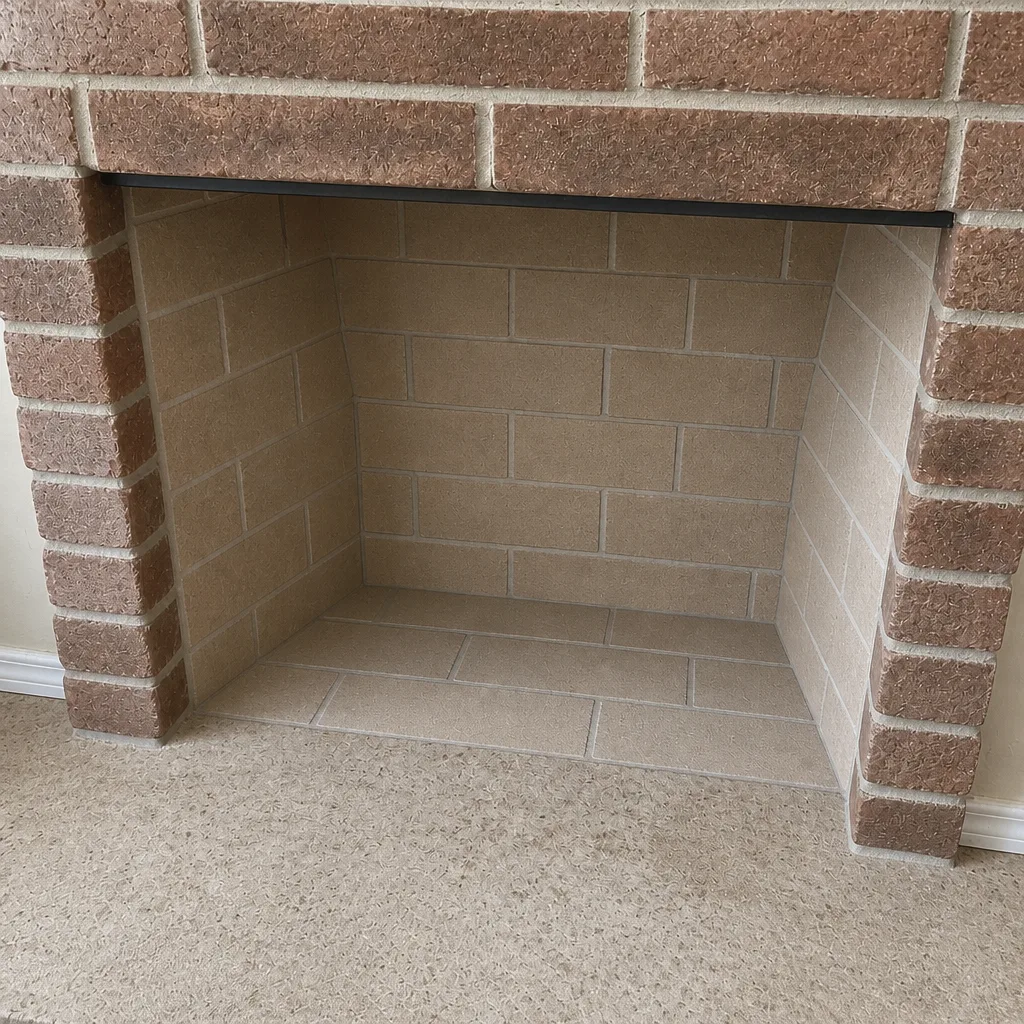
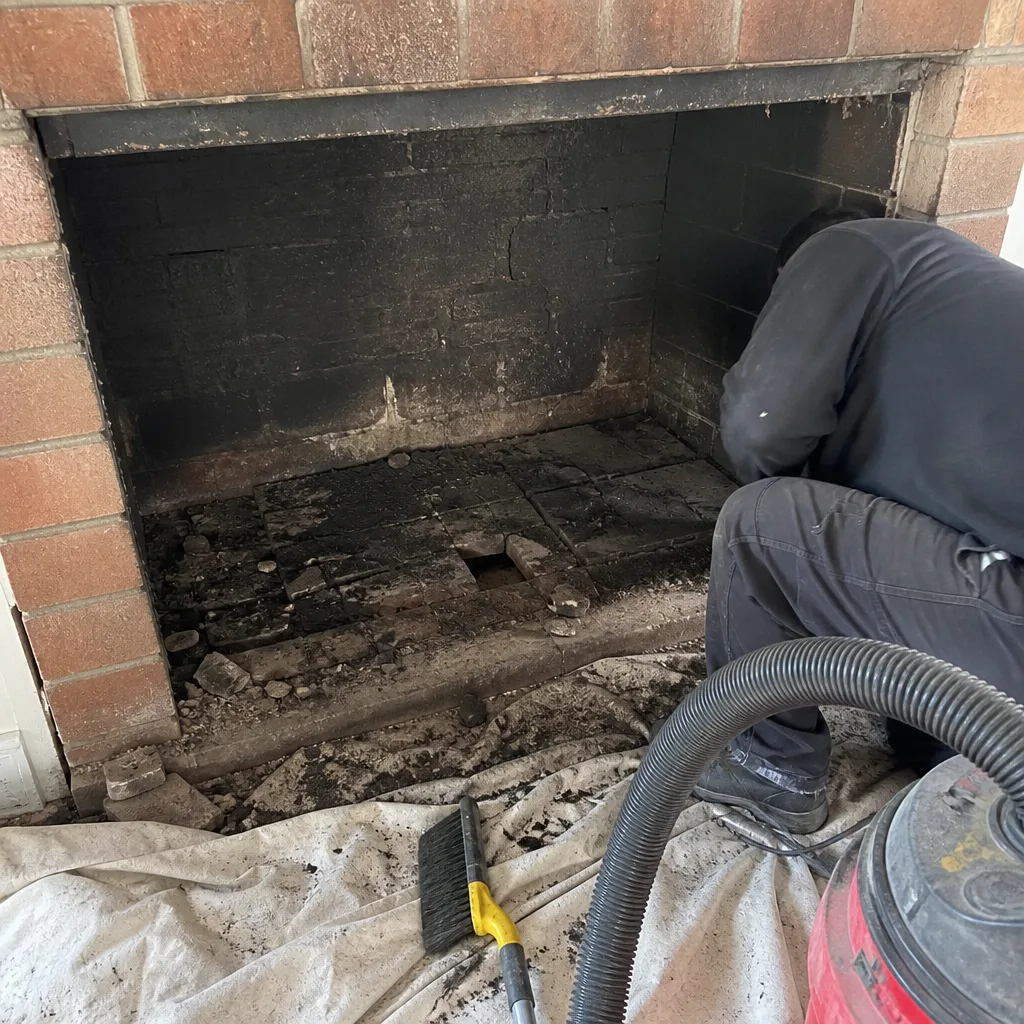
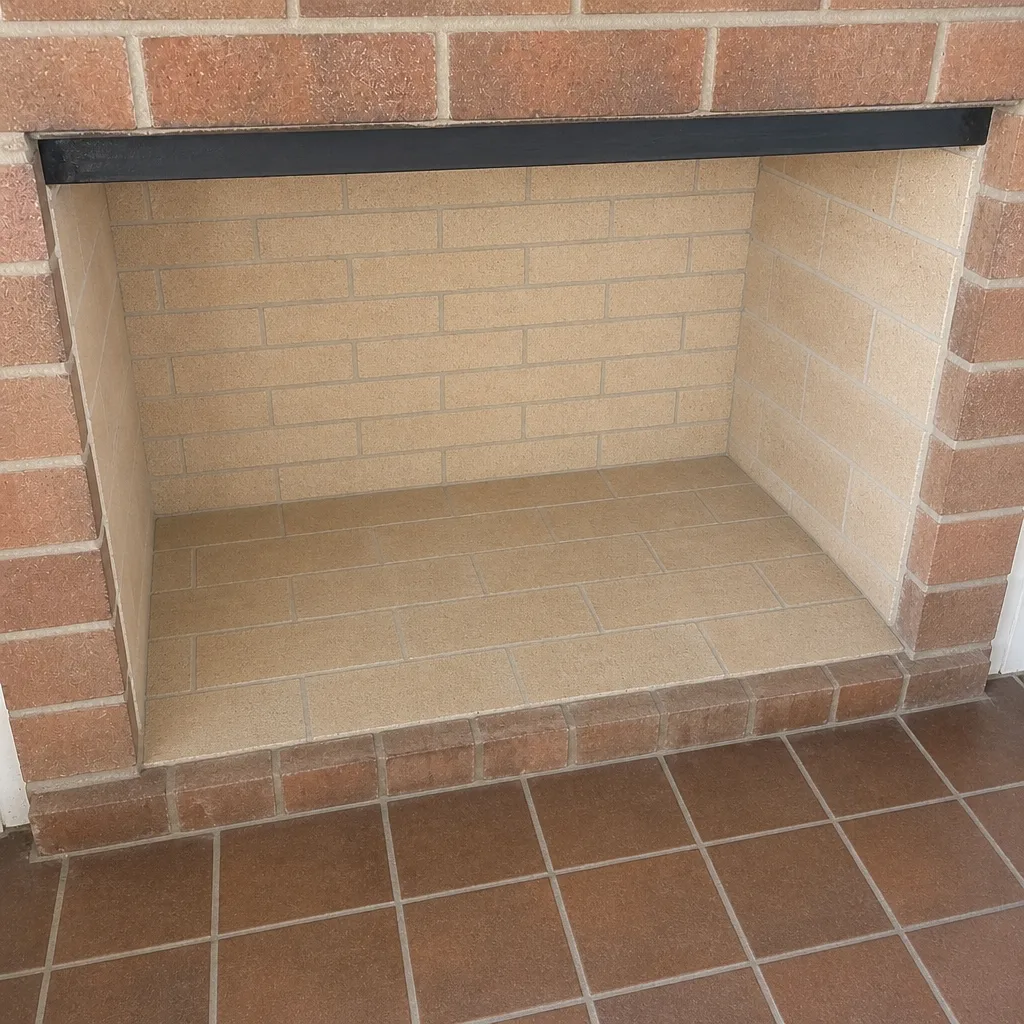
See the difference
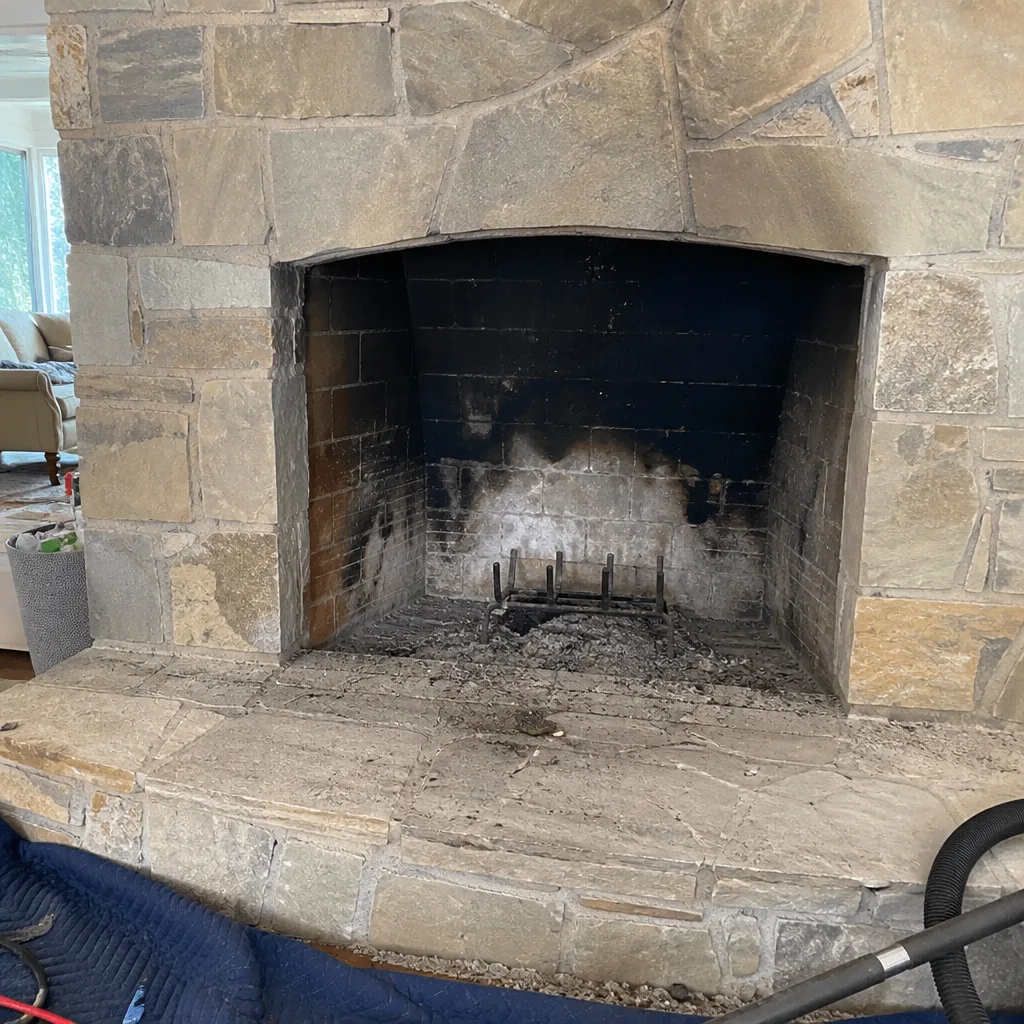 Before
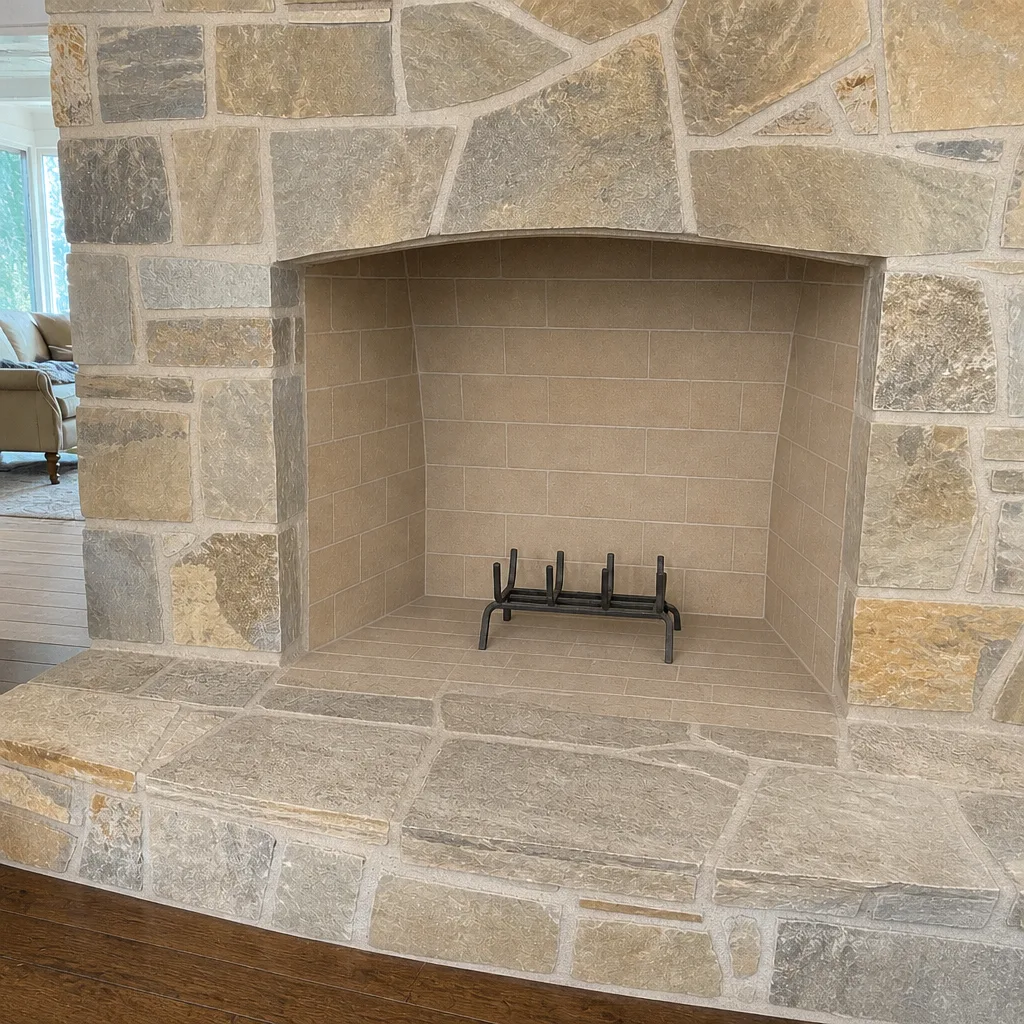 After
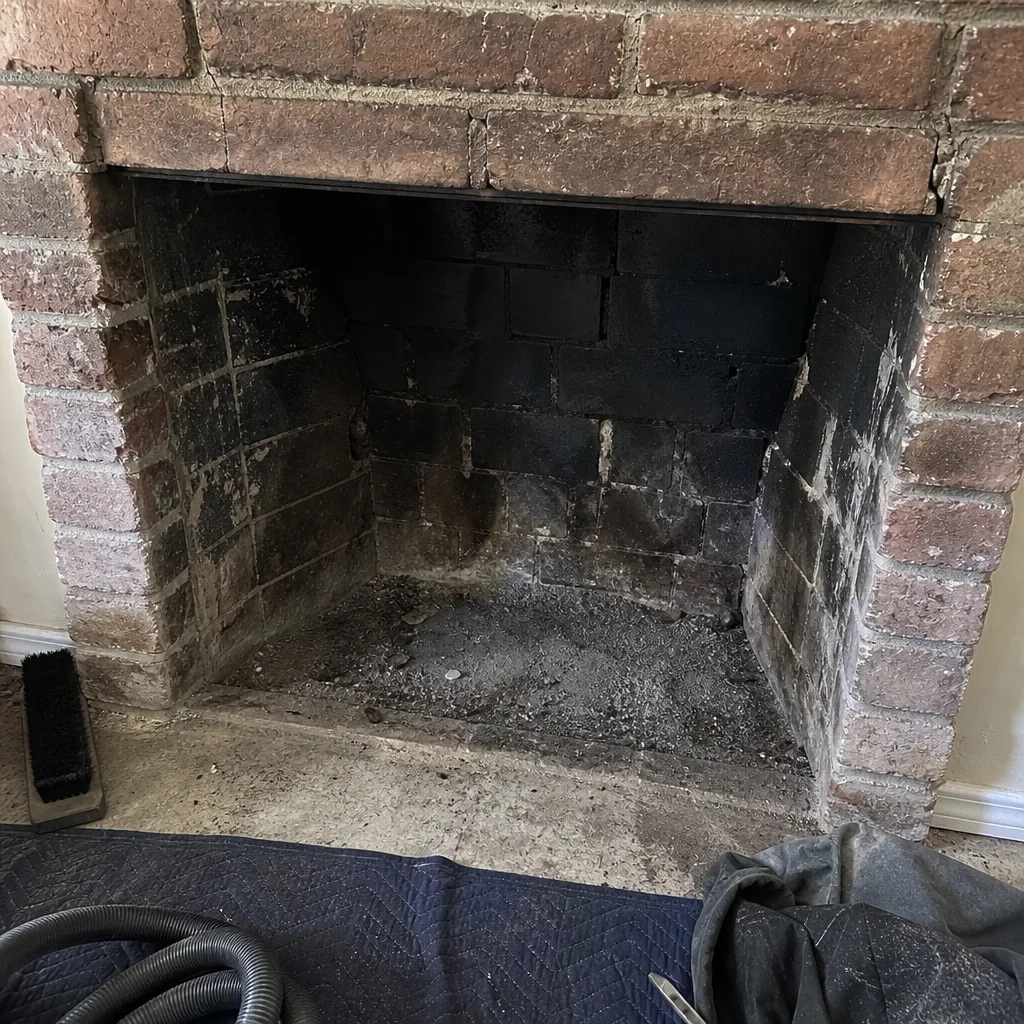 Before
 After
 Before
 After
Frequently Asked Questions About Seasonal Chimney Care in San Juan Capistrano
Once a year for most homeowners who burn regularly, and more often if the fireplace gets used heavily. A mild climate doesn’t reduce the schedule, because low-frequency use can build creosote faster than steady use. If it’s been more than a year, book an inspection before the next fire. Call (844) 451-2583 for a free estimate.
Yes. Late spring is when the flue is cool and clear, problems from the winter are still small, and repair work can happen without racing a cold night. It’s also when birds and insects are most active, so a spring sweep catches nesting problems early. Call (844) 451-2583 to schedule a spring inspection.
Summer odors usually come from a combination of moisture, organic debris, and residual creosote that dries out as the air warms. An open damper during warm months makes it worse because air from the outside moves freely into the house. A sweep, a close damper, and a properly fitted cap solve most cases.
They can. Wind-driven weather is hard on caps and crowns, and it can force smoke back down a flue and into the house during a wind event. If your cap is rattling or the crown has visible cracks, get it checked before the wind finishes what it started. Call (844) 451-2583 for an estimate.
Smoke spillage is usually a draft problem: a cold flue, a partially blocked flue, a stuck damper, or wind pressure reversing the flow. It’s rarely just “dirty chimney.” An inspection can tell you which of those is happening and what to fix.
A visual check from the firebox or the ground only sees the firebox and the chimney exterior. The flue interior, the smoke chamber, and the crown’s underside aren’t visible without a proper inspection. One off-season is enough for a nest, a crack, or a stuck damper to develop without any sign at eye level.
Common Mistakes to Avoid
- Skipping the sweep because the fireplace sat unused. Low usage doesn’t mean clean; it often means the flue has been sitting open to moisture and pests for months.
- Doing a quick look and calling it an inspection. A visual check from the yard or firebox misses the inside of the flue, which is where most problems start.
- Burning unseasoned wood to save a few dollars. Wet wood means more smoke, more creosote, and less heat, and it’s harder on the flue than buying seasoned wood in the first place.
- Leaving the damper open all summer. An open damper turns the chimney into an open shaft for warm air, moisture, and insects, and it invites odors into the house.
- Ignoring a cracked crown or loose cap. Small exterior damage lets water in, and water damage to masonry is the slowest and most expensive problem to fix later.
- Scheduling everything for the week before the first fire. October and November are the busiest stretch of the year for every chimney company, and the work that needs fixing may not have time to be fixed.
- Assuming a dirty chimney is the only reason for a poorly drafting fireplace. Draft problems come from the cap, the damper, the firebox, and the flue; a sweep alone doesn’t diagnose them.
When to Call a Professional
Call us when any of these come up in a San Juan Capistrano home: smoke drifting back into a room on a calm day or during a Santa Ana wind; a strong odor from the firebox in the warm months; visible cracks in the firebox or on the crown; a chimney cap that’s rattling, loose, or missing; a damper that’s stiff, stuck, or doesn’t close flat; or leftover debris in the firebox that suggests animals have been nesting. Also call if it’s been more than a year since the last sweep, even if the fireplace hasn’t had heavy use. The work starts with a fireplace repair plan only when the evidence supports it, not before.
Chimney Sweep San Juan Capistrano offers free estimates in San Juan Capistrano. Call (844) 451-2583. We answer 24/7.
The Bottom Line
Seasonal chimney care in San Juan Capistrano is a rhythm, not a checklist before the first cold night. The mild climate makes the system feel safe during the months when it’s doing the most quiet damage: spring moisture, summer nesting, fall debris, and winter creosote all compound if nothing’s done between visits. Late-spring inspection and sweeping, a summer cap and damper check, a fall pre-season review, and smart wood and airflow practices through the winter are the four moves that keep a fireplace safe and a repair small. When a problem does show up, having one specialist who can sweep, inspect, and repair it makes the whole relationship simpler.
Call (844) 451-2583 for a free estimate. We answer 24/7. Fast dispatch from 7am to 7pm, Sunday through Friday.
Written by the team at Chimney Sweep San Juan Capistrano.