
Last updated November 25, 2026
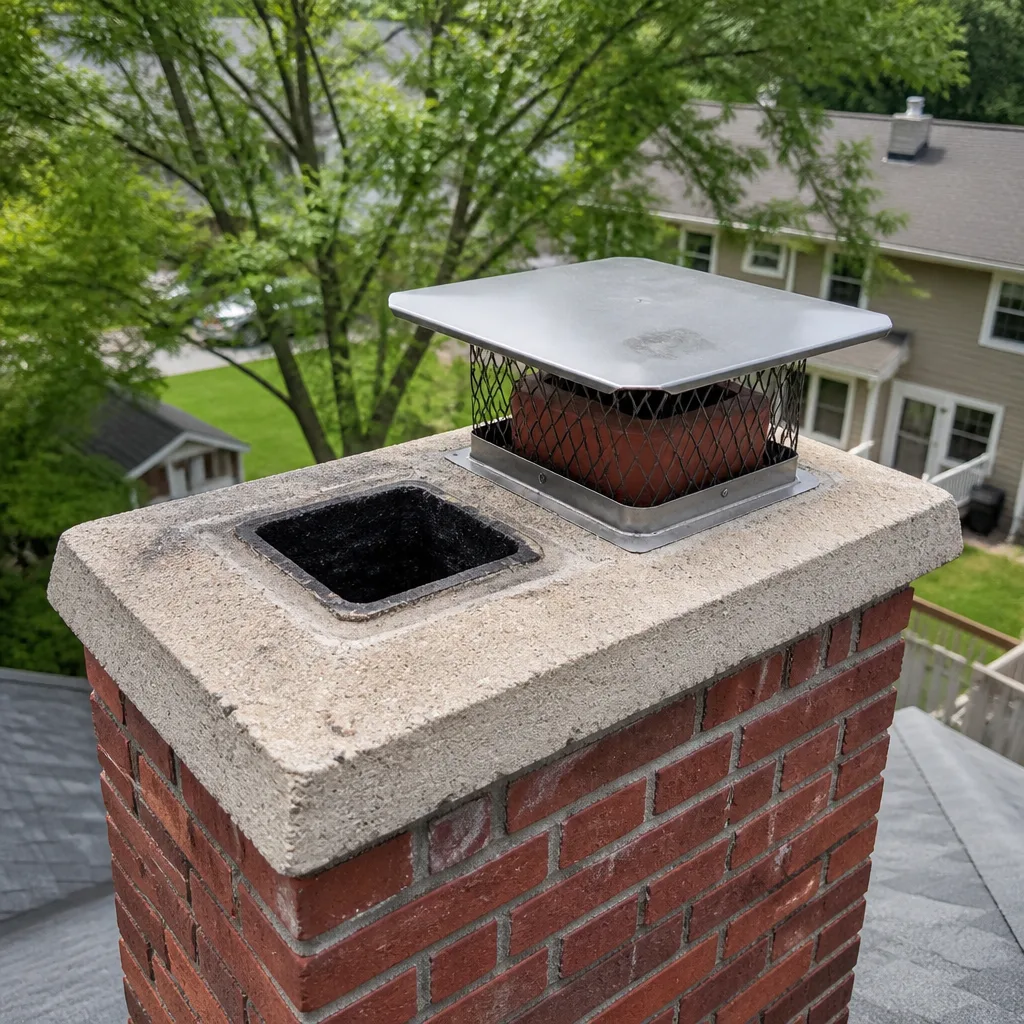 Sweep & inspection
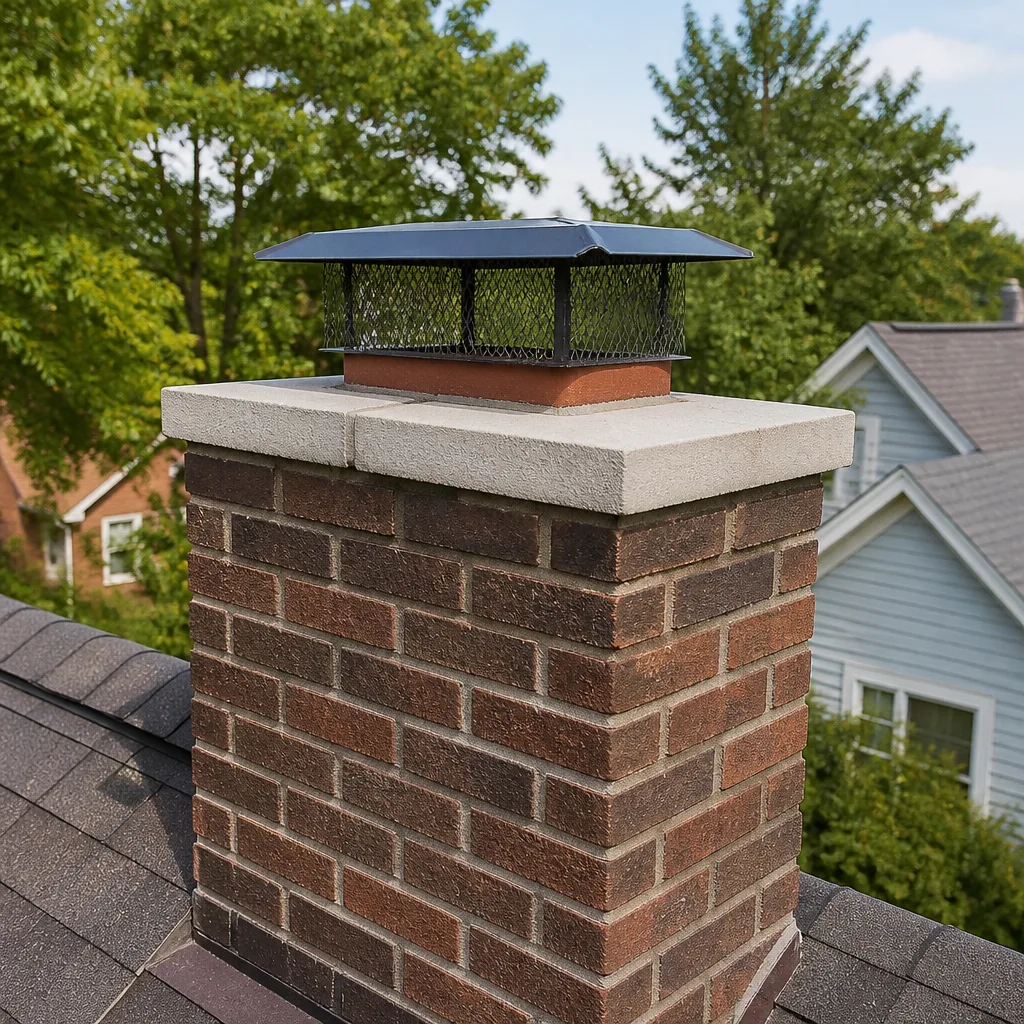 Caps & crowns
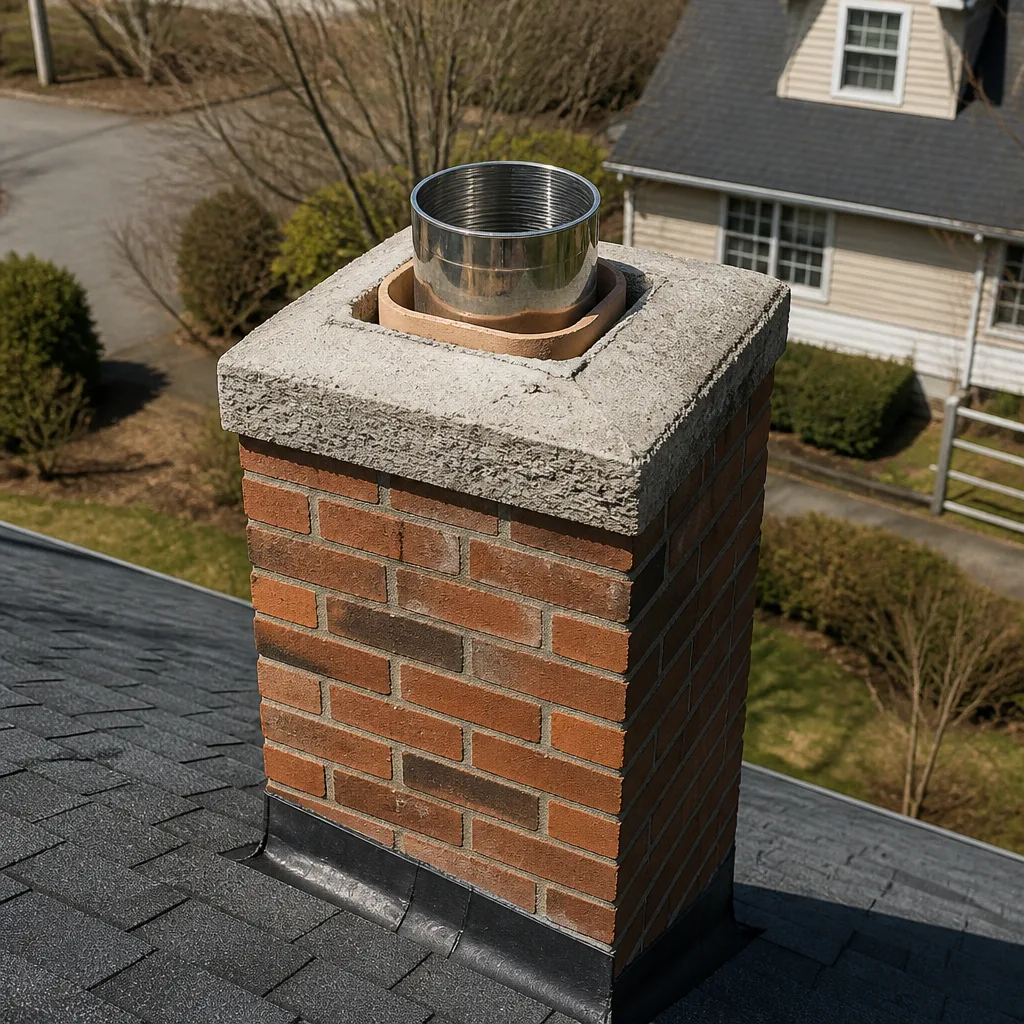 Flue relining
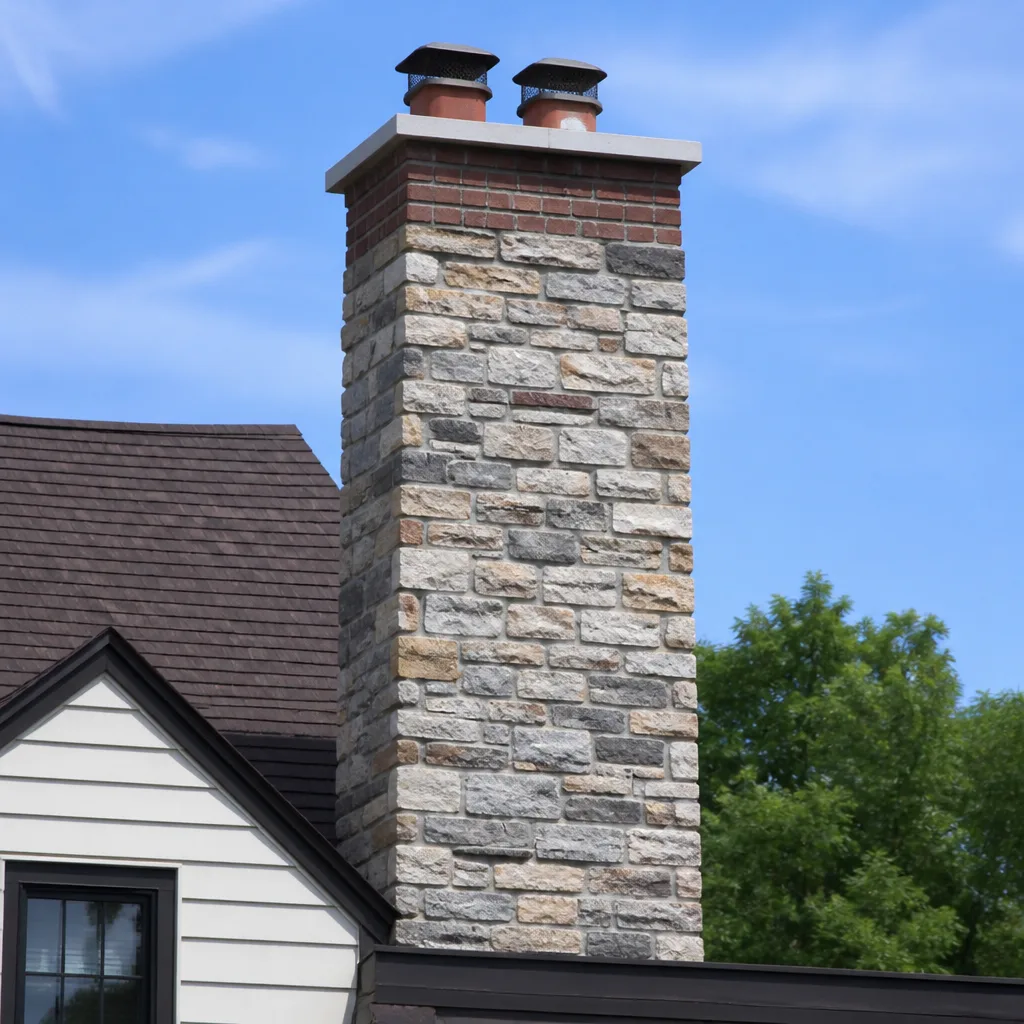 Masonry repair
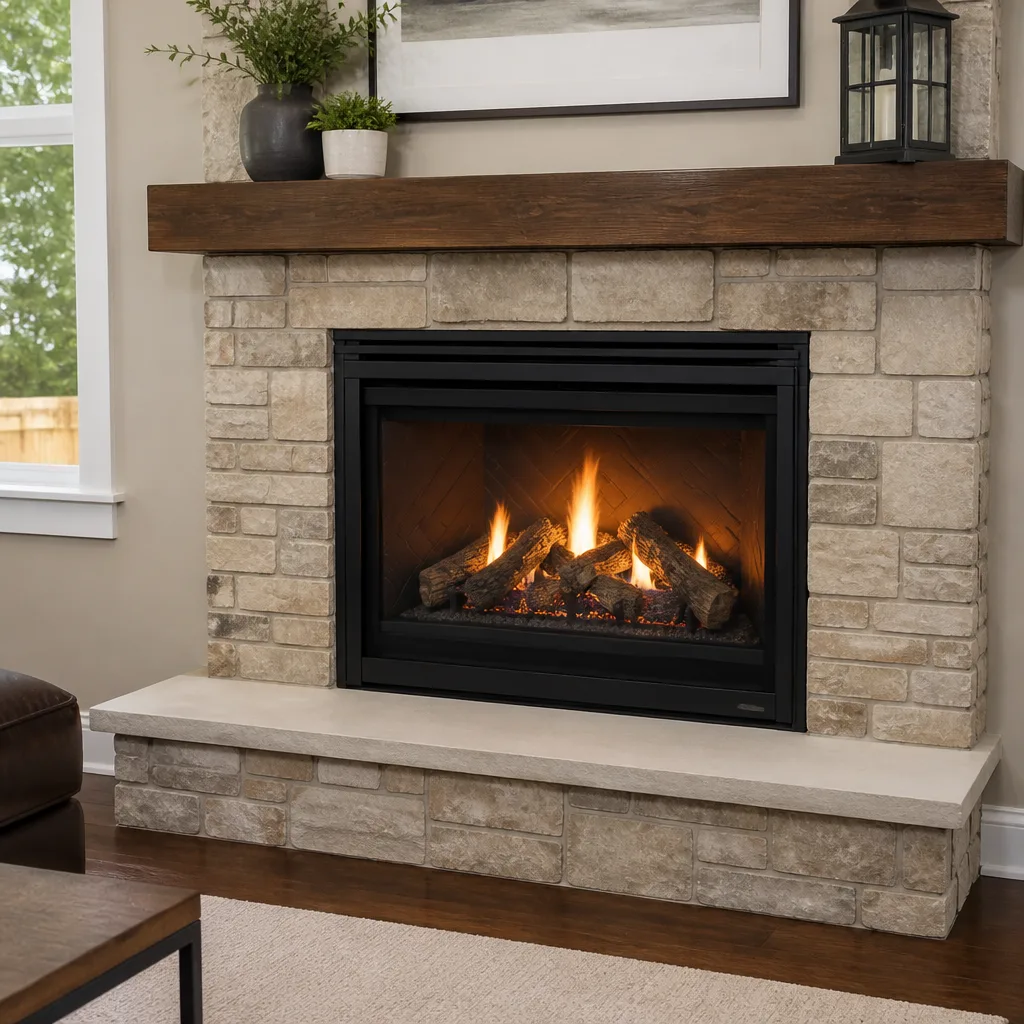 Gas fireplace service
Level 1 sweep and inspection to the NFPA 211 annual standard - flue, crown, cap, and flashing checked and photographed
Chimney sweep logs do not sweep chimneys. They loosen some creosote - which then falls where a brush and vacuum still have to collect it.
DIY vs Professional Chimney Cleaning: The San Juan Capistrano Homeowner’s Decision Guide
You can rent chimney brushes at a hardware store. What you can’t rent is the ability to recognize a stage-two creosote glaze, a cracked tile liner, or a compromised smoke shelf when you’re looking at one. That gap between doing the work and knowing what the work is telling you is where this whole decision actually lives. In San Juan Capistrano, where plenty of homes still burn real wood in cool inland evenings, the choice isn’t really about whether you’re handy. It’s about whether you can diagnose what’s above your firebox once the brush comes out. This guide walks through what DIY brushing really accomplishes, what it can’t do, and how to decide honestly which route fits your house.
Quick Answer
DIY chimney brushing is reasonable only for a lightly used, visually sound flue with no history of problems, and even then it can’t reach the smoke shelf or verify liner condition. For most San Juan Capistrano homeowners – especially anyone in a recently purchased home, running a gas insert, or burning regularly through winter – a professional sweep with camera inspection is the safer call because the cleaning is only half the job. A Chimney Sweep San Juan Capistrano visit pairs the sweep with the diagnostic look that tells you whether anything else needs attention.
Styles & brands we work with
- Sweep & inspection
- Caps & crowns
- Flue relining
- Masonry repair
- Gas fireplace service
Table of Contents
- What DIY Chimney Brushing Actually Accomplishes
- The Smoke Chamber and Smoke Shelf: The Zone Consumer Kits Miss
- The Mess and Equipment Reality in a Typical SJC Home
- When DIY Is Reasonable and When It Creates False Safety
- What Professionals Use That Consumer Products Don’t Replicate
- The Liability Math: A Missed Hazard and Your Insurance
- How a Professional Sweep in San Juan Capistrano Actually Works
- A Simple Decision Framework
What DIY Chimney Brushing Actually Accomplishes
A consumer brush kit does one thing well: it knocks loose soot and soft, powdery creosote off the flue walls in the straight vertical run of the chimney. That’s a real job, and it matters. Soot accumulation reduces draft and each layer of creosote insulates the flue from the heat it’s meant to vent. Removing the top layer genuinely improves how the chimney draws.
What it doesn’t do is meaningful. A hand-pushed or drill-driven consumer brush follows the flue, but it can’t tell you the condition of what it passed. It doesn’t measure creosote stage. It doesn’t see a hairline crack in a clay tile that opened over the summer. It doesn’t check the crown, the cap, the damper plate, the firebox mortar joints, or the smoke chamber above the damper. Those are the parts that fail, and they fail quietly.
- It removes: loose soot, powdery stage-one creosote, cobwebs, and light debris in the straight flue.
- It doesn’t remove: glazed stage-two creosote, which bonds to the tile and requires rotary tools or chemical treatment.
- It doesn’t inspect: the crown, cap, flashing, damper, smoke shelf, firebox mortar, or liner joints.
- It doesn’t verify: that the flue is the correct size for the appliance, or that a prior owner didn’t vent something improperly.
In our experience, the cleaning is the easy part. The value of a professional visit is the half hour of looking that comes after the brush goes back in the van. In San Juan Capistrano, where many homes have chimneys original to construction and a few decades of use behind them, “what does this flue look like inside” is the question that actually protects a household.
The Smoke Chamber and Smoke Shelf: The Zone Consumer Kits Miss
Above your damper sits the smoke chamber, a corbelled funnel that transitions the wide firebox opening into the narrow flue. Just behind the damper is the smoke shelf, a horizontal ledge that catches whatever falls. Together they’re the roughest, smudgiest, hardest-to-reach part of the whole system, and they’re exactly where creosote and debris collect first.
Consumer brush kits rarely reach this zone in a useful way. The brush travels the flue, not the chamber. The corbelled walls of the smoke chamber are angled and stepped, so a straight brush passes them without contact. The smoke shelf sits at an angle the brush can’t touch. What collects there stays there, and it keeps collecting.
Why does this matter in San Juan Capistrano specifically? Because a home here that burns wood through the cooler months builds a layer in the smoke chamber the same way any other home does. A homeowner who brushes the flue every year but never touches the chamber may think the chimney is clean when the most fire-prone surface in the system hasn’t been addressed. Glazed creosote in the smoke chamber is one of the most common pre-fire conditions a sweep encounters.
Professional sweeps reach the chamber with a combination of hand tools and a rotary system, and check it with a video camera. If the chamber walls are rough and have never been properly smoothed, that’s also a point where a professional-grade resurfacing product earns its place. HeatShield is the ceramic system we use to restore chamber and flue surfaces without a full reline. It’s a professional product you won’t find on a rental shelf, and that’s a feature, not a bug.
The Mess and Equipment Reality in a Typical SJC Home
On video, a DIY chimney cleaning looks tidy. In an actual San Juan Capistrano living room, it’s a different story. Soot is finer than flour and it travels on air. Every time you move a brush or open a damper, a small puff escapes into the room. Multiply that by an hour of work and you have a fine grey film on furniture, walls, and everything within a fifteen-foot radius.
Containment is the whole job, and it’s harder than it looks. Here’s what a proper setup involves:
- Seal the firebox opening with a plastic sheet taped to the surround, with only the rod passing through a tight sleeve.
- Lay drop cloths from the hearth to the entry point, not just at the fireplace.
- Run a HEPA vacuum at the firebox the entire time, so air is moving into the chimney, not out.
- Cover or remove nearby soft furnishings before you start, not after.
- Work top-down where possible, so gravity carries debris into the firebox.
Most homeowners can rig steps 1, 2, 4, and 5 with painter’s plastic and tape. Step 3 is where a consumer shop vacuum fails. A shop vac rated for wet/dry use isn’t rated for fine soot, and its exhaust throws the finest particles back into the room. An industrial HEPA unit is what keeps the air clean. That’s one reason a professional sweep in San Juan Capistrano leaves a room cleaner than most DIY cleanings end up, even after the same amount of actual brushing.
When DIY Is Reasonable and When It Creates False Safety
We’re not going to pretend there’s never a case for DIY. There is a narrow one. If your chimney meets all of the following, an annual brush between professional inspections is defensible.
- You’ve had a professional inspection of the full system, including the smoke chamber, in the past few years and it came back clean.
- The flue is a straight vertical run, fully accessible from the top or bottom, with no offsets.
- You burn dry, seasoned wood only, and volume is light – a fire most cool evenings, not a daily furnace.
- You own or can rent a HEPA vacuum and industrial-grade brushes sized to your flue.
- You know what stage-one versus stage-two creosote looks like, and you’d recognize a cracked tile.
That’s a short list. Most San Juan Capistrano homes don’t check all five boxes, and here’s where DIY turns into a real risk rather than a mild miscalculation:
- Recently purchased home: you don’t know the prior owner’s burning habits, whether the flue was sized correctly, or whether anything was repaired in a way that hides a problem. A first-year DIY cleaning skips the only inspection that would tell you.
- Any visible deterioration: spalling brick, cracked mortar, a leaning crown, rust on the damper, or a cap that’s missing or damaged. All of these point to water intrusion, and brushing doesn’t address it.
- Gas insert systems: the flue of a gas insert handles different byproducts and its clearances and venting need to be verified, not brushed blind. Gas appliance venting requires a trained eye to confirm it’s safe.
- A long-dormant fireplace: the first burn after years of sitting is exactly when debris, animal nests, and deterioration surface. That first season deserves a professional look.
If any of these describes your situation, DIY cleaning creates a false sense that the chimney is fine. It isn’t fine. It’s just been brushed.
What Professionals Use That Consumer Products Don’t Replicate
The gap between consumer and professional equipment isn’t marketing. It’s the difference between removing soot and knowing what the removal revealed. Here’s what changes the outcome in a professional sweep:
- Rotary sweeping systems: a motor-driven spinning brush that expands against the flue walls. It reaches the smoke chamber corbels and clears glazed creosote that a hand-pushed brush slides past.
- Video inspection cameras: a camera on a flexible rod run the length of the flue, recording what the inside actually looks like. Cracks, gaps in the liner, and offsets become visible on a screen. This is the diagnostic half of the job.
- Industrial HEPA vacuums: the containment equipment that keeps soot out of the room. Consumer shop vacs aren’t a substitute.
- Professional-grade caps and crowns: when a problem turns up, the fix uses components engineered for the job – Gelco and Famco for cap and crown work, for instance – not hardware-store substitutes.
- Professional liner systems: if a reline is needed, products like DuraFlex are rated for wood, gas, and oil appliances. The liner is chosen for the appliance, not for the shelf at the store.
In San Juan Capistrano, this is where the line between DIY and professional really shows. The homeowner who brushes the flue and stops has cleaned the chimney. The professional sweep has cleaned the chimney and can say, with a photo in hand, that the crown needs sealing, or the liner is sound, or the smoke chamber should be resurfaced with HeatShield before the next burning season. Two different jobs, one of them starts where the brush ends. When the inspection turns up a fault, we do the chimney repair ourselves, so nothing gets handed to a second company.
The Liability Math: A Missed Hazard and Your Insurance
Here’s the part of the DIY conversation most guides skip. If a chimney fire happens and the cause is traced to buildup or a defect that a proper sweep would have caught, a homeowners insurance policy can look at two things: how the chimney was maintained and whether a licensed professional documented its condition. Many policies cover chimney fires as a covered peril, but the claim can be complicated if there’s no service record and the interior shows heavy creosote buildup.
That word, “documented,” is the piece few homeowners think about. A DIY cleaning leaves a clean flue and no evidence. A professional sweep leaves a written report and photos, including the video inspection of the inside of the flue. If a claim ever comes up, that record is the difference between “we can show the chimney was properly maintained” and “we think it was fine.”
We’re not saying a missed hazard will void your policy in every case. Insurance is fact-specific and only your carrier can say what yours covers. What we are saying is this: the DIY cleaning has no trail. The professional cleaning does. In our experience, homeowners in San Juan Capistrano who ask about service records do so after a scare. It’s easier to have the records before one.
There’s also the plain safety side of this, which is the reason to act regardless of paperwork. Chimney fires burn hot and stay inside the flue, and carbon monoxide is silent. Neither is a reason to panic, and neither is a reason to skip maintenance. But a professional sweep finds the conditions that lead to both, and can recommend repair before they get a chance to matter. That’s the reason the trade exists.
How a Professional Sweep in San Juan Capistrano Actually Works
A professional sweep isn’t complicated, but the sequence matters. Here’s how a chimney sweep call typically goes:
- Walkthrough and setup: the technician inspects the firebox and damper from inside, then sets containment – drop cloths, a sealed firebox opening, a HEPA vacuum running for the full job.
- Top-down or bottom-up sweep: the flue is brushed with rods and a rotary head, sized to the flue. Creosote that’s bonded gets more work.
- Smoke chamber and smoke shelf: hand tools and rotary brushes reach the corbelled walls and the ledge behind the damper.
- Camera inspection: a video camera runs the flue, and the technician reviews the recording with you.
- Exterior check: cap, crown, flashing, and mortar joints are reviewed from the roof or a ladder, looking for water intrusion and damaged components.
- Written report and estimate: anything found is documented and priced in a written estimate. Nothing is added without your say-so.
A sweep in San Juan Capistrano typically takes about an hour for the cleaning and another half hour for the inspection, depending on how much creosote has built up. The report is the deliverable you keep. It’s also the starting point if repairs are needed. If the chimney cap is failing or the crown is cracked, cap and crown services use Gelco and Famco components, and a fireplace repair might address a damaged firebox, using fireplace repair to bring the whole assembly back into service in the same relationship. From cleaning through structural repair, one specialist handles the chimney sweep and whatever comes next.
A Simple Decision Framework
If you’re on the fence, ask yourself four questions. The answers point the way.
- Have I had a professional inspection of this chimney in the past few years? If no, start there. That’s the foundation everything else rests on.
- Do I know the condition of the smoke chamber and the liner? If not, you can’t judge whether brushing is enough.
- Have I seen any sign of deterioration or drafting trouble? A cracked crown, a bad cap, soot stains on the fireplace face, or a fire that smokes back into the room are all reasons to call rather than brush.
- Can I contain the soot and see what I’m looking at? If you can’t do both, the DIY cleaning is at best incomplete and at worst reassuring you about a problem it didn’t reveal.
Most San Juan Capistrano homeowners who go through this exercise land where we’d land: a professional sweep and inspection is the baseline, and DIY brushing only makes sense as an interim measure once the baseline is established. There’s no shame in either answer. The only bad outcome is a clean flue with a hidden problem still inside it.
Common Mistakes to Avoid
- Assuming a clean flue is a safe flue. Soot removal is not inspection. A flue full of clean, cracked tiles is more dangerous than one full of soot and intact. The inspection is what tells you which one you have.
- Brushing the flue but never the smoke chamber. The chamber is where creosote concentrates, and a consumer brush typically passes it without contact. A sweep that skips the chamber is a half job.
- Using a shop vac as containment. Wet/dry vacuums throw the finest soot back into the room. If you’re doing any version of DIY, a HEPA unit is the minimum.
- Skipping the first-season inspection on a newly purchased San Juan Capistrano home. Prior owners’ habits are unknown, and deferred maintenance is common. The first call should be an inspection, not a brush.
- Treating a gas insert like a wood fireplace. The venting and clearances are different, and a brush doesn’t verify them. Gas appliance venting needs a trained look.
- Hiring a sweep with no documentation. A cleaning with no written report and no photos isn’t worth more than the DIY version. Ask for the report.
- Waiting for a problem to announce itself. Chimney deterioration and creosote buildup are quiet. Annual maintenance catches them before they announce themselves with a fire.
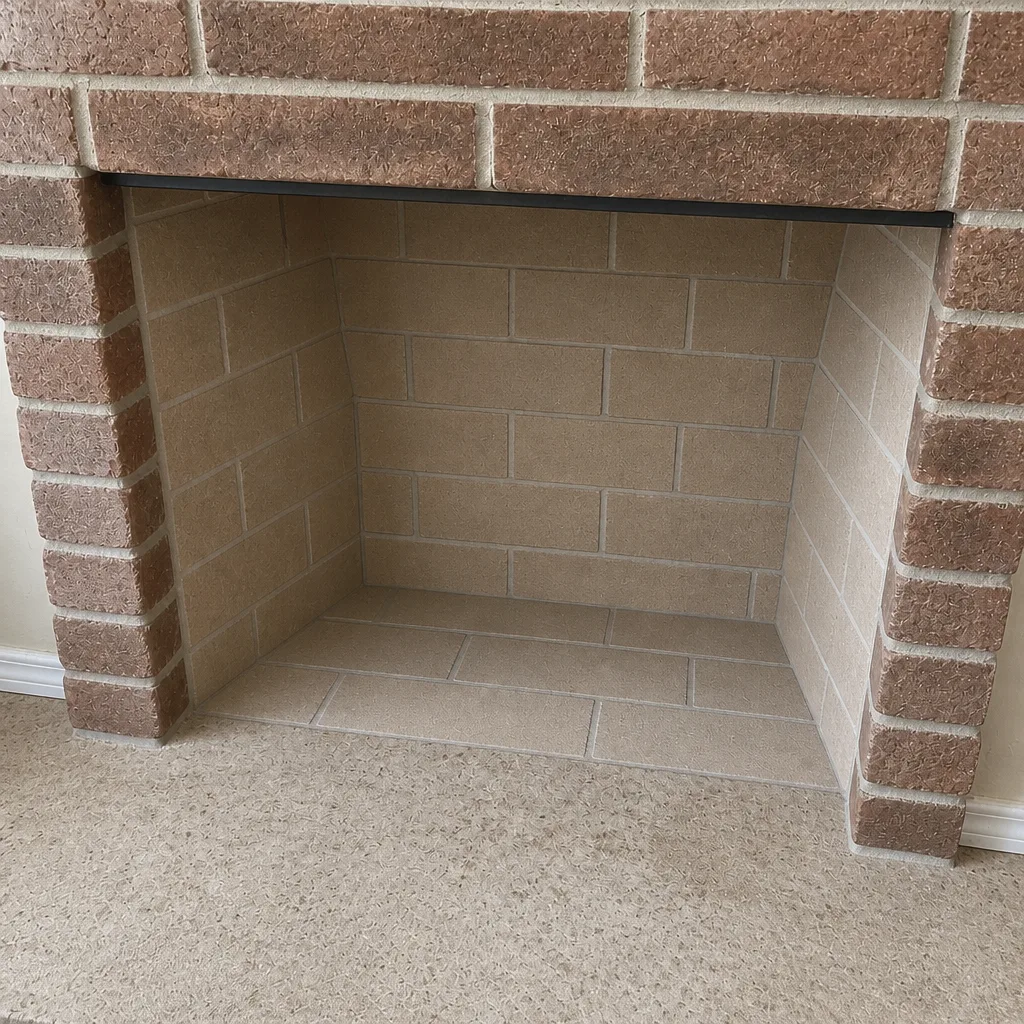
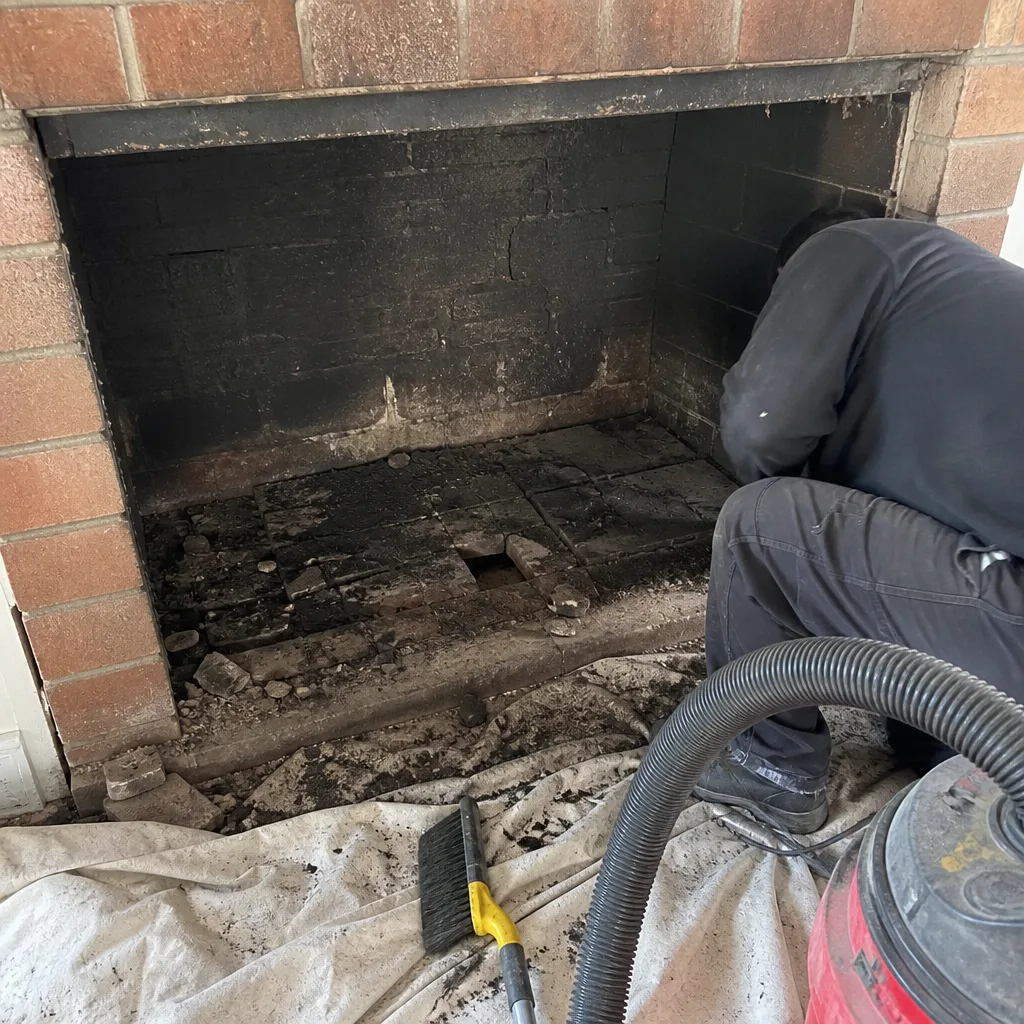
See the difference
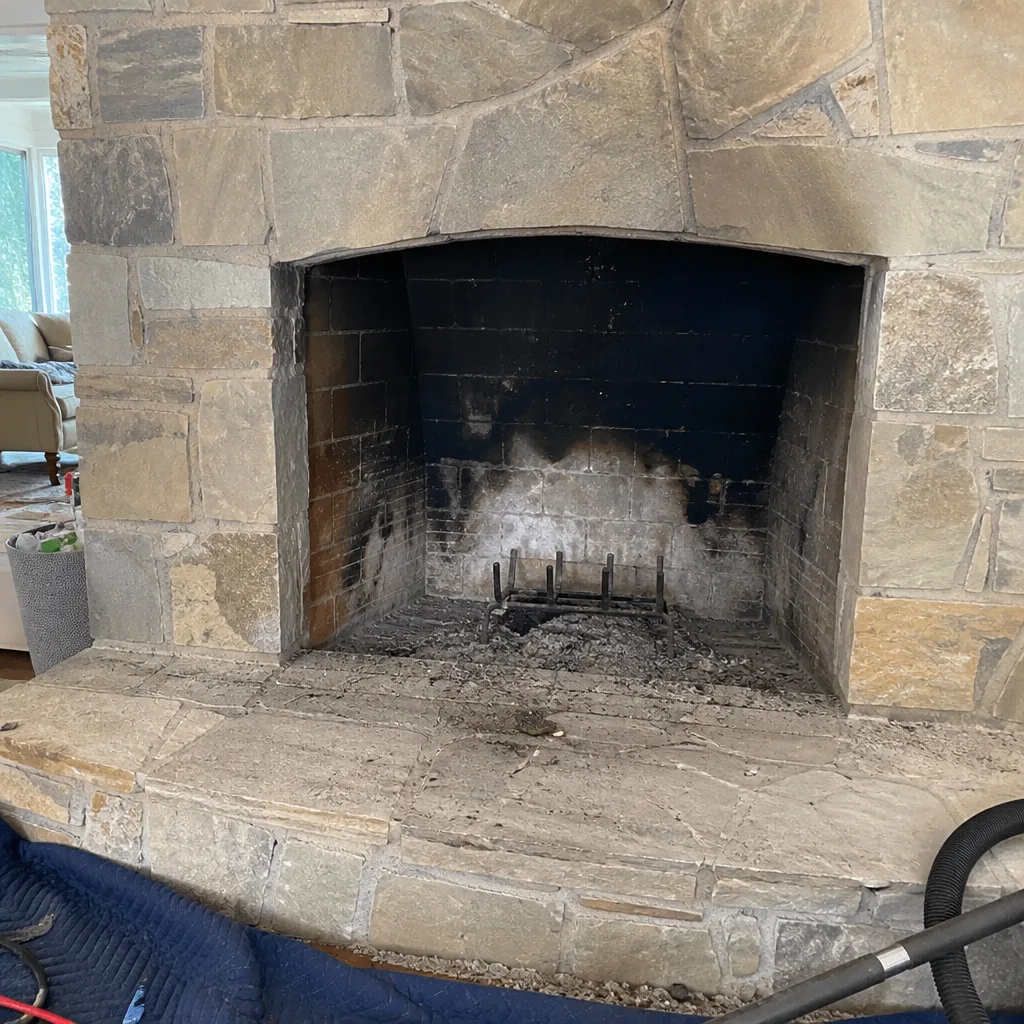 Before
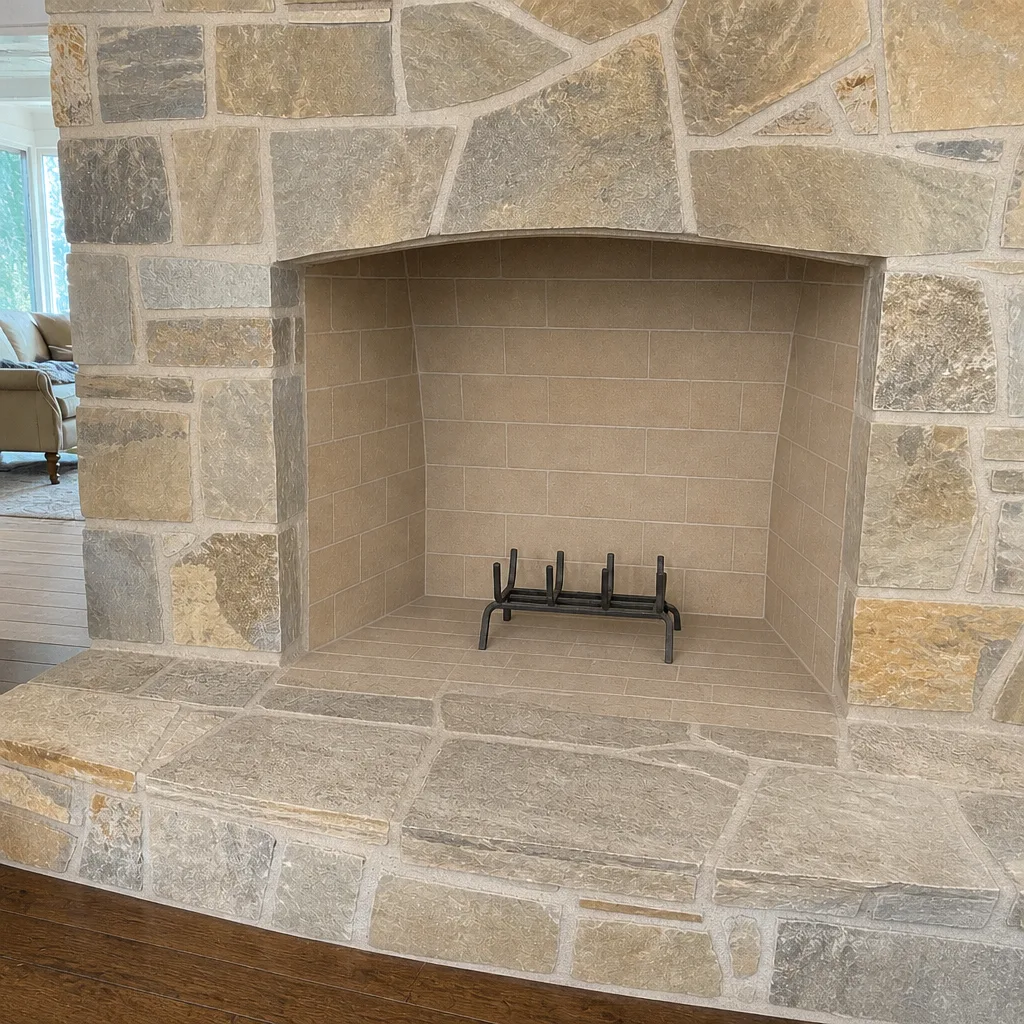 After
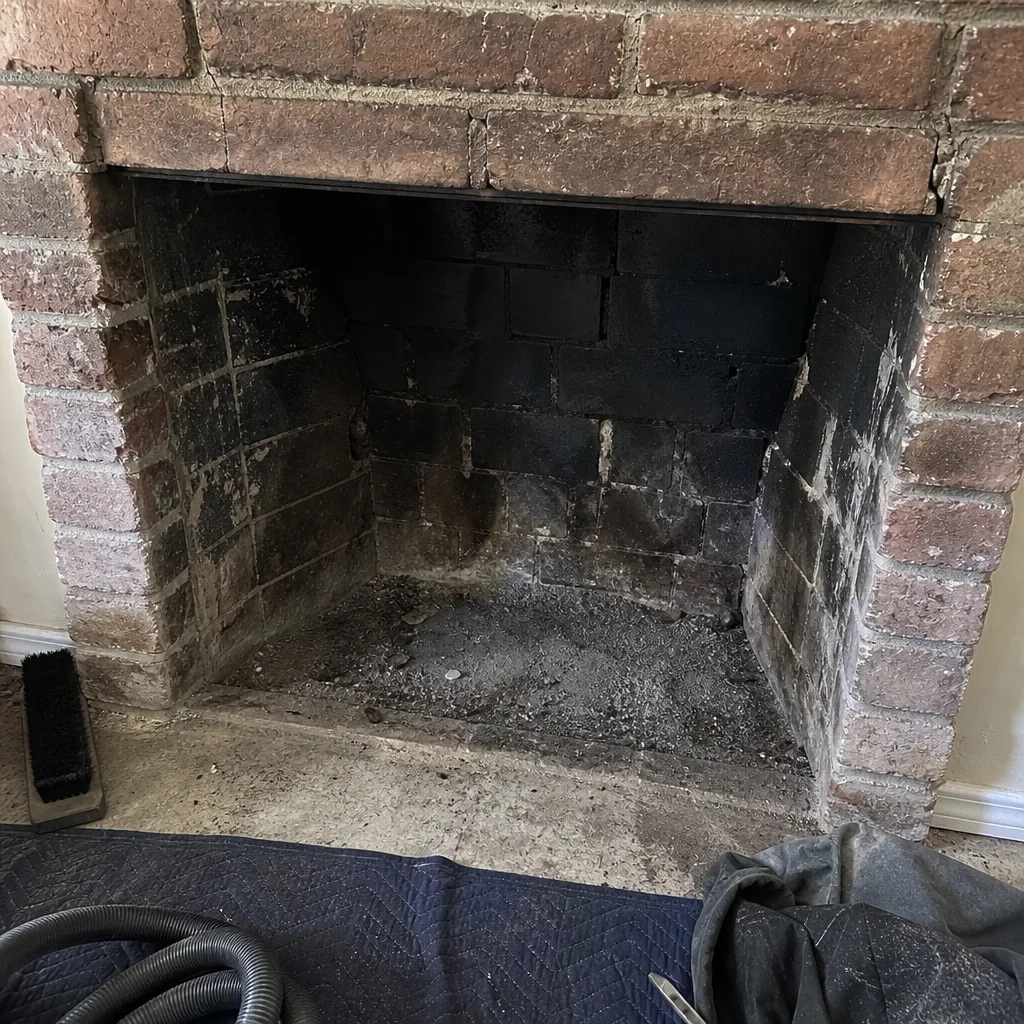 Before
 After
 Before
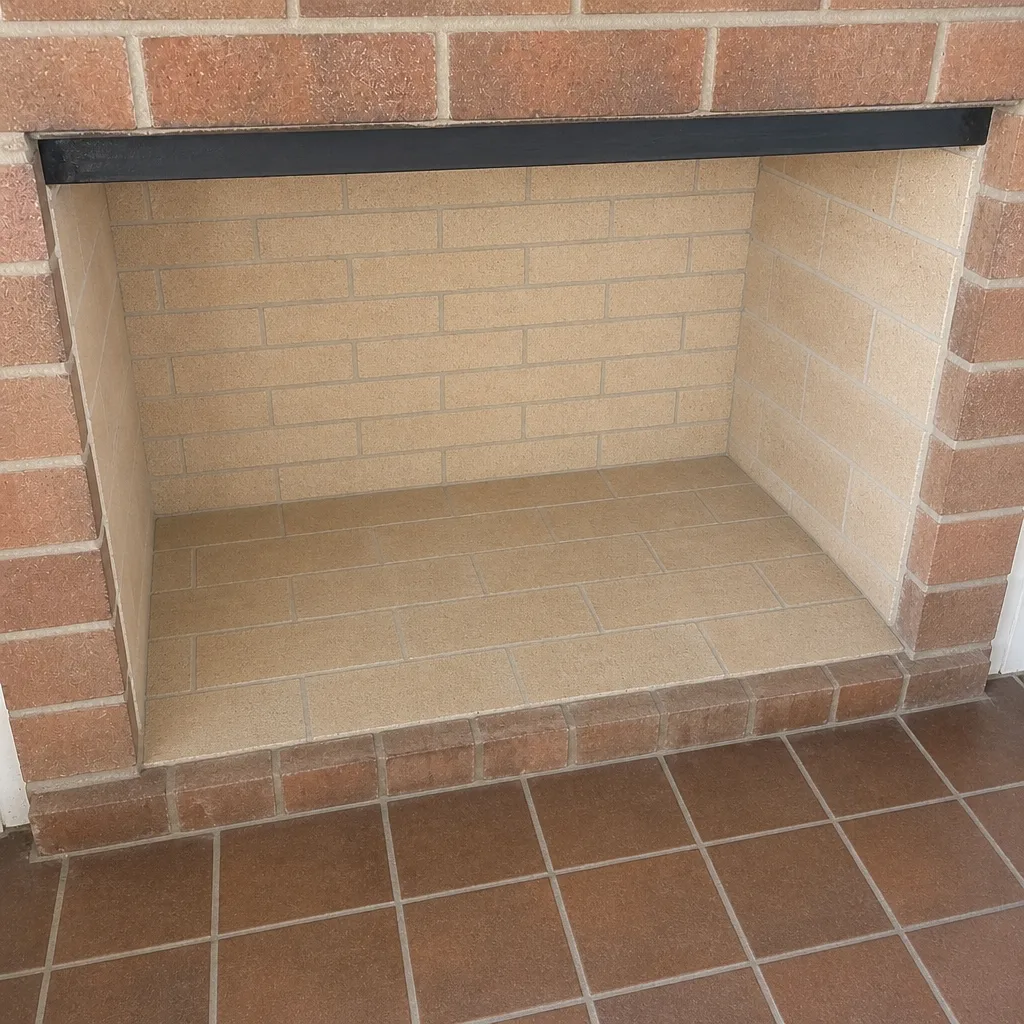 After
When to Call a Professional
Call a professional anytime you can’t answer the diagnostic question about your own chimney. That includes: a first cleaning after buying a home in San Juan Capistrano, a fireplace that’s sat dormant for seasons, any sign of deterioration like a cracked crown or missing cap, drafting trouble or smoke rolling into the room, a gas insert you haven’t had inspected, or any year in which you’ve burned more than lightly and haven’t had the smoke chamber checked. It also includes the simple case where you want the record that only a professional sweep leaves behind. Chimney Sweep San Juan Capistrano offers free estimates in San Juan Capistrano – call (844) 451-2583. Our technicians have up to 11 years of experience, and every estimate is written, per job, with no surprise additions.
Frequently Asked Questions
You need a professional sweep whenever you can’t verify what’s inside the chimney, including the smoke chamber and liner. DIY brushing removes soot from the straight flue but can’t reach the chamber or record the condition of the tile. If you’ve never had a professional inspection, the first call should be an inspection, not a brush. Call (844) 451-2583 for an exact quote – estimates are free.
A consumer brush follows the flue and typically misses the smoke chamber corbels and the smoke shelf behind the damper. It also can’t clear glazed stage-two creosote that bonds to the tile. The parts it misses are where creosote concentrates and where fires most often start. A professional sweep uses rotary tools sized to reach those surfaces, plus a video camera to confirm the result. Call (844) 451-2583 for a sweep with inspection included.
Once a year for most homes that burn wood regularly, and after any long dormant period before the first burn of the season. A home that burns lightly may stretch to a longer interval, but the annual inspection should still happen, because deterioration is quiet. Gas inserts should be checked on a similar schedule, not brushed. Call (844) 451-2583 for an exact quote – estimates are free.
Creosote keeps building, and it becomes more fire-prone the longer it sits. Deterioration in the crown, cap, or liner keeps advancing too, usually with water as the driver. Neither announces itself early. The cost of catching a problem at the inspection stage is smaller than the cost of catching it after a chimney fire or a failed liner. Call (844) 451-2583 for an exact quote – estimates are free.
It can complicate a claim, because a professional sweep leaves a written report and photos while a DIY cleaning leaves no record. Many policies cover chimney fires as a covered peril, but the specific outcome depends on your carrier and the facts. The practical point is that documentation matters, and only a professional sweep produces it. Call (844) 451-2583 for an exact quote – estimates are free.
Not with a documented inspection. Every recommendation should be backed by photo or video evidence of the specific issue, and you should see it before work is booked. A sweep shouldn’t recommend a reline on a sound flue, and if it does, ask to see the footage. Anything added to the visit is priced in a written estimate first. Call (844) 451-2583 for an exact quote – estimates are free.
The Bottom Line
The DIY chimney cleaning question isn’t really about whether you can brush a flue. Most mechanically inclined homeowners can. It’s about whether you can diagnose what you find in there, contain the soot while you’re doing it, and leave a record that says the chimney was properly maintained. In a typical San Juan Capistrano home, at least one of those three is beyond a consumer kit. Establish a professional baseline with a sweep and inspection first. Then decide what you do between visits. Professional-grade materials – capped with components like those from Olympia Chimney or Copperfield, or lined with DuraFlex – are what a sweep uses to actually fix what the inspection finds, and having the same company diagnose and repair means nothing falls between contractors.
Call (844) 451-2583 for a free estimate. We answer 24/7. Fast dispatch from 7am to 7pm, Sunday through Friday.
Written by the team at Chimney Sweep San Juan Capistrano.